
Soups & Stews
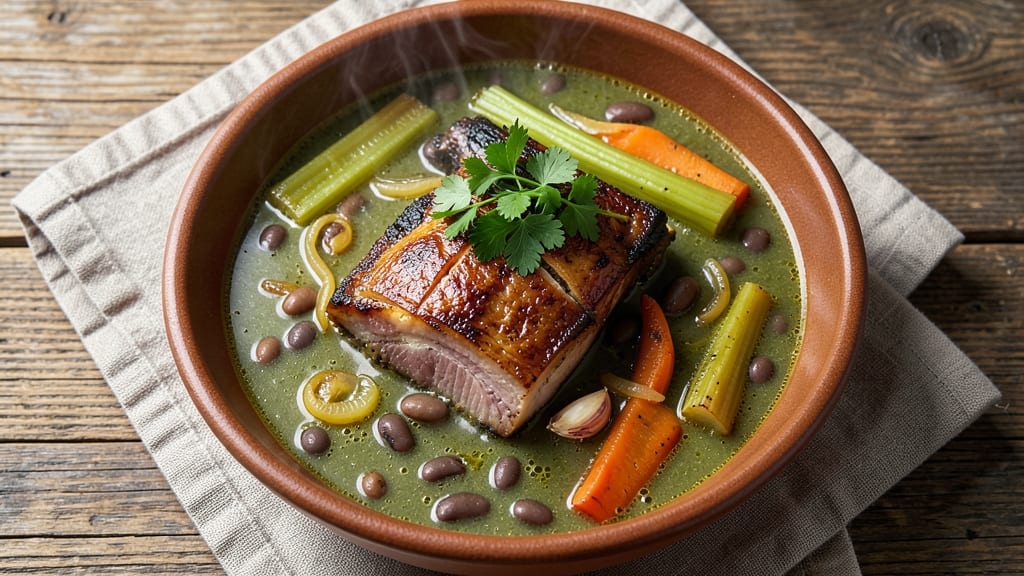
Transforming a simple leftover ham bone into a rich, smoky broth is the secret to this soul-warming bean soup recipe with leftover ham bone. The bone infuses the liquid with deep, savory notes that elevate every spoonful, turning basic ingredients into a restaurant-quality meal.
This one-pot recipe builds flavor gradually, ensuring each component—creamy beans, tender ham, and aromatic vegetables—harmonizes perfectly.
The key to unlocking maximum flavor lies in the bone: a long, slow simmer extracts every last bit of gelatin and umami, while a splash of vinegar at the end brightens the broth.
You’ll start with dried beans for maximum texture, but the real magic happens when the broth reduces into a velvety consistency that coats the beans like a silky blanket. This method requires patience, but the result is a soup so satisfying it’ll become a weekly staple.
What you’ll end up with is a deeply flavorful, hearty soup that balances earthy beans, smoky ham, and crisp vegetables. The broth is rich yet not heavy, with just enough acidity to cut through the richness.
Serve it with crusty bread to soak up every last drop, or pair it with a simple green salad for balance. The best part? This recipe uses pantry staples and minimal equipment, making it perfect for any home cook.
Whether you’re feeding a family or meal prepping for the week, this bean soup recipe with leftover ham bone delivers comfort in a bowl without the fuss. The ham bone transforms an ordinary pot of beans into something extraordinary—proof that great flavor doesn’t require complicated techniques, just time and intention.
Let’s get started on creating your own rich, smoky masterpiece.
Ingredients for bean soup recipe with leftover ham bone
The foundation of this rich bean soup lies in the leftover ham bone and pantry staples.
| Ingredient | Amount | Notes |
|---|---|---|
| Leftover Ham Bone 🍖 | 1 whole | With meat attached for flavor |
| Dried Navy Beans 🌱 | 1 ½ cups | Unsoaked, rinsed thoroughly |
| Yellow Onion 🧅 | 1 whole | Medium size, chopped |
| Carrots 🥕 | 4 medium | Peeled, cut into chunks |
| Celery Stalks 🧄 | 3 whole | Cut into 1-inch pieces |
| Garlic Cloves 🧄 | 4 cloves | Minced for depth |
| Bay Leaves 🌿 | 2 whole | Fresh preferred |
| Black Peppercorns 🌶️ | 1 tsp | Crushed for texture |
| Salt 🧂 | 1 ½ tsp | Kosher preferred |
| Apple Cider Vinegar 🍎 | 1 tbsp | For brightness |
| Extra-Virgin Olive Oil 🫒 | 2 tbsp | For initial sauté |
| Fresh Parsley 🌿 | ¼ cup | Chopped for garnish |
| Crusty Bread 🍞 | 6 slices | For serving |
| Water 💧 | 8 cups | For initial simmer |
The ham bone is non-negotiable here—look for one with ample meat still clinging to it, as this adds both flavor and protein. Costco or Trader Joe's often have excellent options from their deli counters, or check the butcher section for bones from whole hams. Navy beans are ideal for their creamy texture, but cannellini or great northern beans work equally well. The vegetables—carrots, celery, and onion—should be fresh but don't need to be organic; just ensure they're firm and free of blemishes. Garlic cloves should be plump and free of sprouts, as this indicates freshness. Store these ingredients in their original packaging until ready to use, with the ham bone wrapped in foil and refrigerated until the last minute.
No fresh bay leaves? Dried bay leaves at half the amount will suffice, though fresh imparts a more vibrant flavor. Out of apple cider vinegar? White vinegar or lemon juice works in a pinch, though apple cider's subtle sweetness is preferred. For the olive oil, avocado oil is a great alternative if you're avoiding olive's strong flavor. The crusty bread can be any variety—sourdough, baguette, or even a good-quality sandwich bread—just ensure it's fresh enough to hold up to soaking. If you're short on time, pre-chopped frozen vegetables work, though fresh will always yield better flavor. The key is balancing the acidity from the vinegar with the richness of the ham and beans—don't skip the vinegar entirely, or the broth will taste flat.
This soup tastes even better the next day as the flavors meld, so make a double batch if you have the time. Store the broth and beans separately in airtight containers in the fridge for up to 5 days, or freeze for 3 months. The ham bone can be simmered longer for a more concentrated broth, but remove it before serving to avoid overcooking the meat. For meal prep, portion the soup into individual containers with a slice of bread on the side—it reheats beautifully and makes for a satisfying lunch. If you find yourself with extra broth, use it as a base for risotto or pasta sauce, or freeze it in ice cube trays for future use.
Why You'll Love This Recipe
- No-Chop Nightmare: That leftover ham bone? It’s basically free broth—just toss it in cold. No pre-soaking beans if you use dried (I swear by the overnight soak trick, but even then, it’s set-it-and-forget-it). The onion, carrots, and celery? Rough chop or buy pre-diced—this soup doesn’t judge.
- Deep Umami Magic: The ham bone simmers into richness that turns plain beans into something ridiculously satisfying. That crispy bone edge? You’ll crack it open mid-bite like a kid with a chocolate bar. Honestly, the first time I made this, my partner asked for seconds before the bowl was even empty.
- Potluck Hero: Bring this to a gathering, and you’ll be the one people line up for. It’s hearty enough for a winter picnic but light enough for a summer barbecue (yes, really—serve it cold with crusty bread). My cousin’s vegetarian friend ate three bowls and didn’t even miss the meat.
- Zero-Waste Win: You’re using up that sad, lonely ham bone instead of tossing it. The beans? Cheap as chips and last for ages. Make a double batch—this soup only gets better the next day, and it’s the ultimate freezer meal. I’ve pulled this from the freezer on a Monday and had dinner in 15 minutes. Life-changing.
Step-by-step instructions for bean soup with leftover ham bone
Transform humble ingredients into a deeply flavorful soup where every spoonful carries smoky richness and hearty texture.
Brown the Ham Bone for Maximum Flavor
Preheat your largest pot over medium-high heat. Place the leftover ham bone inside and let it sear undisturbed for 8-10 minutes until the exposed surfaces develop a deep golden-brown crust. This caramelization creates the foundation for your soup's complex flavor profile.
During this time, you'll notice the bone release its natural oils and render fat, which will later form the velvety base of your broth. I like to turn the bone occasionally with tongs to ensure even browning on all sides. The bone should smell toasty and aromatic by the time you're ready for the next step.
Once properly browned, remove the bone and set it aside on a plate. You'll return it to the pot later, but first, we'll build the aromatic base that will infuse the broth with depth. The bone's residual heat will help draw out even more flavor as we proceed.
Build the Aromatic Vegetable Base
In the same pot (no need to wipe it clean—the browned bits are pure flavor), add the 2 tablespoons extra-virgin olive oil and heat over medium heat until shimmering. Add the chopped yellow onion, carrots, and celery stalks, stirring occasionally for 5-6 minutes until the vegetables soften slightly and the onion becomes translucent.
This step is where the magic happens—the vegetables release their natural sugars, which will caramelize and create a sweet, savory foundation for your soup. You'll know it's ready when the vegetables have lost their raw appearance and the pot begins to smell like a cozy autumn kitchen. Add the minced garlic cloves and cook for another 30 seconds until fragrant.
Here's the thing—don't rush this step. The longer you cook the vegetables at this stage, the deeper their flavors will develop. If you notice the vegetables sticking slightly, add a splash of water and scrape up any browned bits from the bottom of the pot with a wooden spoon.
Simmer the Beans and Broth
Return the browned ham bone to the pot and add the 1.5 cups dried navy beans, 8 cups water, bay leaves, crushed black peppercorns, and 1.5 teaspoons salt. Bring the mixture to a rolling boil over high heat, then immediately reduce to a gentle simmer. Cover the pot and let it cook for 1 hour.
This initial simmering time allows the beans to begin softening while the broth extracts maximum flavor from the ham bone. The navy beans will absorb water and begin to plump up, though they won't be fully tender yet. I like to check the broth after 30 minutes—it should be developing a rich, golden color and a meaty aroma.
During this time, the ham bone will continue to render its gelatinous marrow into the broth, creating that luxurious mouthfeel that makes this soup so satisfying. The beans should be partially cooked but still firm to the bite—this ensures they'll reach perfect tenderness during the final cooking stage.
Finish with Brightness and Texture
After the initial 1 hour simmer, add the apple cider vinegar and the 2 tablespoons extra-virgin olive oil. The vinegar adds a bright, tangy note that cuts through the richness of the ham and beans, while the olive oil adds a silky finish. Stir gently to combine, then uncover the pot and continue simmering for another 30-45 minutes until the beans are fork-tender.
You'll know the beans are ready when they're soft enough to crush between your fingers but still hold their shape. The broth should be thick and flavorful, with a beautiful golden hue. If the soup seems too thick, add ½ cup water to reach your desired consistency. The beans should be fully cooked but not mushy.
Remove the ham bone and discard the bay leaves. Using an immersion blender (or carefully transferring to a blender), purée about half of the soup until smooth. This creates a velvety texture while leaving some whole beans for hearty contrast. Return the puréed portion to the pot and stir well.
Serve with Crusty Bread and Fresh Parsley
Ladle the finished soup into bowls and garnish each serving with chopped fresh parsley. The parsley adds a fresh, bright note that balances the rich flavors. Serve immediately with 6 slices crusty bread on the side for dipping and soaking up every last drop of that flavorful broth.
This soup tastes even better the next day as the flavors continue to meld and deepen. The navy beans will absorb even more of the ham's smoky essence, creating a truly comforting dish. Each spoonful delivers a perfect balance of hearty beans, rich broth, and the subtle tang of apple cider vinegar—proof that simple ingredients can create something truly memorable.
Pro Tips For Making Bean Soup Recipe With Leftover Ham Bone
- CRACK THE HAM BONE FIRST: That leftover ham bone won’t release its magic unless you break it open—smash the ends with a rolling pin or heavy pan before simmering. I used to skip this and wondered why my soup tasted bland; the marrow’s where the flavor hides, and it needs to bleed into the broth.
- SOAK BEANS OVERNIGHT (OR NOT): Dried navy beans soften faster if soaked 8–12 hours, but if you’re short on time, parboil them 2 minutes first, then cover with fresh water. The key? Don’t crowd the pot—give them space to expand, or they’ll turn to mush and split open mid-cook.
- SWEAT THE VEGETABLES LOW AND SLOW: After dicing onion, carrots, and celery, cook them on medium-low heat for 8–10 minutes until the onion’s translucent and carrots yield slightly. Rushing this step means they’ll turn to mush instead of adding sweet depth—patience here makes the difference.
- STIR IN THE BEANS LAST: Add the soaked beans only after the ham bone’s simmered 30–45 minutes and the veggies are tender. This keeps them from absorbing all the broth too fast, ensuring they cook through without turning into a gluey mess. (Yes, I learned this after a disastrous batch where the beans disintegrated.)
Creative variations of this dish
Smoky White Bean Twist
Swap navy beans for 1.5 cups dried cannellini beans and add 1 smoked paprika to the vegetable sauté for a creamy, smoky variation. The beans stay intact for a rustic texture, while the paprika deepens the ham's natural smokiness.
I like to finish with a drizzle of hot honey for a sweet-spicy balance that pairs perfectly with crusty bread. 🌶️
Hearty Potato Addition
Add 2 cups diced Yukon Gold potatoes with the carrots and celery for a thicker, more filling soup. The potatoes absorb the broth beautifully, creating a heartier consistency perfect for cold weather.
For extra richness, stir in ½ cup shredded sharp cheddar at the end—it melts into the warm broth for a comforting touch. 🥔
Spicy Chorizo Boost
Brown ½ lb Mexican chorizo with the ham bone for a bold, spicy twist. Slice the chorizo into rounds and add it to the soup during the final 10 minutes of simmering so it stays flavorful but doesn't crumble excessively.
The chorizo's smoky, spicy notes elevate the dish, making it a crowd-pleaser for those who love heat. Serve with extra bread for dipping! 🔥
Creamy Tomato Version
Add 1 can (14 oz) crushed tomatoes with the vinegar for a tangy, slightly sweet variation. The tomatoes blend into the broth for a velvety texture while adding depth. I recommend using San Marzano tomatoes for their natural sweetness.
Garnish with fresh basil instead of parsley for a brighter finish. This version works beautifully as a base for a rustic minestrone. 🍅
Lighter Vegetable Broth
Replace half the water with 4 cups low-sodium vegetable broth for a lighter, more vibrant soup. Add 1 zucchini and 1 cup chopped kale during the final 15 minutes of cooking.
The kale wilts into the broth, adding earthy flavor without overpowering the ham's richness. Perfect for a lighter meal that still delivers deep, satisfying flavors. 🥬
Slow-Cooker Adaptation
Transfer all ingredients to a 6-quart slow cooker and cook on LOW for 8 hours or HIGH for 4 hours. The slow cooking enhances the ham's flavor while keeping the beans tender.
For extra depth, add 1 tsp smoked salt during the final hour. This hands-off method is ideal for busy weeknights while still delivering restaurant-quality results. ⏰
Nutrition facts
Frequently asked questions
Can I use canned beans instead of dried?
Yes! Drain and rinse 3 (15 oz) cans navy beans and add them with the broth during the final 15 minutes of simmering. This cuts cooking time significantly while maintaining the same creamy texture. Just reduce the water to 6 cups since canned beans don't absorb as much liquid.
How do I know when the ham bone is fully rendered?
The bone is ready when it's soft and spongy—press it with tongs and it should crush easily. The broth should also be deep amber with visible fat separation. For extra richness, simmer the bone 30-45 minutes longer after the beans are tender. The longer it cooks, the more gelatin releases for that luxurious mouthfeel.
What if my soup tastes too salty?
Add ½ cup water or broth and simmer uncovered for 10 minutes to dilute the salt. If using canned beans, they often contain sodium—rinse them thoroughly before adding. For prevention, taste the broth before adding all the salt, starting with just 1 teaspoon and adjusting.
Can I make this soup in an Instant Pot?
Sauté the vegetables, then add all ingredients (except vinegar) and cook on HIGH PRESSURE for 20 minutes. Quick-release the pressure, stir in vinegar, and let sit for 5 minutes off the heat. The beans will be perfectly tender with minimal effort. The broth will be slightly thinner—reduce it uncovered on the stove for 5 minutes if needed.
How long will leftovers keep?
Store in an airtight container in the fridge for 5 days or freeze for 3 months. The flavors actually improve overnight as the beans absorb more broth. Reheat gently on the stove with ½ cup water to prevent drying out. For meal prep, freeze portions with a slice of bread—just thaw and warm through.