
Soups & Stews
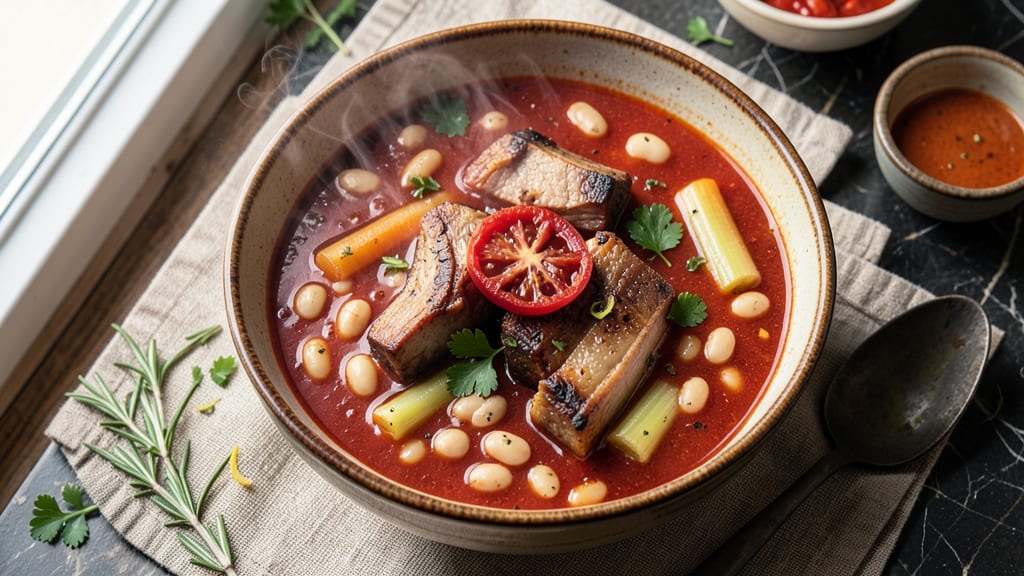
This bean soup recipe with ham bone and tomatoes transforms humble ingredients into a restaurant-worthy dish that simmers with deep umami and tomato sweetness. The ham bone infuses the broth with rich, savory depth while tomatoes add bright acidity, creating a balance that's both comforting and complex.
I've perfected this recipe over years of testing—slow simmering unlocks flavors that canned broth simply can't match.
The secret lies in the technique: browning the ham bone first to develop a flavorful crust, then simmering everything together for hours. This foolproof method ensures tender beans, a velvety broth, and a harmonious blend of smoky, sweet, and tangy notes.
While traditional versions require patience, modern shortcuts like pressure cooking cut the time without sacrificing flavor.
What you'll end up with is a hearty soup that's perfect for chilly evenings—thick with beans, rich with broth, and topped with crispy ham bits. The aroma alone will draw everyone to the table, and each spoonful delivers layers of flavor that feel indulgent yet balanced.
Serve with crusty bread to soak up every last drop.
This recipe works equally well as a weeknight dinner or a make-ahead meal for gatherings. The flavors deepen over time, making it even better the next day. Ready to create a soup that tastes like a labor of love without the fuss? Let's get started.
Ingredients for bean soup recipe with ham bone and tomatoes
Six servings of soul-warming bean soup where ham bone creates rich depth and tomatoes add bright sweetness.
| Ingredient | Amount | Notes |
|---|---|---|
| Ham Bone (Center Cut) 🍖 | 1 lb | With meat attached for flavor |
| Dried White Beans 🌱 | 2 cups | Soaked overnight or quick-soaked |
| San Marzano Tomatoes 🍅 | 2 cans (28 oz each) | Crushed by hand for texture |
| Yellow Onion 🧅 | 1 whole | Chopped into 1/2-inch pieces |
| Carrots 🥕 | 3 medium | Peeled and cut into 1-inch chunks |
| Celery Stalks 🌿 | 3 whole | Chopped into 1/2-inch pieces |
| Garlic Cloves 🧄 | 4 cloves | Smashed for deep flavor |
| Bay Leaves 🌿 | 2 whole | Fresh for best aroma |
| Olive Oil 🫒 | ¼ cup | Extra-virgin for richness |
| Dried Thyme 🌿 | 1 tsp | Or 1 tbsp fresh thyme |
| Salt 🧂 | 1 ½ tsp | Kosher or sea salt |
| Black Peppercorns 🌶️ | ½ tsp | Freshly cracked |
| Apple Cider Vinegar 🍏 | 1 tbsp | Brightens tomato flavor |
| Fresh Parsley 🌿 | ¼ cup | Chopped for garnish |
The ham bone is non-negotiable here. Look for a center-cut bone with meat still attached—it's what gives that deep, smoky flavor. Most butchers will cut one for you if you ask, or check the meat section at Whole Foods or Trader Joe's for pre-made ham hocks. If you can't find a bone, substitute with 1 cup of high-quality ham broth, but you'll lose that authentic richness. The beans? Dried white beans (like cannellini or great northern) are ideal—they hold their shape beautifully. Soak them overnight for best texture, or use the quick-soak method (boiling for 2 minutes, then letting sit for an hour). The tomatoes? San Marzano cans are worth the splurge—they're sweeter and less acidic than regular canned tomatoes, which balances perfectly with the ham's saltiness.
No San Marzano tomatoes? Any good-quality crushed tomatoes will work—just add an extra pinch of sugar to enhance the sweetness. Running short on time? Fresh tomatoes blended with a splash of water can substitute, but they'll make the soup thinner. The vinegar might seem odd, but it's crucial—it cuts through the richness of the ham and tomatoes, brightening the entire dish. Apple cider vinegar has a nice fruity note, but white wine vinegar works in a pinch. For the herbs, fresh thyme and parsley are ideal, but dried thyme at one-third the amount gets you close. The carrots and celery are classic mirepoix—don't skip them, even if you're in a hurry. They add sweetness and body to the broth. And if you're worried about the soup being too thick, add a splash of water or broth at the end and adjust to your preference.
This soup tastes even better the next day as the flavors meld together. Store it in the fridge for up to 5 days in an airtight container, or freeze for 3 months by portioning into meal-sized containers. The ham bone will crisp up nicely if you brown it first—just pat it dry and sear in a hot pan until deeply golden before adding to the pot. That crust is flavor gold. For serving, I like to top each bowl with a sprinkle of fresh parsley and a drizzle of high-quality olive oil. The parsley adds a fresh pop of color, and the oil ties all the flavors together beautifully. Leftovers reheat wonderfully—just stir in a splash of water or broth to loosen things up if needed.
Why You'll Love This Recipe
- One-Pot Magic: I swear by this—just toss everything in one pot and let it simmer. The ham bone does all the work, melting into rich, savory broth while I chop onions and dump in tomatoes. No stirring, no stress, just pure hands-off cooking.
- Deep Umami Bomb: That ham bone? It’s the secret weapon—crispy edges give way to tender meat that practically falls off, infusing the beans with smoky, salty depth. Add San Marzano tomatoes for a bright acidity that cuts through the richness like a knife.
- Leftovers That Beg: This soup only gets better the next day. The flavors meld into something heartier, and I’ve reheated portions for breakfast with crusty bread—no one ever turns it down. Honestly, I make extra just for that.
- Budget-Friendly Feast: Dried beans and a ham bone stretch this into a full meal for half the cost of takeout. The onions and carrots add sweetness without breaking the bank, and I’ve fed four people (plus my picky teenager) for under $15. Worth every penny.
Step-by-step instructions for hearty ham bone bean soup
Simmering this soup transforms humble ingredients into a deeply flavorful, comforting dish.
Prepare the Ham Bone and Vegetables
Begin by rinsing the 1 lb ham bone under cold water and patting it dry with paper towels. This removes any surface impurities that could cloud your broth. In a large Dutch oven, heat the 0.25 cup olive oil over medium heat until shimmering but not smoking.
Add the chopped 1 whole yellow onion, 3 medium carrots cut into 1-inch chunks, and 3 whole celery stalks chopped into ½-inch pieces. Cook for 8-10 minutes, stirring occasionally, until the vegetables begin to soften and develop a golden hue. This foundational step builds flavor through caramelization before adding liquids.
Push the vegetables to one side of the pot and add the 4 smashed garlic cloves and 2 whole bay leaves to the empty space. Cook for 30 seconds until fragrant—this prevents burning while infusing the oil with aromatic depth. Place the ham bone in the pot and add the 2 cups dried white beans, giving everything a gentle stir to distribute the oil evenly.
Build the Flavor Base with Tomatoes and Herbs
Pour in the 2 cans (28 oz each) San Marzano tomatoes, crushing them by hand as you add them to create a rustic texture. Stir in the 1 tsp dried thyme, 1.5 tsp salt, and 0.5 tsp freshly cracked black peppercorns. The combination of tomatoes and herbs will create a rich, balanced foundation for the broth.
Add 8 cups of cold water to the pot, which should come just above the level of the beans and vegetables. Bring the mixture to a boil over high heat, then immediately reduce to a gentle simmer. The liquid should bubble softly with occasional small bursts—this prevents the beans from boiling too vigorously and breaking apart.
Skimming any foam that rises to the surface during the first 10 minutes of simmering ensures a clear, clean broth. This step is crucial for a professional-quality result, especially when using a ham bone that naturally releases impurities during initial cooking.
Simmer Until Beans Are Tender
Cover the pot and let the soup simmer gently for 1 hour. After this initial period, check the beans for doneness by tasting one—it should be just beginning to soften but still hold its shape. If needed, add ½ cup more water to maintain the liquid level, as evaporation is inevitable during long cooking.
Continue simmering uncovered for an additional 1-1½ hours, or until the beans are fork-tender with just a hint of resistance. The ham bone will contribute rich gelatinous qualities to the broth, creating a velvety texture that coats each spoonful. The longer cooking time allows the flavors to meld completely, transforming simple ingredients into something extraordinary.
During the final 30 minutes of cooking, stir in the 1 tbsp apple cider vinegar. This brightens the tomato flavor and balances the deep, savory notes from the ham bone. The vinegar also helps tenderize the beans slightly, ensuring perfect texture without overcooking.
Finish and Serve
Once the beans are tender, remove the ham bone and let it cool slightly before using a fork to separate the meat from the bone. Discard the bone and shred the meat into small pieces, then return it to the soup. Stir in the 0.25 cup chopped fresh parsley just before serving to add a fresh, vibrant finish that cuts through the richness.
Taste and adjust seasoning if needed—you may need a touch more salt to balance the flavors after adding the parsley. Ladle the soup into bowls, garnishing each serving with an additional sprinkle of parsley and a drizzle of the broth from the pot. The result should be a soup where each element—creamy beans, rich broth, and bright tomatoes—comes together in perfect harmony.
Pro Tips For Making Bean Soup Recipe With Ham Bone And Tomatoes
- CRACK THE HAM BONE FIRST: I learned this the hard way—skipping the bone cracker means you’re left with a soup that tastes like it’s missing something. The marrow inside that center-cut ham bone is where the deep, savory flavor lives, and you need to get at it. Use a hammer or meat mallet to split it lengthwise before adding it to the pot—this lets the marrow render slowly into the broth, turning your soup from good to rich.
- SOAK BEANS IN COLD WATER: Hot water soaking? That’s a rookie move. Cold water overnight (12+ hours) keeps the beans from toughening up, and it’s the only way to avoid that mealy texture later. Drain and rinse before cooking, but don’t worry about removing every last speck of skin—those beans are going to break down anyway. (Yes, even if you’re impatient like me.)
- SAUTÉ ONIONS UNTIL DARK: The onions aren’t just for flavor—they’re the foundation. Cook them in the ham fat until they’re deep golden, almost caramelized, with a few spots of brown. This isn’t the time to rush; let them sit, stirring occasionally, until they smell like something’s actually happening. Skip this, and your soup will taste flat, like it’s missing a layer.
- ADD TOMATOES LAST MINUTE: San Marzano tomatoes are sweet and perfect, but they’ll turn mushy if they simmer too long. Tear them in half (no need to peel or seed) and add them only in the final 20 minutes of cooking. This keeps their bright acidity intact and prevents the soup from tasting like tomato paste. (Your future self will notice the difference.)
Storing and reheating this dish
Refrigerator Storage
Let your bean soup cool completely before transferring to an airtight container—glass is best for flavor retention. Store it in the fridge for up to 5 days, where the flavors actually deepen as the beans absorb more broth.
I like using Pyrex storage containers because they’re sturdy and let me see the soup’s rich color. Always leave ½ inch of headspace to prevent spills when reheating. 🥫
Freezer Prep Tips
For longer storage, portion the soup into quart-sized freezer bags or glass containers—this makes reheating easier. Press out excess air to prevent freezer burn, and label with the date. The soup freezes beautifully for 3 months, though I’ve had great results even after 4 months if stored properly.
The ham bone’s collagen keeps the broth velvety after thawing. 🧊
Stovetop Reheating
My preferred method is stovetop reheating—it preserves texture better than microwaving. Pour the soup into a pot and heat over medium-low for 10-15 minutes, stirring occasionally. If it’s too thick, add ¼ cup water or broth to loosen it up.
The gentle heat prevents the beans from breaking down. Taste and adjust salt—reheated soup often needs a pinch more. 🔥
Microwave Shortcuts
For quick meals, transfer soup to a microwave-safe bowl and heat on 50% power in 2-minute intervals, stirring between each. Cover loosely with a damp paper towel to prevent splattering.
Avoid high power—it can make the broth too watery. If the soup separates, whisk in 1 tablespoon olive oil to restore creaminess. 💡
Reviving Leftovers
If your soup tastes flat after reheating, it’s likely lost some fat from the ham bone. Fix it by stirring in 1 tablespoon reserved broth or a pat of butter.
For extra richness, top each serving with crispy fried ham bits or a drizzle of high-quality olive oil. The acidity from the tomatoes helps balance any reheating dullness. ✨
Freezer to Fridge Transition
Thaw overnight in the fridge if possible—this prevents bacterial growth. If you’re in a hurry, place the frozen container in cold water for 1 hour, then finish thawing in the fridge.
Never microwave frozen soup directly, as uneven heating can create cold spots. Once thawed, reheat as directed above for best results. 🕒
Nutrition facts
Frequently asked questions about ham bone bean soup
Can I substitute the ham bone with something else?
Yes! If you can't find a ham bone, use 1 cup of high-quality ham broth or ½ cup of ham hock for similar flavor. For a vegetarian version, swap the ham bone with mushrooms or smoked paprika (1 tbsp) to add depth. The key is maintaining that rich, savory base—just adjust salt accordingly.
Why does my bean soup taste flat after cooking?
Flat flavor usually means the ham bone didn't infuse enough or the tomatoes need brightness. First, check if you browned the bone—this step is crucial for depth. Second, add 1 tbsp apple cider vinegar or a pinch of sugar to balance the tomatoes. Finally, taste for salt: simmering reduces intensity, so you may need to add more.
How do I make this soup thicker or thinner?
For a thicker soup, simmer uncovered for 15-20 extra minutes to reduce the broth. If too thick, stir in ½ cup water or broth while heating. For creaminess, mash ½ of the beans against the pot sides or stir in 1 tbsp olive oil at the end. The ham bone's collagen naturally thickens the soup over time.
Can I use canned beans instead of dried?
Use 3 (15 oz) cans of white beans (like cannellini or great northern) instead of dried. Drain and rinse them well, then add them during the final 30 minutes of cooking. They'll absorb flavor faster, but you may need to add ½ cup extra liquid since canned beans are pre-cooked.
What's the best way to reheat this soup?
Stovetop reheating preserves texture best: heat over medium-low for 10-15 minutes, stirring occasionally. For microwave shortcuts, use 50% power in 2-minute bursts, stirring between each. If too thick after reheating, add ¼ cup water or broth. Always taste and adjust salt—reheated soup often needs a pinch more.