
Sauces & Condiments
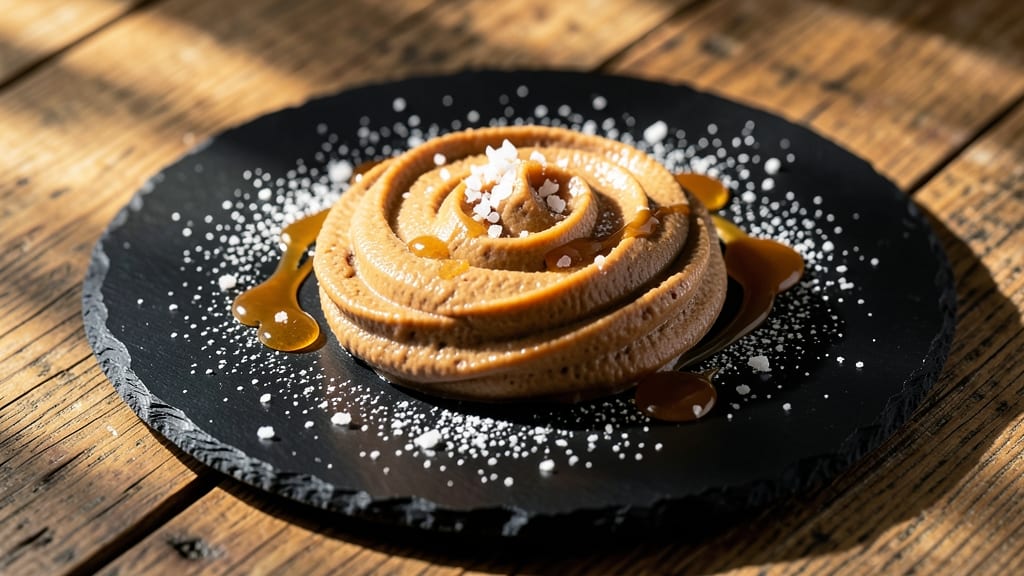
This bean paste buttercream recipe transforms humble mung bean paste into a velvety, nutty-sweet frosting that rivals traditional buttercream—without dairy or butter. 🌟 The secret lies in blending bean paste with coconut oil and plant-based milk until silky smooth, creating a frosting with rich texture and subtle earthy depth that pairs perfectly with cakes, cupcakes, or even cookies.
What makes this recipe stand out is its versatility—customize it with vanilla, cocoa powder, or citrus zest for endless flavor possibilities. The frosting holds its shape beautifully for piping but remains light enough to spread, making it ideal for both decorating and filling.
Unlike traditional buttercream, this version stays stable in warm climates and won’t melt, thanks to the natural binding properties of bean paste.
With just five simple ingredients and 10 minutes of active time, you’ll achieve a frosting that’s as impressive as it is easy to make.
The result is a creamy, spreadable topping with a delicate caramel-like sweetness and a hint of toasted nutty flavor—perfect for vegan desserts or anyone looking for a lighter alternative to heavy buttercream.
The best part? This buttercream keeps well in the fridge for up to one week, making it a foolproof solution for batch baking. Whether you’re frosting a birthday cake or adding a decorative touch to pastries, this recipe delivers professional-quality results with minimal effort. Let’s get started!
Ingredients for bean paste buttercream
Eight essential ingredients crafting a velvety, plant-based frosting with restaurant-quality depth.
| Ingredient | Amount | Notes |
|---|---|---|
| Mung Bean Paste 🌱 | 1 cup | Smooth, unsweetened variety preferred |
| Coconut Oil 🥥 | ½ cup | Refined, solid at room temperature |
| Unsweetened Almond Milk 🥛 | ½ cup | Barista-style for creaminess |
| Pure Vanilla Extract 🌿 | 1 tbsp | Bourbon or Madagascar preferred |
| Powdered Sugar 🍚 | 1 ½ cups | Fine, sifted for smooth texture |
| Pinch of Salt 🧂 | ⅛ tsp | Enhances all flavors |
| Cocoa Powder 🍫 | ¼ cup | Optional for chocolate variation |
| Lemon Zest 🍋 | 1 tsp | Fresh, for citrus brightness |
The mung bean paste is the foundation—Asian grocery stores carry the best quality in smooth, unsweetened blocks. Trader Joe's also stocks it if you prefer convenience. Avoid sweetened varieties, which can throw off the delicate balance. Coconut oil should be refined for neutral flavor; Goya or Cream of Nature brands work perfectly. For the almond milk, barista-style versions like Califia Farms create a silkier texture, but any unsweetened brand will suffice. The powdered sugar should be sifted to prevent graininess—Domino or C&H are reliable choices.
No vanilla extract? Vanilla bean paste works equally well, or use 1 tsp vanilla sugar> for a subtle difference. Substituting almond milk? Oat milk> adds creaminess, though texture may vary slightly. For a chocolate variation, Dutch-process cocoa powder like Hershey's Special Dark> enhances richness. The lemon zest can be omitted if you prefer a neutral profile, but it brightens the nutty undertones beautifully. For extra stability in warm climates, add 1 tsp arrowroot powder> to the mix.
Store in an airtight container between uses—this frosting keeps for up to 1 week> in the fridge. For longer storage, freeze portions in ice cube trays>, then transfer to a bag. Thaw overnight in the fridge for best results. The frosting thickens as it chills, so let it sit at room temperature for 10 minutes> before piping or spreading. It holds its shape perfectly for decorating but remains spreadable for filling cakes.
Why You'll Love This Recipe
- No Stand Mixer Needed: I just blend coconut oil and powdered sugar until it clumps, then fold in the mung bean paste—no fancy tools, just a whisk and elbow grease. The bean paste gives it that luscious, spreadable texture without the fuss of piping bags or electric beaters.
- Sweet-Savory Magic: That mung bean paste? It’s where the magic happens—rich, toasty, and just slightly sweet, like a cross between peanut butter and caramel. A splash of vanilla and almond milk rounds it out, but honestly, the bean paste steals the show every time.
- Cake or Toast? Yes.: Slather it on vanilla cake layers for a showstopper, or spread it thick on toast with a sprinkle of flaky salt. I’ve even used it as a filling for churros—because why should frosting have all the fun?
- Budget-Friendly Luxury: A jar of mung bean paste lasts forever, and the other ingredients? Basic pantry staples. I’ve made enough batches to frost three cakes for under $15—no pricey buttercream here, just pure, creamy indulgence without the guilt.
Step-by-step instructions for bean paste buttercream
Here's how to create a velvety, nutty-sweet buttercream with perfect texture every time.
🍳 Step 1: Warm the Mung Bean Paste and Coconut Oil
In a medium heatproof bowl, combine the 1 cup mung bean paste and 0.5 cup coconut oil. Place this bowl over a pot of simmering water (double boiler method) and heat gently for 5-7 minutes until the coconut oil melts completely and the mixture becomes smooth and homogeneous.
I like to stir occasionally with a silicone spatula—this ensures even melting without scorching. The mixture should reach a temperature of about 110-115°F (it should feel warm to the touch but not hot). This gentle heating process activates the bean paste's natural flavors while preventing any graininess in the final buttercream.
👨🍳 Step 2: Whisk in Almond Milk and Vanilla
Remove the bowl from the heat and let it cool for 2-3 minutes until slightly warm but not hot. Add the 0.5 cup unsweetened almond milk and 1 tbsp pure vanilla extract to the warm mixture. Using a hand mixer or stand mixer fitted with the whisk attachment, beat on medium-high speed for 3-4 minutes until fully incorporated and the mixture begins to thicken slightly.
This step is crucial for emulsifying the fat and liquid components. You'll notice the mixture will initially look curdled, but keep mixing—it will come together into a smooth, creamy base. If you're using a stand mixer, I recommend using the whisk attachment rather than the paddle to incorporate more air, which will give your buttercream a lighter texture.
🥘 Step 3: Gradually Add Powdered Sugar and Salt
With the mixer running on medium speed, gradually add the 1.5 cups powdered sugar and 0.125 tsp salt over 2-3 minutes. This gradual addition prevents a sugar overload that can cause the mixture to seize up. After all the powdered sugar is incorporated, increase the speed to high and beat for an additional 4-5 minutes until the buttercream becomes light, fluffy, and holds soft peaks when the beaters are lifted.
Here's the thing—this is where patience pays off. The buttercream will initially look thick and dough-like, but as you continue beating, it will transform into a smooth, glossy frosting. If the mixture seems too thick after beating, you can add 1-2 teaspoons of almond milk at a time until you reach the desired consistency. For a chocolate variation, add the 0.25 cup cocoa powder during this step.
⏰ Step 4: Incorporate Lemon Zest and Final Adjustments
Once the buttercream reaches the desired consistency, reduce the mixer speed to low and gently fold in the 1 tsp lemon zest using a silicone spatula. This final step adds a bright, citrusy note that balances the richness of the bean paste. Mix just until the lemon zest is evenly distributed—overmixing can incorporate too much air and make the buttercream too light.
Taste and adjust seasoning if needed. The buttercream should be sweet but not cloying, with a subtle nutty depth from the bean paste. If it needs more sweetness, add powdered sugar 1 tablespoon at a time until balanced. For a smoother finish, press the buttercream through a fine-mesh sieve to remove any lumps. Transfer to a piping bag fitted with your desired tip for decorating.
🍽️ Step 5: Chill and Use for Perfect Texture
For best results, refrigerate the buttercream for 30-60 minutes before using. This chilling time firms up the fat content, making it easier to pipe and preventing it from melting too quickly in warm conditions. When ready to use, give it a quick remix on medium speed for 1-2 minutes to restore its smooth, spreadable consistency.
The chilled buttercream should be thick enough to hold its shape when piped but still soft enough to spread easily. If it's too firm after chilling, let it sit at room temperature for 5-10 minutes before remixing. This buttercream keeps well in the refrigerator for up to 5 days or can be frozen for up to 3 months. For a glossy finish before serving, brush the top of your desserts with a tiny bit of almond milk.
Pro Tips For Making Bean Paste Buttercream
- Melt the Coconut Oil Slowly: I learned this the hard way—dumping cold coconut oil straight into the hot mixture makes it seize up like a stubborn child. Warm the oil first in a small bowl over barely simmering water (or microwave in 10-second bursts) until it’s liquid but not hot. Then, pour it into the bean paste while whisking like your life depends on it.
- Warm the Almond Milk First: Cold almond milk in a warm buttercream? That’s a recipe for grainy sadness. Heat the milk just enough to take the chill off (about 30 seconds in the microwave or until it’s lukewarm to the touch). This ensures the powdered sugar dissolves smoothly instead of clumping like a lazy afternoon.
- Add Powdered Sugar Gradually: I used to dump all the powdered sugar in at once, and half the time, I’d end up with a lump in the middle of my buttercream. Instead, sift it in small batches—about ¼ cup at a time—while whisking vigorously. If it still feels grainy, strain it through a fine-mesh sieve before adding it to the mix.
- Whisk Until It Shines: This isn’t just about mixing—you’re chasing that silky, professional finish. Whisk the buttercream for at least 3-5 minutes until it’s glossy and holds a peak when you lift the whisk. If it’s still dull or streaky, add a splash more almond milk and keep going. (Yes, even if your arm starts to protest.)
Best sauces and condiments for this recipe
Caramelized Onion Jam
This sweet-savory jam adds depth to your bean paste buttercream by balancing its nutty richness. Sauté 1 cup thinly sliced yellow onions in 2 tbsp coconut oil over low heat for 45 minutes until deep golden brown.
Add 2 tbsp brown sugar and 1 tbsp balsamic vinegar, then simmer for 10 minutes until thickened. Stir in 1 tsp fresh thyme leaves before cooling. Spread a thin layer between cake layers or swirl into the buttercream for a sophisticated flavor boost.
Spiced Maple Glaze
For a glossy, sticky contrast, whisk together ½ cup pure maple syrup, 1 tbsp apple cider vinegar, ½ tsp ground cinnamon, and ¼ tsp smoked paprika in a small saucepan. Simmer over medium heat for 5 minutes> until slightly thickened.
Drizzle over finished desserts or use as a filling for thumbprint cookies. The vinegar brightens the maple's sweetness while the spices complement the bean paste's earthiness.
Dark Chocolate Ganache
Melt ½ cup vegan dark chocolate chips (70% cocoa) with ¼ cup coconut cream in a heatproof bowl over simmering water. Stir until smooth, then let cool slightly. Fold 1 tbsp cocoa powder and ½ tsp instant espresso powder into the ganache for intensity.
Use to drizzle over cakes or pipe into rosettes. The chocolate's bitterness cuts through the buttercream's sweetness, creating a sophisticated flavor profile.
Citrus Curd Swirl
Whisk ½ cup fresh orange juice, ¼ cup lemon juice, ⅓ cup powdered sugar, 2 tbsp cornstarch, and 1 tbsp coconut oil in a saucepan. Cook over medium heat until thickened (5-7 minutes>), then strain through a fine-mesh sieve.
Swirl into the buttercream or use as a filling for tarts. The citrus's acidity prevents the bean paste's richness from feeling heavy.
Toasted Coconut Drizzle
Toast ½ cup unsweetened coconut flakes in a dry skillet over medium heat for 3-4 minutes> until golden. Whisk with 2 tbsp melted coconut oil and 1 tbsp maple syrup until smooth.
Drizzle over finished desserts or mix into the buttercream for texture. The toasted coconut adds crunch and enhances the buttercream's tropical notes.
Vanilla Bean Infusion
Split 1 vanilla bean, scrape the seeds, and simmer them in ¼ cup coconut milk> with 1 tbsp powdered sugar for 5 minutes>. Strain and whisk into the buttercream for an ultra-rich flavor.
The vanilla's floral notes elevate the bean paste's nutty undertones, creating a luxurious finish. For extra decadence, add ½ tsp vanilla bean paste> directly to the buttercream.
Nutrition facts
Frequently asked questions about bean paste buttercream
Can I substitute mung bean paste with other types of bean paste?
Yes, but with adjustments! Black bean paste or sweet red bean paste work, though flavors will differ. For a closer match, use 1 cup black bean paste and reduce powdered sugar to 1 cup—these pastes are sweeter. Mung bean paste offers the cleanest, most neutral base for this recipe. For extra richness, blend in 1 tbsp tahini with the bean paste before heating.
Why does my buttercream look grainy after mixing?
Graininess usually happens when coconut oil solidifies too quickly or powdered sugar isn't sifted. First, ensure your coconut oil is refined and solid at room temperature. Sift all powdered sugar and use a stand mixer with the whisk attachment. If grainy spots appear, press the mixture through a fine-mesh sieve or blend briefly with an immersion blender. Chilling the buttercream for 30 minutes before use also helps smooth out textures.
How do I make this buttercream hold its shape for piping?
For piping stability, chill the buttercream for 1-2 hours before decorating. The coconut oil solidifies slightly, creating structure. If it's too soft after chilling, add 1-2 tsp more powdered sugar and remix briefly. For warm climates, store it in the fridge until ready to use—it'll firm up perfectly. Pro tip: Use a Wilton 1M tip for clean rosettes or a star tip for intricate designs.
Can I use this buttercream for filling cakes instead of frosting?
This buttercream works beautifully as a filling—it's stable enough to hold layers together. For best results, spread a thin layer between cake layers, then chill the cake for 30 minutes before adding the final frosting. The bean paste's natural binding properties prevent leakage. For extra security, brush layers with 1 tsp almond milk before assembling to create a moisture barrier.
What's the shelf life of this buttercream in the freezer?
Frozen properly, this buttercream stays fresh for up to 3 months. Portion it into ice cube trays, freeze until solid, then transfer to a freezer bag. Thaw overnight in the fridge—never at room temperature. For best texture after freezing, remix with a hand mixer for 2-3 minutes until smooth. The coconut oil may separate slightly, but it re-emulsifies easily with gentle heating (30 seconds in microwave on low power).