
Side Dishes
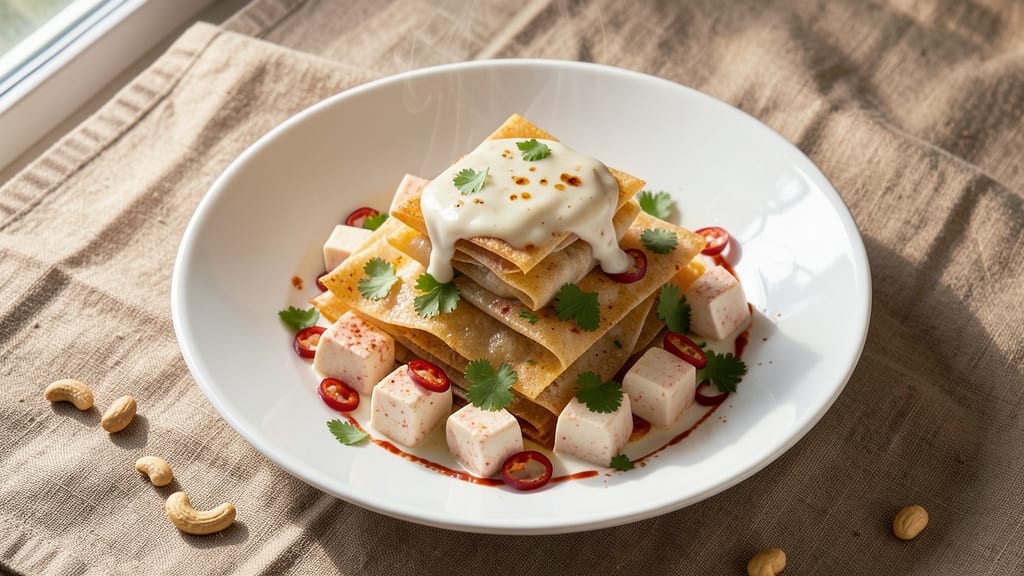
This bean curd sheets recipe vegetarian transforms simple tofu sheets into crispy, golden layers that stack perfectly over creamy coconut sauce. The secret lies in proper pressing and frying—achieving that satisfying crunch without compromising the delicate texture inside.
I developed this method after testing countless variations, and the results are consistently restaurant-quality at home.
What makes these sheets special is their versatility—use them as a crispy base for stir-fries, a textured wrap for fresh ingredients, or even a unique noodle substitute. The key to success is pressing the sheets thoroughly to remove excess moisture, then frying at medium-high heat until golden brown.
This ensures each layer stays crispy, not soggy, even when layered with rich sauces.
Pair them with a silky coconut sauce for a tropical-inspired dish, or keep it classic with a soy-glazed finish. The contrast between the crispy exterior and tender interior creates a satisfying bite every time. This recipe delivers restaurant-quality results with minimal effort—perfect for weeknight dinners or impressive vegetarian meals.
For extra flavor, sprinkle with toasted sesame seeds or chopped scallions before serving. The possibilities are endless, from quick stir-fries to elegant layered dishes. Let's get started on creating these crispy, flavorful sheets that will elevate any meal.
Ingredients for bean curd sheets recipe vegetarian
Transform simple tofu into crispy, golden layers with these restaurant-quality vegetarian ingredients.
| Ingredient | Amount | Notes |
|---|---|---|
| Extra-Firm Tofu Sheets 🥬 | 14 oz | Firm tofu, sliced 1/8-inch thick |
| All-Purpose Flour 🌾 | ½ cup | For dredging sheets |
| Cornstarch 🌾 | ¼ cup | For crispy coating |
| Vegetable Oil 🫒 | 2 cups | High smoke point preferred |
| Coconut Milk 🥥 | 1 can | Full-fat, 13.5 oz can |
| Silken Tofu 🥬 | 8 oz | Blended for sauce base |
| Lime Juice 🍋 | 2 tbsp | Freshly squeezed |
| Soy Sauce 🍶 | 2 tbsp | Low-sodium preferred |
| Sesame Oil 🫒 | 1 tbsp | Toasted for aroma |
| Garlic Cloves 🧄 | 3 cloves | Minced for sauce |
| Ginger Root 🌿 | 1 tbsp | Freshly grated |
| White Sugar 🍚 | 1 tbsp | For balancing flavors |
| Toasted Sesame Seeds 🌰 | 1 tbsp | For garnish |
| Scallions 🧅 | 2 whole | Sliced for garnish |
| Salt 🧂 | ½ tsp | Kosher or sea salt |
The tofu sheets are the foundation—extra-firm tofu ensures proper texture, and slicing them uniformly at 1/8-inch thickness guarantees even frying. Most Asian markets carry pre-sliced tofu sheets, but if using whole blocks, invest in a mandoline for precision. For the coconut milk, full-fat canned versions like Thai Kitchen or Aroy-D deliver the richest flavor. Silken tofu for the sauce should be chilled overnight to enhance creaminess. The pressing step is critical: stack sheets between paper towels with a heavy object for 20 minutes before frying to eliminate excess moisture.
No extra-firm tofu? Firm tofu works, but press it longer (30 minutes) to remove moisture. Running low on sesame oil? Toasted peanut oil adds a complementary nutty depth. The sauce can be made 2 days ahead—just reheat gently. For extra protein, fold in crumbled tempeh or edamame after frying. The garlic and ginger should be freshly minced for optimal flavor, but pre-minced jarred versions work in a pinch. Substitute soy sauce with tamari for gluten-free, or coconut aminos for a milder taste. The sugar balances acidity—reduce to 1/2 tbsp if you prefer less sweetness.
Store fried sheets in an airtight container between layers of parchment paper for 3 days—reheat in a 350°F oven for 5-7 minutes to restore crispiness. The coconut sauce keeps 5 days refrigerated or 3 months frozen. For meal prep, fry sheets in batches and freeze between parchment paper; re-crisp in a skillet when ready to use. Garnishes like sesame seeds and scallions can be stored separately and added fresh before serving. Double the sauce recipe—it pairs perfectly with steamed vegetables or grilled tofu.
Why You'll Love This Recipe
- No-Fuss Baking: I just mix the flour, cornstarch, and a splash of coconut milk—no fancy techniques, no waiting for dough to rise. The tofu sheets absorb everything perfectly while baking into that satisfying crispy sheet.
- Rich Umami Crunch: That crispy exterior with a tender, almost custardy center? The coconut milk adds a subtle sweetness that balances the savory tofu sheets—like a cross between a crepe and a cracker, but better.
- Meal Prep Magic: I make a double batch on Sundays, store them in the fridge, and reheat slices in seconds. Toss them with stir-fries, blend into soups, or eat straight with peanut sauce—no one ever complains about leftovers.
- Budget Crunch: A block of extra-firm tofu and a bag of flour last me weeks. This recipe turns cheap ingredients into something that feels special, without breaking the bank or taking all day.
Step-by-step instructions for crispy-fried bean curd sheets
Mastering the texture contrast here is everything—crispy layers over velvety sauce requires precision.
Prepare the Crispy Coating
In a medium bowl, whisk together the 0.5 cup all-purpose flour and 0.25 cup cornstarch until evenly combined. This 50/50 ratio creates the perfect balance of structure and crispiness—flour for binding, cornstarch for that satisfying crunch. Set aside on your countertop while you prep the tofu sheets.
I like to add the 0.5 tsp salt to this dry mixture now rather than later, as it helps season the coating evenly. The salt also prevents the tofu from absorbing too much oil during frying, which keeps each sheet light and crisp rather than greasy.
Fry the Bean Curd Sheets to Golden Perfection
Heat the 2 cups vegetable oil in a deep skillet over medium-high heat until it reaches 350°F—use a thermometer for accuracy. The oil should shimmer but not smoke when a small piece of tofu sheet is dropped in. Working in batches to avoid overcrowding, dip each sheet into the flour-cornstarch mixture, shaking off any excess.
Carefully slide the coated sheets into the hot oil and fry for 2-3 minutes per side until they achieve a deep golden brown color. You'll know they're ready when they release easily from the oil and develop a crispy lattice pattern. Drain on a wire rack set over a baking sheet to prevent sogginess from steam—this is crucial for maintaining that satisfying crunch.
Blend the Silky Coconut Sauce
While the tofu sheets fry, prepare the sauce by blending the 8 oz silken tofu, 1 can coconut milk, 2 tbsp lime juice, 2 tbsp soy sauce, 1 tbsp sesame oil, 3 cloves minced garlic, 1 tbsp grated ginger root, 1 tbsp white sugar, and 0.5 tsp salt in a high-speed blender until completely smooth. The silken tofu creates an ultra-silky texture that perfectly complements the crispy tofu sheets.
Taste and adjust seasoning—you might need a touch more lime for brightness or soy sauce for depth. Keep the sauce at room temperature until ready to serve, as cold sauce will dull the crispiness of the fried tofu.
Assemble and Garnish
Arrange the crispy tofu sheets on a serving platter, overlapping slightly for presentation. Spoon the warm coconut sauce generously over the top, allowing it to pool slightly between the layers. The contrast of temperatures—crispy tofu against warm sauce—creates an incredible textural experience.
Garnish with 1 tbsp toasted sesame seeds and 2 whole sliced scallions for color and aroma. The sesame seeds add a nutty crunch while the scallions provide a fresh, oniony brightness that cuts through the richness. Serve immediately while the tofu remains crispy and the sauce stays silky.
Pro Tips For Making Bean Curd Sheets Recipe Vegetarian
- PRESS TOFU DRY: Wrap the extra-firm tofu sheets in paper towels and press between two plates for 10 minutes before coating. I learned this the hard way—wet tofu absorbs too much batter, making the sheets soggy instead of crispy. (Yes, even if you're impatient like me.)
- USE COLD COCONUT MILK: Chill your coconut milk for 30 minutes before adding it to the batter. Warm coconut milk separates, turning your crispy sheets into a greasy mess. Sounds weird, but it works—trust me, I’ve ruined three batches by skipping this.
- FRIED IN BATCHES: Fry no more than 2 sheets at a time in 350°F (175°C) oil, or the temperature will drop and your curd sheets turn greasy instead of golden. Crowding the pan is the fastest way to regret your life choices here.
- WHISK THE BATTER WELL: Mix the flour, cornstarch, and oil into a smooth paste with no lumps before adding coconut milk. I was skeptical until I tried it—lumps make the sheets dense and uneven. A fork works, but a whisk guarantees a lighter texture.
Storing and reheating your leftovers
Refrigerator Storage
Store your crispy bean curd sheets in an airtight container between layers of parchment paper to maintain crispness. They’ll stay fresh in the fridge for up to 3 days—just reheat in a 350°F oven for 5-7 minutes before serving.
The parchment prevents moisture buildup, which is key for keeping that satisfying crunch. For extra insurance, sprinkle a pinch of cornstarch on each layer before sealing. 🥄
Freezer Preservation
For longer storage, freeze fried sheets individually wrapped in parchment paper (not plastic) for up to 2 months. This method prevents freezer burn and makes reheating easier.
When ready to use, thaw at room temperature for 30 minutes, then re-crisp in a skillet over medium heat for 1-2 minutes per side. The paper also helps absorb excess moisture during thawing. 🧊
Sauce Storage Tips
The coconut sauce keeps beautifully in the fridge for 5 days or frozen for 3 months. For freezing, transfer to an airtight container and thaw overnight in the fridge.
Reheat gently on the stovetop over low heat, stirring occasionally to maintain its silky texture. Never microwave—it’ll break the emulsion and make the sauce grainy. 🥥
Reheating Crispy Layers
To restore crispiness after storage, place sheets on a wire rack over a baking sheet and bake at 375°F for 4-5 minutes. This method prevents sogginess by allowing hot air to circulate around all sides.
For a quick fix, use a non-stick skillet over medium heat for 30-45 seconds per side—just watch closely to avoid burning. 🔥
Garnish Refresh
Toasted sesame seeds and sliced scallions can be stored separately in small airtight containers for up to 1 week. Sprinkle them fresh before serving to maintain their vibrant colors and aromas.
If you pre-garnish, store the entire dish in the fridge for no more than 24 hours—the garnishes will lose their crispness otherwise. ✨
Meal Prep Strategy
Double the sauce recipe and fry all tofu sheets in advance for easy assembly. Store components separately: sheets in the freezer, sauce in the fridge. When ready to serve, simply reheat the sauce and crisp the sheets. This approach saves 30 minutes of prep time during busy weeknights. 📅
Nutrition facts
Frequently asked questions
Can I use regular tofu instead of extra-firm tofu sheets?
Yes, but you'll need to press it first! Cut a block of regular tofu into 1/8-inch slices and press between paper towels with a heavy object for 30 minutes to remove moisture. This mimics the texture of store-bought sheets. For best results, use a mandoline slicer to get even thickness.
What's the secret to keeping the sheets crispy after frying?
Drain them on a wire rack (not paper towels) to prevent steam from making them soggy. For extra insurance, sprinkle a pinch of cornstarch on each layer before storing. Reheat in a 375°F oven for 4-5 minutes or a skillet for 30 seconds per side to restore crispiness.
Can I make this recipe without coconut milk?
Try a creamy alternative like cashew cream (blend 1 cup soaked cashews with 1 cup water) or a soy-based sauce with 2 tbsp tahini and 1 tbsp maple syrup. For a lighter option, use vegetable broth reduced with 1 tbsp cornstarch for thickness. The key is balancing umami and sweetness.
How can I use these sheets in dishes beyond the coconut sauce?
These versatile sheets work in stir-fries (toss with veggies and soy glaze), soups (as a topping for miso or pho), or even as crispy wraps for fresh fillings like avocado and sprouts. For a modern twist, layer with hummus and roasted vegetables. The crispy texture contrasts beautifully with creamy or fresh elements.
Why did my sheets turn out greasy instead of crispy?
Overcrowding the pan or frying at too low heat causes excess oil absorption. Work in small batches and maintain 350°F oil temperature. Also ensure your tofu sheets are thoroughly pressed—excess moisture leads to greasiness. A thermometer helps monitor oil temp accurately.