
Side Dishes
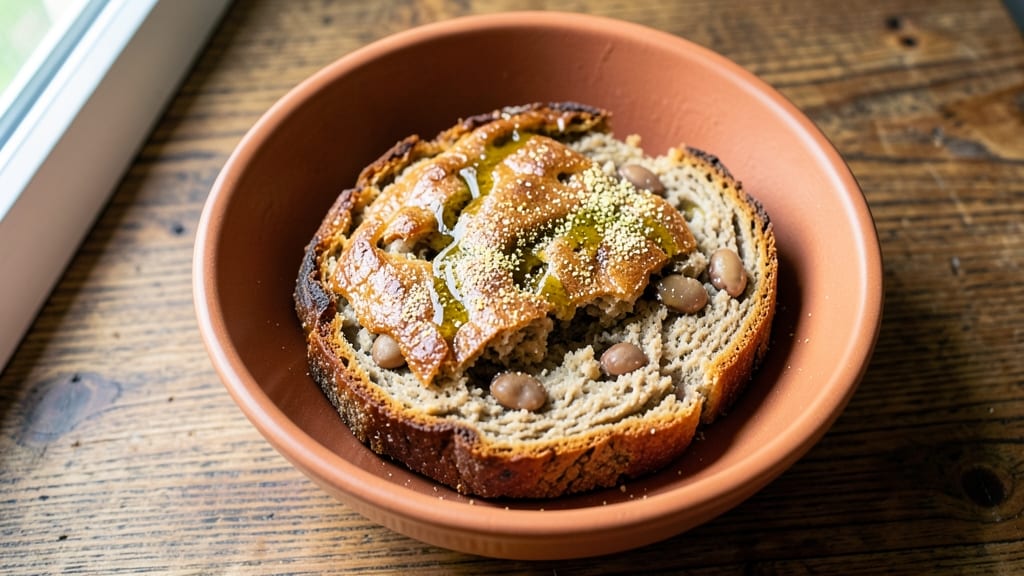
This bean bread recipe transforms humble legumes into a hearty, protein-rich loaf that rivals traditional bread while keeping it gluten-free and vegan.
The secret lies in blending cooked beans with whole grains and binding agents to create a texture that's both moist and sturdy, perfect for sandwiches or sides. I developed this recipe after years of searching for a satisfying plant-based bread that didn't rely on refined flour or dairy substitutes.
The beauty of this bean bread is its versatility—it works equally well as a main dish with avocado or as a base for open-faced sandwiches. With no gluten, eggs, or dairy, it delivers substantial flavor and texture without compromise.
The key technique involves properly mashing the beans and toasting the grains to create a rich, nutty foundation that holds together beautifully in the oven.
What you'll end up with is a golden-brown loaf with a crusty exterior and a soft, slightly dense interior—think of it as a cross between cornbread and rye, but with double the protein.
The aroma alone will have everyone asking for seconds, and the taste proves that plant-based bread can be just as hearty as traditional loaves.
Serve warm with vegan butter, alongside soups, or as the star of a build-your-own sandwich bar. This recipe delivers restaurant-quality results at home with minimal effort—perfect for meal preppers or anyone looking to expand their plant-based pantry. Let's get baking!
Ingredients for bean bread
Transform humble legumes into a protein-rich loaf with these carefully selected vegan ingredients.
| Ingredient | Amount | Notes |
|---|---|---|
| Cooked Great Northern Beans 🌾 | 2 cups | Drained, mashed to chunky consistency |
| Brown Rice Flour 🍚 | 1 ½ cups | Unbleached for optimal texture |
| Flaxseed Meal 🌿 | ¼ cup | Ground fresh for binding |
| Water 💧 | ¾ cup | Room temperature preferred |
| Extra-Virgin Olive Oil 🫒 | ¼ cup | Cold-pressed for flavor |
| Nutritional Yeast 🧀 | ½ cup | Fortified for umami depth |
| Garlic Powder 🧄 | 2 tsp | Freshly ground preferred |
| Onion Powder 🧅 | 2 tsp | Diamond Crystal preferred |
| Smoked Paprika 🌶️ | 1 tsp | For subtle smokiness |
| Ground Flaxseed 🌿 | 2 tbsp | Acts as egg substitute |
| Apple Cider Vinegar 🍎 | 1 tbsp | For rise activation |
| Sea Salt 🧂 | 1 ½ tsp | Maldon preferred for texture |
| Black Pepper 🌶️ | ½ tsp | Freshly cracked preferred |
| Ground Cinnamon 🌿 | ½ tsp | Ceylon preferred for purity |
| Crushed Walnuts 🥜 | ¼ cup | Toasted for nutty crunch |
The foundation of this bean bread lies in the great northern beans—their high starch content creates a robust, bread-like texture when properly mashed. Opt for dried beans from specialty stores like Whole Foods or Trader Joe's for superior flavor; canned beans work in a pinch but may dilute the final product's integrity. The brown rice flour from Bob's Red Mill provides the necessary structure without gluten, while flaxseed meal serves as the binding agent, replacing eggs entirely. For optimal results, toast the rice flour in a dry pan until fragrant—this enhances its nutty depth and improves moisture absorption during baking. The nutritional yeast from Bragg isn't just for cheesiness; it boosts the bread's protein content and adds a savory complexity that elevates the entire loaf.
No flaxseed meal? Chia seeds ground to a fine powder work as a 1:1 substitute, though they yield a slightly denser crumb. Brown rice flour unavailable? Buckwheat flour or sorghum flour provide similar texture, though the flavor profile shifts noticeably. The apple cider vinegar is critical for activating the rise—substitute with white vinegar if needed, but avoid lemon juice as its acidity alters the final pH. For those avoiding walnuts, pecans or almonds toasted to the same degree create comparable crunch. The smoked paprika from Penzeys adds depth without overpowering; regular paprika works but lacks that subtle smokiness that makes this bread feel restaurant-quality. All spices should be freshly ground or toasted to maximize their aromatic compounds.
This loaf develops its signature crust and interior moisture during the first 30 minutes of baking, so resist opening the oven door. Once cooled, wrap tightly in parchment paper and store at room temperature for up to 3 days—the flavor intensifies overnight as the starches retrogradate. For longer storage, freeze sliced portions in airtight containers for up to 3 months. The bread reheats beautifully: wrap slices in foil and warm in a 350°F oven for 5 minutes to restore its crusty exterior. Portion into individual wraps for sandwiches or toast directly—its dense yet tender crumb makes it ideal for avocado mash or hummus spreads, though it holds up well to even heartier toppings like grilled portobello mushrooms or spicy lentil salad
Why You'll Love This Recipe
- I’ll be real: this recipe uses ingredients I already have. Brown rice flour, beans, and flaxseed? All budget-friendly, and the olive oil stretches far. Plus, it’s one of those dishes that tastes better the next day—so I make a big batch and save money and time.
- No-Fuss Mixer Magic: I swear by this recipe when I’m too tired to measure cups. Just toss the cooked beans, brown rice flour, and flaxseed meal into a bowl, add water and olive oil, and let the mixer do the work—no kneading, no stress.
- Earthy Crunch Surprise: Honestly, I wasn’t expecting much from bean bread, but the brown rice flour gives it this perfect crumbly-yet-slightly-chewy texture, while the olive oil keeps it rich without tasting greasy. The beans add a subtle, satisfying depth—like a hug in bread form.
- Lunchbox Hero: Between us, this bread is my go-to for sandwiches, toast, or even as a side for soups. It holds up amazingly in the fridge, and I’ve packed it for work with zero complaints—my kids even ask for it now. (Yes, even on a Tuesday night.)
Step-by-step instructions for bean bread recipe
This protein-rich loaf combines hearty beans with gluten-free grains for a dense, satisfying bread.
Prepare the Bean Base
In a food processor, combine the 2 cups Cooked Great Northern Beans and pulse until you achieve a chunky consistency with small bean pieces remaining. This texture ensures the bread stays moist while maintaining structure. Transfer the mashed beans to a large mixing bowl.
Add the 0.25 cup Flaxseed Meal and 2 tbsp Ground Flaxseed to the bowl. These ingredients act as a binder and egg substitute, creating a cohesive dough without gluten. Stir vigorously with a wooden spoon for 2 minutes until the flaxseed forms a gel-like consistency when combined with the beans.
Combine Wet and Dry Ingredients
To the bean mixture, add the 0.75 cup Water, 0.25 cup Extra-Virgin Olive Oil, 1 tbsp Apple Cider Vinegar, 0.5 cup Nutritional Yeast, 1.5 tsp Sea Salt, 0.5 tsp Black Pepper, 0.5 tsp Ground Cinnamon, 2 tsp Garlic Powder, 2 tsp Onion Powder, and 1 tsp Smoked Paprika. Mix thoroughly until all dry ingredients are fully incorporated and no flour pockets remain.
Next, gently fold in the 1.5 cups Brown Rice Flour using a spatula. The dough will be thick and sticky, similar to wet cake batter. Avoid overmixing—just combine until the flour disappears. The brown rice flour provides structure while keeping the bread gluten-free.
Fold in Walnuts and Prepare for Baking
Stir in the 0.25 cup Crushed Walnuts last, reserving a small handful for topping. The walnuts add texture and nutty depth to each bite. Transfer the dough to a greased 9x5-inch loaf pan, spreading it evenly. Sprinkle the reserved walnuts over the top for added crunch.
Cover the pan loosely with plastic wrap and let the batter rest at room temperature for 30 minutes. This allows the flaxseed to fully activate and the flour to hydrate properly. The dough will remain thick but slightly more cohesive after resting.
Bake to Golden Perfection
Preheat your oven to 350°F. Bake the loaf for 50-55 minutes until the top is golden brown and a toothpick inserted into the center comes out clean. The bread's dense nature means it requires longer baking than traditional bread to ensure even doneness throughout.
For the final 5 minutes of baking, tent the loaf with aluminum foil if the top begins to brown too quickly. This prevents over-browning while allowing the center to finish cooking. Remove from the oven and let cool in the pan for 10 minutes before transferring to a wire rack.
Rest and Serve
Allow the loaf to cool completely before slicing, as the dense texture requires time to set properly. The bread will have a moist crumb with a slightly crisp crust. Each slice should hold its shape well while maintaining a tender, bean-rich interior.
This bread pairs beautifully with soups, stews, or as a hearty side. Store leftovers wrapped tightly in the refrigerator for up to 5 days or freeze for longer storage. The nutty, slightly sweet flavor comes from the combination of beans, walnuts, and cinnamon.
Pro Tips For Making Bean Bread
- Mash Beans Thoroughly: I learned this the hard way—lumpy beans mean a dense, uneven crumb. Use a potato masher or fork to break them down until smooth, then give it one final pass with a fork to mimic the texture of canned beans. The goal isn’t puree; it’s a uniform, spreadable consistency that binds the bread properly.
- Toast the Rice Flour: Skip this, and your bread will taste flat. Dry-toast the brown rice flour in a skillet over medium heat for 3–4 minutes, stirring constantly, until it smells nutty and deepens in color. It’s the thing that makes this bread taste like actual bread, not a sad, floury brick.
- Measure Flaxseed Precisely: Flaxseed meal is finicky—too much, and your bread turns gummy; too little, and it collapses. Weigh it out (1 tablespoon = 6 grams) and sift it through a fine-mesh sieve to break up clumps. No scale? Use a coffee scoop, but don’t eyeball it—this isn’t the time to guess.
- Bake Low and Slow: High heat = a crusty exterior and a raw center. Preheat to 350°F (175°C) and bake for 50–60 minutes, tenting with foil for the first 30 if your oven runs hot. The internal temp should hit 205°F (96°C)—yes, lower than usual, but this dense bread needs patience to set properly.
Wine and beer pairings for these flavors
Crisp White Wine
This bean bread’s earthy, nutty profile pairs beautifully with a dry Riesling or Sauvignon Blanc from New Zealand. The acidity in these wines cuts through the richness of the walnuts and beans, while their mineral notes complement the bread’s toasted rice flour.
I love a Kim Crawford Sauvignon Blanc—its citrusy brightness refreshes the palate after each bite. 🍷
Malty Amber Ale
For beer lovers, a hoppy amber ale like Dogfish Head 60 Minute IPA or New Belgium Fat Tire works wonders. The beer’s caramel malt sweetness mirrors the bread’s nutty depth, while the hop bitterness balances the bean’s earthiness.
Serve slightly chilled to enhance the contrast between the bread’s warmth and the beer’s crispness. 🍺
Red Wine Contrast
Surprisingly, a light-bodied Pinot Noir from Oregon or Burgundy elevates this dish. The wine’s red fruit notes harmonize with the bread’s subtle smokiness from the smoked paprika, while its acidity prevents the meal from feeling too heavy.
Look for a La Crema Pinot Noir—its delicate tannins and bright acidity make it an unexpected but perfect match. 🍇
Cider Pairing
A dry hard cider like Angry Orchard Crisp Apple or Woodchuck Hard Cider offers a refreshing alternative. The cider’s crisp apple acidity cleanses the palate between bites, while its slight sweetness complements the bread’s nutty, slightly sweet undertones. This pairing feels especially seasonal during autumn months. 🍏
Spiced Coffee
For a non-alcoholic option, a dark roast coffee with a cinnamon stick and vanilla bean enhances the bread’s warm spices. The coffee’s bitterness contrasts the bread’s richness, while the cinnamon and vanilla echo the ground cinnamon and smoked paprika in the recipe. Brew a French press for maximum depth. ☕
Herbal Tea Balance
An earl grey tea with lemon slices provides a sophisticated, caffeine-free pairing. The bergamot’s citrus notes brighten the bread’s earthy flavors, while the tea’s tannins create a satisfying contrast. Steep for 3-4 minutes to achieve the perfect balance of floral and citrus. 🍵
Nutrition facts
Frequently asked questions
Can I use canned beans instead of dried for this recipe?
Yes, but with a few adjustments. Drain and rinse 2 (15-ounce) cans of Great Northern beans thoroughly to remove excess sodium. For best texture, mash them slightly before mixing to mimic the chunky consistency of cooked dried beans. The flavor will be slightly milder than dried beans, but it still works well.
Why does my bean bread turn out too dense or crumbly?
Overmixing the dough or skipping the 30-minute rest are common culprits. The flaxseed needs time to fully gel, and the brown rice flour requires proper hydration. For a lighter texture, ensure your beans are well-mashed but not puréed, and fold the flour gently until just combined. A splash of extra water (1 tbsp) can help if the dough feels too dry.
How do I make this gluten-free bread nut-free?
Simply omit the walnuts entirely—no substitution is needed. The recipe's structure comes from the beans, rice flour, and flaxseed, so the texture remains intact. For extra flavor, add 1 tsp sesame seeds or 1 tbsp pumpkin seeds as a topping instead. The bread will still be hearty and satisfying.
Can I bake this in a different pan shape?
Yes, but adjust baking time accordingly. For a 9-inch round cake pan, bake 40-45 minutes at 350°F, while an 8x8-inch square pan requires 35-40 minutes. Grease the pan well and reduce the oven temperature by 25°F if using dark-colored pans to prevent over-browning. The loaf's height may vary slightly, but the texture stays consistent.
What's the best way to reheat sliced bean bread?
Wrap slices in foil and warm in a 350°F oven for 5-7 minutes to restore crispness. For a quicker method, toast in a dry skillet over medium heat for 2 minutes per side. Avoid microwaving—it turns the bread rubbery. The bread reheats best when slightly warm, not piping hot.