
Soups & Stews
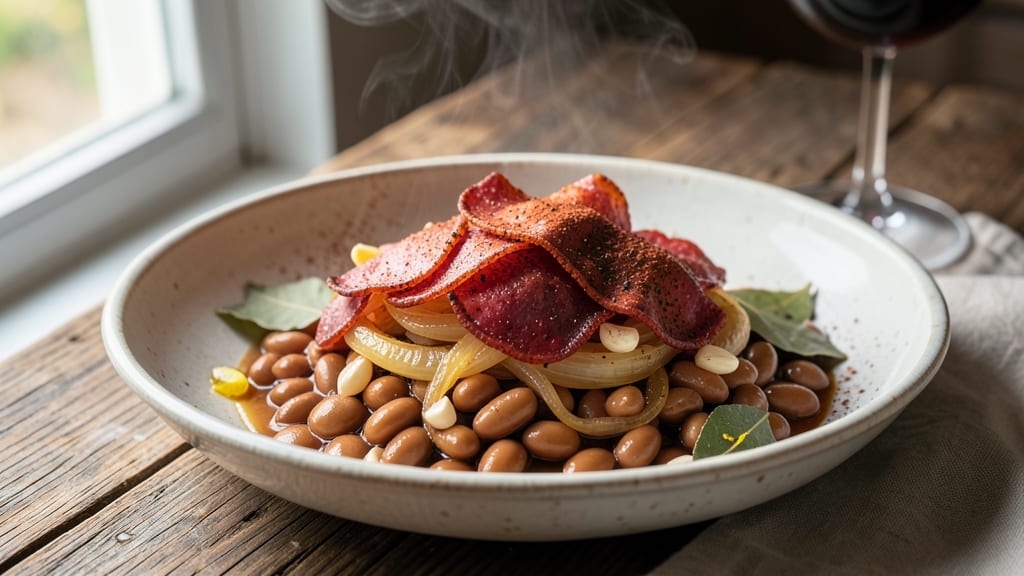
This Basque pinto bean recipe transforms humble ingredients into a deeply satisfying stew that captures the heart of northern Spain. 🔥 The secret lies in slow-simmering the beans with smoked paprika and garlic until they're tender yet still hold their shape, creating a dish that's both rustic and refined.
What makes this recipe special is the balance of smoky, earthy flavors from the chorizo and the subtle sweetness of the beans themselves.
Traditionally prepared in Basque country, this dish is often served with crusty bread to soak up every last drop of that rich, smoky broth. The chorizo adds pockets of savory, spiced meat that contrasts beautifully with the tender beans and caramelized onions.
What you'll end up with is a comforting, hearty meal that's perfect for chilly evenings or family gatherings.
The beauty of this recipe lies in its simplicity—just a handful of ingredients that come together over time to create something extraordinary.
The slow cooking process allows all the flavors to meld perfectly, resulting in beans that are tender yet still hold their shape, surrounded by a fragrant broth infused with garlic, paprika, and the smoky essence of chorizo.
This dish pairs wonderfully with a glass of local Basque wine or a crisp white wine, enhancing the flavors even further. Whether you're serving it as a main course or a side dish, these Basque pinto beans are sure to become a staple in your meal rotation.
Let's get started on creating this flavorful masterpiece!
Ingredients for basque pinto bean
Humble beans, smoky chorizo, and simple pantry staples create this Basque classic.
| Ingredient | Amount | Notes |
|---|---|---|
| Dried Pinto Beans 🌾 | 1 ½ cups | Rinsed before soaking |
| Spanish Chorizo 🌭 | ½ lb | Vegetarian chorizo preferred |
| Yellow Onion 🧅 | 1 whole | Diced into small pieces |
| Garlic Cloves 🧄 | 4 cloves | Minced for even distribution |
| Smoked Paprika 🌶️ | 2 tbsp | Sweet or hot variety |
| Bay Leaves 🍃 | 2 whole | Fresh for best flavor |
| Tomato Paste 🍅 | ¼ cup | Smooth consistency preferred |
| Red Wine Vinegar 🍷 | 1 tbsp | For acid balance |
| Olive Oil 🫒 | ¼ cup | Extra-virgin for richness |
| Vegetable Broth 💧 | 4 cups | Low-sodium preferred |
| Salt 🧂 | 1 tsp | Kosher or sea salt |
| Black Pepper 🌶️ | ½ tsp | Freshly ground preferred |
| Crusty Bread 🍞 | 1 loaf | For serving, optional |
The beans are the heart of this dish, so don't skimp on quality. Bob's Red Mill or Anthony's Goods dried beans work perfectly—they're consistently high-quality. For the chorizo, vegetarian chorizo is a must (look for brands like Field Roast or Trader Joe's vegetarian chorizo). The smoked paprika should be vibrant red—Penzeys or La Boîte are great sources. Fresh bay leaves make a noticeable difference, so grab a few extra if you're making this again soon.
No smoked paprika? Regular paprika plus a pinch of liquid smoke works in a pinch. Out of vegetarian chorizo? Mushrooms marinated in soy sauce and smoked paprika can mimic that meaty, smoky depth. The tomato paste can be substituted with 1/4 cup tomato sauce, though it'll be slightly less concentrated. For the wine vinegar, balsamic vinegar at half the amount adds a different but still pleasant tang. The vegetable broth should be low-sodium—Imagine or Pacific Foods are reliable brands that won't overpower the dish.
The beans keep well in the fridge for 4-5 days in their cooking liquid, which makes this a great make-ahead dish. For longer storage, freeze portions for up to 3 months. The broth actually tastes better the next day as flavors meld. Serve with the crusty bread on the side—it's perfect for soaking up every last drop of that smoky, garlicky goodness. Double the recipe if you're feeding a crowd; it reheats beautifully.
Why You'll Love This Recipe
- One-Pot Magic: I swear by this recipe when I’m too tired to scrub pots—just toss everything in one deep skillet, let it simmer, and walk away. The chorizo crumbles right into the beans, so no extra straining or fussing.
- Smoky, Savory Bomb: That smoked paprika and chorizo combo? It’s like a flavor grenade in the best way—deep, earthy, and just a little spicy without being overwhelming. The beans soak up all the richness, making every bite feel like a hug.
- Meal Prep MVP: Between us, this is my go-to for lunch all week. The flavors actually get better as it sits, and I can reheat portions straight from the fridge—no soggy beans here. (Yes, even on a Tuesday night.)
- Budget-Friendly Powerhouse: Dried pinto beans and chorizo stretch for miles, and I’m always left with seconds. Honestly, it’s the kind of dish that makes me feel fancy without breaking the bank—especially when I serve it with crusty bread.
Step-by-step instructions for Basque pinto beans
Transform simple ingredients into rich, smoky Basque-style beans with deep chorizo flavor.
🔥 Step 1: Soak and Parboil the Pinto Beans
Rinse the 1.5 cups dried pinto beans under cold water to remove any debris. Place them in a large bowl and cover with plenty of cold water—at least 3 inches above the beans. Let them soak overnight in the refrigerator for maximum tenderness.
After soaking, drain and rinse the beans again. Transfer them to a large pot and cover with fresh cold water by 2 inches. Bring to a boil over high heat, then immediately reduce to medium-high heat and boil vigorously for 2 minutes. This quick parboil removes excess starches that can make the beans gummy later. Drain thoroughly and set aside.
🍳 Step 2: Build the Smoky Base with Chorizo and Aromatics
Heat the 0.25 cup olive oil in a large Dutch oven over medium heat. Add the 0.5 lb Spanish chorizo, sliced into ¼-inch rounds, and cook for 5 minutes until the fat begins to render and the chorizo turns golden. Remove the chorizo with a slotted spoon and set aside, leaving the rendered fat in the pot.
In the same pot, add the diced yellow onion and cook for 4-5 minutes until softened and translucent. Add the 4 minced garlic cloves and cook for 30 seconds until fragrant. Stir in the 2 tbsp smoked paprika and cook for 1 minute until the spices are toasted and aromatic. This base will carry the smoky depth of the dish.
🥘 Step 3: Simmer the Beans with Flavorful Broth
Return the drained beans to the pot along with the cooked chorizo. Add the 4 cups vegetable broth, 2 whole bay leaves, 0.25 cup tomato paste, 1 tbsp red wine vinegar, 1 tsp salt, and 0.5 tsp black pepper. Stir well to combine, ensuring the tomato paste dissolves completely into the broth.
Bring the mixture to a boil over high heat, then immediately reduce to low heat. Cover the pot and let it simmer gently for 1 hour 15 minutes, stirring occasionally. The beans are done when they're tender but not mushy, and the liquid has reduced slightly to a thick, saucy consistency. If the beans absorb the liquid too quickly, add ½ cup hot water to maintain moisture.
⏰ Step 4: Rest and Serve with Crusty Bread
Remove the 2 bay leaves and discard them. Let the beans rest off the heat for 10 minutes to allow the flavors to meld. This resting period is crucial—it lets the beans absorb any remaining liquid and develop their full, rich taste.
Taste and adjust seasoning if needed, adding more salt or red wine vinegar for balance. Serve the beans warm in deep bowls, garnished with additional chorizo slices if desired. The 1 loaf crusty bread is perfect for soaking up every bit of that smoky, savory broth.
Pro Tips For Making Basque Pinto Bean
- SOAK BEANS OVERNIGHT: Pinto beans soften faster and digest easier when soaked 8–12 hours—just cover them with cold water in a bowl. I used to skip this and end up with beans that were mushy but never tender; soaking changes everything.
- CRISPY CHORIZO FIRST: Slice the Spanish chorizo into ¼-inch rounds, then cook them in a dry pan over medium-high heat until the edges crisp. This adds depth of flavor and prevents the beans from turning into a bland, greasy stew.
- SWIM THE ONIONS: Sauté the onions until they’re translucent but not brown—then pour in a splash of water or broth to deglaze. This keeps them sweet and caramelizes them later when the beans simmer, not when they burn.
- PAPRIKA AFTER SIMMERING: Stir in the smoked paprika after the beans have softened and absorbed the chorizo’s fat. Adding it earlier burns the flavor, and doing it late lets the spice bloom without overpowering the dish.
Pro cooking tips for perfect results
Smoke Infusion Secrets
For maximum smoky depth, toast the smoked paprika in the dry pot for 1-2 minutes before adding oil—this releases its aromatic compounds. I also recommend adding ½ tsp liquid smoke (like La Choy) directly to the simmering broth for an extra layer of complexity.
The chorizo's natural smoke pairs beautifully with this technique. 🔥
Bean Texture Control
To prevent mushy beans, never let the pot boil uncovered after adding broth. Maintain a gentle simmer (small bubbles) and stir every 15 minutes to prevent sticking.
If the beans are still firm after 1 hour 15 minutes, add ½ cup hot water and continue simmering for another 15 minutes. The goal is creamy but intact beans.
Chorizo Rendering Hack
For extra flavor, slice the chorizo thinly (⅛-inch thick) instead of rounds. This increases surface area, allowing more fat to render into the broth. I also like to crush 1-2 slices lightly with a fork before adding them back to the pot—this distributes the flavor more evenly.
Save the rendered fat for future dishes!
Broth Reduction Timing
The magic happens in the final 30 minutes of cooking. Reduce the heat to lowest setting and let the broth thicken naturally. If it reduces too quickly, add 2 tbsp hot broth at a time.
This creates a rich, velvety sauce that coats the beans perfectly. Taste the broth alone—it should be deeply flavorful before adding beans.
Acid Balance Adjustment
The red wine vinegar is crucial for cutting through the richness. If your beans taste flat, add ½ tsp more vinegar at the end. For a sweeter note, stir in 1 tsp honey during the last 10 minutes of cooking.
This balances the smokiness beautifully. I often adjust this based on the chorizo's natural saltiness.
Equipment Essentials
Use a heavy-bottomed Dutch oven (like Le Creuset) to prevent scorching. A fine-mesh strainer helps remove excess starches during the parboil. For stirring, a wooden spoon prevents scratching the pot. These small upgrades make a huge difference in texture and flavor development. ✨
Nutrition facts
Frequently asked questions
Can I use canned beans instead of dried for this Basque recipe?
While you can use canned pinto beans, the texture and flavor won't be as authentic. Canned beans lack the earthy depth developed during overnight soaking and slow simmering. If you must use canned, opt for low-sodium varieties and add them during the last 30 minutes of cooking to prevent mushiness. For best results, stick with dried beans—they're worth the extra time!
What makes this Basque version different from regular pinto beans?
The smoky depth comes from smoked paprika and Spanish chorizo, plus the red wine vinegar that brightens the dish. Traditional Basque cooking emphasizes slow simmering to develop complex flavors—this version has a richer, more aromatic broth than standard recipes. The 1 hour 15 minutes cooking time is key for perfect texture and flavor melding.
How do I store leftovers and reheat them?
Store leftovers in an airtight container in the fridge for up to 4-5 days, or freeze for 3 months. To reheat, warm gently on the stove with 2 tbsp water per cup of beans until hot—never microwave directly. The broth will thicken nicely when reheated, making it even more flavorful. Pro tip: Add a splash of broth to the pot before reheating for extra moisture!
Can I make this recipe vegetarian?
Replace the chorizo with vegetarian chorizo or mushrooms marinated in soy sauce and smoked paprika for a meaty texture. For extra umami, add 1 tbsp nutritional yeast when simmering. The dish will still have that signature smoky depth while being completely plant-based. Just ensure your smoked paprika is vegetarian-friendly (some brands contain animal products).
Why do my beans turn out mushy?
Mushy beans usually happen from either overcooking or uneven heat. Always maintain a gentle simmer (small bubbles) and stir every 15 minutes to prevent sticking. If using dried beans, start checking tenderness at 1 hour—they're done when they're creamy but still hold shape. For canned beans, reduce cooking time to 20-30 minutes only.