
Side Dishes
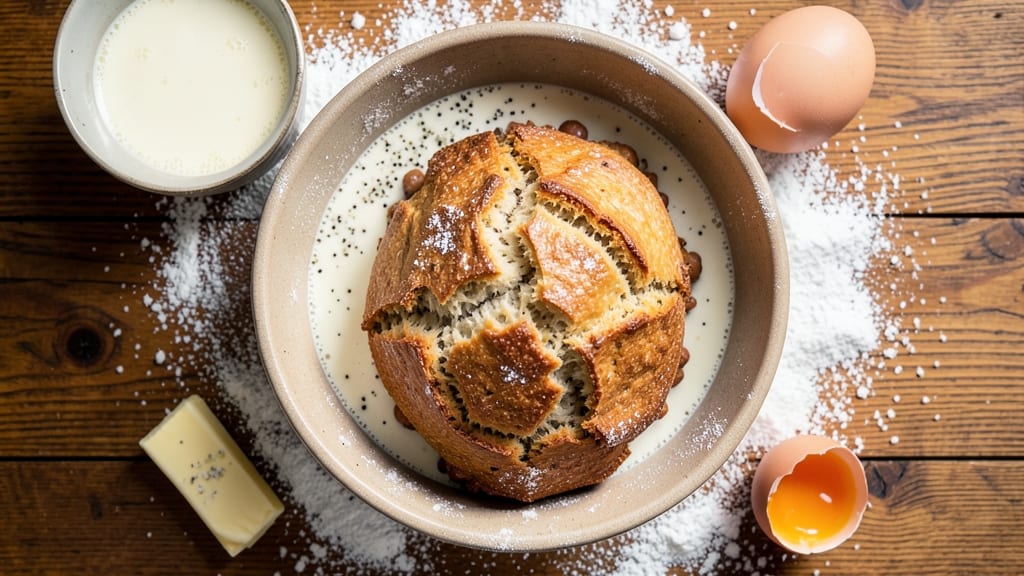
This baked bean bread delivers the perfect harmony of sweet and savory—think crispy crust, tender crumb, and a rich bean filling that makes every slice unforgettable. The secret lies in balancing the natural sweetness of baked beans with warm spices and a sturdy dough that holds up to baking.
I developed this recipe after years of experimenting with savory breads, and it's now a staple at my table—especially when paired with chili or roasted meats.
The dough comes together with simple ingredients: flour, yeast, a touch of sugar, and warm milk, creating a sturdy yet tender base for the bean filling.
What makes this recipe special is the way the beans—seasoned with brown sugar, mustard, and a hint of molasses—transform into a flavorful center that stays moist while the crust turns golden and crisp. The result? A loaf that's hearty enough to stand alone or serve alongside your favorite main dish.
Baking this bread is straightforward: mix the dough, let it rise, shape it around the bean filling, and bake until the crust is deep golden and the internal temperature reaches 350°F.
The aroma alone will have everyone gathering around the kitchen, and the first bite delivers that perfect balance of sweet, smoky, and slightly tangy flavors. It's the kind of bread that disappears quickly—so make sure to bake two loaves.
This recipe is naturally vegetarian and can easily be adapted for gluten-free or vegan diets with simple substitutions. Whether you're serving it at a holiday meal, a potluck, or just a cozy weeknight dinner, this baked bean bread is sure to impress. Let's get started on creating your own loaf!
Ingredients for baked bean bread
Simple pantry staples transform into a hearty loaf with crispy crust and sweet-savory filling.
| Ingredient | Amount | Notes |
|---|---|---|
| All-Purpose Flour 🌾 | 4 cups | Spooned and leveled for accuracy |
| Active Dry Yeast 🍞 | 2 ¼ tsp | One packet for convenience |
| Granulated Sugar 🍚 | 1 tbsp | For yeast activation |
| Warm Whole Milk 🥛 | 1 ¼ cups | 110°F for yeast activation |
| Large Egg 🥚 | 1 whole | Room temperature preferred |
| Unsalted Butter 🧈 | ½ cup | Softened for easy mixing |
| Baked Beans 🥫 | 15 oz | Canned, drained and mashed |
| Brown Sugar 🍯 | ½ cup | Packed for sweetness |
| Dijon Mustard 🍯 | 1 tbsp | For tangy depth |
| Molasses 🍯 | 1 tbsp | Dark molasses for richness |
| Ground Cinnamon 🌿 | ½ tsp | Warm spice for balance |
| Salt 🧂 | 1 tsp | Kosher or sea salt |
| Black Pepper 🌶️ | ½ tsp | Freshly ground for heat |
| Vegetable Oil 🫒 | 1 tbsp | For greasing the pan |
The flour is your foundation—King Arthur or Bob's Red Mill work best for that tender crumb. Yeast is non-negotiable here, so check the expiration date (it should smell fresh and yeasty). I always grab Great Value canned beans from the grocery store—they're consistent and affordable, but any good-quality brand works. For the molasses, Annie's or Groschopp's are my go-tos, but any dark molasses will do. The butter should be soft enough to mix with a fork but not melted—Land O'Lakes or Plugrá are reliable choices.
No Dijon mustard? Yellow mustard at half the amount works in a pinch. Short on molasses? Maple syrup or honey can replace it, but reduce the brown sugar by 1 tbsp to balance sweetness. The egg can be swapped for a flax egg (1 tbsp ground flaxseed + 3 tbsp water) if you prefer vegan. For the beans, if you're using the pre-mashed kind from the can, give them a quick stir to even out the texture. The cinnamon is key—McCormick or Badia are solid choices, but any ground cinnamon will do.
This dough needs time to rise—plan for at least 1-2 hours at room temperature. Store leftovers wrapped in the fridge for 3-4 days, or freeze slices for up to 3 months. To reheat, wrap in foil and warm at 350°F for 10 minutes. The filling stays moist for days, so this bread actually tastes better the next day. Double the recipe if you're feeding a crowd—it disappears fast.
Why You'll Love This Recipe
- No-Measurement Madness: I swear by this dough—just mix the yeast into warm milk, let it bubble, then dump in flour, sugar, and egg. No scales, no stress, just hands-on intuition (and a light touch). Honestly, the only "measuring" I do is eyeballing the flour, and it still turns out golden every time.
- Sweet-Savory Magic: That sugar in the dough caramelizes just enough to balance the richness of the baked beans—trust me, it’s not cloying, it’s perfect. The egg keeps it tender, while the yeast gives it that airy lift that makes it feel like a treat, not just bread.
- Breakfast to Brunch: Slice it warm with butter for toast, toast it with jam for a lazy morning, or pack it for lunch—it’s the ultimate grab-and-go. Between us, I’ve even used it to soak up gravy at Sunday dinner. (Yes, even on a Tuesday night.)
- Pantry Staple Power: Flour, yeast, sugar, milk, egg—this recipe uses things you already have. No weird ingredients, no last-minute grocery runs. And leftovers? They stay fresh for days, perfect for quick sandwiches or toast when you’re in a rush. My secret weapon for busy mornings.
Step-by-step instructions for baked bean bread
Here's how to create a rich, crusty loaf with a sweet-savory bean filling that's perfect for breakfast or brunch.
Activate the Yeast and Mix the Dough
In a small bowl, combine the 1.25 cups warm whole milk (about 110°F), 1 tbsp granulated sugar, and 2.25 tsp active dry yeast. Let it sit for 5-10 minutes until frothy—this tells you the yeast is alive and ready to work. If it doesn’t bubble, your yeast might be dead, and you’ll need to start over.
In a large bowl, whisk together the 4 cups all-purpose flour, 1 tsp salt, 0.5 tsp black pepper, and 0.5 tsp ground cinnamon. Make a well in the center and add the 1 whole large egg, 0.5 cup softened unsalted butter, and the yeast mixture. Mix with a wooden spoon or dough whisk until a shaggy dough forms. The dough will be sticky, but that’s okay—it’s part of what makes this bread tender.
Prepare the Bean Filling
In a separate bowl, mash the 15 oz baked beans until smooth—no lumps should remain. Stir in the 0.5 cup brown sugar, 1 tbsp Dijon mustard, and 1 tbsp molasses until fully combined. This filling is the heart of the bread, so take your time to mix it well. The sweetness of the brown sugar and molasses balances the tangy mustard, creating a flavorful contrast.
Knead and Shape the Dough
Transfer the dough to a lightly floured surface and knead for 5-7 minutes until smooth and elastic. If it feels too sticky, wet your hands slightly to help handle it. Once the dough is ready, divide it into two equal pieces and roll each into a 12-inch-long log. Flatten one log slightly and spread about half of the bean filling evenly over it, leaving a ½-inch border around the edges. Roll it up tightly, then repeat with the remaining dough and filling.
Proof the Dough
Lightly grease a 9x5-inch loaf pan with 1 tbsp vegetable oil. Place the filled dough logs seam-side down into the pan, pressing gently to shape them. Cover the pan with a damp towel and let the dough rise in a warm place for 1-1.5 hours, or until it has nearly doubled in size. The dough should feel springy when pressed lightly—this is your cue that it’s ready for the oven.
Bake to Golden Perfection
Preheat your oven to 375°F. Bake the bread for 45-50 minutes, until the top is deep golden brown and a toothpick inserted into the center comes out clean. If the top browns too quickly, tent the pan with foil to prevent over-browning while ensuring the center cooks through.
Remove the bread from the pan and let it cool on a wire rack for 10 minutes before slicing. The crust should be crisp, and the filling should be warm and gooey inside. Slice it thickly for hearty sandwiches or serve it warm with butter for an unforgettable breakfast experience.
Pro Tips For Making Baked Bean Bread
- Test Yeast First: Before mixing everything, sprinkle that yeast in warm milk with a pinch of sugar—if it doesn’t foam within 5 minutes, toss it and grab fresh. I learned this the hard way after baking a dense, flavorless loaf because the yeast was older than my fridge’s leftovers.
- Measure Flour Right: Use the spoon-and-level method, not scooping straight from the bag—packed flour makes bread dense. After years of guessing, I finally got consistent rises by filling the cup, leveling with a knife, and tapping the bowl to settle it.
- Don’t Rush the Rise: Let the dough double and then double again—even if it takes 2 hours. My first loaves were flat because I peeked too early; now I set a timer and ignore the clock until it’s puffy and springy.
- Egg Trick for Crust: Brush the egg wash only on the top third of the loaf before baking. The rest stays soft, and you avoid the sad, rubbery crust that happens when you coat the whole thing. (Yes, even if it looks weird.)
Regional styles of baked bean bread
Southern Comfort Style
The classic Southern take on baked bean bread swaps molasses for 1 tbsp honey and adds ½ tsp smoked paprika to the bean filling. I love using Great Value canned baked beans with a splash of apple cider vinegar (just 1 tsp) to brighten the flavors.
Serve warm with sharp cheddar cheese melted on top—this version is a crowd-pleaser at Southern potlucks. 🌶️
New England Twist
For a New England-inspired loaf, replace the brown sugar in the filling with ½ cup maple syrup and fold in ½ cup diced crispy bacon (cooked until crisp). The smoky bacon adds depth that pairs perfectly with the sweet-tangy beans.
Top the baked loaf with coarse sea salt before serving—this version tastes even better the next day. ❄️
Midwest Heartland
In the Midwest, this bread often includes ½ cup shredded cheddar cheese mixed into the bean filling for extra richness. Use Great Northern beans instead of baked beans for a nuttier flavor, and add 1 tsp ground cloves to the dough for warmth.
This version is perfect for holiday gatherings—it’s hearty enough to be a main dish. 💛
Texas-Style Spiced
Texans love their baked bean bread with a chili-kick—add 1 tbsp chili powder and ½ tsp cayenne pepper to the bean filling. I also swap the molasses for 1 tbsp hot honey (like Chili Honey) for a sweet-spicy contrast.
Serve with sliced jalapeños on top for an extra kick. This version is a hit at Texas BBQ cook-offs. 🔥
Pacific Northwest Adaptation
On the West Coast, this bread often features 1 tbsp soy sauce in the bean filling for umami depth, along with 1 tsp grated fresh ginger. Use black beans instead of baked beans for a slightly earthier flavor.
Top with toasted sesame seeds before baking for a nutty crunch. This version pairs beautifully with miso-glazed salmon. 🌿
Nutrition facts
Frequently asked questions
Can I make this bread without yeast?
Yes! For a quick version, replace the yeast with 1 tsp baking powder and 1 tsp baking soda in the dough. Skip the proofing step and bake immediately at 375°F for 40-45 minutes. The texture will be denser but still delicious. This works well if you're short on time.
How do I store baked bean bread?
Wrap cooled slices tightly in plastic wrap and store at room temperature for 2-3 days. For longer storage, freeze slices for up to 3 months. To reheat, wrap in foil and warm at 350°F for 10 minutes—the filling stays moist and flavorful!
What if my dough doesn't rise?
Check your yeast first—it should be fresh (within 4 months of expiration). Make sure your milk is 110°F (too hot kills yeast, too cold won't activate it). If using active dry yeast, let it sit in warm liquid for 5-10 minutes until foamy before mixing. A warm oven with a bowl of hot water nearby can also help create a rising-friendly environment.
Can I use different types of beans?
Try black beans for earthier flavor or Great Northern beans for nuttiness. For a smoky twist, use bacon-wrapped baked beans (drain well first). Just adjust liquid—drain beans thoroughly to prevent a soggy loaf. The sweet-savory balance works best with slightly sweet beans like baked beans or black beans.
Why is my crust too pale after baking?
Pale crusts usually mean underbaking or insufficient oven heat. Try these fixes: brush the top with milk or egg wash before baking, increase oven temp to 390°F for the last 10 minutes, or tent with foil if browning too quickly. A toothpick should come out clean—if not, bake 5-10 minutes longer.