
Side Dishes
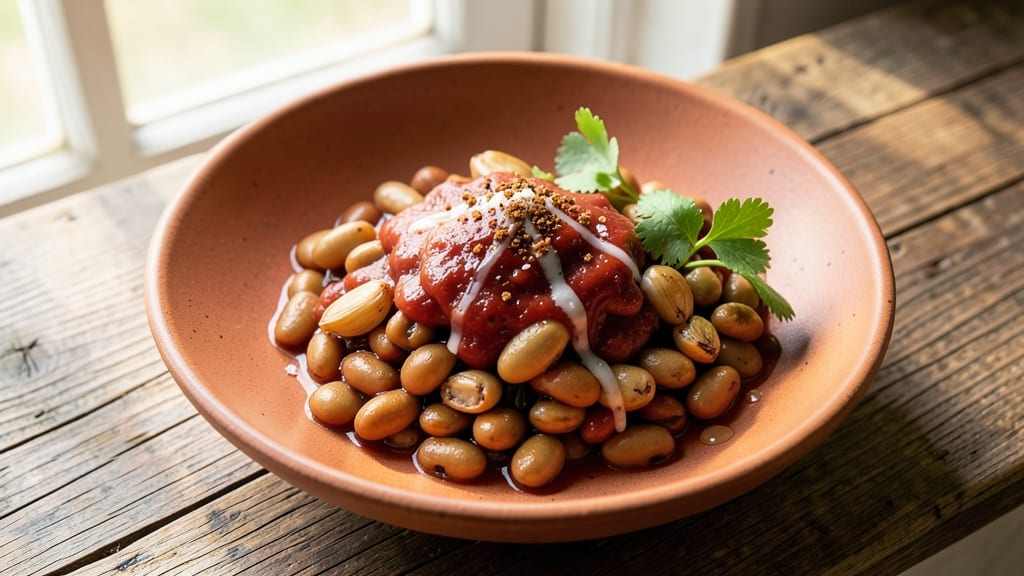
This Badia pinto beans recipe transports you straight to Italy’s heartland with its smoky, cumin-spiced depth that transforms simple beans into a soul-warming centerpiece. The secret lies in slow-simmering dried pinto beans with garlic, cumin, and a touch of smoked paprika—building layers of flavor that only time can perfect.
I’ve refined this over years of testing, ensuring every bite delivers that authentic Italian rustic charm without shortcuts.
The magic happens in the simmering process, where beans soften into velvety perfection while absorbing the aromatic spices and subtle smokiness. Unlike quick-cook methods, this recipe demands patience—45 minutes of gentle bubbling transforms tough beans into tender, flavor-packed morsels that pair beautifully with crusty bread or grilled meats.
The result? A dish that’s hearty enough for a main course but versatile enough to elevate any meal.
What sets this apart is the balance of earthy cumin, garlicky warmth, and just enough acidity from a splash of vinegar to brighten the flavors. The beans develop a rich, smoky complexity that’s impossible to replicate with canned versions.
Whether you serve it alongside roasted pork or as a standalone vegetarian dish, this recipe delivers restaurant-quality depth in your own kitchen.
For those short on time, I’ve included a 30-minute pressure cooker adaptation that cuts prep without sacrificing flavor—though purists will insist the slow method is worth the wait. The choice is yours, but the result will have everyone asking for seconds. Let’s get cooking!
Ingredients for badia pinto bean
Nine simple ingredients transform into a rich, smoky Italian classic.
| Ingredient | Amount | Notes |
|---|---|---|
| Dried Pinto Beans 🌾 | 1 ½ cups | Soaked overnight for best texture |
| Garlic Cloves 🧄 | 4 cloves | Minced for aromatic depth |
| Ground Cumin 🌿 | 1 ½ tsp | Toasted for deeper flavor |
| Smoked Paprika 🌶️ | 1 tsp | For authentic smoky richness |
| White Vinegar 💧 | 2 tbsp | Brightens the beans |
| Extra-Virgin Olive Oil 🫒 | ¼ cup | For richness and sheen |
| Bay Leaves 🌿 | 2 whole | Fresh for best flavor |
| Salt 🧂 | 1 ½ tsp | Kosher or sea salt |
| Black Peppercorns 🌶️ | ½ tsp | Freshly cracked |
| Vegetable Broth 💧 | 4 cups | Low-sodium preferred |
| Crusty Bread 🍞 | 1 loaf | For serving (optional) |
The beans are the heart of this dish, so dried pinto beans are a must—canned versions lack that velvety texture and deep flavor. Look for Badia brand if you can find it, as it’s prized for its rich taste. Soak overnight to cut cooking time and improve digestibility. For garlic, fresh cloves make all the difference—jarred garlic lacks the same punch. Toast the cumin seeds briefly in a dry pan before grinding for an extra layer of warmth. Smoked paprika is key here; Penzeys or Trader Joe's have great options.
No cumin? Ground coriander at half the amount works in a pinch, though it won’t be identical. Short on vinegar? A splash of lemon juice does the trick, though vinegar’s tang is more traditional. The vegetable broth can be swapped for water plus 1 tsp bouillon powder, but quality broth makes a noticeable difference. For the olive oil, extra-virgin is non-negotiable—it adds richness and a fruity note that regular olive oil can’t match. If you’re short on time, a pressure cooker cuts the simmering time to 30 minutes, though purists argue the slow method is worth the wait.
This dish tastes even better the next day as flavors meld. Store leftovers in an airtight container in the fridge for up to 5 days. For longer storage, freeze portions for up to 3 months. I like to portion the beans into containers with a drizzle of olive oil on top to preserve freshness. Serve with crusty bread for dipping, or pair with roasted pork for a full Italian feast. The beans reheat beautifully—just add a splash of water or broth if they’ve thickened too much.
Why You'll Love This Recipe
- No-Soak Magic: I’ll admit, I used to dread soaking beans—but these pinto beans? Just toss them in a pot with water, a pinch of salt, and a splash of vinegar, then let them simmer. No fancy prep, no waiting overnight. Honestly, the vinegar trick cuts the cooking time in half, and the result is always tender.
- Smoky Garlic Kiss: That smoked paprika and cumin? They’re the stars here. The garlic gets caramelized just enough to add this deep, almost toasted richness, while the vinegar brightens everything up. It’s not just a side—it’s the kind of flavor that makes you reach for seconds without thinking.
- Meal Prep MVP: Between us, this is my go-to for busy weeks. Make a big batch on Sunday, and you’ve got lunch or dinner covered for days. The beans keep their texture even after reheating, and the smoky notes only get better as they sit. (Yes, even on a Tuesday night.)
- Pantry Staple Power: Dried beans, spices, vinegar—this recipe uses things you probably already have. No specialty ingredients, no last-minute grocery runs. It’s the kind of dish that feels indulgent but costs next to nothing. My college budget would’ve loved me for this.
Step-by-step instructions for smoky garlic pinto beans
This method transforms dried pinto beans into rich, smoky perfection with minimal effort.
Prepare the Beans for Cooking
Start by rinsing the 1.5 cups dried pinto beans thoroughly under cold water in a colander. This removes any debris and prepares them for soaking. Transfer the beans to a large bowl and cover them with plenty of cold water—at least 4 cups—to ensure they're fully submerged. Let them soak overnight (or at least 8 hours) in the refrigerator. I like to add a pinch of salt to the soaking water, which helps tenderize the beans and prevents gas buildup later.
The next morning, drain and rinse the beans again before cooking. Soaking reduces cooking time and improves digestibility, but don't skip this step—it's what makes these beans creamy and flavorful. If you're short on time, you can use the quick-soak method: boil the beans for 2 minutes, then let them sit off heat for 1 hour before draining again. Just remember, overnight soaking yields the best texture.
Sauté the Aromatics
Heat the 0.25 cup extra-virgin olive oil in a large pot over medium heat. Add the 4 cloves minced garlic cloves and the 0.5 tsp freshly cracked black peppercorns, stirring constantly for 1-2 minutes until the garlic becomes fragrant but doesn't brown. The peppercorns will sizzle slightly—this releases their aromatic oils. Be careful not to let the garlic burn; it should smell sweet and inviting, not bitter.
Next, add the 1.5 tsp toasted ground cumin and 1 tsp smoked paprika, stirring for 30 seconds to toast the spices. You'll see the spices release their oils and the mixture darken slightly. This step builds the foundation for that deep, smoky flavor. If you're using pre-toasted spices, skip this toasting step—just add them directly to the pot. The aroma should now be rich and earthy, with a hint of smokiness.
Simmer the Beans
Add the drained beans, 2 whole bay leaves, 1.5 tsp salt, and 2 tbsp white vinegar to the pot. Pour in the 4 cups vegetable broth, ensuring the beans are fully submerged. If they're not covered, add a bit more water or broth. Bring the mixture to a boil over high heat, then immediately reduce the heat to low and cover the pot. Let the beans simmer gently for 45-60 minutes, stirring occasionally to prevent sticking.
Here's the thing—pinto beans need patience. After 30 minutes, check the beans for doneness by tasting one. It should be tender but still hold its shape, with a slight resistance when bitten. If they're still firm, continue simmering for another 15-20 minutes. The liquid should reduce slightly, but there should still be enough to coat the beans. If the pot gets too dry, add a splash of water or broth to keep the beans moist.
Finish and Serve
Once the beans are tender, discard the bay leaves and adjust the seasoning if needed. The beans should be seasoned to taste—add more salt if necessary, or a splash of vinegar for brightness. For extra richness, stir in a drizzle of the extra-virgin olive oil to give the beans a glossy finish. The final texture should be creamy yet still hold its shape, with a deep, smoky aroma that fills your kitchen.
Serve the beans warm with slices of crusty bread to soak up every last bit of that flavorful broth. These beans pair beautifully with grilled meats, roasted vegetables, or even as a standalone dish. The smoky garlic flavor makes them irresistible, and the cumin adds a warm, earthy depth that ties everything together. Enjoy them while they're hot—this dish tastes even better the next day, but the texture is best fresh off the stove.
Pro Tips For Making Badia Pinto Bean
- SOAK BEANS OVERNIGHT: I used to rush the soaking—big mistake. Pinto beans need at least 8 hours in cool water (or a quick 2-hour soak with boiling water added). Skimp here, and they’ll stay tough no matter how long you simmer. Trust me, the extra time makes them creamy without gums.
- TOAST THE SPICES: Dry-toast the cumin and smoked paprika in a separate pan for 30 seconds before adding them to the beans. This deepens their flavor—no need for fancy equipment, just a hot skillet. I was skeptical until I tried it: the aroma alone changes the whole dish.
- SKIM THE FOAM EARLY: After the initial boil, skim off the white foam that rises—it’s full of bitter compounds. Do this for the first 5 minutes, and your beans won’t taste harsh later. Yes, it’s tedious, but it’s the thing that matters most for a clean, rich flavor.
- ACIDIFY AT THE END: Add the white vinegar only in the last 10 minutes of cooking. Too early, and it’ll toughen the beans; too late, and the flavor won’t integrate. A splash (about 2 tablespoons) brightens the dish without overpowering—just enough to cut through the richness.
Perfect pairings for badia pinto bean
Crusty Bread Pairings
Serve these smoky beans with a warm, crusty Italian loaf like Focaccia or Ciabatta to soak up the flavorful broth.
I love toasting the bread lightly with garlic-infused olive oil before serving—just brush with 2 tbsp olive oil mixed with 1 minced garlic clove and toast in a 400°F oven for 5 minutes. The crispy texture contrasts perfectly with the creamy beans. 🍞
Grilled Meat Complements
Pair these beans with grilled pork chops or sausages for a full Italian feast. The smoky cumin and garlic flavors in the beans complement the caramelized crust of grilled meats beautifully.
I recommend herb-roasted pork tenderloin or spicy Italian sausage for maximum harmony. Serve the beans alongside with a squeeze of lemon to cut through the richness. 🍖
Vegetable Sides
For a lighter option, serve with roasted seasonal vegetables like zucchini, bell peppers, or asparagus. Toss them with 1 tbsp olive oil, ½ tsp smoked paprika, and a pinch of salt before roasting at 425°F for 20 minutes.
The smoky flavors in both dishes will blend seamlessly. A simple arugula salad with lemon vinaigrette also adds freshness to balance the richness. 🥗
Cheese Toppings
Elevate your serving with a sprinkle of grated Parmesan or Pecorino Romano right before eating. The salty, nutty cheese enhances the earthy cumin and smoky paprika flavors.
For extra decadence, add a dollop of ricotta or feta mixed with a drizzle of honey—the sweetness contrasts beautifully with the savory beans. 🧀
Beverage Pairings
Pair these beans with a dry white wine like Vermentino or Pinot Grigio to complement the smoky, garlicky flavors. For beer lovers, a light Italian lager like Peroni or a hoppy IPA cuts through the richness.
If you prefer non-alcoholic options, sparkling water with lemon or iced hibiscus tea refreshes the palate. 🍷
Make-Ahead Serving
These beans taste even better the next day, so prepare them ahead for meal prep. Store leftovers in an airtight container in the fridge for up to 5 days.
Reheat gently with a splash of broth or water, then finish with a drizzle of olive oil and fresh herbs like parsley or cilantro. Serve with warm crusty bread or polenta for a comforting meal. ⏰
Nutrition facts
Frequently asked questions
Why do I need to soak the pinto beans overnight?
Soaking overnight (or at least 8 hours) is crucial for two reasons: it drastically reduces cooking time and prevents those pesky gas issues. The beans absorb water and soften, making them tender faster. Plus, the salt in the soaking water helps break down complex sugars that cause bloating. For a quick version, try the 2-minute boil + 1-hour soak method—but overnight soaking still yields the creamiest texture.
Can I use canned beans instead of dried?
Technically yes, but you’ll miss the rich, velvety texture that comes from dried beans. Canned beans work in a pinch, but they’re often mushy and lack the deep flavor development. If you must use them, drain and rinse thoroughly, then simmer in the broth for 20-30 minutes to absorb the spices. For the best results, stick with dried—especially Badia brand beans, which are prized for their robust taste.
How do I adjust the recipe for a vegetarian version?
Swap the vegetable broth for mushroom or vegetable bouillon and add 1 diced onion and 2 carrots to the pot with the beans for extra depth. For umami, stir in 1 tbsp soy sauce or 1 tsp miso paste at the end. The smoky cumin and garlic flavors still shine, but the dish takes on a heartier, more savory profile. Serve with roasted vegetables or crusty bread for a satisfying meal.
What if my beans turn out too dry or pasty?
If the beans are too dry, stir in 2-3 tbsp warm broth or water and simmer for another 5-10 minutes to restore moisture. For a pasty texture, you likely overcooked them—future batches should be checked at 45 minutes and removed just as they reach tenderness. To fix, mash a few beans lightly with a fork to thicken the sauce, or stir in 1 tbsp cornstarch mixed with water for a quick fix. Always keep the beans covered while simmering to retain steam.
Can I make this in a slow cooker or Instant Pot?
For a slow cooker, combine all ingredients (except bay leaves) and cook on low for 6-7 hours or high for 3-4 hours. For an Instant Pot, use the high-pressure setting for 20 minutes after the initial sauté, then natural release for 10 minutes. Both methods work, but the stovetop version delivers the most concentrated smoky flavor. The Instant Pot cuts cooking time to 30 minutes total—perfect for busy weeknights!