
Soups & Stews
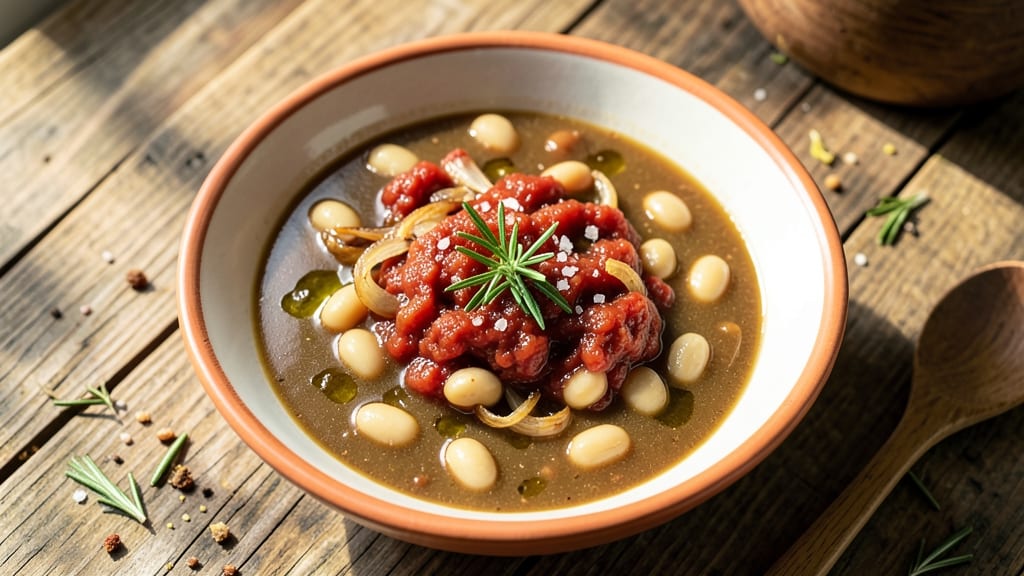
This authentic Tuscan bean soup recipe brings the rustic heart of Italy to your kitchen with its deep, herb-infused flavors and comforting texture. The secret lies in slow-simmered cannellini beans, tender kale, and aromatic rosemary—traditional ingredients that create a dish so satisfying it tastes like a hug in a bowl. I've perfected this vegetarian version over years of Tuscan cooking, ensuring every spoonful delivers the same warmth and depth you'd find in a countryside trattoria.
The beauty of this soup is its simplicity: one pot, minimal prep, and layers of flavor built through slow cooking. Garlic and tomatoes form the base, while rosemary and sage add that signature Tuscan aroma.
The kale wilts into tender greens, and crusty bread soaks up every last drop of the savory broth. For non-vegetarians, pancetta can be added—though I promise this version stands proudly on its own.
What makes this recipe truly special is the balance of textures and flavors—creamy beans, crisp kale, and the rustic bite of fresh herbs.
The slow simmer allows all ingredients to meld into a harmonious blend, while the final touch of grated Parmesan and a drizzle of olive oil elevates it to restaurant-quality. This is the kind of soup that improves with time, making it perfect for meal prep or a cozy weeknight dinner.
Serve it with a side of crusty bread to soak up the rich broth, or pair it with a simple green salad for a complete Tuscan-inspired meal. The leftovers taste even better the next day, as the flavors continue to develop.
Let's bring a taste of Tuscany to your table with this hearty, authentic bean soup.
Ingredients for authentic tuscan bean soup
Cannellini beans, aromatic herbs, and slow-simmered tomatoes create this Tuscan classic.
| Ingredient | Amount | Notes |
|---|---|---|
| Dried Cannellini Beans 🌱 | 1 ½ cups | Rinsed before cooking |
| Extra-Virgin Olive Oil 🫒 | ¼ cup | High quality, fruity |
| Yellow Onion 🧅 | 1 whole | Medium size, diced |
| Garlic Cloves 🧄 | 4 cloves | Peeled, minced |
| Canned Crushed Tomatoes 🍅 | 1 can | 28 oz, San Marzano preferred |
| Vegetable Broth 💧 | 4 cups | Low-sodium preferred |
| Fresh Kale 🌿 | 4 cups | Chopped, stems removed |
| Fresh Rosemary 🌿 | ¼ cup | Chopped, stems removed |
| Fresh Sage 🌿 | ¼ cup | Chopped leaves only |
| Parmesan Cheese 🧀 | ½ cup | Freshly grated from block |
| Crusty Bread 🍞 | 1 loaf | For serving, optional |
| Salt 🧂 | 1 ½ tsp | Diamond Crystal preferred |
| Black Pepper 🌶️ | ½ tsp | Freshly ground |
| Bay Leaf 🌿 | 2 whole | Removed before serving |
The cannellini beans are the heart of this soup—dried, not canned, for better texture. Trader Joe's and Whole Foods carry good quality dried beans, but any store's bulk section works. Look for plump, firm beans with no cracks. The rosemary and sage? Fresh is non-negotiable here—dried just won't give that Tuscan aroma. I usually grab a small bunch at the farmers market, but the grocery store's fresh herb section has decent stuff too. The Parmesan needs to be the real deal—grate it yourself from a wedge. Pre-grated tastes like sawdust in comparison.
No fresh rosemary? Dried at half the amount works in a pinch, but it's not the same. Short on kale? Spinach or Swiss chard wilts just as nicely. Using canned beans? Drain and rinse them well—they're still salty. The tomatoes can be fresh too, but San Marzano canned is what I always reach for. It's sweeter and less acidic, which lets the herbs shine. For extra depth, toast the garlic cloves in olive oil for 30 seconds before adding them to the pot—game changer.
This soup tastes even better the next day as the flavors meld. Store in an airtight container in the fridge for up to 5 days. Freeze portions for 3 months if you're prepping ahead. I always make a double batch—one for dinner, one for lunch the next day. The crusty bread? Warm it up in the oven for 5 minutes before serving to soak up all that rich broth. Leftovers reheat beautifully—just add a splash of water or broth if it's too thick.
Why You'll Love This Recipe
- Foolproof Soak: I swear by the overnight soak for those cannellini beans—no fancy gadgets, just a bowl and water. The next morning, they’re tender and ready to go, no gimmicks needed.
- Garlic-Kissed Depth: That moment when you crush fresh garlic into warm olive oil and let it bloom? Pure magic. The cannellini beans soak up all that savory richness, and the crushed tomatoes add a tangy backbone—simple, but ridiculously satisfying.
- Crowd-Pleaser Base: Between us, this soup is the MVP of potlucks and lazy Sundays. It’s hearty enough for a chilly evening but light enough to feel like a treat, and honestly? Everyone asks for seconds.
- Budget Magic: Dried beans and canned tomatoes stretch this recipe into a week’s worth of lunches—no waste, no stress. I’ll be real: it’s my go-to when groceries are tight, but somehow it still feels special.
Step-by-step instructions for authentic Tuscan bean soup
This rustic Tuscan soup delivers deep, herby flavors in one simple pot—just follow these steps.
Soak and Simmer the Cannellini Beans
Rinse the 1.5 cups dried cannellini beans under cold water, then place them in a large pot with 4 cups vegetable broth and 1.5 teaspoons salt. Bring to a boil, then reduce heat to medium-low and simmer for 45 minutes, stirring occasionally. This partial soaking ensures the beans soften without breaking apart.
Here's the thing—don't skip the salt in the broth. It helps break down the beans' skins and infuses flavor early. After 45 minutes, check for tenderness by tasting one bean. It should be soft but still hold its shape. If they're not quite there, add ½ cup more broth and simmer another 10-15 minutes.
Build the Flavor Base with Olive Oil and Aromatics
In the same pot, add the 0.25 cup extra-virgin olive oil and heat over medium heat until shimmering. Add the 1 diced yellow onion and cook for 5 minutes until translucent. Stir in the 4 minced garlic cloves and cook for 30 seconds until fragrant—this prevents burning.
Next, add the 1 can crushed tomatoes, 0.25 cup chopped rosemary, 0.25 cup chopped sage, and 2 whole bay leaves. Stir well and simmer for 10 minutes until the tomatoes break down slightly. The rosemary and sage should release their piney, earthy aromas—this is where the authentic Tuscan flavor starts to develop.
Finish with Kale and Seasoning
Add the 4 cups chopped kale to the pot and stir to wilt completely. The kale should cook down quickly—about 3-4 minutes—until tender but still vibrant. If the soup seems too thick, add ½ cup vegetable broth to reach your desired consistency.
Taste and adjust seasoning with ½ teaspoon black pepper and additional salt if needed. The soup should be rich but not overly salty. Let it simmer uncovered for 5 minutes to meld all the flavors. Real talk: this is the moment that matters—don't rush it.
Serve with Parmesan and Crusty Bread
Ladle the soup into bowls and top each serving with 2 tablespoons freshly grated Parmesan cheese. The acidity of the tomatoes and herbs pairs perfectly with the nutty, salty Parmesan. Serve immediately with the 1 loaf crusty bread on the side for dipping.
Remove the 2 bay leaves before serving—you don't want them in your final dish. The soup should be hearty, with tender beans, silky kale, and a depth of herbaceous flavor that transports you straight to Tuscany. Enjoy it warm, straight from the pot, with a glass of Chianti if you're feeling fancy.
Pro Tips For Making Authentic Tuscan Bean Soup
- SOAK BEANS OVERNIGHT: I learned this the hard way—skipping the soak leads to tough, mealy beans. Toss dried cannellini in a bowl with plenty of cold water (about 3 cups per pound) and let them sit 8–12 hours. The next day, drain and rinse before cooking; they’ll soften faster and absorb flavors better.
- SWEAT ONIONS LOW AND SLOW: Crank the heat to medium-low when cooking onions with olive oil—high heat burns them before they soften. Let them bubble gently for 8–10 minutes until translucent and just starting to caramelize. This builds flavor without turning bitter.
- SAVE THE BEAN SOAK WATER: Don’t dump that starchy soak water! Strain it, measure about 1 cup, and add it to the pot with the beans and tomatoes. It adds natural sweetness and helps thicken the soup naturally—no extra broth needed.
- CRUSH TOMATOES BY HAND: Skip the canned crushed tomatoes if you’re impatient. Rough-chop 2–3 ripe tomatoes, toss with a pinch of salt, and let them sit 10 minutes. Then, crush them with your fingers (yes, even the skins) for a fresher, chunkier texture. The acidity brightens the whole dish.
Creative variations of this authentic tuscan bean soup
Herb-Forward Variations
Swap the rosemary and sage for thyme and oregano to create a more Mediterranean-inspired twist. Use 1 tbsp each of fresh thyme and oregano instead, and add ½ tsp red pepper flakes for subtle heat. The thyme brings a lemony brightness that pairs beautifully with the tomatoes. 🌿
White Bean Twist
Replace half the cannellini beans with 1 cup dried great northern beans for a creamier texture. The great northerns break down slightly more, creating a silkier soup. Add ½ cup grated Pecorino Romano at the end instead of Parmesan for a sharper, saltier finish.
This variation works especially well with a side of crusty focaccia.
Winter Vegetable Boost
Add 1 diced carrot and 1 celery stalk with the onion to build a more substantial base. For extra depth, stir in ½ cup diced fennel bulb when adding the kale.
The fennel adds a subtle licorice note that complements the herbs beautifully. This version feels even heartier for cold-weather meals.
Creamy Garlic Version
For a richer texture, stir in ¼ cup heavy cream or ½ cup coconut milk during the final 5 minutes of simmering. Add 1 extra minced garlic clove and ½ tsp nutmeg for warmth. This variation feels luxurious but keeps the rustic charm. Serve with extra Parmesan for dipping bread.
Spicy Chili Kick
Add 1 tbsp Calabrian chili paste or 1-2 fresh chili peppers (like 'Nduja or arbol) when sautéing the aromatics. For heat balance, include 1 tbsp honey or 1 tsp maple syrup to sweeten the broth.
This version is perfect for those who love bold, complex flavors with a touch of sweetness. 🌶️
Protein-Packed Additions
For non-vegetarians, crumble ½ lb pancetta into the pot when adding the tomatoes. For a vegetarian protein boost, stir in ½ cup cooked lentils (drained and rinsed) with the kale. Both options add depth without overpowering the traditional flavors. The pancetta version transforms into a more robust "ribollita" style.
Nutrition facts
Frequently asked questions
Can I use canned beans instead of dried for this Tuscan bean soup?
Yes, but with adjustments! Use 2 (15-oz) cans of cannellini beans (drained and rinsed) and add them at the end of cooking to avoid breaking them down too much. For best texture, simmer the canned beans in the broth for just 10 minutes after adding the kale. This keeps them firm but flavorful—just like the dried beans would be.
What makes this soup authentically Tuscan?
The key lies in the herbs (rosemary and sage), slow simmering, and rustic ingredients. Traditional Tuscan soups like ribollita rely on fresh herbs, minimal seasoning, and letting flavors meld over time. The cannellini beans and kale are staples, while the olive oil and Parmesan finish add that signature Italian touch. It's all about simplicity and letting the ingredients shine!
How do I store leftovers to keep them tasting fresh?
Store in an airtight container in the fridge for up to 5 days. The flavors actually improve overnight! To reheat, warm on the stove over medium-low heat with a splash of broth or water if it's too thick. For freezing, portion into containers and freeze for up to 3 months. Thaw in the fridge before reheating.
Can I make this soup in a slow cooker?
Combine all ingredients (except Parmesan) in your slow cooker and cook on low for 6-7 hours or high for 3-4 hours. The beans will soften perfectly, and the flavors will meld beautifully. Just add the Parmesan and fresh herbs at the end. The slow cooker method is actually ideal for developing that deep, rustic flavor.
What if my soup tastes too bland?
Don't worry—it's easy to fix! Start by adding a pinch more salt (Tuscan cooking often relies on well-seasoned broth). Next, stir in 1 extra minced garlic clove or ½ tsp red pepper flakes for depth. For richness, add 1 tbsp olive oil or ½ cup grated Parmesan at the end. The key is balancing flavors—never over-salt, but don't be afraid to boost the herbs!