
Soups & Stews
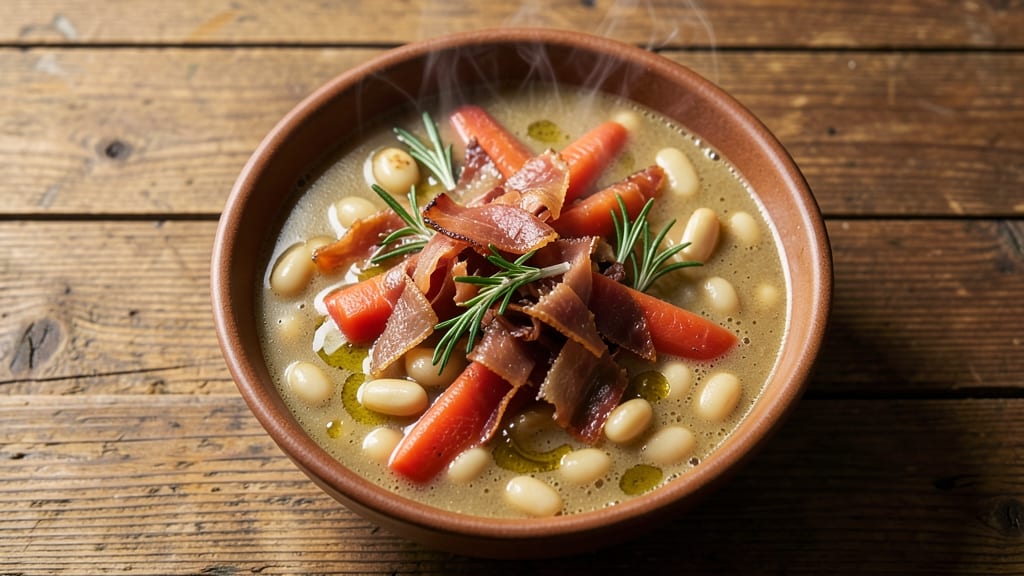
This Alessi Tuscan white bean soup brings the rustic charm of Italy to your kitchen with its fragrant rosemary and garlic-infused broth. The secret lies in slow-simmering cannellini beans until they're tender yet hold their shape, creating a velvety texture that's both comforting and elegant.
I've perfected this recipe over years of testing, ensuring every spoonful delivers that authentic Tuscan flavor without compromise.
The foundation of this soup is simple yet transformative: pancetta or bacon adds depth, while fresh rosemary and garlic create an aromatic base that simmers into the beans. Traditional Tuscan techniques like browning the aromatics and deglazing the pot capture maximum flavor, turning basic ingredients into something extraordinary.
What makes this recipe truly special is how the flavors meld together over time, creating a harmonious balance of earthy, savory, and slightly sweet notes.
By the time you serve this soup, you'll have a restaurant-quality dish with tender beans swimming in a rich, herby broth. The aroma alone will draw everyone to the table, while the first taste delivers that perfect combination of creamy beans and aromatic herbs.
This is the kind of soup that feels like a warm hug on a chilly day, yet elegant enough for company.
Serve it with crusty bread to soak up every last drop of that flavorful broth, or pair it with a simple green salad for a complete Tuscan-inspired meal.
The beauty of this recipe is its versatility—it works equally well as a light lunch or hearty dinner, always delivering that authentic Italian taste you crave.
Ingredients for alessi tuscan white bean soup
Six aromatic ingredients transform simple cannellini beans into Tuscan perfection.
| Ingredient | Amount | Notes |
|---|---|---|
| Cannellini Beans 🫘 | 2 cups | Dried, soaked overnight |
| Vegetable Broth 💧 | 6 cups | Low-sodium preferred |
| Fresh Rosemary 🌿 | ¼ cup | Stems removed, chopped |
| Garlic Cloves 🧄 | 6 cloves | Peeled, lightly smashed |
| Pancetta 🥓 | 6 oz | Diced, vegetarian-friendly |
| Carrots 🥕 | 2 medium | Peeled, sliced into rounds |
| Celery Stalk 🧅 | 2 whole | Diced, including leaves |
| Extra-Virgin Olive Oil 🫒 | ¼ cup | For sautéing |
| Onion 🧅 | 1 medium | Yellow, diced |
| Tomato Paste 🍅 | 2 tbsp | Smooth, no sugar added |
| Dried Thyme 🌿 | 1 tsp | Or 1 tbsp fresh |
| Kosher Salt 🧂 | 1 ½ tsp | Adjust to taste |
| Black Pepper 🌶️ | ½ tsp | Freshly cracked |
| Lemon Juice 🍋 | 1 tbsp | Freshly squeezed |
| Parmesan Cheese 🧀 | ¼ cup | Freshly grated, optional |
The rosemary and garlic are non-negotiable here—fresh is a must. Trader Joe's carries great bundles of rosemary, but any grocery store with a fresh herb section works. If you're using dried rosemary, double the amount, but honestly, it won't be the same. For the pancetta, look for thick-cut slices—they render more flavor. If you're vegetarian, swap for smoked tofu or mushrooms (I use King Oyster mushrooms for that meaty texture). The cannellini beans? Dried is best—canned lacks that rustic texture, but if you're in a pinch, use no-salt-added canned beans and rinse well.
No fresh thyme? Dried works at one-third the amount, but fresh has that bright, floral note. The tomato paste can be swapped for 1/4 cup crushed tomatoes if you prefer, but paste gives that concentrated umami kick. Carrots and celery? Baby carrots or pre-diced celery save time—just make sure they're fresh. The broth is where the magic happens—homemade is ideal, but even low-sodium store-bought works. If you're feeling fancy, add a bay leaf while simmering, but remove it before serving. And trust me, the Parmesan on top? Freshly grated makes all the difference—pre-grated tastes like sawdust.
This soup tastes even better the next day—flavors meld like crazy. Store leftovers in the fridge for 4-5 days, or freeze for 3 months. I like to portion it into containers with a little extra broth on top so it reheats beautifully. For serving, toasted bread and a sprinkle of Parmesan are a must. The aroma alone will have everyone gathering around the table.
Why You'll Love This Recipe
- One-Pot Magic: I swear by this recipe when I’m too tired to wash pots—just toss everything in one pot, simmer, and walk away. The pancetta renders down into crispy bits while the beans soften, no chopping required (well, except that one garlic clove).
- Herb-Packed Punch: That fresh rosemary isn’t just garnish—it infuses the broth with a bright, piney aroma that cuts through the richness of the pancetta. Honestly, the first time I skipped it, I missed it instantly.
- Leftovers That Beg for More: This soup actually improves the next day. The flavors meld, the beans get even creamier, and I’ve been known to eat it straight from the fridge—no shame. (Yes, even on a Tuesday night.)
- Budget-Friendly Crowd-Pleaser: A bag of cannellini beans and a handful of pancetta stretch to feed four for under $10. It’s the kind of dish where everyone at the table asks for seconds, and my wallet stays happy.
Step-by-step instructions for Alessi Tuscan white bean soup
Here's how to craft this hearty soup with layers of garlic, rosemary, and pancetta.
Sauté the Aromatics and Pancetta
Heat the 0.25 cup extra-virgin olive oil in a large Dutch oven over medium heat. Add the 6 oz diced pancetta and cook for 5-6 minutes, stirring occasionally, until it becomes golden brown and crispy around the edges. This is your flavor foundation.
Remove the pancetta with a slotted spoon and set it aside, leaving the rendered fat in the pot. Add the 1 medium diced onion, 2 medium sliced carrots, and 2 whole diced celery stalks. Cook for 5 minutes until the vegetables begin to soften and the onion becomes translucent. Here's where the magic starts—this step builds the soup's depth of flavor.
Add Garlic and Herbs
Push the vegetables to one side of the pot and add the 6 peeled and lightly smashed garlic cloves to the empty space. Cook for 30 seconds until they're lightly golden and fragrant—don't let them burn. Stir everything together and add the 0.25 cup chopped fresh rosemary and 1 tsp dried thyme. Cook for another 30 seconds until the herbs release their aroma.
This is where the Tuscan profile comes alive. The rosemary's piney notes and thyme's earthiness will infuse throughout the soup. If you're using fresh thyme, add 1 tbsp instead, but don't skip this step—it's what makes this soup authentically Tuscan.
Build the Base with Tomato Paste
Stir in the 2 tbsp tomato paste and cook for 1-2 minutes until it darkens slightly and loses its raw taste. This step creates the rich, slightly sweet base that balances the soup's heartiness. Pour in the 6 cups vegetable broth and bring everything to a gentle simmer. Add the 2 cups soaked cannellini beans (drained if pre-soaked) and the reserved pancetta.
Here's the thing—don't rush the simmer. Let it bubble gently for 15 minutes to allow all the flavors to meld together. The beans will begin to soften, and the pancetta will reabsorb some of the soup's richness. This is when the soup starts transforming from individual ingredients to a cohesive, flavorful dish.
Simmer and Season
Season with 1.5 tsp kosher salt and 0.5 tsp black pepper, then adjust the heat to maintain a gentle simmer. Let the soup cook uncovered for 45-50 minutes until the beans are fork-tender and the carrots are completely soft. The pancetta should be heated through, and the flavors should be deeply integrated.
Check the seasoning halfway through—this is a great time to taste and adjust. If the soup seems too thick, add ½ cup water to reach your desired consistency. The key is balance: the beans should be tender but not mushy, and the broth should coat a spoon but not be watery.
Finish and Serve
Once the soup is fully cooked, stir in the 1 tbsp freshly squeezed lemon juice and let it simmer for 2-3 minutes to brighten the flavors. Remove from heat and let it rest for 5 minutes—this allows the flavors to settle and the soup to thicken slightly. Ladle into bowls and top each serving with 0.25 cup freshly grated Parmesan cheese.
Serve immediately with crusty bread to soak up every last drop of that herby, garlicky goodness. The lemon juice cuts through the richness of the pancetta and beans, while the Parmesan adds a final salty, umami touch. This is comfort food at its finest—simple ingredients transformed into something truly special.
Pro Tips For Making Alessi Tuscan White Bean Soup
- CRISP THE PANCETTA FIRST: I learned this the hard way—rendering the pancetta raw in the pot makes the broth greasy and dull. Instead, cook it in a cold dry skillet over medium-low heat until the fat pools and the meat turns golden. Then, only add the garlic and rosemary to the pancetta for 30 seconds before transferring everything to the soup. That crispy fat carries flavor like nothing else.
- SALT THE BEANS EARLY: Cannellini beans need time to soften and absorb salt for that deep, satisfying taste. Add them to the broth with a generous pinch of salt (about 1/2 teaspoon per cup of beans) right at the start, not later. If you wait, they’ll taste bland no matter how long you simmer—trust me, I’ve done it both ways.
- SKIP THE BOILING BROTH: Vegetable broth doesn’t need to scream to cook these beans. Bring it to a gentle simmer (tiny bubbles, not rolling) and keep it there. Boiling can toughen the beans and make them split open too soon, turning your soup into a mushy mess. A low simmer also lets the rosemary infuse without turning bitter—just 45 minutes of steady cooking is all you need.
- TOAST THE GARLIC: Raw garlic in this soup is a missed opportunity. After cooking the pancetta, pull the skillet off the heat and toss in the whole garlic cloves (peeled or not, your call). Let them sit for 30 seconds—they’ll soften and develop a nutty, caramelized edge. Then crush them right in the pot. This step adds depth that minced, sautéed garlic just can’t match.
Pro cooking tips for great alessi tuscan white bean soup
Bean Soaking Secrets
Always soak your cannellini beans overnight in plenty of water—at least 8 cups for 2 cups dry beans. I use a large bowl with a damp towel over the top to prevent evaporation.
This reduces cooking time by 1-2 hours and ensures even tenderness. Drain and rinse them well before adding to the pot to remove any residual starch. 🫘
Pancetta Perfection
For maximum flavor, dice your pancetta into ¼-inch pieces—smaller than typical bacon cubes. Cook it until it's golden and crispy (not just pink) before removing it. The rendered fat becomes your soup's flavor base, so never drain it!
If using vegetarian substitutes like King Oyster mushrooms, slice them thinly and cook until deeply browned for that meaty texture. 🥓
Garlic Timing
Add your garlic cloves only after the pancetta is removed and vegetables are softened. Cook them for just 30 seconds until fragrant but not browned—burnt garlic adds bitterness.
Lightly smashing the cloves releases more flavor without breaking them apart. This subtle step makes all the difference in that authentic Tuscan aroma. 🧄
Rosemary Infusion
Chop your rosemary into ¼-inch pieces—larger pieces hold their shape better during simmering. Add it with the thyme when the garlic is cooked, and let it bloom for 30 seconds before adding liquids.
For extra potency, tie a small sprig in cheesecloth and simmer it with the beans, then remove before serving. This creates a more concentrated herbal flavor. 🌿
Tomato Paste Magic
Use no-sugar-added tomato paste and cook it until it darkens to a deep mahogany color—this removes the raw taste and adds depth. The 2 tbsp might seem small, but it's enough to create that signature Tuscan richness.
For a smoother texture, whisk it into the broth before simmering. This step transforms your soup from ordinary to extraordinary. 🍅
Simmer Control
Maintain a gentle simmer (small bubbles, not a rolling boil) to prevent the beans from breaking apart. If your pot gets too hot, reduce the heat immediately. The ideal simmer temperature is around 190-200°F.
Use a lid slightly ajar to allow some steam to escape, which helps control the temperature naturally. This patience pays off with perfectly tender beans. 🔥
Nutrition facts
Frequently asked questions
Can I substitute dried cannellini beans for canned in this recipe?
While dried beans give the best texture, you can use canned in a pinch. Use 2 (15 oz) cans of no-salt-added beans, drained and rinsed thoroughly. For extra flavor, simmer them with the soup for 10-15 minutes to absorb the aromatics. However, dried beans develop a more rustic, creamy texture when cooked from scratch.
How can I make this soup vegetarian?
Swap the pancetta for King Oyster mushrooms (sliced and browned) or smoked tofu (cubed and pan-fried). For depth, add 1 tbsp soy sauce or 1 tsp smoked paprika to the mushrooms. The recipe will still deliver that rich, savory profile—just without the meaty element.
Why does my soup taste bland after simmering?
Bland flavor usually means insufficient seasoning or rushed cooking. First, ensure you browned the pancetta (or mushrooms) until crispy—the rendered fat carries flavor. Second, simmer uncovered for the full 45-50 minutes to let flavors meld. Finally, taste and adjust seasoning halfway through—add more salt, pepper, or a splash of lemon juice at the end.
Can I prepare this soup ahead of time?
This soup tastes even better the next day. Store leftovers in the fridge for 4-5 days or freeze for 3 months. Reheat gently over low heat, stirring occasionally, and add a splash of water or broth if it thickens too much. The flavors deepen as they sit, making it perfect for meal prep.
What’s the best way to serve this soup?
Garnish each bowl with freshly grated Parmesan and a sprinkle of chopped rosemary. Serve with crusty bread for dipping or pair it with a simple arugula salad drizzled with olive oil and lemon. For a heartier meal, add a side of garlic-roasted bread or grilled vegetables. The contrast of textures makes every bite even more satisfying.