
Beverages
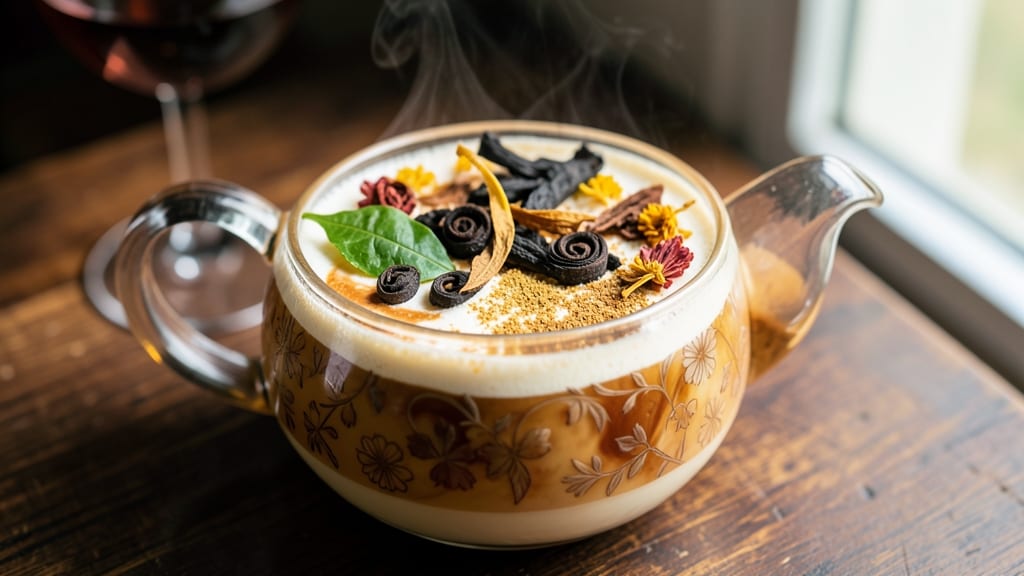
This 7 leaves mung bean milk tea recipe delivers the velvety sweetness and fragrant bloom that makes it a Taiwanese classic. 💫 The secret lies in blending perfectly toasted mung bean powder with rich milk and aromatic tea leaves, creating a drink that’s both comforting and refreshing.
I’ve refined this recipe to balance creamy texture with floral notes, ensuring every sip transports you to a bustling night market.
The process begins with high-quality mung bean powder—lightly toasted to enhance its natural sweetness without bitterness. Brewing the tea leaves separately allows their delicate flavors to shine before combining everything into a smooth, frothy mixture.
The result? A drink that’s rich yet light, sweet yet subtly herbal, with a velvety mouthfeel that’s impossible to resist.
Whether you prefer it hot or cold, this recipe adapts effortlessly to your mood. For a vegan twist, simply swap dairy milk for coconut or almond milk without sacrificing creaminess.
The key is patience—letting the mung bean powder steep fully and adjusting sweetness to taste ensures a harmonious balance every time.
Perfect for sipping alone or sharing with friends, this milk tea is a versatile treat. Garnish with a sprinkle of crushed peanuts or a dusting of mung bean powder for extra flair. Let’s create something truly special—one sip at a time.
Ingredients for 7 leaves mung bean milk tea
Toasted mung bean powder and floral tea leaves blend into velvety sweetness for this Taiwanese classic.
| Ingredient | Amount | Notes |
|---|---|---|
| Mung Bean Powder 🌾 | ½ cup | Lightly toasted for sweetness |
| Coconut Milk 🥥 | 2 cups | Full-fat for creaminess |
| Green Tea Leaves 🍵 | 2 tsp | High-quality Sencha or Jasmine |
| Black Tea Leaves ☕ | 2 tsp | Assam or Ceylon preferred |
| Oolong Tea Leaves 🍃 | 2 tsp | Lightly roasted for floral notes |
| Pu-erh Tea Leaves 🍄 | 1 tsp | Ripe variety for depth |
| Jasmine Tea Leaves 🌸 | 1 tsp | Freshly opened for aroma |
| White Tea Leaves 🌿 | 1 tsp | Silver Needle for delicate flavor |
| Granulated Sugar 🍬 | ¼ cup | Adjust to taste |
| Hot Water 💧 | 4 cups | Freshly boiled |
| Crushed Peanuts 🥜 | ¼ cup | Optional garnish |
The mung bean powder is non-negotiable—look for lightly toasted varieties at Asian markets (the 7 Leaves brand is a cult favorite). Freshness matters here: if the powder smells bitter, toast it yourself in a dry pan for 2-3 minutes until fragrant. For the tea leaves, Whole Foods or specialty tea shops carry the best quality—avoid pre-mixed blends. The key is balance: if you love floral notes, bump up the jasmine and oolong; for earthiness, increase the pu-erh. I always double-check the tea leaf packaging dates—oxidized teas lose their depth fast.
No toasted mung bean powder? Toast regular mung bean powder in a dry skillet for 3-4 minutes until golden and aromatic. Swapping teas? Match floral notes with jasmine or chamomile, and earthy tones with rooibos or lapsang souchong. The coconut milk can be subbed for almond milk or cashew milk if you're avoiding coconut, but the creaminess will be slightly lighter. Sugar substitutes? Maple syrup or agave work beautifully—just reduce by 20% since they're sweeter. And if you're using pre-mixed tea bags, double the amount since they're less potent.
Store the dry tea leaves in an airtight container away from light—they stay fresh for 6-12 months. Toasted mung bean powder keeps for 3 months in the fridge or 6 months frozen. Once mixed, the tea stays fresh for 3 days refrigerated or 1 month frozen. Pro tip: freeze the tea in ice cube trays for single servings—just add hot water and stir. Garnish with crushed peanuts right before serving (the Trader Joe's brand is perfect for this) to add crunch and visual appeal.
Why You'll Love This Recipe
- No Blender Needed: I swear by this—just whisk the mung bean powder into hot water until smooth, then layer in the teas. No fancy equipment, no pulverized mess. My blender’s been gathering dust since I discovered this trick.
- Creamy Without Guilt: That coconut milk turns it velvety, but here’s the magic: the oolong’s toasty notes and green tea’s grassiness cut through the richness. It’s indulgent, but somehow still feels light enough for a 3 PM pick-me-up.
- Tea Party in a Cup: Honestly, I make this for everything—weeknight snacking, lazy Sundays, or when I need to impress someone who thinks "tea" means Earl Grey. Swap the tea leaves? Instantly feels special without the fuss.
- Pantry Goldmine: Between us, this recipe uses ingredients I already had sitting around. Mung bean powder lasts forever, coconut milk’s a staple, and those tea leaves? I buy them in bulk for under $10. My wallet and my taste buds win.
Step-by-step instructions for 7 leaves mung bean milk tea
Here's how to craft this velvety, aromatic tea with perfect balance every time.
🍳 Step 1: Bloom the Tea Leaves for Maximum Flavor
In a heatproof pitcher or saucepan, combine the 4 cups hot water with all the tea leaves: 2 tsp green tea leaves, 2 tsp black tea leaves, 2 tsp oolong tea leaves, 1 tsp pu-erh tea leaves, 1 tsp jasmine tea leaves, and 1 tsp white tea leaves. Here's the thing—don't stir yet. Let them steep undisturbed for 3-4 minutes at 195°F (just off boiling). You'll see the leaves unfurl dramatically, releasing their complex aromas.
This initial steeping extracts the delicate floral and earthy notes from each tea variety. The pu-erh adds depth, while the white tea contributes subtle sweetness. If your water is boiling hot, let it cool slightly first—195°F is ideal for preserving these delicate flavors without bitterness. After the initial steep, remove the leaves with a fine-mesh strainer and discard them.
👨🍳 Step 2: Toast the Mung Bean Powder for Nutty Sweetness
While the tea cools slightly, transfer the 0.5 cup mung bean powder to a dry skillet over medium-low heat. Toast it for 2-3 minutes, stirring constantly with a silicone spatula, until it develops a light golden color and releases a toasty aroma. This step transforms the raw powder into something nutty and aromatic—think lightly toasted almonds.
Don't walk away during toasting. The powder burns quickly, and you want that perfect toasted sweetness without any bitterness. Once toasted, remove from heat and let cool for 1 minute before whisking it into the tea. I like to press it through a fine-mesh sieve to eliminate any lumps, ensuring a silky texture in the final drink.
🥘 Step 3: Sweeten and Infuse with Coconut Milk
Return the strained tea to the heat and stir in the 0.25 cup granulated sugar until fully dissolved. The tea should now be room temperature—if it's still warm, let it cool completely to prevent the coconut milk from curdling. In a separate bowl, gently warm the 2 cups coconut milk over low heat until it reaches 100°F (just steaming).
Here's where it gets good—slowly pour the warm coconut milk into the tea while whisking continuously. The contrast between the creamy coconut and the complex tea flavors creates this magical harmony. For extra richness, I like to blend the coconut milk with an immersion blender for 10 seconds before adding it to the tea. This breaks up any fat separation and creates a velvety texture.
⏰ Step 4: Whisk Until Silky and Serve
Transfer the mixture back to the heat and gently warm for 1-2 minutes over low heat, stirring constantly with a whisk. You're looking for a smooth, satin-like consistency—not hot, just warmed through. The tea should now have that signature creamy, milky appearance with a delicate sheen on top. Taste and adjust sweetness if needed; you can always add more sugar at this stage.
For serving, divide into 4 glasses (about 1 cup each). Top each with 1 tablespoon crushed peanuts—this adds a delightful crunch and nutty contrast. The peanuts should be fresh and lightly toasted to complement the tea's flavors. Serve immediately while warm for the perfect balance of creamy, floral, and nutty notes.
Pro Tips For Making 7 Leaves Mung Bean Milk Tea
- Bloom the Teas First: Steep your green, black, and oolong leaves separately in hot water for 2–3 minutes before mixing—this extracts flavor without bitterness. I used to toss them all in at once, and the result was muddy and weak. Pre-infusing guarantees each tea’s character shines through in the final drink.
- Sift the Mung Powder: Lightly sift the mung bean powder through a fine-mesh strainer before whisking it into the coconut milk—this prevents clumps and ensures a silky texture. I learned this the hard way after scraping stubborn lumps off my whisk for three batches in a row.
- Heat Coconut Milk Slowly: Warm the coconut milk over medium-low heat until it’s just below a simmer (around 160°F/70°C)—boiling can curdle it and kill the creamy flavor. My first attempt at high heat turned the drink into a sad, grainy mess. Patience here makes all the difference.
- Layer Flavors Last: Add the steeped teas to the hot mung-coconut mixture after removing it from heat—this keeps the delicate tea notes from cooking off. I was skeptical until I tried it; now, the aroma and balance are spot-on every time.
Serving suggestions for this 7 leaves mung bean milk tea
Classic Taiwanese Style
Serve this milk tea in traditional Taiwanese style with a large glass filled to the brim for that iconic "7 leaves" presentation. I like to use 16-ounce heat-resistant glasses from IKEA—they hold the heat beautifully and show off the creamy layers.
For extra authenticity, add a small paper umbrella (available at Asian markets) to keep the drink cool during summer months. The umbrella also adds a nostalgic touch that transports you straight to Taipei night markets. 🌸
Hot vs Cold Serving
This tea shines in both hot and cold versions. For hot, serve immediately after whisking—its creamy texture and floral aroma are most pronounced when warm. For an iced version, chill the finished tea in the fridge for 2 hours and serve over crushed ice.
I recommend using large ice cubes (freeze water in ice cube trays) to prevent dilution. Add a thin lemon slice on the rim for a refreshing contrast to the sweetness. The cold version is perfect for summer afternoons, while hot tea feels cozy on chilly evenings. ❄️
Garnish Ideas
Beyond crushed peanuts, try these garnishes for extra flair: A sprinkle of toasted mung bean powder adds visual contrast and enhances the nutty flavor. For a crunchy twist, top with crushed sesame seeds or toasted coconut flakes.
A few drops of rose water (just 2-3 drops) add a floral aroma that pairs beautifully with the tea's complexity. I also love adding a small scoop of red bean paste on the side for dipping—it's a popular Taiwanese pairing that adds a sweet, earthy dimension. 🥜
Pairing with Snacks
This milk tea pairs wonderfully with traditional Taiwanese snacks. Serve with fried chicken cutlets (Taiwanese-style, not American fried chicken) for a savory contrast. For something lighter, offer mochi squares or pineapple tarts—their chewy texture and tropical sweetness complement the tea's creaminess.
If you're serving a crowd, set out a platter of crispy taro balls and egg waffles for dipping. The combination of textures and flavors makes this a complete snack experience that's hard to beat. 🍗
Presentation Tips
For a restaurant-quality presentation, use a white ceramic pitcher to serve the tea, which makes the creamy color stand out. Place a small lacquerware cup on the side for individual servings—this is traditional in Taiwanese tea houses.
Add a handwritten menu card with the tea's name and ingredients to elevate the experience. For a modern twist, serve in clear glass jars with metal lids, which are both functional and Instagram-worthy. The key is to make the tea the star while enhancing its natural beauty. ✨
Seasonal Variations
Adjust your serving style based on the season. In summer, serve the iced version with a mint sprig for a refreshing twist. For winter, add a cinnamon stick to the hot tea while serving—it warms the drink and adds a subtle spice note.
During fall, garnish with pumpkin seeds instead of peanuts for a seasonal touch. Spring calls for delicate garnishes like edible flowers or a light dusting of matcha powder on the surface. Each season brings new ways to enjoy this versatile tea. 🍂
Nutrition facts
Frequently asked questions
Why does the mung bean powder need toasting?
Toasting enhances the mung bean powder's natural sweetness and nutty aroma, transforming it from raw to toasty flavors. This step mimics traditional Taiwanese preparation, where the powder is lightly toasted to create that signature velvety-sweet taste. Skip this, and you'll miss the depth of flavor that makes this tea special.
Can I make this tea without coconut milk?
Use whole milk for classic creaminess or try almond milk, cashew milk, or oat milk for vegan versions. For extra richness, blend the milk with 1 tablespoon of butter (or vegan butter) before adding it to the tea. The key is warming the milk gently to 100°F to avoid curdling.
How do I adjust the sweetness for kids?
Reduce the sugar to 1-2 tablespoons instead of 0.25 cup for a milder version. Alternatively, use honey or maple syrup (just 1 tablespoon) and stir until fully dissolved. For extra kid appeal, top with mini marshmallows or a drizzle of chocolate syrup—just add these after serving to keep the tea's delicate flavors intact.
What if my tea turns out too bitter?
Bitter tea usually means over-steeping or using too much pu-erh. To fix it, stir in 1-2 teaspoons of sugar or 1 tablespoon of honey while warming the tea. For future batches, reduce the pu-erh to 0.5 teaspoon and steep the tea leaves for only 2-3 minutes. Also, ensure your water isn't boiling hot—195°F is ideal for preserving delicate flavors.
Can I make this tea ahead of time?
Yes! Prepare the tea mixture (without milk) up to 2 days ahead and store it in the fridge. When ready to serve, warm the mixture gently, then whisk in the milk. For the full batch, freeze in ice cube trays and thaw individual cubes as needed—just add hot water and stir. The texture may separate slightly when reheated, so whisk vigorously before serving.