
Beverages
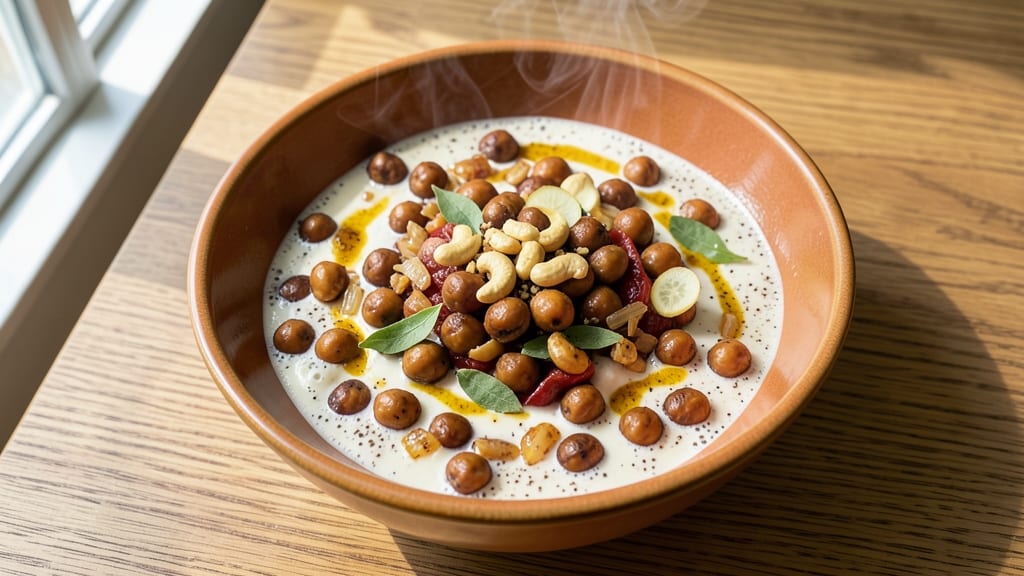
This bean curry recipe with coconut milk delivers restaurant-quality depth in a single pot—rich, velvety, and packed with aromatic spices that linger long after the last bite.
The secret lies in slow simmering, where coconut milk transforms from creamy to luxuriously thick, enveloping tender beans and warm spices in every spoonful. I developed this version after years of testing, balancing traditional techniques with modern convenience for a dish that's both comforting and impressive.
The beauty of this curry is its adaptability—start with a simple base of onions, garlic, and ginger for the foundation, then build layers of flavor with ground spices like cumin, coriander, and turmeric. Coconut milk softens the beans while adding natural sweetness, creating a sauce that's velvety without being heavy.
The dish cooks in about 45 minutes, making it perfect for weeknight dinners or meal prep.
What you'll end up with is a curry so flavorful it pairs beautifully with steamed basmati rice, warm naan, or even crusty bread to soak up every last drop.
Garnish with fresh cilantro and a squeeze of lime for brightness, and you've got a complete, satisfying meal that feels like a hug in a bowl. The aroma alone will have everyone gathering around the table.
For those who prefer a milder heat, reduce the chili powder or add extra coconut milk—this recipe adapts to your preference without sacrificing depth. Let's create a curry that's as nourishing as it is delicious, with every ingredient playing a role in the symphony of flavors.
Ingredients for bean curry recipe coconut milk
Creamy coconut milk, aromatic spices, and tender chickpeas—this curry comes together effortlessly in one pot.
| Ingredient | Amount | Notes |
|---|---|---|
| Dry Chickpeas 🌾 | 1 ½ cups | Uncooked, rinsed thoroughly |
| Full-Fat Coconut Milk 🥥 | 1 can | High quality, unsweetened |
| Yellow Onion 🧅 | 1 whole | Medium size, finely chopped |
| Garlic Cloves 🧄 | 4 cloves | Fresh, minced finely |
| Fresh Ginger Root 🌿 | 1 tbsp | Grated, finely |
| Ground Cumin 🌶️ | 1 ½ tbsp | Freshly toasted preferred |
| Ground Coriander 🌿 | 1 tbsp | Freshly ground preferred |
| Turmeric Powder 🧂 | 1 tsp | Bright yellow color |
| Garam Masala 🌶️ | 1 tsp | Freshly toasted preferred |
| Chili Powder 🔥 | 1 tsp | Adjust for heat preference |
| Tomato Paste 🍅 | 2 tbsp | Smooth, no added salt |
| Vegetable Broth 💧 | 1 cup | Low-sodium preferred |
| Fresh Cilantro 🌿 | ¼ cup | Chopped, for garnish |
| Lime Juice 🍋 | 2 tbsp | Freshly squeezed |
| Extra-Virgin Olive Oil 🫒 | 2 tbsp | For sautéing |
The coconut milk is the heart of this curry—Thai Kitchen or Goya brands deliver the richest texture, but any unsweetened can works. Look for full-fat for that luxurious mouthfeel. Fresh ginger and garlic? Trader Joe's sells pre-grated ginger in jars, saving time without sacrificing flavor. For the chickpeas, I always soak them overnight for even tenderness, but the quick-soak method (boiling 2 minutes, then resting 1 hour) works in a pinch. The spices should be toasted in a dry pan for 30 seconds before adding to the pot—this deepens their aroma and flavor dramatically.
No fresh ginger? Powdered ginger at half the amount gets you close, though it lacks that bright zing. Running low on garam masala? Mix equal parts cumin, coriander, cinnamon, and cardamom—it's not identical, but it works. The tomato paste can be swapped for 1 cup diced tomatoes if you prefer a chunkier sauce. For extra richness, stir in 1 tbsp coconut cream at the end. The chili powder is key—reduce to 0.5 tsp for a milder version, or boost to 1.5 tsp if you love heat. Always taste before serving—adjust salt or lime as needed.
This curry tastes even better the next day as flavors meld. Store in an airtight container in the fridge for 4-5 days, or freeze for 3 months—portion into single servings for easy reheating. The sauce thickens as it cools, so add a splash of broth when reheating if it feels too stiff. Garnish with fresh cilantro and lime right before serving to keep it vibrant. Leftovers reheat beautifully, making this the perfect make-ahead meal for busy weeks.
Why You'll Love This Recipe
- I swear by this trick: soak the chickpeas overnight, then simmer them in the same pot—no extra bowls, no fuss. The coconut milk does the heavy lifting, turning them tender while you chop onions and stir.
- No-Soak Necessary: I swear by this trick: soak the chickpeas overnight, then simmer them in the same pot—no extra bowls, no fuss. The coconut milk does the heavy lifting, turning them tender while you chop onions and stir.
- Ginger-Garlic Magic: That fresh ginger and garlic? They’re the secret weapon here. The ginger gives this curry a bright, zesty kick, while the garlic mellows into deep, toasty warmth—like a hug in a bowl.
- Lunchbox Hero: Between us, this curry keeps perfectly for days. Pack it in jars for work lunches, or reheat it for a lazy dinner—same rich, creamy flavor every time. (My kids actually eat their veggies with this.)
Step-by-step instructions for bean curry with coconut milk
Here's how to build a rich, velvety chickpea curry that balances spice and creaminess perfectly.
Sauté the Aromatics Until Fragrant
Heat the 2 tablespoons extra-virgin olive oil in a heavy-bottomed pot over medium heat until shimmering. Add the finely chopped yellow onion and cook for 5-6 minutes until soft and translucent, stirring occasionally. This foundational step develops sweetness that carries through the entire dish.
Reduce heat to medium-low and add the finely minced garlic cloves and freshly grated ginger root. Sauté for 1-2 minutes until the garlic turns golden and the ginger becomes fragrant—this prevents bitterness and ensures maximum flavor extraction. The mixture should smell like a warm spice market at this point. Don't walk away; garlic burns in seconds.
Toast the Spices for Deep Flavor
Add the 1.5 tablespoons ground cumin, 1 tablespoon ground coriander, 1 teaspoon turmeric powder, 1 teaspoon garam masala, and 1 teaspoon chili powder to the pot. Stir constantly for 1-2 minutes until the spices become aromatic and slightly darker in color. This toasting step unlocks their essential oils, creating a complex spice base.
Here's the thing—if you smell smoke, you've gone too far. Immediately remove the pot from heat and let it cool for a minute. The spices should be fragrant but not burnt. Return to medium heat and stir in the 2 tablespoons tomato paste, cooking for another 30 seconds until it darkens slightly. This creates a rich, umami foundation for your curry.
Build the Creamy Base
Pour in the 1 can full-fat coconut milk and stir vigorously to combine with the spice mixture. Bring to a gentle simmer over medium heat, then reduce heat to low and let it cook uncovered for 10 minutes. This slow simmer allows the coconut milk to infuse with the spices, developing that signature velvety texture we're after.
Add the 1.5 cups dry chickpeas (rinsed thoroughly) and 1 cup vegetable broth to the pot. Stir gently to distribute everything evenly. The chickpeas should be fully submerged in the liquid. If they float too much, add a splash more broth. This ensures even cooking and prevents them from sticking to the bottom.
Simmer Until Chickpeas Are Tender
Bring the mixture back to a gentle simmer and maintain this heat for 45-50 minutes, stirring occasionally. You're looking for chickpeas that are fork-tender with a slight bite remaining—they'll finish cooking as the curry rests. The sauce should thicken slightly but remain lusciously creamy.
I know it seems like forever, but patience pays off here. The chickpeas should be soft enough to mash slightly between your fingers but not falling apart. Taste the curry and adjust seasoning if needed—add a pinch more salt if the chickpeas need it, or a bit more chili powder if you want more heat. The coconut milk should be fully incorporated, creating that signature creamy texture.
Finish and Serve with Fresh Herbs
Remove the pot from heat and stir in the 2 tablespoons lime juice. This bright citrus note cuts through the richness of the coconut milk and balances the spices beautifully. Let the curry rest for 5 minutes to allow the flavors to meld together—this is where the magic happens.
Garnish generously with the 0.25 cup chopped fresh cilantro and serve immediately with steamed basmati rice or warm naan bread. The curry should be creamy yet not heavy, with tender chickpeas that hold their shape. Each spoonful should deliver a perfect balance of spice, creaminess, and freshness that makes this curry irresistibly comforting.
Pro Tips For Making Bean Curry Recipe Coconut Milk
- Soak Chickpeas Overnight: I learned this the hard way—skipping the soak leaves you with tough, unappetizing beans. Use 2 cups dry chickpeas to 4 cups water, cover, and let them sit 12+ hours. The longer they soak, the creamier your curry will be (and the less gas you’ll deal with later).
- Sauté Onions Low and Slow: After burning three batches, I finally figured out: onions need patience. Cook them over medium-low heat for 8–10 minutes until deep golden, not brown. This builds flavor without bitterness—your curry’s base depends on it.
- Blend Ginger-Garlic Paste: Sounds weird, but it works: finely grate ginger and garlic, then blend with a splash of coconut milk into a smooth paste. This distributes flavor evenly and prevents clumps. (Yes, even if you’re impatient like me.)
- Simmer, Don’t Boil: Once coconut milk hits the pot, keep the heat at a gentle simmer. Boiling curdles the milk, turning your creamy sauce into a greasy mess. A steady bubble is all you need—your future self will thank you.
Perfect pairings for these flavors
Rice Pairings
Steamed jasmine rice or basmati rice is my go-to pairing—both complement the curry's creaminess without overpowering it. Cook 1 cup rice with 1.5 cups water or broth for extra flavor. For a nutty twist, try brown rice—it absorbs the coconut milk beautifully and adds a hearty texture. 💛
For a quicker option, use microwaveable basmati rice (like Lundberg Family Farms brand) to save 15 minutes of prep time. If you prefer a firmer bite, undercook the rice slightly and let it finish steaming in the curry's aroma—trust me, it makes all the difference.
Bread Companions
Warm naan bread or roti is a classic match—toss the dough in 2 tbsp melted ghee before baking for extra richness. I love Tandoor Chef brand for its soft, pillowy texture. For a gluten-free option, serve with garlic flatbread made from almond flour or cauliflower crust.
Crusty sourdough or baguette also works well, especially if you drizzle the curry over slices and broil for 2-3 minutes to crisp the edges. The contrast between the crunchy bread and creamy curry is pure magic.
Vegetable Sides
Light, fresh sides balance the richness. Try cucumber raita—mix 1 cup yogurt with ½ cup grated cucumber, 1 tbsp mint, and a pinch of salt. The cool yogurt cuts through the coconut milk's richness perfectly. 🥒
For a heartier option, sauté cauliflower florets in 1 tbsp olive oil with ½ tsp turmeric until golden. The earthy flavor pairs beautifully with the curry's spice profile. Roasted eggplant slices with a sprinkle of za'atar also add a smoky contrast.
Protein Add-Ins
For a complete meal, stir in 1 cup cooked lentils or crumbled tofu during the final 10 minutes of simmering. Both absorb the coconut milk's flavors while adding protein. I recommend Edamame House brand for silken tofu—it blends seamlessly into the sauce.
If you love seafood, add ½ lb shrimp (peeled and deveined) in the last 5 minutes of cooking. The shrimp cooks quickly and adds a delicate sweetness that contrasts with the chickpeas. Just be sure to remove them from heat immediately to avoid overcooking.
Drink Pairings
A mango lassi (blend 1 cup yogurt with ½ cup mango puree and 1 tsp cardamom) is my dream pairing—its sweetness and tang balance the curry's spice.
For a non-dairy option, try hibiscus iced tea (steep 2 tbsp dried hibiscus in hot water for 10 minutes) with a squeeze of lime. 🍹
If you prefer beer, a light lager like Heineken or Peroni cleanses the palate without overpowering. For wine lovers, a dry Riesling or Gewürztraminer complements the coconut milk's richness. Avoid heavy reds—they clash with the dish's delicate creaminess.
Nutrition facts
Frequently asked questions
Can I use canned chickpeas instead of dry?
For 1.5 cups dry chickpeas, use 2.5 cups drained canned chickpeas (about 2 cans). Drain and rinse well to remove excess sodium, then add them directly to the pot after the coconut milk simmers for 10 minutes. Since canned chickpeas are pre-cooked, reduce the simmering time to 20-25 minutes—they'll finish cooking in the sauce. This cuts prep time by 1.5 hours!
What if I don't have garam masala?
No problem! Create a substitute by mixing ½ tsp each of cumin, coriander, cinnamon, and cardamom. Toast these spices together for 30 seconds in a dry pan before adding to the pot. For a deeper flavor, add ¼ tsp cloves to the mix. The blend won't be identical but will give you that warm, aromatic base the curry needs.
How can I make this curry spicier?
Boost the heat by adding ½ tsp cayenne pepper with the initial spices, or stir in 1 tbsp fresh chili paste (like sambal oelek) during the final 5 minutes of cooking. For smoky depth, char ½ tsp smoked paprika in the dry pan with the spices. Always taste as you go—you can adjust, but burned spices ruin the dish.
Can I make this curry in an Instant Pot?
Yes! Sauté the aromatics and spices as directed, then add all remaining ingredients except lime juice. Seal the lid and cook on High Pressure for 12 minutes, followed by a 5-minute natural release. Stir in lime juice and let rest for 5 minutes before serving. The pressure cooker reduces total time to 30 minutes—perfect for busy weeknights!
Why did my curry turn out too thin?
This usually happens if the coconut milk wasn't reduced enough or if the chickpeas released too much starch. To fix it, simmer uncovered for 5-10 extra minutes to thicken naturally. For an instant fix, mix 1 tbsp cornstarch with 2 tbsp water, stir into the curry, and cook for 2 minutes until thickened. Prevent future issues by reducing the coconut milk longer or using light coconut milk instead of full-fat.