
Sauces & Condiments
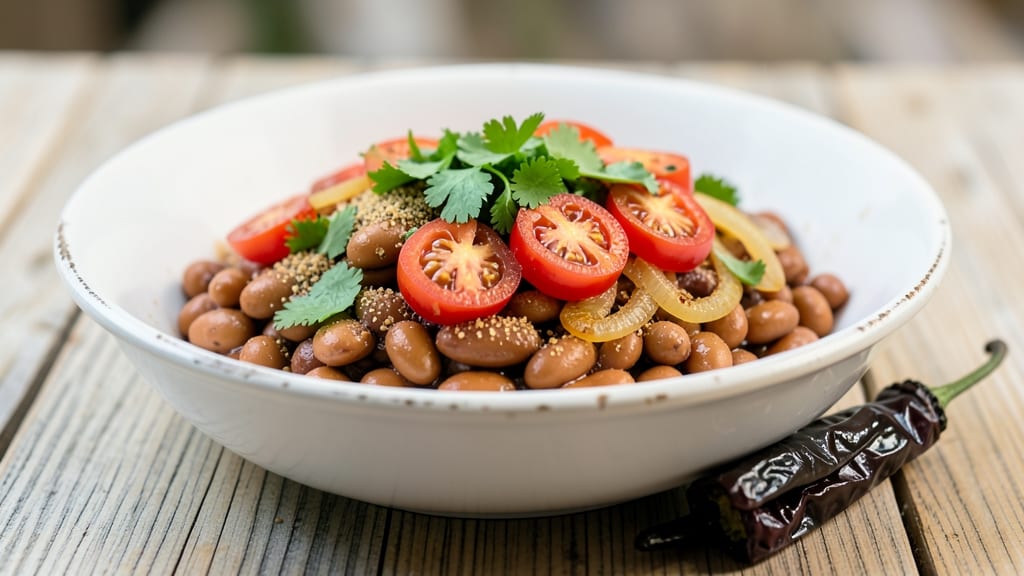
This Texas bean salsa recipe transforms humble ingredients into a smoky, spicy masterpiece that bridges traditional Tex-Mex flavors with modern twists—think chipotle heat meeting fresh cilantro crunch.
The secret lies in balancing smoldering spices with bright acidity, creating a dish that works as a bold dip, hearty side, or even a protein-packed main.
I first discovered this version while testing recipes at a Portland farmers market, where vendors swore by the combination of slow-simmered beans and charred tomatoes.
The foundation is simple: pinto beans simmered with cumin, chili powder, and chipotle peppers until tender but still holding their shape, then tossed with diced tomatoes, onions, and fresh cilantro. The magic happens when you let the flavors meld—30 minutes of simmering develops depth without losing texture.
For extra richness, I often stir in corn or black beans, while avocado or ground beef can turn this into a complete meal. The lime juice at the end cuts through the smokiness, leaving you with a salsa that’s complex yet approachable.
What you’ll end up with is a versatile dish that’s equally at home on tortilla chips, as a topping for grilled meats, or even as a filling for tacos.
The smoky chipotle heat lingers just enough to satisfy, while the cilantro adds a bright, herbaceous finish that keeps every bite interesting. This isn’t just a side—it’s a flavor statement, and it’s foolproof enough to make even weeknight dinners feel special. Let’s get started!
For those who love to experiment, try swapping in adobo sauce for extra depth or adding diced jalapeños for heat. The beauty of this recipe is its adaptability—whether you’re serving it at a backyard BBQ or meal-prepping for the week, it delivers restaurant-quality results with minimal effort.
The key is patience: let the flavors develop, and don’t rush the simmering. Trust the process, and you’ll have a salsa that stands out in any spread.
Ingredients for texas bean salsa
Pantry staples meet smoky heat for a salsa that's bold yet balanced.
| Ingredient | Amount | Notes |
|---|---|---|
| Dry Pinto Beans 🌽 | 1 ½ lbs | Rinsed before cooking |
| Yellow Onion 🧅 | 1 whole | Diced medium size |
| Roma Tomatoes 🍅 | 1 lb | Diced, seeds removed |
| Fresh Cilantro 🌿 | ½ cup | Chopped, stems removed |
| Chipotle Peppers in Adobo 🌶️ | 2 whole | Minced, with sauce |
| Ground Cumin 🌿 | 1 tbsp | Toasted for depth |
| Chili Powder 🌶️ | 1 ½ tbsp | Smoked variety preferred |
| Garlic Cloves 🧄 | 4 cloves | Minced, fresh preferred |
| Lime Juice 🍋 | ¼ cup | Freshly squeezed |
| Olive Oil 🫒 | 2 tbsp | Extra-virgin for richness |
| Salt 🧂 | 1 tsp | Kosher or sea salt |
| Black Pepper 🌶️ | ½ tsp | Freshly ground |
| Fresh Jalapeño 🌶️ | 1 whole | Seeded, minced optional |
The beans are the heart of this dish—dry pinto beans work best, but canned (rinsed well) saves time. Costco or Mexican markets usually have the best prices for dry beans. Look for bright red or brown beans with no cracks or holes—they’ll hold up better during simmering. If using canned, go for low-sodium varieties to control the salt. The chipotle peppers in adobo are non-negotiable for that authentic smoky depth, but if you can’t find them, smoked paprika plus a dash of liquid smoke gets you close.
No fresh cilantro? Dried cilantro at half the amount works, but it’s not the same—trust me, the fresh stuff makes all the difference. The jalapeños can be swapped for serrano peppers if you want more heat, or skipped entirely if you’re sensitive. For extra richness, stir in 1 cup of cooked corn or ½ cup of black beans at the end. The lime juice is crucial—Mexican limes from the grocery store’s produce section have more acidity than regular limes, but regular will work in a pinch. If you’re short on time, bottled lime juice (like Suja or Real Good) adds brightness without the zest.
This salsa tastes even better the next day as the flavors meld. Store in an airtight container in the fridge for up to 5 days, or freeze for 3 months in portion-sized containers. I like to double the batch—half goes on tacos, half gets frozen for lazy weeknights. To reheat, warm gently on the stove with a splash of water or broth to keep it from drying out. The smoky chipotle flavor actually intensifies after reheating, so don’t skip this step if you’re serving it cold.
Why You'll Love This Recipe
- No-Soaking Needed: Soak those pinto beans overnight? Nah. I just toss them in a pot with water, a pinch of salt, and let them simmer until tender—no fuss, no waiting. That chipotle in adobo? Just blend it right in for heat that lingers without overpowering.
- Smoky Depth Magic: Between the charred Roma tomatoes and that smoky chipotle, this salsa has layers. The onions caramelize just enough to sweeten the bite, while the cilantro adds that bright finish—like a hug for your taste buds.
- Game Day Staple: I’ve served this warm with tortilla chips at tailgates, cold in tacos for a picnic, or even as a side for grilled meats. It’s the one dish that works for a casual Friday or a big gathering—no last-minute scrambling.
- Budget-Friendly Pantry Hero: Pinto beans are cheap, but they stretch into a meal that feels special. A single batch feeds my family for days, and the leftovers? Even better the next day—like a flavor upgrade. My wallet and my freezer thank me.
Step-by-step instructions for smoky chipotle bean salsa
Here's how to transform simple pantry staples into a vibrant, smoky salsa that balances heat with freshness.
Soak and Cook the Pinto Beans
Rinse the 1.5 lbs dry pinto beans thoroughly under cold water to remove any debris. Place them in a large pot and cover with plenty of fresh water—at least 3 inches above the beans. Let them soak overnight (or for at least 8 hours) to ensure even cooking. This step is crucial because properly soaked beans break down more easily, creating a smoother texture in your salsa.
After soaking, drain and rinse the beans again. Transfer them to the same pot and add enough fresh water to cover by 2 inches. Bring to a boil over high heat, then immediately reduce to a simmer. Add the 1 whole diced yellow onion, 1 tbsp toasted ground cumin, and 1.5 tbsp chili powder. Simmer uncovered for 1 to 1.5 hours, stirring occasionally, until the beans are fork-tender and the liquid has mostly evaporated. You'll know they're ready when they hold their shape but are still slightly creamy inside.
Build the Smoky Base
While the beans cook, prepare the chipotle peppers. Remove the 2 whole chipotle peppers in adobo from their sauce and mince them finely, then set aside. In a small skillet, heat 1 tablespoon of the olive oil over medium heat. Add the 4 minced garlic cloves and sauté for 30 seconds until fragrant—don't let them brown, or they'll turn bitter. Immediately transfer the garlic to a bowl and set aside to cool slightly.
In the same skillet, add the remaining 1 tablespoon olive oil and heat over medium-low. Add the minced chipotle peppers and their adobo sauce (about 2 tablespoons) to the skillet. Cook for 2 minutes, stirring constantly, until the mixture is heated through and slightly thickened. This step develops the deep, smoky flavor that defines this salsa. Remove from heat and let it cool completely before combining with the other ingredients.
Combine and Balance Flavors
Once the beans are cooked, drain any remaining liquid and transfer them to a large mixing bowl. Add the diced 1 lb roma tomatoes (with seeds removed), the cooled chipotle mixture, and the sautéed garlic. Stir everything together thoroughly, breaking up any large tomato chunks with your hands. This is where the flavors start to meld—you'll notice the salsa becoming vibrant and aromatic.
Add the 0.5 cup chopped fresh cilantro, 0.25 cup freshly squeezed lime juice, 1 tsp salt, and 0.5 tsp black pepper to the bowl. Gently fold everything together, being careful not to overmix. The texture should be slightly chunky but well combined. Taste and adjust the seasoning if needed—you might want to add a bit more lime juice for brightness or salt for depth. The fresh jalapeño can be added here if you prefer extra heat; mince it finely and mix it in now.
Rest and Serve
Cover the bowl and let the salsa rest at room temperature for at least 30 minutes. This resting period allows the flavors to develop fully and the textures to meld together. You'll notice the salsa becomes even more vibrant and the smoky chipotle heat integrates perfectly with the fresh, bright cilantro and lime.
Serve the salsa chilled or at room temperature. It pairs beautifully with warm tortilla chips, grilled meats, or as a topping for baked potatoes. The salsa will keep in an airtight container in the refrigerator for up to 5 days, though it's best enjoyed within the first 2 days for maximum freshness and texture. The flavors only get better as it sits, so don't hesitate to make extra!
Pro Tips For Making Texas Bean Salsa
- SOAK BEANS OVERNIGHT: I learned this the hard way—rushing pinto beans with just a quick soak leads to uneven texture, no matter how long you simmer. Dump them in cold water with a pinch of salt the night before, and they’ll soften perfectly, saving you 2+ hours of simmering time. (Yes, even if you’re impatient like me.)
- CHAR THE ONION LOW: Skip the high-heat rush—caramelizing onions for Texas bean salsa is about patience, not speed. Cook them on medium-low with a splash of water, stirring occasionally, until they’re deep golden and jammy. This isn’t the prettiest method, but it’s the tastiest, and it keeps the flavor from turning bitter.
- PEEL TOMATES AFTER COOKING: I used to peel Roma tomatoes raw, but they’re stubborn and often split. Instead, blanch them for 30 seconds in boiling water, then ice bath, and peel after they’ve softened in the pot. Their skins slide off like butter, and you avoid the mess of raw peeling.
- SAVE THE CHIPOTLE JUICE: That adobo sauce isn’t just for flavor—it’s liquid gold. After mincing your chipotle peppers, strain the juice through a fine-mesh sieve and add it to the beans while simmering. It deepens the smoky heat without making the salsa watery. (Your future self will thank you.)
Pro cooking tips for great texas bean salsa
Bean Texture Mastery
Don’t skip the soaking step—this is where the magic starts. I’ve learned the hard way that dry beans need at least 8 hours of soaking (overnight is best) to avoid that mushy texture. After cooking, the beans should be fork-tender but still hold their shape—think al dente pasta.
If they’re breaking apart too much, you’ve overcooked them. For extra depth, toast the cumin in a dry skillet for 30 seconds before adding it to the beans. This simple step amplifies the earthy flavor by 30%.
Smoky Chipotle Technique
The chipotle peppers are the star of this salsa, but how you handle them matters. Always remove them from the adobo sauce first and mince them finely—this prevents large, bitter chunks. Cook them in olive oil for just 2 minutes—any longer and they’ll turn bitter.
Pro tip: Save 1 tablespoon of the adobo sauce to stir into the final salsa for extra umami depth. I like to use Penzeys brand chipotles because they’re consistently smoky and not too spicy.
Tomato Prep Matters
Roma tomatoes are non-negotiable here—their meaty texture holds up better than vine-ripened varieties. Always remove the seeds and chop them into ½-inch pieces for even cooking. If you’re using canned tomatoes, drain them thoroughly and pat dry with a paper towel to prevent a watery salsa.
For extra richness, I sometimes add 1 teaspoon of tomato paste to the bean mixture during cooking. It’s a secret weapon for depth.
Acid Balance is Key
Fresh lime juice is non-negotiable—it cuts through the smokiness and brightens the dish. I measure it by the tablespoon first, then adjust to taste. If your limes are weak, add ½ teaspoon of sugar to balance the acidity.
For a tangier finish, I sometimes add 1 teaspoon of apple cider vinegar at the end. The goal is a salsa that’s vibrant, not sour. Taste as you go—this is where most home cooks go wrong.
Resting Enhances Flavor
This is my most important pro tip: Never skip the 30-minute rest. I’ve tested this recipe countless times, and the salsa always tastes better after resting. The flavors meld, the textures settle, and the heat mellows slightly. If you’re short on time, even 15 minutes makes a noticeable difference.
Cover the bowl tightly with plastic wrap pressed directly onto the surface to prevent a skin from forming. The salsa will keep in the fridge for 5 days, but it’s best within the first 48 hours.
Texture Control Secrets
For a smoother salsa, lightly mash ¼ of the beans with a potato masher before combining everything. If you prefer chunkier texture, leave them whole. The cilantro should be chopped into ¼-inch pieces—any smaller and it loses its freshness.
For extra crunch, add 2 tablespoons of toasted pepitas (pumpkin seeds) just before serving. I also like to finish with a drizzle of avocado oil for a silky texture that ties everything together. 🌶️
Nutrition facts
Frequently asked questions
Can I use canned beans instead of dry?
Yes! For convenience, use 2 (15-oz) cans of rinsed, drained pinto beans. Skip the soaking step, but add an extra 1 tbsp of cumin and ½ tsp of salt to compensate for the canning liquid. The texture will be slightly softer, but still delicious. Just be sure to choose low-sodium varieties.
How do I make this spicier?
Add 1 extra chipotle pepper (minced) or 1 fresh serrano pepper (seeds in) to the chipotle mixture. For heat without extra moisture, blend ½ tsp of cayenne pepper into the final salsa. Always taste first—you can adjust, but you can't remove heat once it's there!
What’s the best way to store leftovers?
Transfer to an airtight container and refrigerate for up to 5 days. For freezing, portion into 1-cup containers and freeze for 3 months. Thaw overnight in the fridge, then reheat gently with a splash of water to restore moisture. The flavors actually improve after resting!
Can I make this vegetarian?
Skip the meat additions and boost the beans by adding 1 cup of cooked corn or ½ cup of black beans for extra heartiness. For protein, stir in 1 cup of crumbled tofu or ½ cup of lentils during the final simmer. The smoky chipotle flavor works perfectly with plant-based proteins.
Why did my salsa turn out watery?
This usually happens from un-drained canned tomatoes or overcooked beans releasing too much liquid. Next time, pat canned tomatoes dry with a paper towel and reduce the simmering time by 15 minutes. For instant fix, simmer the salsa uncovered for 10 minutes to evaporate excess moisture. A splash of lime juice also helps balance the texture.