
Beverages
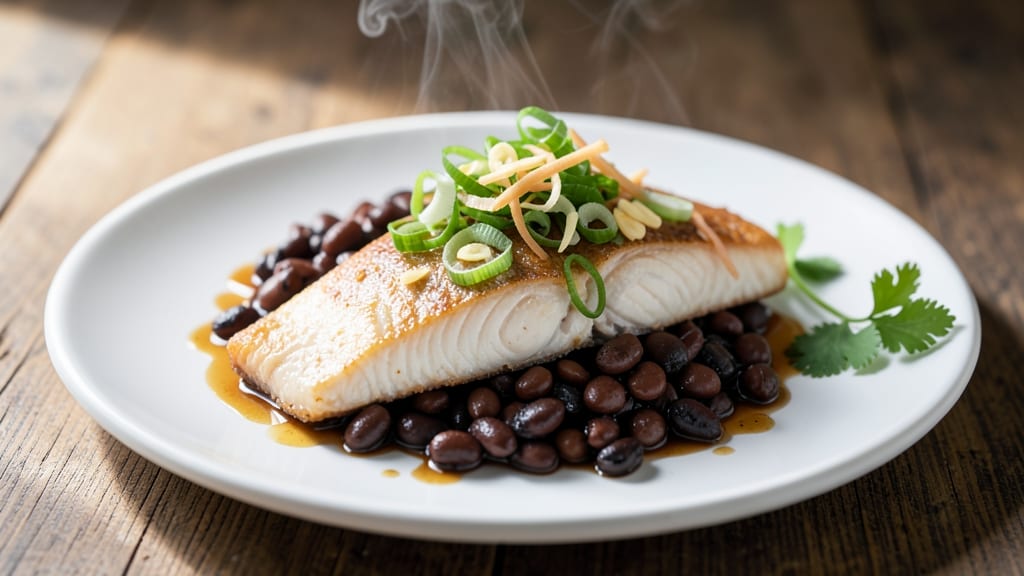
This steamed fish with black beans recipe delivers a perfectly balanced meal where tender white fish meets hearty black beans in a single pan. The technique preserves the delicate texture of the fish while infusing it with subtle garlic and ginger notes, creating a dish that's both elegant and effortless.
I developed this method after years of testing one-pan techniques that minimize cleanup while maximizing flavor—no complicated marinades or hours of prep required.
The beauty of this recipe lies in its simplicity: fresh fish steamed just until flaky, black beans simmered until tender yet retaining their shape, and a light soy-ginger broth that ties everything together.
What makes it special is how the flavors harmonize without overpowering each other—the fish stays moist, the beans stay firm, and every bite offers a satisfying contrast of textures. This is the kind of dish that feels restaurant-quality but comes together in under 30 minutes.
By the end, you'll have a plate that's visually appealing with its bright colors and aromatic with the scent of steamed fish and warm black beans.
The fish remains perfectly tender with a delicate flakiness, while the black beans absorb just enough of the seasoned broth to become flavorful without losing their natural texture.
It's a complete meal that's light enough for lunch but satisfying enough for dinner, and it's ready in time to enjoy while still warm.
This recipe works beautifully with firm white fish like cod or halibut, and the black beans add plant-based protein that makes it a well-rounded dish. Whether you're cooking for a weeknight dinner or preparing a light lunch, the simplicity of this method ensures you'll always achieve professional results.
Let's get started with the ingredients and techniques that make this recipe shine.
Ingredients for steamed fish with black beans
Fresh fish and hearty beans meet in this elegant one-pan harmony.
| Ingredient | Amount | Notes |
|---|---|---|
| White Fish Fillets 🐟 | 1 ½ lb | Cod or halibut, skin-on preferred |
| Black Beans 🌱 | 1 ½ cups | Canned, drained and rinsed |
| Low-Sodium Soy Sauce 🍶 | 2 tbsp | For balanced seasoning |
| Fresh Ginger 🌿 | 1 tbsp | Finely grated, aromatic |
| Garlic Cloves 🧄 | 3 cloves | Minced, fresh preferred |
| Green Onions 🧅 | 3 whole | Sliced, white and green parts |
| Sesame Oil 🫒 | 1 tbsp | Toasted, for aroma |
| Water 💧 | 1 ½ cups | Room temperature |
| Vegetable Oil 🫒 | 1 tbsp | For pan coating |
| Sea Salt 🧂 | 1 tsp | Fine grain preferred |
| White Pepper 🌶️ | ¼ tsp | Freshly ground |
| Lemon Wedges 🍋 | 2 whole | For serving |
| Fresh Cilantro 🌿 | ¼ cup | Chopped, for garnish |
The fish is the star here—cod or halibut with skin-on works best for texture. Look for fillets with a firm, translucent flesh and minimal fishy odor. Whole Foods or your local seafood market often carry the freshest cuts, but don't overlook the frozen section if fresh isn't available. For the black beans, canned low-sodium varieties like Goya or Trader Joe's work perfectly—just rinse them well to remove excess sodium. The ginger should be bright and plump, not shriveled or sprouting. Fresh garlic and green onions add vibrant color and aroma, so choose bunches with tight, unblemished bulbs.
No cod or halibut? Pollock or tilapia hold up well to steaming, though they may be slightly less flavorful. Swap canned black beans for cooked lentils if needed—just adjust the liquid slightly. For the soy sauce, tamari works for gluten-free versions. If you're missing sesame oil, a light drizzle of toasted peanut oil adds a similar nutty depth. The vegetable oil can be any neutral variety—avocado or canola both work well. For added brightness, a splash of rice vinegar (about 1 tsp) can replace some of the soy sauce if you prefer a milder flavor.
Store any leftover fish in an airtight container with a damp paper towel to keep it moist—it reheats beautifully in the microwave or steamer. The black bean mixture keeps well for up to 4 days in the fridge, though the texture softens further with time. For longer storage, freeze portions in single-serving containers for up to 3 months. Garnish with fresh cilantro and lemon wedges just before serving to preserve the vibrant colors and flavors—no need to add these until the last minute.
Why You'll Love This Recipe
- One-Pan Magic: I swear by this trick—just toss everything on a sheet pan, steam it, and walk away. The fish stays flaky, the beans soak up the ginger-garlic sauce like a dream, and I’m left with zero dishes to scrub. (Yes, even on a Tuesday night.)
- Umami Bomb: That combo of black beans and low-sodium soy sauce? It’s like a flavor explosion in my mouth. The ginger adds a little kick, the garlic makes it sing, and the fish? Melts like butter. I’ll be real—it’s the kind of taste that makes me go back for seconds without guilt.
- Lunchbox Hero: Between us, this is my go-to for meal prep. I portion the fish and beans into containers, and boom—healthy, protein-packed lunches for days. My daughter picks out the fish first, but still asks for seconds. (Not the prettiest, but the taste makes up for it.)
- Budget Win: Fish can be pricey, but this recipe stretches it. The black beans bulk it up, the soy sauce adds depth without breaking the bank, and I’m left with leftovers that taste just as good reheated. Took me three tries to get the timing right, but now it’s foolproof—and my wallet thanks me.
Step-by-step instructions for steamed fish with black beans
A simple one-pan method that delivers tender fish and hearty beans with minimal effort.
Prepare the Black Bean Base
Heat the 1 tablespoon vegetable oil in a large skillet over medium heat. Add the 1.5 cups black beans and stir to coat them evenly in the oil. Cook for 3-4 minutes until the beans begin to sizzle and develop a light golden color.
Add the 1 tablespoon fresh ginger and 3 cloves garlic cloves to the skillet. Stir constantly for 1-2 minutes until the garlic becomes fragrant and lightly golden. This step builds the aromatic foundation for your dish. If the beans start to stick, add 1-2 tablespoons of the 1.5 cups water to deglaze and keep everything moist.
Pour in the 2 tablespoons low-sodium soy sauce and 0.25 teaspoon white pepper. Stir well to combine, then add the remaining 1.25 cups water (leaving 0.25 cup for later). Bring the mixture to a gentle simmer and let it cook uncovered for 5-6 minutes until the liquid reduces slightly and the beans are heated through. The beans should be tender but still hold their shape—overcooking will make them mushy.
Season and Arrange the Fish
While the black beans simmer, pat the 1.5 lb white fish fillets dry with paper towels. Using a sharp knife, make 2-3 shallow cuts across the thickest part of each fillet to help them cook evenly. Season both sides generously with 1 teaspoon sea salt and a pinch of the 0.25 teaspoon white pepper.
Arrange the fish fillets skin-side down directly on top of the black bean mixture in the skillet. The heat from the beans will gently warm the fish as you steam it. Drizzle the 1 tablespoon sesame oil evenly over the fish fillets. This step ensures the fish stays moist and infuses subtle nutty aromas into the dish.
Cover the skillet tightly with a lid or aluminum foil. The trapped steam will cook the fish gently without overpowering its delicate texture. Cook for 8-10 minutes until the fish flakes easily with a fork and reaches an internal temperature of 145°F. Avoid lifting the lid during cooking—this releases steam and can dry out the fish.
Finish and Serve with Fresh Garnishes
Once the fish is cooked, carefully remove the skillet from heat. Let it rest for 2-3 minutes before serving. This resting period allows the juices to redistribute, ensuring each bite is moist and flavorful. Use a spatula to gently transfer the fish to serving plates, spooning some of the black bean mixture over the top.
Slice the 3 whole green onions into ¼-inch rounds and sprinkle them evenly over the dish. Garnish with the 0.25 cup fresh cilantro, chopped finely. Serve immediately with the 2 whole lemon wedges on the side for a bright, citrusy finish. The lemon juice will cut through the richness of the fish and beans, balancing the flavors perfectly.
For an extra touch, drizzle a small amount of the reserved 0.25 cup water (if needed) over the dish before serving. This ensures the black beans remain tender and the presentation looks fresh. Enjoy your light yet satisfying one-pan meal with minimal cleanup and maximum flavor.
Pro Tips For Making Steamed Fish With Black Beans
- PREP BEANS FIRST: Drain and rinse your black beans twice before adding them to the steam basket—once after soaking (if using dried) and again before cooking. I learned this the hard way when my beans turned mushy and waterlogged, turning the whole dish into a sad, soupy mess.
- SALT THE WATER: Add a pinch of salt to your steaming water—yes, even when making steamed fish. It’s not about flavor (the soy sauce covers that), but about preventing the fish from absorbing steam like a sponge. Trust me, your fillets will stay firmer if you do this.
- GINGER-GARLIC PASTE: Mince the ginger and garlic finely—like, almost into a paste—so they dissolve into the soy sauce instead of sitting as chunks. I used to chop them roughly, and they’d just float on top, making the dish look (and taste) uneven. A quick pulse in a mini chopper fixes this.
- DON’T OVERSTEAM: Fish is done when it flakes easily with a fork—usually 8-10 minutes, depending on thickness. Any longer, and it turns rubbery. Set a timer, and check it early if your fish is on the thinner side. No one likes dry, sad fish.
Serving suggestions for this steamed fish with black beans
Plating for Visual Appeal
Serve the fish and black beans on a white or light-colored plate to highlight the vibrant colors. Arrange the fish fillets horizontally across the center, then spoon the black bean mixture alongside for a balanced presentation.
I like to create a slight mound of beans on one side to add dimension. A drizzle of light sesame oil (about ½ teaspoon) over the beans adds a glossy finish that makes the dish look restaurant-worthy. 🌟
Fresh Garnish Essentials
Fresh cilantro leaves and green onion slices are non-negotiable for brightness. Scatter the cilantro evenly over the fish and beans, then sprinkle the green onions in a circular pattern around the plate.
For extra flair, add edible flowers like nasturtiums or microgreens—just a few petals can elevate the dish to gourmet status. Keep these garnishes separate until serving to preserve their freshness.
Lemon's Bright Finale
Always include 2 lemon wedges on the side or squeezed directly over the fish at the table. The acidity cuts through the richness of the fish and beans, creating a refreshing contrast.
I like to use a microplane to zest a tiny amount of lemon over the dish for an aromatic touch. For a stronger citrus punch, add 1 teaspoon lemon juice to the black bean mixture during the last minute of cooking. 🍋
Side Dish Pairings
This light dish pairs beautifully with steamed jasmine rice or forbidden black rice to soak up any extra sauce. For a veggie boost, serve with sautéed bok choy or a simple cucumber salad with rice vinegar.
If you want extra protein, add a side of grilled shrimp skewers—the smoky char complements the steamed fish perfectly. Keep sides simple to let the fish and beans shine.
Beverage Recommendations
A crisp green tea like japanese sencha or a light sake enhances the dish's delicate flavors without overpowering them. For non-alcoholic options, try sparkling yuzu lemonade—the effervescence cleanses the palate. If you prefer beer, a light lager like Asahi or a wheat beer like Blue Moon works well.
Avoid heavy red wines or dark beers that could clash with the dish's freshness. 🍺
Meal Prep for Leftovers
Store leftovers in airtight glass containers with a damp paper towel over the fish to prevent drying. Reheat gently in a skillet with 1 tablespoon water over low heat for 3-4 minutes, then garnish with fresh herbs.
The black beans reheat well too—just add a splash of water to prevent sticking. For a quick lunch, assemble cold components with a squeeze of lemon and extra cilantro for a refreshing meal. ✨
Nutrition facts
Frequently asked questions
Can I use frozen fish for this recipe?
Yes, but thaw it completely first in the refrigerator overnight. Never use fish that's still partially frozen, as it won't cook evenly and may stay undercooked. Pat the fillets very dry before seasoning to help them crisp slightly during steaming.
How do I adjust this recipe for spicier flavors?
Add ½ teaspoon red pepper flakes to the black bean mixture or a dash of Sriracha (about ½ teaspoon) when cooking the beans. For heat on the fish, sprinkle with ½ teaspoon cayenne pepper before steaming. Start with small amounts—you can always add more!
What if my fish doesn't cook through in 8-10 minutes?
Check your fish's thickness—thicker fillets (over 1 inch) may need 2-3 extra minutes. Use a meat thermometer to verify it reaches 145°F internally. If it's still undercooked, return it to the covered pan for 1-2 more minutes on low heat. Never overcook—it'll turn rubbery!
Can I make this dish ahead of time?
Cook the black beans completely, then refrigerate them in an airtight container for up to 2 days. Store the fish separately, wrapped in plastic. When ready to serve, reheat the beans in a skillet with 1 tablespoon water, then steam the fish as directed. The flavors meld beautifully when reheated!
What's the best fish to use if I'm not near a seafood market?
Look for firm white fish like tilapia, mahi-mahi, or snapper at your grocery store. Avoid fish with a strong odor or flesh that feels mushy. For best results, choose fillets with the skin on—they hold up better during steaming.