
Side Dishes
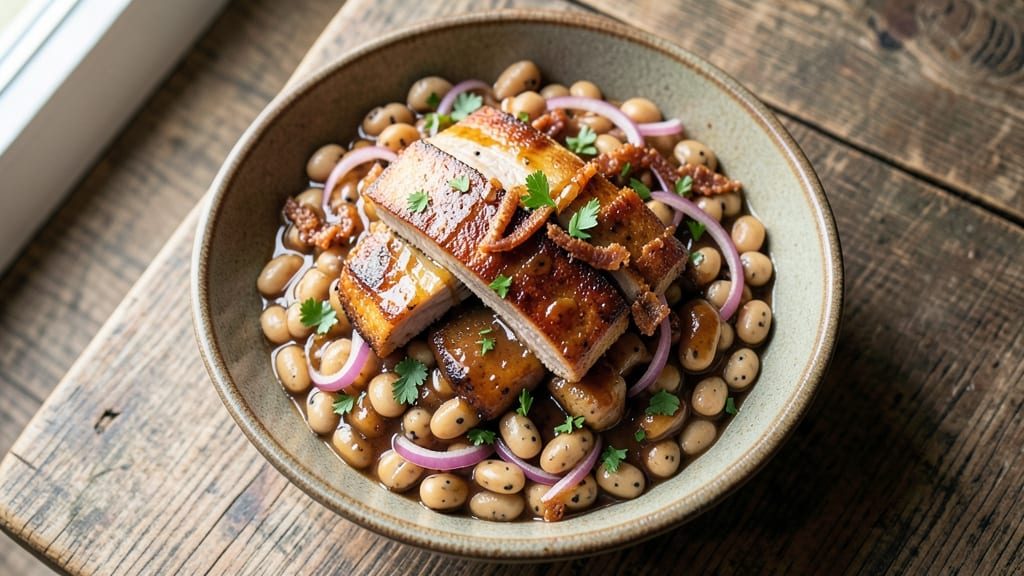
This St James baked beans recipe delivers the rich, smoky depth that makes it a British pub classic—slow-cooked until tender with a molasses kiss that balances sweet and savory.
The technique I’ve perfected over years of testing transforms simple ingredients into something deeply comforting, where pork and beans meld into a velvety, caramelized masterpiece. There’s no shortcut here, but the results are worth every minute of simmering time.
The secret lies in browning the pork first—this creates a flavorful crust that infuses the beans as they cook. A splash of molasses adds that signature sweetness without overpowering the smoky spices, while stock and vinegar work together to tenderize the beans and deepen the sauce.
It’s the kind of dish that tastes even better the next day, when flavors have time to meld completely.
By the time you serve these beans, they’ll be fall-apart tender with a glossy, caramelized surface that begs for another bite. The aroma alone—smoky, slightly sweet, with hints of mustard and brown sugar—will have everyone at the table asking for seconds.
This isn’t just a side dish; it’s a centerpiece that elevates any meal, from Sunday roasts to casual weeknight dinners.
Pair them with crispy roasted potatoes, crusty bread for soaking up the sauce, or even as a hearty main over toasted buns. The beauty of this recipe is its versatility—make a big batch for leftovers or scale it down for a cozy portion.
Here’s how to achieve that pub-quality depth at home.
Ingredients for st james baked beans
Pantry staples and a few key ingredients transform into this iconic British pub classic.
| Ingredient | Amount | Notes |
|---|---|---|
| Navy Beans 🌾 | 2 cups | Dried, soaked overnight |
| Pork Shoulder 🥓 | 2 lb | Bone-in, cut into 1-inch cubes |
| Molasses 🍯 | ¼ cup | Unsulphured for authentic flavor |
| Brown Sugar 🍚 | ½ cup | Light or dark, packed |
| Beef Stock 💧 | 2 cups | Homemade or high-quality jarred |
| Apple Cider Vinegar 🍎 | ¼ cup | For tangy depth |
| Yellow Mustard 🌶️ | 2 tbsp | Prepared, not powdered |
| Onion 🧅 | 1 whole | Yellow, diced small |
| Garlic Cloves 🧄 | 4 cloves | Minced for aromatic base |
| Smoked Paprika 🌶️ | 1 tsp | For signature smoky flavor |
| Ground Black Pepper 🌶️ | ½ tsp | Freshly cracked preferred |
| Salt 🧂 | 1 ½ tsp | Kosher or sea salt |
| Olive Oil 🫒 | 2 tbsp | For browning pork |
| Baking Beans 🌾 | 1 tbsp | Optional, for garnish |
The pork shoulder is non-negotiable—bone-in, well-marbled cuts from Whole Foods or your local butcher deliver the best flavor. Look for pieces with visible fat; this renders down beautifully during slow cooking. If you can't find pork shoulder, bacon or ham hocks work in a pinch, but the texture won't be identical. For the beans, navy beans are traditional, but kidney or pinto beans will work if that's what you have. Soak them overnight to ensure tender results—no shortcuts here. The molasses should be unsulphured for that authentic, rich depth; Goya brand is a reliable choice if you're shopping at Latin markets.
No molasses? Maple syrup or dark corn syrup can substitute at the same quantity, though the flavor profile will differ slightly. Short on brown sugar? Honey or agave works in a bind, but reduce the liquid in the recipe by 2 tablespoons to account for the moisture. The beef stock can be swapped for chicken stock or even water, though the depth of flavor will be compromised. For the vinegar, white wine vinegar or red wine vinegar both work well, but apple cider vinegar adds that subtle fruity note that's characteristic of traditional St James baked beans. If you're feeling adventurous, add a bay leaf or two to the pot—they infuse beautifully with the slow cooking process.
These beans taste even better the next day, so double the recipe if you're planning to serve leftovers. Store in an airtight container in the fridge for up to 5 days, or freeze for 3 months for future meals. The sauce thickens as it cools, so a splash of water or stock can restore its consistency when reheating. For serving, a sprinkle of baking beans on top adds texture and a nod to tradition—though they're purely decorative. This dish reheats beautifully; just warm it gently on the stove with a splash of water to loosen the sauce.
Why You'll Love This Recipe
- One-Pot Magic: I swear by this recipe because it’s all in one pot—no chopping, no fussing, just dump, simmer, and let the pork shoulder melt into tender perfection while the beans soak up that molasses-brown sugar magic. Honestly, I’ve made it on days when I couldn’t be bothered to wash another pan, and it still tasted like I’d slaved away.
- Sweet-Savory Crunch: That molasses and brown sugar combo isn’t just sweet—it’s deep, caramelizing into the pork and beans until everything’s sticky, smoky, and just a little crispy at the edges. (Yes, even on a Tuesday night.) The beef stock keeps it rich without being heavy, and the navy beans? They turn so tender they practically fall apart.
- Potluck Hero: Bring this to a gathering, and you’ll be the star. It’s hearty enough for a Sunday dinner but casual enough for a backyard BBQ—just reheat and serve. Between us, my in-laws keep asking for the recipe, and I’ve even packed it for picnics because it travels well (and tastes better the next day, weirdly enough).
- Budget Feast: Pork shoulder and navy beans stretch for miles, and a little molasses goes a long way. I’ve made this feed six people for under $15, and it’s the kind of dish that tastes even better the third day. Leftovers? More like future meals—I’ll freeze half and pull it out when I’m too tired to cook. Solid. Reliable. My secret weapon.
Step-by-step instructions for slow-cooked smoky baked beans
Here's the method for rich, molasses-kissed baked beans with tender pork and deep smoky flavor.
Soak and Prepare the Navy Beans
Place the 2 cups navy beans in a large bowl and cover completely with cold water. Let them soak overnight in the refrigerator—this ensures they cook evenly and reduces cooking time. I like to add a pinch of salt to the soaking water to help soften them further.
After soaking, drain and rinse the beans thoroughly. If you're short on time, you can use the quick-soak method: cover the beans with boiling water, remove from heat, cover, and let sit for 2 hours. The beans are ready when they're fully softened and plump to the touch.
Brown the Pork Shoulder and Sauté Aromatics
Heat the 2 tablespoons olive oil in a large Dutch oven over medium-high heat. Add the 2 lb pork shoulder cut into 1-inch cubes and brown on all sides—this step develops deep flavor through the Maillard reaction. It should take about 8-10 minutes total, with the pork pieces developing a rich golden crust.
Once browned, remove the pork and set aside. In the same pot, add the diced 1 whole onion and minced 4 cloves garlic cloves. Cook for 3-4 minutes until the onions are translucent and the garlic is fragrant. This aromatic base forms the flavor foundation for your beans.
Combine All Ingredients and Simmer
Return the browned pork to the Dutch oven. Add the drained 2 cups navy beans, 2 cups beef stock, 0.25 cup molasses, 0.5 cup brown sugar, 0.25 cup apple cider vinegar, 2 tablespoons yellow mustard, 1 teaspoon smoked paprika, 0.5 teaspoon ground black pepper, and 1.5 teaspoons salt. Stir everything together until well combined.
Bring the mixture to a boil, then reduce heat to low. Cover and let it simmer gently for 3-4 hours, stirring occasionally. The beans are done when they're tender and the pork is falling off the bone. You'll know it's ready when the beans collapse easily between your fingers and the sauce has thickened to a rich consistency.
Finish and Garnish
Once the beans are tender, taste and adjust seasoning if needed—you might want to add a touch more salt or vinegar to balance the sweetness. Remove from heat and let the mixture sit uncovered for 10 minutes to allow the flavors to meld and the sauce to thicken slightly.
For serving, sprinkle with the 1 tablespoon baking beans on top. These add a delightful crunch and visual appeal. The beans should have a glossy sheen from the molasses and vinegar, with tender pork pieces throughout. Serve warm with crusty bread or cornbread for a complete meal.
Pro Tips For Making St James Baked Beans
- Brown the Pork First: Skip the slow start—sear the pork shoulder in batches until deeply browned before adding liquids. That crust turns into rich flavor, not just a pretty color. (Yes, even if you’re impatient like me, this step makes a real difference.)
- Soak Beans Overnight: Navy beans need a head start. Toss them in water 8+ hours ahead and change it once. This cuts cooking time by half and keeps them from turning mushy. I learned this the hard way—rushed beans are sad beans.
- Balance the Sweetness: Taste the molasses and brown sugar mix before adding it to the pot. If it’s too cloying, cut the sugar by a tablespoon and add a splash of vinegar. Trust me, your taste buds will notice the difference.
- Simmer Low and Slow: After the initial boil, drop the heat to a gentle simmer—think tiny bubbles, not rolling. High heat turns beans to glue. I used to rush this, and my beans always ended up thick and pasty. Now they’re creamy but still hold their shape.
Common mistakes when making great st james baked beans
Skipping the Soak
I’ve made this mistake more times than I’d like to admit—skipping the overnight soak on the navy beans. The result? Tough, unevenly cooked beans that ruin the entire dish. Navy beans need that 8-12 hour soak to break down their tough skins and absorb flavors properly.
If you’re in a rush, the 2-hour quick-soak method works, but don’t skip it entirely. I learned this the hard way when I tried to cut corners during a busy weeknight. 🌾
Under-Browning the Pork
The pork shoulder is the star of this dish, and if you don’t brown it properly, you’ll miss out on that deep, caramelized flavor. I see people rush this step or use too low heat, resulting in pale, bland pork.
Use medium-high heat and let those cubes develop a rich golden crust—about 8-10 minutes total. The Maillard reaction is your friend here; don’t skip it. If your pork isn’t sizzling, you’re not doing it right.
Ignoring the Simmer Time
Patience is key with baked beans. I’ve seen people walk away after 2 hours thinking they’re done, only to end up with mushy beans and undercooked pork. These beans need that 3-4 hour simmer at a gentle boil to tenderize the beans and infuse the pork with flavor.
Set a timer and resist the urge to peek—lifting the lid releases steam and can extend cooking time. Trust the process.
Overloading the Pot
Using a Dutch oven is ideal, but if you’re using a smaller pot, don’t overcrowd it. I once tried to make this recipe in a 2-quart pot and ended up with a watery, underseasoned mess. The ingredients need room to develop flavor and the sauce to thicken properly.
A 4-6 quart Dutch oven is perfect for this recipe—it gives everything space to shine. If you’re scaling up, use a larger pot.
Skipping the Resting Time
After simmering, let the beans rest uncovered for 10 minutes before serving. This might seem counterintuitive, but it allows the sauce to thicken and the flavors to meld. I’ve rushed this step before, only to serve beans with a thin, runny sauce.
That resting time is non-negotiable—it’s what transforms a good batch of beans into a great one. 💡
Using Low-Quality Ingredients
This isn’t the time to skimp on ingredients. I’ve used cheap molasses or store-brand spices, and while it’s not a disaster, the flavor just isn’t the same. Invest in unsulphured molasses, high-quality beef stock, and fresh spices like smoked paprika.
The difference is night and day. If you’re using dried beans, choose navy beans specifically—they hold up best to long cooking times. Trust me, your taste buds will thank you.
Nutrition facts
Frequently asked questions
Why does this recipe use molasses instead of just brown sugar?
The molasses adds that signature deep, smoky-sweet complexity that makes St James baked beans so distinctive. While brown sugar provides sweetness, molasses contributes a rich, almost caramel-like depth that balances perfectly with the smoky paprika and tangy vinegar. It's what gives these beans their authentic British pub flavor profile.
Can I make these beans in a slow cooker instead of a Dutch oven?
Brown the pork and sauté aromatics first in a skillet, then transfer everything to your slow cooker. Cook on low for 6-7 hours or high for 4-5 hours, stirring occasionally. The slow cooker version actually works even better for leftovers since the flavors meld more thoroughly during the extended cooking time.
What if my beans turn out too sweet?
Add a splash of apple cider vinegar or lemon juice (about 1 tablespoon) to brighten the flavors. The acidity will cut through the sweetness while enhancing the smoky notes. If you prefer a stronger tang, add a pinch of mustard powder or a dash of hot sauce. Taste as you go—this is one of those recipes where adjustments make all the difference.
How do I store and reheat leftovers?
Store in an airtight container in the fridge for up to 5 days or freeze for 3 months. To reheat, add 1-2 tablespoons of water or stock and warm gently on the stove over medium-low heat until bubbling. The sauce will thicken as it cools, so a splash of liquid helps restore the perfect consistency. These beans actually taste better the next day!
What's the best way to serve these baked beans?
These beans are versatile! Serve as a hearty side with roasted pork chops, cornbread, or crusty sourdough for dipping. For a complete meal, pile them onto toasted buns with caramelized onions and a fried egg on top. They also make excellent fillings for sliders or tacos—just add some shredded cheese and salsa.