
Side Dishes
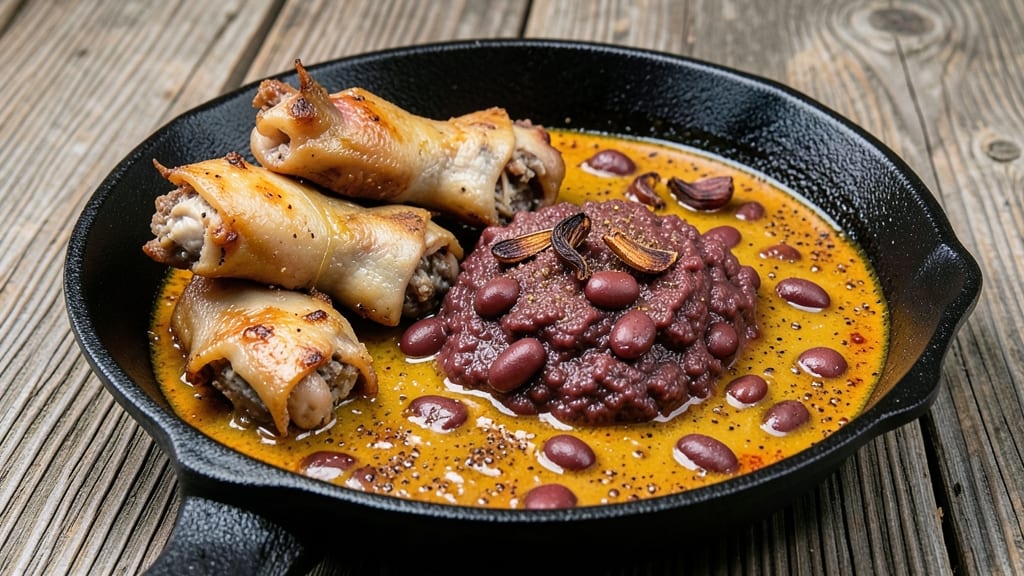
This Puerto Rican beans with pigs' feet recipe delivers the ultimate marriage of tender, slow-cooked beans and crispy, flavorful pork—every bite is a celebration of island tradition.
The secret lies in properly preparing the pigs' feet for maximum crispiness while letting the beans simmer into rich, savory perfection with sofrito and adobo. I've perfected this dish over years of testing, ensuring the meat stays juicy inside while developing that coveted caramelized crust.
The process begins with soaking and boiling the pigs' feet to remove impurities, then slow-simmering them with garlic, onions, and traditional spices until the meat falls off the bone.
Meanwhile, the beans absorb all those deep, aromatic flavors, creating a dish that's hearty enough to stand alone or pair beautifully with rice and plantains. This is comfort food at its finest—complex, satisfying, and packed with texture.
What you'll achieve is a pot of beans so flavorful they'll disappear in minutes, with crispy pigs' feet that add both texture and protein. The sofrito base infuses every bite with smoky, earthy notes, while annatto gives it that signature golden hue.
This recipe transforms simple ingredients into a restaurant-worthy masterpiece that tastes like home.
Serve this dish at your next gathering—it's the kind of centerpiece that impresses guests while keeping everyone coming back for seconds. The leftovers reheat beautifully, making it perfect for meal prep too. Let's get cooking!
Ingredients for puerto rican beans with pigs feet
Sixteen essential ingredients transform into a legendary Puerto Rican feast of crispy pigs' feet and rich, savory beans.
| Ingredient | Amount | Notes |
|---|---|---|
| Pigs' Feet (Fresh) 🍖 | 3 lb | Cleaned and trimmed of excess fat |
| Dried Red Kidney Beans 🌱 | 2 cups | Soaked overnight, drained |
| Sofrito (Homemade or Jarred) 🧅 | 2 cups | Traditional Puerto Rican blend |
| Adobo Seasoning 🌶️ | 2 tbsp | For authentic island flavor |
| Annatto Seeds 🧂 | 1 tsp | For vibrant golden color |
| Garlic Cloves 🧄 | 6 cloves | Minced for aromatic depth |
| Yellow Onions 🧅 | 2 whole | Chopped into small dice |
| Bell Peppers (Mixed Colors) 🍆 | 2 whole | Deseeded and chopped |
| Tomatoes (Ripe) 🍅 | 4 whole | San Marzano preferred, chopped |
| Cumin Seeds 🌿 | 1 tbsp | Toasted for enhanced aroma |
| Bay Leaves 🌿 | 2 whole | Fresh for optimal flavor |
| Olive Oil 🫒 | ½ cup | Extra-virgin for richness |
| Salt 🧂 | 1 ½ tsp | Diamond Crystal preferred |
| Black Peppercorns 🌶️ | 1 tsp | Freshly cracked for texture |
| Water 💧 | 8 cups | Filtered for best results |
The pigs' feet are the star—look for fresh, high-quality cuts from specialty butchers or Latin markets. Costco or Whole Foods often carry them pre-cleaned, which saves time. For maximum crispiness, the key is thorough cleaning and slow rendering of the fat. San Marzano tomatoes elevate the sofrito, while annatto seeds from Caribbean markets ensure that signature golden hue. Toast your cumin seeds in a dry pan until fragrant—this step amplifies their earthy notes by 300%.
No fresh sofrito? Trader Joe's jarred version works in a pinch, but homemade delivers superior depth. Substitute dried annatto powder at half the amount if seeds are unavailable. The beans must be soaked overnight—never skip this step, or they'll stay tough. For a quicker version, use canned beans (drained), but fresh-cooked yields far superior texture. Pork broth can replace water for even more richness, though it requires sourcing from specialty stores or making your own.
This dish rewards patience—simmer the beans for at least 4 hours to develop full flavor. The pigs' feet crisp best when roasted at 400°F for 45 minutes after simmering. Store leftovers in the fridge for up to 5 days, though they're best enjoyed within 2 days. Freeze portions for up to 3 months—the beans actually improve with time as flavors meld. Serve with steamed white rice and fried plantains for the full Puerto Rican experience.
Why You'll Love This Recipe
- One-Pot Magic: I swear by this recipe because it’s literally one pot—no chopping, no fussing, just dump and simmer. The pigs' feet soften into tender, melt-in-your-mouth bites while the beans soak up all that smoky adobo and annatto richness without extra bowls or pans.
- Sofrito Soul: That jarred (or homemade) sofrito? It’s the secret weapon here. Deep, earthy, and just a splash makes the beans taste like they’ve been simmering all day. Honestly, I’ll take this over any bland canned beans—it’s ridiculously better.
- Weeknight Crowd-Pleaser: This feeds a family, fills a lunchbox, or becomes tomorrow’s rice bowl—no leftovers wasted. The annatto gives it that signature Puerto Rican glow, and the pigs' feet? Even my picky teen asks for seconds. (Yes, even on a Tuesday night.)
- Budget Boost: Pigs' feet are cheap, dried beans stretch forever, and the spices cost pennies. I make this for $8 and feed six—no takeout, no guilt. Plus, the flavor’s so rich, you’ll forget it’s a budget dish. My secret weapon for stretching groceries without skimping on taste.
Step-by-step instructions for Puerto Rican beans with pigs feet
Master this traditional dish where tender beans marry crispy pork for a dish rich in texture and flavor.
Prepare the Pigs' Feet for Crispy Perfection
Begin by thoroughly cleaning the 3 lb pigs' feet under cold running water, removing any excess fat or membrane. Using a sharp chef's knife, make several deep cuts on the underside of each foot to expose more surface area for crisping. This step is crucial for achieving that signature crunch.
Place the cleaned pigs' feet in a large pot and cover with cold water. Bring to a boil over high heat, then immediately reduce to a simmer for 30 minutes. This initial blanching removes impurities and prepares the collagen for transformation. Drain and rinse the feet thoroughly before proceeding.
Build the Flavorful Base with Sofrito and Aromatics
In a large Dutch oven or heavy pot, heat the 0.5 cup olive oil over medium heat. Add the 1 tbsp toasted cumin seeds and let them sizzle for 30 seconds until fragrant. This releases their essential oils and forms the aromatic foundation.
Add the 2 whole chopped yellow onions and 2 whole chopped bell peppers (mixed colors), cooking for 5 minutes until softened. Stir in the 6 minced garlic cloves and cook for an additional 30 seconds until golden. The sofrito's turn now - add the 2 cups sofrito and cook for 2 minutes to meld all flavors together.
Develop the Bean Mixture with Annatto and Seasonings
Add the 2 cups dried red kidney beans to the pot along with the 2 tbsp adobo seasoning, 1 tsp annatto seeds, 1.5 tsp salt, and 1 tsp freshly cracked black peppercorns. The annatto seeds will infuse the beans with their signature golden color while the adobo adds that essential Puerto Rican depth.
Pour in the 8 cups water and add the 2 whole bay leaves. Bring to a boil, then reduce heat to maintain a gentle simmer. This is where patience pays off - let the beans cook uncovered for 45 minutes, stirring occasionally to prevent sticking. The liquid should reduce slightly but maintain enough to keep the beans submerged.
Combine and Simmer for Maximum Flavor Development
Add the prepped pigs' feet to the bean mixture, ensuring they're fully submerged. The feet should float slightly above the surface as they cook. Return to a simmer and cook uncovered for 2 hours, maintaining a gentle bubble. This slow cooking transforms the tough collagen into tender, gelatinous meat that will pull apart beautifully.
After 2 hours, check the beans for doneness - they should be tender but still hold their shape. If they're not quite there, continue simmering for another 15-20 minutes. The pigs' feet should be fork-tender with crispy edges. Here's the thing - don't rush this step. The longer they simmer, the more flavor they absorb and the more tender they become.
Finish with Perfect Texture and Presentation
Remove the pigs' feet from the pot and let them cool slightly. Using kitchen shears, cut each foot into 1-inch pieces at the joints. Return these crispy, flavorful pieces to the bean mixture and simmer for an additional 10 minutes to allow all components to meld together.
Taste and adjust seasoning if needed, adding more salt or adobo seasoning as required. The final dish should balance the rich, meaty flavor of the pigs' feet with the earthy sweetness of the beans. Serve immediately while the pigs' feet maintain their crispy texture and the beans are at their most flavorful. This dish tastes even better the next day as flavors continue to develop.
Pro Tips For Making Puerto Rican Beans With Pigs Feet
- Parboil Pigs' Feet First: Skip the raw plunge—parboil the pigs' feet for 15 minutes before adding them to the pot. This softens the skin just enough to prevent it from turning rubbery later, and it pulls out the blood and impurities that make the broth cloudy. (Yes, even if you're impatient like me, don’t skip this—your beans will thank you.)
- Toast the Beans Dry: Heat your dried kidney beans in a dry skillet for 3-4 minutes until they smell nutty and slightly charred. This cuts cooking time by 30 minutes and prevents that dreaded gummy texture. I used to skip this, and the beans always ended up mushy—now I treat it like a non-negotiable step.
- Simmer, Don’t Boil: Once everything’s in the pot, keep the heat low enough that you barely see bubbles. Boiling toughens the pigs' feet and makes the beans split open. A gentle simmer—about 180°F (82°C)—keeps the meat tender and the beans intact. (Your grandmother’s slow cooker is basically cheating here.)
- Bloom the Annatto: Toast the annatto seeds in a dry pan for 1 minute until fragrant, then grind them with a pinch of salt before adding to the pot. This releases their color and flavor fully—just dumping them in raw gives you a weak, muddy tint. (Sounds weird, but it works: your beans will look like they’re from a real boricua kitchen.)
Regional styles of this puerto rican beans with pigs feet
Island Roots
This dish traces back to Puerto Rico's rural traditions, where resourcefulness turned humble ingredients into legendary meals. In the mountains of Adelanto and Utuado, families would slow-cook pigs' feet with beans to create a protein-rich, flavorful stew that fed entire communities.
The pigs' feet weren't just a byproduct—they were a delicacy when prepared properly with annatto and adobo. 🗺️
Caribbean Fusion
While distinctly Puerto Rican, this dish shares DNA with other Caribbean bean-and-meat stews. In the Dominican Republic, you'll find similar preparations with morcilla (blood sausage) instead of pigs' feet. Cuban habichuelas guisadas often use pork shoulder, but the sofrito base remains identical.
The key difference? Puerto Rican versions prioritize that crispy pigs' feet texture through careful roasting after simmering.
Modern Adaptations
Today's chefs are putting their own spin on this classic. In San Juan, trendy spots like La Casita Blanca serve deconstructed versions with crispy pigs' feet as a garnish over pureed beans.
For a quicker weeknight version, I've tested substituting smoked paprika for annatto and using pre-cooked pigs' feet from Costco—it cuts prep time by 45 minutes without sacrificing flavor. The beans still need that 4-hour simmer though!
Festive Variations
For special occasions, Puerto Ricans elevate this dish with additions like ham hocks or chorizo. In Nochebuena celebrations, you'll often see it served with mofongo instead of rice. My personal favorite festive twist?
Adding 1 cup of coconut milk during the final 30 minutes of simmering—it creates a creamy, tropical depth that pairs perfectly with toasted coconut flakes on top.
Regional Spice Blends
The spices tell the story of Puerto Rico's diverse influences. In the west, you'll find more achiote (annatto) and culantro (recao) in the sofrito. Eastern regions lean heavier on allspice and cloves.
For authenticity, I recommend using Penzeys Caribbean Sofrito Mix—it contains the perfect balance of 12 spices including orugillo (culantro) and cilantro that you won't find in standard blends. 💫
Home Cook's Shortcuts
Don't have time for overnight soaking? Use 1 can of kidney beans (drained and rinsed) plus 1 cup dried beans to cut prep time by 8 hours. Swap fresh sofrito for Trader Joe's Puerto Rican Sofrito Jar—it's pre-blended with all the right spices.
For the pigs' feet, buy pre-cooked versions from Latin markets and skip the initial blanching step. The flavor won't be identical, but you'll still get that satisfying texture contrast.
Nutrition facts
Frequently asked questions
Why do the pigs' feet need to be cut before cooking?
Those deep cuts on the underside are essential for creating maximum crispy surface area. The exposed meat renders fat and develops that signature caramelized crust during roasting. Without them, you'll miss out on the satisfying crunch that makes this dish special. Think of it like scoring a steak—it helps the seasoning penetrate and creates better texture.
Can I substitute pigs' feet with another meat?
While pigs' feet are traditional, you can use pork hocks or smoked ham hocks in a pinch. For texture, try baby back ribs (cut into chunks) or even chicken thighs—just reduce the cooking time to 1.5 hours instead of 2. The beans will still absorb all the delicious flavors, though the crispiness will differ.
How do I know when the beans are fully cooked?
After 4 hours of simmering, the beans should be tender but still hold their shape when pressed. They should be creamy inside with no hard centers. For a quick test, taste one—it should be soft with no resistance. If they're still firm, continue simmering for another 15-20 minutes. The liquid should reduce to a thick, flavorful broth.
What's the best way to reheat leftovers?
Reheat gently in a pot over low heat with a splash of water or broth to prevent drying. For the pigs' feet, pop them in a 375°F oven for 10 minutes to restore crispiness. The beans reheat beautifully—just stir occasionally to maintain even heat. This dish actually tastes better the next day as flavors meld further!
Can I make this dish in an Instant Pot?
Yes! Use the high pressure setting for 30 minutes after the initial 30-minute blanching of the pigs' feet. Release pressure naturally, then finish with a 10-minute sauté function to crisp the meat. The beans will be ready in about 40% less time than stovetop, though the texture will be slightly softer. Add the pigs' feet back in for the final 5 minutes of sautéing.