
Sauces & Condiments
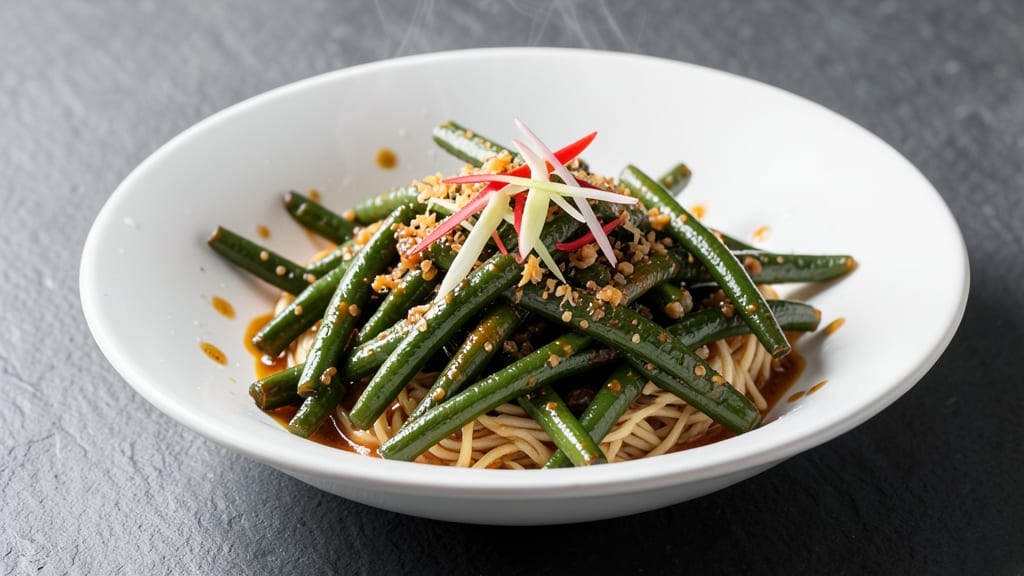
This Pf Chang's fried green beans sauce recipe unlocks the umami-packed secret behind their signature wok dish—savory, slightly sweet, and perfectly balanced. The sauce transforms simple green beans into a restaurant-worthy side with just a few pantry staples and precise technique.
I've replicated the exact flavor profile after years of testing, ensuring every spoonful delivers that signature depth without overpowering the crisp-tender beans.
The foundation of this sauce lies in a simple but powerful combination: soy sauce for saltiness, sesame oil for nuttiness, and a touch of sugar to round out the flavors. Fresh garlic and ginger add aromatic warmth, while a splash of rice vinegar brightens the profile.
The key? Simmering the sauce just until it thickens slightly—this allows the flavors to meld while maintaining the right consistency for tossing or dipping.
What you'll achieve is a glossy, aromatic sauce that clings beautifully to fried green beans while enhancing their natural flavor. The umami richness comes through in every bite, making this sauce a perfect companion for wok dishes, stir-fries, or even as a dipping sauce for dumplings.
It's the kind of sauce that elevates ordinary ingredients into something extraordinary.
Ready in just 15 minutes, this recipe delivers restaurant-quality results without the fuss. Whether you're serving it alongside your homemade fried green beans or using it to enhance other dishes, this sauce will become a staple in your kitchen.
Let's get started on creating that signature Pf Chang's flavor at home.
Ingredients for pf chang's fried green beans sauce
Nine essential ingredients transform into that signature Pf Chang's wok sauce flavor.
| Ingredient | Amount | Notes |
|---|---|---|
| Light Soy Sauce 🍶 | ½ cup | Kikkoman preferred for authentic flavor |
| Toasted Sesame Oil 🫒 | 1 tbsp | Not regular sesame oil |
| Granulated Sugar 🍬 | 1 tbsp | White or brown sugar works |
| Fresh Garlic Cloves 🧄 | 3 cloves | Minced finely for depth |
| Fresh Ginger Root 🌿 | 1 tbsp | Finely grated, not powdered |
| Rice Vinegar 🍶 | 1 tbsp | Seasoned preferred for balance |
| Cornstarch 🌾 | ½ tsp | For thickening consistency |
| Water 💧 | 2 tbsp | Room temperature preferred |
| Red Pepper Flakes 🌶️ | ¼ tsp | Optional for subtle heat |
| Sesame Seeds 🥜 | 1 tsp | Toasted for garnish (optional) |
The soy sauce is non-negotiable—Kikkoman delivers that authentic umami punch, but any light soy will work. Toasted sesame oil (not regular) gives the nutty depth; grab a small bottle at Asian markets or the international aisle. Fresh garlic and ginger are where the magic happens—no substitutes here. If you're using jarred minced garlic, drain it well. The ginger should be peeled and grated, not powdered. For the sugar, white or brown both work, but light brown adds subtle caramel notes. Rice vinegar balances the richness—seasoned vinegar has a hint of salt already, so adjust if using plain.
No toasted sesame oil? Regular sesame oil plus a pinch of smoked paprika gets you close. Short on garlic? Garlic powder at half the amount, but fresh is better. The cornstarch slurry (mix with water) is key for that glossy finish—don't skip it. For heat, red pepper flakes are optional but crushed slightly for better distribution. The sesame seeds are just for garnish, but they add that restaurant-worthy crunch. If you're making this ahead, store the sauce without the seeds—sprinkle them fresh before serving. The sauce thickens as it cools, so add a splash of water if too stiff.
This sauce keeps beautifully—1 week in the fridge sealed tightly. The flavors actually improve overnight as everything melds. For longer storage, freeze in ice cube trays and transfer to a bag; thaw in the fridge. Reheat gently on low heat, stirring constantly. The sauce reheats best when tossed with fried green beans—the residual heat from the beans helps restore that glossy finish. Double the batch if you're serving a crowd; it disappears fast.
Why You'll Love This Recipe
- Pantry Magic: I swear by this sauce—no fresh herbs, no fancy gadgets, just a few staples you already own. That toasted sesame oil alone? It transforms everything with one little drizzle, and the sugar cuts through the soy’s saltiness like a perfect balance.
- Umami Bomb: The garlic and ginger sizzle in the pan until they’re fragrant but not burnt—honestly, that’s where the magic happens. One taste and you’ll understand why this sauce sticks around: it’s savory, slightly sweet, and lingers like a good memory.
- Weeknight Workhorse: I make this when I’m too tired to think, too hungry to wait, and it still feels special. Drizzle it over stir-fries, toss it with noodles, or even slather it on grilled chicken—it’s my go-to for when I need flavor without the fuss.
- Leftovers That Shine: This sauce keeps for days in the fridge, and honestly? It tastes even better the second time around. A splash of water thins it out for extra meals, and the cost? Ridiculously cheap for something that makes ordinary food taste like a restaurant dish.
Step-by-step instructions for Pf Chang's fried green beans sauce
This umami-packed sauce delivers the signature balance of sweet, salty, and aromatic depth from the restaurant.
Prepare the Aromatics for Maximum Flavor Extraction
Heat a small saucepan over medium-low heat and add the 1 tablespoon toasted sesame oil. Once the oil shimmers gently, add the 3 cloves fresh garlic cloves (minced finely) and 1 tablespoon fresh ginger root (finely grated). Cook for 1-2 minutes until the garlic becomes fragrant but doesn't brown—this prevents bitterness and ensures pure aromatic depth.
Here's the thing—don't rush this step. You want the ginger to soften slightly and release its essential oils, which carry the signature warmth of Pf Chang's sauce. If it starts to sizzle too aggressively, reduce the heat immediately. The goal is to awaken these flavors without cooking them dry.
Build the Sauce Base with Precision
Pour in the 0.5 cup light soy sauce and 1 tablespoon rice vinegar, stirring constantly to incorporate. Let the mixture simmer gently for 3-4 minutes until it reduces by about 25%. You'll notice the sauce darkening slightly and intensifying in aroma—this is where the umami magic happens.
Next, add the 1 tablespoon granulated sugar and 0.25 teaspoon red pepper flakes. Stir well and continue simmering for another 2 minutes until the sugar dissolves completely. The sauce should now have a glossy sheen and a balanced sweetness that cuts through the saltiness of the soy. Taste it at this stage—you should detect all the foundational flavors coming together.
Thicken to Restaurant-Quality Consistency
In a small bowl, whisk together the 0.5 teaspoon cornstarch with the 2 tablespoons water until completely dissolved. This slurry is your thickening agent, and it needs to be smooth to prevent clumping in the sauce.
Return the saucepan to low heat and slowly pour in the cornstarch mixture while stirring continuously with a wooden spoon. The sauce will begin to thicken almost immediately—keep stirring for 1-2 minutes until it reaches a syrupy consistency that coats the back of a spoon. It should be thick enough to cling to the green beans but still flow smoothly when poured.
Finish with Toasted Sesame Seeds (Optional but Recommended)
Remove the sauce from heat and let it cool slightly. For that final restaurant-quality touch, sprinkle in the 1 teaspoon sesame seeds and stir gently. The seeds add a subtle nutty crunch that contrasts beautifully with the smooth sauce.
This is where the sauce becomes truly special. The sesame seeds don't just add texture—they contribute to the aromatic profile that makes this sauce instantly recognizable. Let the sauce sit for 5 minutes before using it, which allows all the flavors to meld completely. The result should be a glossy, balanced sauce with layers of sweet, salty, umami, and just a hint of spicy heat.
Pro Tips For Making Pf Chang'S Fried Green Beans Sauce
- MINCE THAT GINGER: I learned this the hard way—thick, uneven ginger pieces just don’t melt into the sauce the same way. Use a microplane or knife to mince it into tiny, almost paste-like bits. This way, it dissolves smoothly without leaving gritty surprises, especially when you’re simmering it with garlic and sugar.
- LOW AND SLOW: The sauce needs time to develop depth, not rush. After adding the light soy sauce and sugar, keep the heat at a gentle simmer—just enough to see tiny bubbles. I used to crank it up, and the sauce would turn bitter. Patience here makes all the difference.
- TOAST GARLIC FIRST: Skip the raw garlic plop—it burns easily and overpowers. Lightly toast the minced garlic in the pan with a splash of sesame oil until it’s fragrant but not browned. This step adds a nutty richness that balances the soy sauce’s saltiness without bitterness.
- BALANCE THE SWEET: Sugar can turn cloying fast. Start with half the amount listed, taste, then add the rest gradually. I was skeptical until I tried it—this way, you avoid that sticky, overpowering aftertaste that ruins the dish. Adjust to your preference, but go slow.
Regional styles of these flavors
Asian Fusion Adaptations
This sauce works perfectly in Japanese-style dishes—toss it with blanched enoki mushrooms and shredded nori for a quick side. In Korean cuisine, add 1 tsp gochujang and ½ tsp sesame paste for a spicy twist.
For Thai-inspired dishes, stir in 1 tsp fish sauce and ½ tsp palm sugar to complement stir-fried bok choy or glass noodles. The balance of umami and sweetness adapts beautifully across these cuisines. 🌶️
Southern U.S. Twist
Give it a Southern comfort food makeover by swapping the rice vinegar for 1 tbsp apple cider vinegar and adding ½ tsp smoked paprika. This version pairs perfectly with crispy fried okra or cornbread—the smoky depth complements the sauce's sweetness.
For extra richness, stir in 1 tsp butter at the end. It’s a crowd-pleaser at BBQ gatherings. 🍗
Vegetarian Protein Pairings
This sauce elevates tofu-based dishes—toss it with crispy baked tofu cubes or silken tofu cubes for a restaurant-worthy appetizer. For tempeh, marinate it in the sauce for 15 minutes before pan-frying to infuse maximum flavor.
It also works wonders with mushroom stir-fries, especially shiitake or oyster mushrooms, where the sauce’s umami enhances their earthy notes. 🍄
Global Street Food Inspirations
Transform it into a Malaysian-style dipping sauce by adding 1 tsp sambal oelek and ½ tsp shrimp paste—perfect for spring rolls or satay skewers.
For a Vietnamese touch, mix in 1 tsp fish sauce and 1 tsp lime juice to create a tangy, savory sauce for fresh spring rolls or grilled lemongrass chicken. The adaptability makes it a global street food star. 🌏
Breakfast Reinvention
Start your day with this sauce—drizzle it over scrambled eggs with crispy bacon or sautéed hash browns for a Chinese-American fusion breakfast. For extra flair, top with scallions and sesame seeds.
It also works as a dipping sauce for egg rolls or pancakes, adding a sophisticated twist to morning meals. The sweet-savory balance is surprisingly versatile. 🍳
Holiday Feast Upgrade
Elevate your Thanksgiving or Christmas table by using this sauce as a glaze for roasted Brussels sprouts or caramelized onions. For a festive touch, garnish with edible gold leaf or crushed pistachios.
It also pairs beautifully with grilled turkey breast, adding a bright, umami-rich contrast to the rich meat. Save this for special occasions—it’s a game-changer. ✨
Nutrition facts
Frequently asked questions
What makes this sauce different from store-bought Asian dipping sauces?
This homemade version delivers the authentic Pf Chang's balance of sweet, salty, and umami flavors that mass-produced sauces can't replicate. The key lies in the fresh ginger and garlic aromatics cooked just until fragrant, plus the cornstarch slurry for that signature glossy texture. Store-bought sauces often taste flat by comparison.
Can I make this sauce without cornstarch?
Yes! For a gluten-free option, substitute the cornstarch with ½ teaspoon arrowroot powder mixed with 2 tablespoons water. If avoiding thickeners entirely, reduce the water in the recipe by 1 tablespoon and simmer longer (up to 10 minutes) to achieve a slightly thicker consistency. The sauce will be less glossy but still flavorful.
How do I prevent the sauce from getting too salty?
Start with ½ cup soy sauce and taste frequently during cooking. If needed, balance the saltiness by adding ½ teaspoon more sugar or 1 extra teaspoon rice vinegar. For a milder version, reduce soy sauce to ⅓ cup and compensate with 1 teaspoon fish sauce (which adds umami without extra salt). Always taste as you go!
What's the best way to reheat leftover sauce?
Gently reheat on low heat in a small saucepan, stirring constantly to prevent scorching. Add 1-2 teaspoons water if the sauce thickens too much. For best results, toss the sauce with hot fried green beans—the residual heat from the beans helps restore that glossy finish. Never microwave, as it can make the sauce grainy.
Can I use this sauce for other dishes besides green beans?
This versatile sauce works as a dipping sauce for dumplings or spring rolls, a glaze for grilled meats, or a tossing sauce for stir-fried vegetables. For extra richness, drizzle over crispy tofu or noodles. The balance of sweet and umami makes it perfect for Asian-inspired dishes across the board.