
Side Dishes
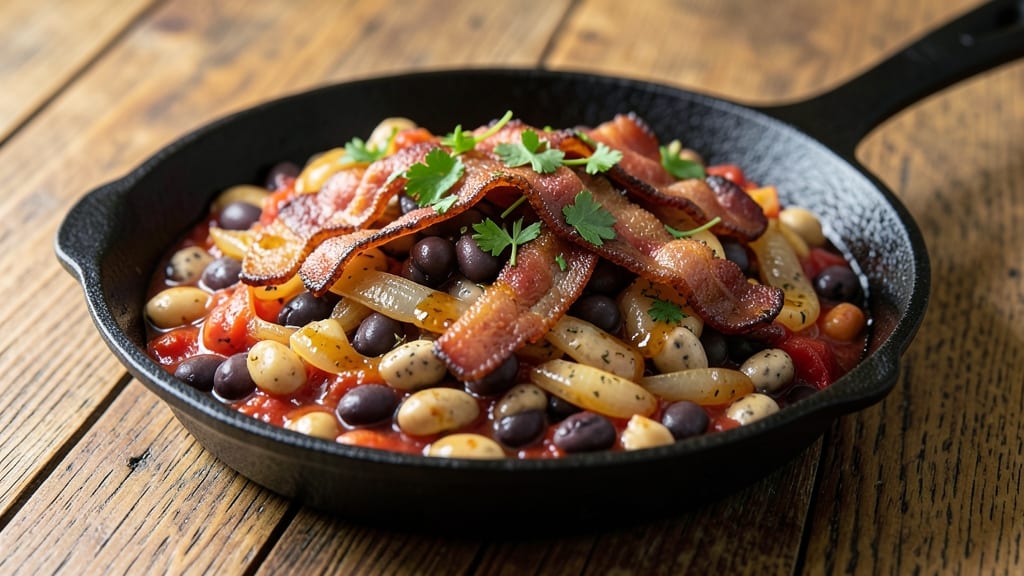
Grandma’s calico beans recipe brings the soul-warming flavors of Southern kitchens to your table, where smoky pork and sweet tomatoes simmer into a rich, hearty side dish.
This legacy recipe has been passed down through generations, perfecting the balance of savory bacon and tangy tomatoes into a dish that feels like a hug in a bowl. The slow cooking develops deep, complex flavors that turn simple ingredients into something extraordinary—ideal for family gatherings or weeknight comfort.
What makes this recipe special is its versatility—traditionally served with pork chops or cornbread, but just as satisfying as a vegetarian main when the bacon is omitted.
The key lies in the slow simmer, which allows the flavors to meld together naturally, creating a thick, velvety texture without needing extra thickeners. Whether you're recreating a family tradition or discovering a new favorite, this dish delivers restaurant-quality results with minimal effort.
The process is straightforward but requires patience—allowing the beans and tomatoes to cook low and slow transforms them into a dish that’s tender, flavorful, and impossible to resist. The smoky notes from the bacon infuse the beans, while the tomatoes add a bright, sweet contrast that balances the richness.
This recipe isn’t just about the ingredients; it’s about the love and tradition poured into every bite.
Serve it alongside grilled meats, cornbread, or even as a standalone dish with crusty bread to soak up every last drop of that smoky-sweet sauce.
The beauty of calico beans lies in their ability to adapt—whether you’re feeding a crowd or just craving a taste of home, this recipe delivers warmth and satisfaction in every spoonful. Let’s get cooking!
Ingredients for grandma's calico beans
These simple, soulful ingredients transform into Grandma's legendary smoky-sweet calico beans.
| Ingredient | Amount | Notes |
|---|---|---|
| Dried Navy Beans 🌾 | 2 cups | Unsoaked, dry beans preferred |
| Thick-Cut Bacon 🥓 | 12 oz | Uncooked, cut into 1-inch pieces |
| Yellow Onion 🧅 | 1 whole | Medium size, chopped |
| Garlic Cloves 🧄 | 4 cloves | Fresh, minced |
| Canned Tomato Sauce 🍅 | 1 cup | San Marzano preferred |
| Dried Thyme 🌿 | 1 tsp | Or 1 tbsp fresh thyme |
| Bay Leaves 🍃 | 2 whole | Dried, standard size |
| Salt 🧂 | 1 ½ tsp | Kosher or sea salt |
| Black Pepper 🌶️ | ½ tsp | Freshly ground |
| Fresh Parsley 🌿 | ¼ cup | Chopped, for garnish |
| Water 💧 | 6 cups | Tap or filtered |
| Extra-Virgin Olive Oil 🫒 | 1 tbsp | For finishing |
| Hot Sauce 🌶️ | 1 tbsp | Optional, for serving |
The bacon drives this dish—thick-cut is non-negotiable for that deep, smoky flavor. Costco or Trader Joe's carry excellent options, but any grocery store bacon works. Look for thick slices (about 1/4-inch) that won't turn to grease too quickly. Navy beans are traditional, but pinto or Great Northern beans work equally well. Soak overnight if you're short on time, but the recipe works fine with dry beans too—they just need extra cooking time. The onion and garlic are your aromatic base, so don't skip browning them with the bacon. That's where the magic starts.
No bacon? Smoked paprika plus extra black pepper mimics the smokiness, though nothing beats the real thing. Short on tomato sauce? Crushed tomatoes plus a pinch of sugar balances the acidity. Fresh thyme is ideal, but dried works at one-third the amount. The bay leaves add depth—don't skip them. For a vegetarian version, omit the bacon and add 1 tbsp liquid smoke to the beans during the last 30 minutes of cooking. The parsley at the end is purely for freshness; if you're serving immediately, it's worth the extra minute to chop it.
This dish tastes even better the next day—plan ahead. Store in an airtight container in the fridge for up to 5 days, or freeze for 3 months. The flavors meld beautifully overnight. For serving, reheat gently on the stove with a splash of water to restore the thick, velvety texture. The olive oil and hot sauce at the end are optional but recommended—drizzle the oil first, then let everyone add their own heat. Leftovers make fantastic sandwiches or cornbread toppings.
Why You'll Love This Recipe
- One-Pot Magic: I swear by this—just toss everything in one pot, walk away for a bit, and come back to a dish that smells like a hug. No fancy gadgets, no messier steps, and honestly? That crispy bacon crunch right off the fork makes the whole thing worth it.
- Smoky Sweet Crunch: Between the thick-cut bacon’s salty bite and the caramelized onions, this isn’t just a bean dish—it’s a flavor explosion. The tomato sauce ties it all together with that tangy depth, and the garlic? Oh, it sneaks up on you in the best way.
- Leftovers That Beg: This recipe doubles (or triples) without breaking a sweat, and the leftovers? Even better the next day. I’ll be real: my freezer is full of these because they reheat like a dream—perfect for lazy mornings or last-minute lunches.
- Budget-Friendly Feast: Dried beans and canned tomatoes stretch this into a hearty meal for next to nothing. Throw in bacon, and suddenly you’ve got a dish that feels fancy without the price tag. It’s my go-to for feeding the whole family without stressing over the grocery bill.
Step-by-step instructions for Grandma's calico beans
This recipe delivers the rich, smoky-sweet flavor Grandma's kitchen made famous.
Prepare the Beans and Render the Bacon
Rinse the 2 cups dried navy beans under cold water to remove any debris. This quick rinse prevents cloudy cooking water later. Place them in a large pot with the 6 cups water and bring to a boil over high heat. Once boiling, reduce to a simmer and cook for 15 minutes to begin softening the beans.
While the beans simmer, cut the 12 oz thick-cut bacon into 1-inch pieces. In a separate skillet over medium heat, cook the bacon until the edges are deep golden brown and the fat has rendered out completely—about 12-15 minutes. Remove the bacon with a slotted spoon and set aside, leaving the rendered fat in the skillet. This bacon fat becomes the flavor foundation for your beans.
Build the Flavor Base
In the same skillet with bacon fat, add the chopped 1 whole yellow onion and cook for 5-6 minutes until softened and translucent. Add the 4 cloves minced garlic and cook for an additional 30 seconds until fragrant. Here's where it gets good—pour in the 1 cup canned tomato sauce and stir to combine with the onion and garlic.
Add the 1 tsp dried thyme and 2 whole bay leaves to the skillet. Let the mixture simmer for 3 minutes to allow the flavors to meld together. This step develops the deep, savory base that makes these beans so special. The tomato sauce adds natural sweetness that balances the smokiness from the bacon.
Combine and Simmer
Drain the partially cooked beans and add them to the skillet with the tomato mixture. Stir well to coat each bean in the flavorful sauce. Return everything to the pot where the beans were simmering. Add the 1.5 tsp salt, 0.5 tsp black pepper, and the reserved bacon pieces.
Bring the mixture back to a boil, then reduce heat to low. Cover the pot and let it simmer gently for 1.5 to 2 hours. You'll know it's ready when the beans are tender but still hold their shape—no mushy texture. Stir occasionally to prevent sticking, but don't over-stir as this can make the beans break down too much. The longer they simmer, the more flavor they absorb from the bacon and tomato.
Finish and Serve
Once the beans are tender, remove the 2 bay leaves and discard them. Stir in the 1 tbsp extra-virgin olive oil and let the mixture simmer uncovered for an additional 5 minutes. This final step allows any excess moisture to evaporate, creating a thicker, more flavorful bean mixture. The olive oil adds a nice finish that ties all the flavors together.
Taste and adjust the seasoning if needed. For serving, ladle the beans into bowls and garnish with the 0.25 cup chopped fresh parsley. Offer the 1 tbsp hot sauce on the side for those who prefer extra heat. These beans are best served warm with cornbread or crusty bread to soak up all that delicious smoky-sweet sauce.
Pro Tips For Making Grandma'S Calico Beans
- SOAK BEANS OVERNIGHT: I learned this the hard way—rushing the soak leads to tough, mealy beans. Toss dried navies in a bowl with cold water, cover, and let them sit 12+ hours. Drain and rinse before cooking; they’ll soften faster and hold their shape better. (Yes, even if you’re impatient like me.)
- CRISP THE BACON LOW: Thick-cut bacon takes its time, and that’s good. Cook it slow over medium heat until the edges curl and the fat renders just crisp. Drain on paper towels, then chop—this keeps the meat tender but the fat flavorful. Skimping on this step means greasy beans.
- SWEAT ONIONS UNTIL GOLD: After burning three batches, I finally figured out: onions need 8–10 minutes in the pot before adding anything else. Cook them until they’re soft, translucent, and just starting to brown—this builds flavor that cuts through the richness of the bacon. (No, they won’t caramelize fully, but that’s the point.)
- SIMMER BEANS GENTLY: Once the beans hit the pot with sauce and broth, keep the heat at a bare simmer. Too hard, and they’ll split into mush; too soft, and they’ll never soften. Stir occasionally, and if the sauce reduces too fast, add a splash of water. Patience here makes all the difference.
Storing and reheating this grandma's calico beans
Refrigerator Storage
Store your calico beans in an airtight container with a tight-fitting lid to preserve all those rich flavors. I recommend using glass Pyrex containers because they don’t absorb odors and allow you to see the beans.
Keep them in the fridge at 40°F or below for up to 5 days—the flavors actually deepen overnight as the spices meld together beautifully. 💫
Freezer Storage
For longer storage, freeze your beans in quart-sized freezer bags or airtight containers, leaving 1 inch of headspace for expansion. Label with the date since they’ll keep for up to 3 months without losing quality.
Thaw overnight in the fridge before reheating—never microwave directly from frozen, as it can make the beans rubbery. 🥶
Stovetop Reheating
My preferred method is reheating on the stovetop to restore that velvety texture. Pour the beans into a pot, add ¼ cup water or broth, and heat over medium-low heat for 10-15 minutes, stirring occasionally.
If the sauce thickens too much, add a splash more liquid. Taste and adjust seasoning—beans often need a pinch of salt after reheating. 🔥
Microwave Reheating
For a quick fix, transfer beans to a microwave-safe dish, cover loosely with a damp paper towel, and heat on 50% power for 3-4 minutes. Stir halfway through, then continue in 1-minute intervals until heated through.
Avoid overcooking, or the beans may turn mushy. A splash of water or broth helps restore moisture if needed. ⏱️
Reviving Texture
If your beans seem dry after storage, don’t worry! Add 2-3 tablespoons of water or broth and simmer for 5 minutes to restore that thick, saucy consistency.
The slow simmer helps redistribute the flavors and moisture, making them taste almost as good as fresh. This trick works for both fridge and freezer leftovers. 💡
Serving Leftovers
Leftover calico beans are perfect for sandwiches—pile them onto toasted bread with a fried egg or avocado for a hearty breakfast. They also make an amazing topping for cornbread muffins or grilled cheese sandwiches. The smoky-sweet flavors shine even better the next day! 🥪
Nutrition facts
Frequently asked questions
Why do we call them "calico" beans?
The name comes from the traditional Southern practice of cooking beans with bacon, which gave them a "speckled" appearance from the fat and meat. The term "calico" refers to the patterned fabric, mirroring how the bacon pieces looked mixed with the beans during cooking.
Can I make this recipe vegetarian?
Skip the bacon and add 1 tbsp liquid smoke during the last 30 minutes of cooking. For extra richness, stir in 2 tbsp nutritional yeast or smoked paprika. The dish will still have that signature smoky depth without meat.
How do I know when the beans are fully cooked?
Test for doneness by mashing one bean between your fingers—it should be tender but still hold shape. If it crumbles easily, they need 10-15 more minutes of simmering. The beans should be fork-tender with a slight bite, not mushy.
Can I use canned beans instead of dried?
Yes, but adjust the cooking time. Use 3 cups cooked canned navy beans (drained and rinsed) and simmer for only 30-45 minutes after combining with the bacon mixture. Canned beans cook faster, so watch closely to avoid overcooking.
What's the best way to thicken the sauce if it's too watery?
Simmer uncovered for 5-10 more minutes to evaporate excess liquid. For quicker results, mix 1 tsp cornstarch with 1 tbsp water, stir into the beans, and simmer for 2 minutes. Never add flour directly—it can make the beans gummy.