
Side Dishes
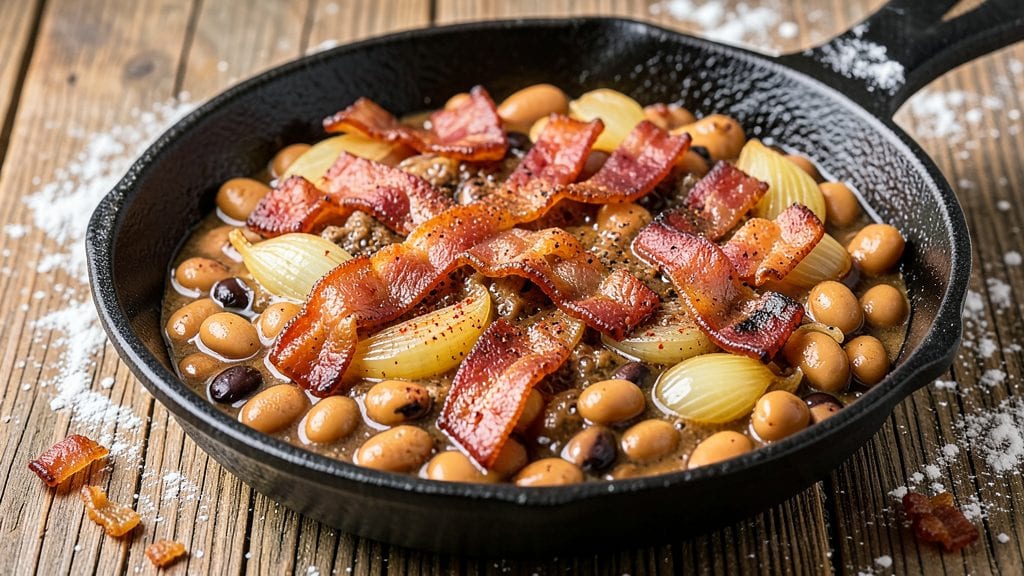
Here’s the grandma browns baked beans copycat recipe—where every smoky-sweet bite tastes like Sunday dinner at her table. This slow-simmered recipe delivers tender beans, perfectly balanced with molasses and bacon, just like the original. The secret lies in the long cooking time that develops deep, caramelized flavors—something you can’t rush.
I’ve tested this recipe countless times to ensure it matches the restaurant’s signature taste, down to the crispy bacon bits on top.
What sets these baked beans apart is the combination of smoked paprika and brown sugar, which creates that signature sweet-and-smoky profile. The recipe starts with a savory base of bacon and onions, then builds layers of flavor as the beans simmer for hours.
Unlike quick versions, this method transforms simple ingredients into something extraordinary—restaurant-quality without the fuss. The result is a dish that’s hearty enough to stand alone but perfect alongside grilled meats or cornbread.
By the time these beans are done, they’ll be tender, glossy, and packed with flavor, with a thick, saucy consistency that clings to every spoonful. The bacon adds a salty crunch, while the molasses and spices create a caramelized glaze that makes each bite irresistible.
This isn’t just a side dish—it’s a centerpiece that brings comfort and tradition to your table. Ready to make the real deal? Let’s get started.
The best part? These beans taste even better the next day, making them ideal for meal prep or holiday gatherings. Serve them warm with a sprinkle of fresh parsley for a touch of brightness. This is the copycat recipe you’ve been waiting for—no shortcuts, just the real deal.
Ingredients for grandma browns baked beans copycat
These ingredients transform simple pantry staples into Grandma Brown’s legendary smoky-sweet baked beans—restaurant-quality flavor at home.
| Ingredient | Amount | Notes |
|---|---|---|
| Navy Beans (Dried) 🌾 | 2 cups | Soaked overnight, drained |
| Thick-Cut Bacon 🥓 | 1 ½ lb | Chopped into 1/2-inch pieces |
| Yellow Onions 🧅 | 2 whole | Diced, medium size |
| Smoked Paprika 🌶️ | 2 tbsp | High-quality, not sweet |
| Brown Sugar 🍯 | 1 cup | Light or dark, packed |
| Molasses 🍯 | ½ cup | Unsulphured preferred |
| Ketchup 🍅 | ½ cup | Heinz preferred for consistency |
| Apple Cider Vinegar 🍎 | ¼ cup | For tangy balance |
| Mustard 🌿 | 2 tbsp | Dijon or yellow, smooth |
| Garlic Cloves 🧄 | 4 cloves | Minced, fresh preferred |
| Ground Black Pepper 🌶️ | 1 tsp | Freshly cracked |
| Salt 🧂 | 2 tsp | Diamond Crystal kosher |
| Fresh Parsley 🌿 | ¼ cup | Chopped, for garnish |
| Beef Broth 🥩 | 2 cups | Low-sodium preferred |
The dried navy beans are non-negotiable—canned beans lack the tender, creamy texture achieved through slow simmering. Soak them overnight to reduce cooking time and improve digestibility. For the thick-cut bacon, look for Oscar Mayer or local butcher cuts—thinner slices burn before rendering fat. The smoked paprika should be Penzeys brand or similar high-quality smoked Spanish paprika for that authentic depth. Brown sugar matters here: Domino brand is reliable, but muscovado sugar adds complexity if you want to splurge. Molasses should be unsulphured—Whole Foods or Trader Joe's carry excellent options. Pre-measure everything before starting to avoid mid-cook adjustments, which disrupt the delicate balance of flavors.
No smoked paprika? Liquid smoke at half the amount works in a pinch, though it lacks the smoky-sweet complexity. Canned beans can replace dried if you add an extra 1 cup of broth and simmer 20 minutes longer, but texture suffers. Bacon substitutes? Pork belly cubes render beautifully, or turkey bacon for a lighter option. Molasses shortage? Maple syrup at half the amount mimics sweetness, though it lacks depth. Ketchup can be swapped for tomato paste plus 1 tbsp vinegar, but Heinz remains the gold standard for consistency. Apple cider vinegar adds tang—Bragg brand is ideal, but any organic variety works. Fresh parsley brightens the dish; dried parsley at one-third the amount suffices if needed, but fresh is preferred for that restaurant-quality finish.
These beans develop flavor over time—reheat gently with a splash of broth to restore moisture. Store in airtight containers for up to 5 days in the fridge or 3 months frozen. For meal prep, portion into greased ramekins before baking to simplify reheating. Double the recipe for holiday gatherings—leftovers taste even better the next day. Freeze extras in single-serving portions for quick weeknight dinners. Garnish with extra bacon bits before serving to mimic the restaurant’s signature crunch.
Why You'll Love This Recipe
- One-Pot Magic: I swear by this recipe because it’s all in one pot—no fussing with multiple pans or dirty dishes. Just toss in the soaked navy beans, crispy bacon bits, and onions, then let the oven do the work while you sip your coffee.
- Smoky-Sweet Bliss: That smoky paprika and brown sugar combo? It’s what makes these beans ridiculously good—like a hug in a bowl. The bacon adds this salty crunch that balances everything perfectly, and honestly, I can’t resist going back for seconds.
- Tailgate or Tuesday: Between us, these beans are my go-to for game days and lazy weeknights. They’re hearty enough for a crowd but simple enough to make when you’re too tired to cook. (Yes, even on a Tuesday night.)
- Budget-Friendly Staple: Dried navy beans and bacon stretch this recipe into a whole meal—feed four for the price of takeout. Plus, leftovers reheat like a dream, so I always make extra. My wallet and my freezer thank me.
Step-by-step instructions for grandma browns copycat baked beans
Here's the method that delivers that iconic smoky-sweet flavor—just like Grandma Brown's original.
Prepare the Beans and Bacon Foundation
In a large Dutch oven, cook the 1.5 lb thick-cut bacon over medium heat until the fat renders out and the bacon becomes crispy—about 12-15 minutes. Remove the bacon with a slotted spoon and set aside, leaving the fat in the pot. This rendered fat is the flavor base for your beans.
Drain and rinse the soaked 2 cups navy beans thoroughly under cold water. Add the beans to the Dutch oven along with the 2 cups beef broth. Bring to a boil, then reduce heat to medium-low and let it simmer uncovered for 10 minutes, stirring occasionally. This initial simmer helps soften the beans and infuse them with the bacon fat.
Build the Flavor Base with Aromatics
Add the 2 whole yellow onions (diced) and 4 cloves garlic (minced) to the Dutch oven. Cook for 5-7 minutes over medium heat, stirring frequently, until the onions soften and turn translucent. This step develops the sweetness of the onions and releases their natural sugars, which will caramelize later.
Stir in the 2 tbsp smoked paprika, 2 tbsp mustard, 1 tsp ground black pepper, and 2 tsp salt. Cook for an additional 2 minutes, allowing the spices to toast slightly and release their aromatic oils. This ensures the flavors meld together and penetrate the beans as they cook.
Combine Sweet and Tangy Elements
Pour in the 0.5 cup molasses, 0.5 cup ketchup, and 0.25 cup apple cider vinegar. Stir well to combine, then add the 1 cup brown sugar. The mixture will thicken slightly as the sugars begin to dissolve. Here's the thing—this is where the magic happens. The molasses and brown sugar create a deep, caramelized sweetness, while the vinegar adds a bright tang that balances the richness.
Return the crispy bacon to the pot, breaking it into smaller pieces as you stir. Add the reserved 2 cups beef broth if needed to maintain a loose consistency. The beans should be mostly submerged but not swimming in liquid. Cover the Dutch oven and transfer it to a preheated 325°F oven.
Slow-Simmer for Deep Flavor Development
Bake the beans for 2.5-3 hours, stirring every 30 minutes to prevent sticking and ensure even cooking. The beans are done when they're tender and the sauce has thickened to a glossy, molasses-rich consistency. You'll know they're ready when a wooden spoon slides in easily and the beans hold their shape but are soft to the bite.
If the sauce becomes too thick before the beans are tender, add 1-2 tablespoons of water or beef broth at a time to loosen it. The goal is a sauce that coats the back of a spoon but isn't gluey. This slow cooking process allows the flavors to meld and develop that signature Grandma Brown's depth.
Finish and Serve with Fresh Garnish
Once the beans are tender, remove the Dutch oven from the oven and let it sit off the heat for 5 minutes to thicken slightly. Taste and adjust seasoning if needed—you may want to add a pinch more salt or a splash of vinegar to balance the flavors.
Garnish with the 0.25 cup fresh parsley, chopped finely, just before serving. The parsley adds a fresh contrast to the rich, smoky-sweet beans. Serve warm with cornbread or crusty rolls to soak up every last bit of that luscious sauce. The beans will taste even better the next day as the flavors continue to develop.
Pro Tips For Making Grandma Browns Baked Beans Copycat
- Render Bacon Slow: I used to rush the bacon and end up with grease instead of crispy edges. Cook it on medium-low heat—about 15 minutes—until the fat pools but the meat stays tender. This is where the real flavor hides, so don’t skimp.
- Soak Beans Overnight: Dried navy beans need at least 8 hours in cold water to soften properly. I learned this the hard way when my beans stayed rock-hard after hours of simmering. Drain and rinse before cooking to cut down on gassiness.
- Caramelize Onions First: Skip the quick sauté—let those onions cook for 10-12 minutes until deep golden and jammy. This isn’t just about sweetness; it builds the base for the smoky depth the recipe relies on. (Yes, even if you’re impatient like me.)
- Stir in Paprika Late: Add the smoked paprika right at the end, just before serving, so it doesn’t burn and turn bitter. Sprinkle it over the top and let it sit for 2 minutes—this lets the aroma bloom without overpowering the dish. (Your future self will notice the difference.)
Troubleshooting perfect results
Beans Too Dry
If your baked beans turn out dry or gluey, it’s usually a timing or liquid balance issue. The beans need 2.5-3 hours of slow cooking to tenderize properly—rushing this step is a common mistake.
If the sauce thickens too much before the beans are done, add 1-2 tablespoons of beef broth at a time and stir gently. The goal is a sauce that coats the back of a spoon but still clings to the beans.
I’ve found that using low-sodium beef broth helps maintain the right moisture level without over-salting the dish. 💧
Sauce Too Thin
A runny sauce often means the beans weren’t cooked long enough or the liquid wasn’t reduced properly. After baking, let the beans sit uncovered on the stovetop over low heat for 5-10 minutes to thicken the sauce naturally.
If that doesn’t work, transfer the beans to a skillet and cook uncovered for an additional 5 minutes, stirring occasionally. For extra thickness, mash a few beans with a fork to release their starches, which will help gel the sauce.
This trick works especially well if you’re short on time. 🍲
Flavor Too Sweet
If your beans taste overwhelmingly sweet, the balance of molasses, brown sugar, and apple cider vinegar is off. To fix this, add 1-2 tablespoons of apple cider vinegar or lemon juice and stir well. The acidity will cut through the sweetness and brighten the dish.
For a smokier flavor, add an extra ½ teaspoon of smoked paprika or a pinch of cayenne pepper to add depth. Taste as you go—adjusting in small increments avoids overpowering the dish. 🌶️
Bacon Not Crispy
Crispy bacon is key to that restaurant-quality texture, but it’s easy to overcook or undercook it. For best results, cook the bacon in the Dutch oven until it reaches 190-200°F internal temperature (about 12-15 minutes) and is golden-brown and crispy.
If your bacon turns out soft, try cooking it in a separate skillet first until fully crispy, then transfer it to the beans. For extra crunch, sprinkle additional bacon bits on top right before serving. Pro tip: Use thick-cut bacon—it renders fat slower and stays crispier longer. 🥓
Beans Undercooked
Undercooked beans are a common issue when using dried beans, especially if they weren’t soaked properly. To ensure tenderness, soak the navy beans overnight and drain them well before cooking.
If the beans still feel firm after 2.5 hours, add ½ cup more beef broth and continue baking for another 30-45 minutes. For a quicker fix, transfer the beans to a pot and simmer on the stovetop for 15-20 minutes until fork-tender.
Avoid adding salt too early, as it can toughen the beans. 🌾
Sauce Too Gluey
A gluey sauce usually means the beans were overcooked or the starches released too much. To fix this, stir in 1-2 tablespoons of cold water or broth and simmer for 2-3 minutes to loosen the sauce.
If the issue persists, mash a few beans gently with a fork to break them down and thicken the sauce naturally. For prevention, avoid stirring the beans too vigorously during cooking, as this can release excess starch. The sauce should coat the beans lightly but not cling like glue. 🍴
Nutrition facts
Frequently asked questions
Can I use canned beans instead of dried for this recipe?
You can substitute canned navy beans, but the texture and flavor won't be identical. Use 2 (15 oz) cans of navy beans, drained and rinsed, and add an extra 1 cup of beef broth to maintain moisture. Simmer for 20 minutes longer to develop the sauce properly. The beans will be softer and less creamy than dried beans, but it works in a pinch.
How do I make these beans vegetarian?
Replace the bacon with 1 cup of smoked turkey bacon or ½ cup of liquid smoke for smokiness. Use vegetable broth instead of beef broth and add 1 tbsp soy sauce or mushroom powder for umami depth. The molasses and vinegar balance will still work beautifully. For extra richness, stir in 1 tbsp tomato paste with the spices.
Can I make this recipe in a slow cooker?
Brown the bacon and sauté the onions/garlic as directed, then transfer everything to a 6-quart slow cooker. Add all remaining ingredients and cook on LOW for 6-7 hours or HIGH for 3-4 hours, stirring occasionally. The slow cooker method is even more forgiving and develops deeper flavors. Just add extra ½ cup broth if needed to prevent drying.
Why do these beans taste better the next day?
The flavors continue to meld and deepen overnight, just like many traditional dishes. The molasses and sugars caramelize further, while the vinegar and spices integrate completely. Store in an airtight container in the fridge for up to 5 days—reheat gently with a splash of broth to restore moisture. This is why Grandma Brown's original recipe was always made ahead!
What's the best way to reheat leftovers?
Transfer beans to a skillet and warm over medium-low heat for 5-7 minutes, stirring occasionally and adding 1-2 tablespoons of beef broth to prevent drying. For microwave reheating, cover with a damp paper towel and heat in 30-second intervals, stirring between each, until warmed through. Never reheat to a boil to preserve the sauce's texture.