
Side Dishes
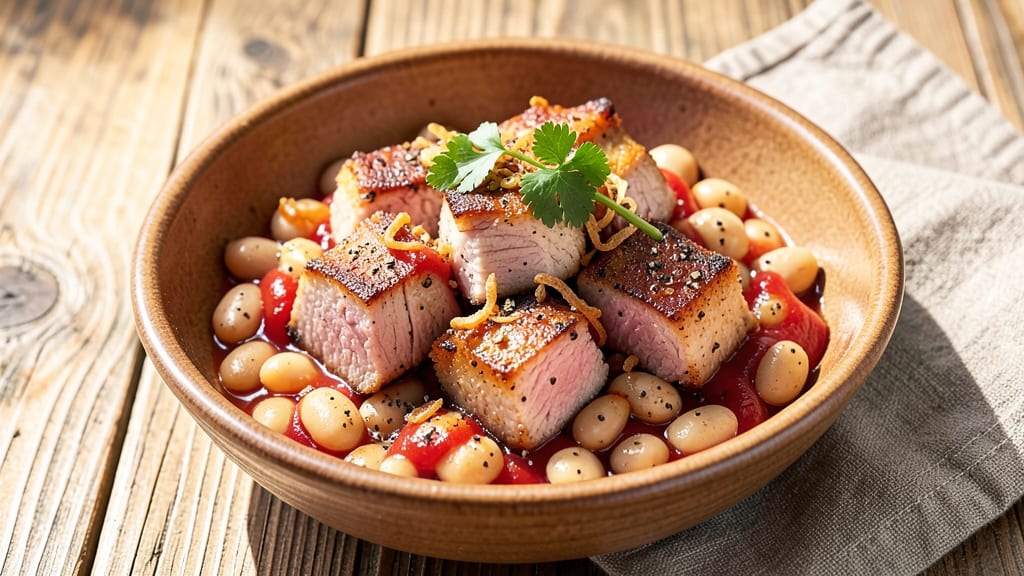
This Campbell's pork and beans copycat recipe delivers that nostalgic, smoky-sweet flavor you remember from childhood—rich, thick, and perfectly seasoned in just one pot.
Growing up in small-town Georgia, I learned how simple ingredients could create comfort food magic, and this recipe captures that same homestyle warmth without the canned shortcuts. The secret lies in slow-cooked pork shoulder and a carefully balanced tomato-spice blend that mimics the original's signature taste.
What sets this apart is the foolproof method for achieving that thick, hearty consistency—no thickeners needed. We'll start with tender pork, then build the sauce from scratch using pantry staples, ensuring every spoonful delivers that familiar, comforting depth.
The result is a dish that's restaurant-quality at home, perfect for serving alongside cornbread or crackers.
No special equipment required—just a Dutch oven and 30 minutes of active prep followed by 2 hours of simmering. The pork becomes fork-tender while the beans absorb all that smoky-sweet flavor, creating a sauce that clings perfectly to every bite.
This is the kind of recipe that tastes even better the next day, making it ideal for meal prep or feeding a crowd.
For those watching sodium, I'll share adjustments to balance the saltiness without sacrificing flavor—a trick I perfected while cooking for my family's large gatherings. Let's recreate this classic dish the way it was meant to be enjoyed.
Ingredients for campbell's pork and beans copycat
Pantry staples and one cut of pork transform into that nostalgic, smoky-sweet flavor you crave.
| Ingredient | Amount | Notes |
|---|---|---|
| Pork Shoulder 🥩 | 3 lb | Bone-in for best flavor, cut into 1.5-inch cubes |
| Great Northern Beans 🌱 | 2 cups | Dried, soaked overnight or quick-soaked |
| Tomato Paste 🍅 | ½ cup | Squeeze tube preferred for convenience |
| Ketchup 🍅 | ½ cup | Heinz 57 variety for authentic tang |
| Brown Sugar 🍯 | ¼ cup | Packed light, not packed down |
| Apple Cider Vinegar 🍏 | ¼ cup | For that classic tang |
| Chicken Broth 💧 | 4 cups | Low-sodium preferred, homemade best |
| Onion 🧅 | 1 whole | Yellow, diced medium-fine |
| Garlic Cloves 🧄 | 4 cloves | Peeled, minced fine |
| Smoked Paprika 🌶️ | 2 tsp | For that signature smokiness |
| Ground Black Pepper 🌶️ | 1 tsp | Freshly cracked for best flavor |
| Diamond Crystal Kosher Salt 🧂 | 1 ½ tsp | Adjust to taste, don't overdo |
| Bay Leaves 🍃 | 2 whole | Remove before serving |
| Mustard Seeds 🌿 | ½ tsp | Whole, toasted for depth |
| Olive Oil 🫒 | 2 tbsp | Light extra-virgin preferred |
The pork shoulder is the star here—bone-in cuts from the butcher section (not pre-cut) give you that deep, meaty flavor. I grab mine from Costco when I'm doing a big batch, but your local grocery store's pre-cubed pork shoulder works just fine. Look for good marbling—those little fat streaks melt during cooking and keep the meat juicy. The beans? Great Northerns are traditional, but navy or pinto beans work too. Soak them overnight for best texture, but the quick-soak method (boiling water + baking soda) saves time if you're in a rush. For the tomato paste, squeeze tubes from Trader Joe's are my go-to—they're convenient and keep well.
No smoked paprika? Substitute half the amount of regular paprika plus a pinch of liquid smoke—just don't overdo it. Running low on apple cider vinegar? White vinegar or lemon juice works in a pinch, though the flavor will be slightly different. The ketchup is non-negotiable for that classic tang, but if you're watching sugar, reduce the brown sugar by half and add a splash of molasses. For the broth, homemade is ideal, but even the low-sodium store-bought stuff works. The mustard seeds? Toast them in the olive oil for 30 seconds before adding everything else—that little step makes a huge difference. And if you're worried about sodium, cut the salt in half and add extra chicken broth instead.
This tastes even better the next day—plan ahead. Store in an airtight container in the fridge for up to 5 days, or freeze portions for 3 months. I like to portion it into individual containers so I can grab a jar for quick lunches. The beans soften as they sit, soaking up all that smoky-sweet flavor. If you make a big batch, the leftovers reheat beautifully—just add a splash of broth or water to loosen it up. The flavors meld even more overnight, so don't skip the next-day plan if you can help it.
Why You'll Love This Recipe
- Here’s what sold me: that perfect harmony of smoky pork, tangy tomato paste, and just enough brown sugar to make it sing. It’s not too sweet, not too salty—it’s the kind of flavor that lingers and makes you want to eat it straight from the pot (no judgment).
- One-Pot Magic: I swear by this recipe when I’m too tired to wash extra dishes. Toss the pork shoulder, beans, and spices into one pot, simmer until tender, and—boom—cleanup’s basically nonexistent. The tomato paste and ketchup blend gives it that rich, familiar depth without needing a fancy saucepan.
- Sweet-Savory Balance: Here’s what sold me: that perfect harmony of smoky pork, tangy tomato paste, and just enough brown sugar to make it sing. It’s not too sweet, not too salty—it’s the kind of flavor that lingers and makes you want to eat it straight from the pot (no judgment).
- Tailgate or Taco Night: Between us, this recipe works for everything. Serve it in bowls for a hearty weeknight dinner, pile it onto buns for a quick tailgate spread, or even stuff it into tacos when you’re craving something different. The beans hold up perfectly, so you’re not stuck with mushy leftovers.
Step-by-step instructions for smoky-sweet homestyle pork and beans
Here's the straightforward method to recreate that iconic canned flavor from scratch.
Sear the Pork Shoulder for Deep Flavor
Heat a large Dutch oven over medium-high heat and add the 2 tablespoons olive oil. Once shimmering, add the 3 lb pork shoulder cut into 1.5-inch cubes, working in batches if needed. Sear each piece for 3-4 minutes per side until deeply browned and developing a crust. This step builds the rich, meaty foundation that makes the dish sing.
Real talk: Don't rush this. You want that Maillard reaction happening—those browned bits on the bottom of the pot are pure flavor gold. If your pot gets crowded, reduce heat slightly to prevent steaming instead of searing. Once all pork is browned, transfer it to a plate and set aside.
Build the Smoky-Sweet Base
In the same Dutch oven, reduce heat to medium and add the 1 whole onion diced medium-fine. Cook for 5-6 minutes until softened and just beginning to color. Add the 4 cloves garlic cloves minced fine and cook for 30 seconds until fragrant—don't let it burn, or you'll get bitter notes.
Stir in the 2 teaspoons smoked paprika, 1 teaspoon ground black pepper, and 1.5 teaspoons diamond crystal kosher salt. Cook for 1 minute to toast the spices and deepen their flavors. This is where the signature smokiness comes from—don't skip this step. Then add the 0.5 cup tomato paste and stir vigorously to coat everything evenly.
Combine Liquids and Simmer
Pour in the 0.5 cup ketchup, 0.25 cup brown sugar, 0.25 cup apple cider vinegar, and 4 cups chicken broth. Stir well to combine all ingredients. The mixture should bubble gently—this is your base building phase. Bring to a simmer, then add the 2 whole bay leaves and 0.5 teaspoon mustard seeds. The bay leaves add subtle earthiness while the mustard seeds contribute a nice peppery depth.
Return the seared pork to the pot along with any accumulated juices. The liquid should come about halfway up the pork cubes. If it's too thin, reduce heat slightly—you want a gentle simmer, not a rolling boil that could make the beans tough. This is where patience pays off; let it simmer uncovered for 1 hour 15 minutes to allow flavors to meld.
Add Beans and Finish Cooking
After the initial simmering, add the 2 cups great northern beans (drained if quick-soaked). Stir gently to distribute them throughout the liquid. The beans should be mostly submerged—they'll expand as they cook. If the liquid level looks too low, add ½ cup water to maintain proper moisture.
Continue simmering uncovered for another 1 hour to 1 hour 30 minutes, stirring occasionally. You're looking for beans that are tender but still hold their shape—think creamy but not mushy. The pork should be fork-tender, pulling apart easily when tested with a fork. Taste the sauce and adjust seasoning if needed, adding more diamond crystal kosher salt or apple cider vinegar as necessary.
Rest and Serve
Remove the 2 whole bay leaves before serving. Let the pork and beans rest for 10 minutes off the heat—this allows the flavors to settle and the pork to reabsorb any juices that might have escaped during cooking. The result should be a rich, smoky-sweet sauce that perfectly coats every bean and tender pork cube.
Serve family-style straight from the pot with crusty bread to soak up every last bit of that delicious sauce. This copycat version delivers all the comfort of the classic canned version but with restaurant-quality depth of flavor you won't find in a can.
Pro Tips For Making Campbell'S Pork And Beans Copycat
- CRISP THE PORK FIRST: Brown that pork shoulder in a hot skillet until it’s deep golden—don’t skimp on the time. I used to rush it, but crisping the meat first adds a savory depth the canned version lacks. Just don’t walk away; watch for even color or you’ll end up with patchy spots.
- SOAK BEANS OVERNIGHT: Great Northern beans need a good 8+ hour soak to soften properly. I learned this the hard way—skipping it leaves them tough no matter how long you simmer. Drain and rinse before cooking, and use the soaking water (discard the floaters) for a richer broth.
- SIMMER LOW AND SLOW: After browning the pork and adding the beans, reduce heat to a gentle simmer. Too much boil and the beans turn mushy; too little and the flavors won’t meld. Aim for tiny bubbles breaking the surface—this is where the magic happens, not a rolling boil.
- SWEETEN THE KETCHUP: Cut the ketchup with a splash of water (about ¼ cup) before adding it to the pot. It thins the sauce just enough to coat the beans evenly without making it gloppy. Also, add the brown sugar after the pork’s done cooking—this way, it caramelizes slightly for a deeper flavor.
Troubleshooting this dish
Pork Too Tough?
If your pork shoulder turns out chewy instead of tender, you likely didn’t cook it long enough. The key is patience—pork needs 3-4 hours total simmering to break down properly.
I’ve found that cutting the meat into 1.5-inch cubes ensures even cooking, but if you’re short on time, use a meat thermometer to check for 203°F internal temperature before serving. 🌡️
Beans Not Tender?
Overcooked beans turn mushy, while undercooked ones stay hard. For perfect texture, simmer the beans for 1-1.5 hours after adding them to the pot. If using dried beans, ensure they’re fully soaked overnight—this prevents them from absorbing too much liquid too quickly.
For a shortcut, quick-soak them in boiling water with ½ teaspoon baking soda for 2 minutes before adding to the pot.
Sauce Too Thin?
The sauce should coat the back of a spoon but not be watery. If it’s too thin, simmer uncovered for 10-15 minutes longer to reduce. For a thicker texture, mash ¼ cup of the beans directly into the pot and stir well.
This works like a natural thickener without altering the flavor. Avoid adding flour or cornstarch—it’ll change the dish’s authentic taste.
Flavor Falls Flat?
If your copycat lacks that classic smoky-sweet balance, adjust the seasoning. Add ½ teaspoon more smoked paprika for depth or 1 tablespoon brown sugar for sweetness. A splash of apple cider vinegar (start with 1 teaspoon) brightens the sauce.
Taste as you go—this dish is all about balancing those flavors, just like the original canned version.
Pork Too Salty?
If the dish tastes overly salty, dilute the flavor by adding ½ cup extra chicken broth and simmering for 10 minutes to let the salt disperse.
For a more dramatic fix, stir in 1 tablespoon unsalted butter or 2 tablespoons sour cream at the end—this smooths out harsh flavors while adding richness. Always taste before serving!
Beans Too Dry?
If the beans look dry or the sauce has separated, add ¼ cup water or broth and stir gently. Cover the pot and simmer for 5-10 minutes to rehydrate. Avoid adding liquid too early—this can make the beans mushy.
For extra moisture, serve the pork and beans with a side of warm cornbread or crusty bread to soak up any remaining sauce. 🍞
Nutrition facts
Frequently asked questions
Can I use ground pork instead of pork shoulder?
Ground pork works in a pinch, but it won't give you that same tender, meaty texture. For the best results, stick with pork shoulder cut into 1.5-inch cubes—it becomes fork-tender and absorbs all that smoky-sweet sauce perfectly. If you must use ground pork, shape it into small patties before cooking to mimic the texture.
How do I make this vegetarian?
Swap the pork for smoked tofu or extra-firm tempeh cut into cubes, and use vegetable broth instead of chicken broth. Add 1 teaspoon liquid smoke to boost that classic smoky flavor. The beans will still be the star, but the sauce will need a little extra attention to balance the flavors without meaty depth.
Why does my copycat taste different from the canned version?
The canned version uses preservatives and artificial flavors for consistency, while this homemade recipe relies on real spices and slow cooking. The smoky-sweet balance comes from smoked paprika, brown sugar, and apple cider vinegar—taste as you go and adjust these ingredients to match your preference. Patience is key: let it simmer for 3-4 hours total for maximum flavor development.
Can I make this in a slow cooker?
Brown the pork and onions in a skillet first, then transfer everything to the slow cooker. Cook on low for 6-7 hours or high for 3-4 hours. The slow cooker method actually enhances the tenderness of the pork and beans. Just remember to remove the bay leaves before serving, and add a splash of broth if the sauce gets too thick during cooking.
What’s the best way to store leftovers?
Store in an airtight container in the fridge for up to 5 days, or freeze for 3 months. The flavors actually improve overnight as everything melds together. When reheating, add a splash of broth or water to loosen the sauce—this prevents the beans from drying out. Perfect for quick lunches or potlucks!