
Soups & Stews
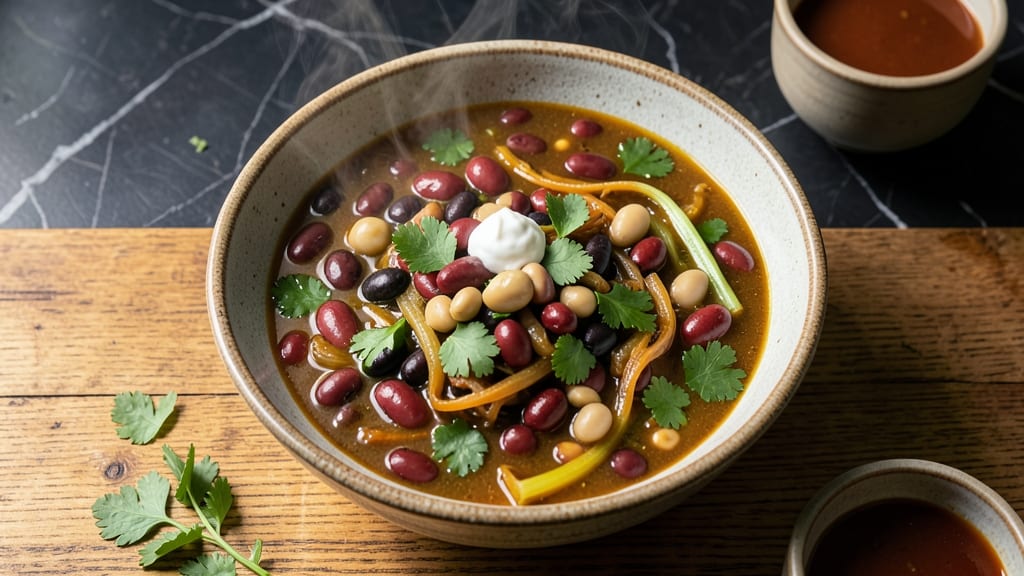
Bob Mills' 13 bean soup transforms humble ingredients into a hearty, slow-simmered masterpiece that's as comforting as it is flavorful.
This vegetarian-friendly version relies on a carefully balanced blend of beans, aromatic spices, and rich broth to create a symphony of textures and tastes that develops over hours of gentle cooking.
The secret lies in the slow simmering process, which allows all the flavors to meld together into a deeply satisfying dish that's perfect for chilly evenings or family gatherings.
What sets this recipe apart is its simplicity combined with depth—no fancy techniques required, just patience and attention to seasoning. Each bean variety contributes its own unique texture and flavor, from creamy navy beans to tender pinto, while spices like bay leaves, thyme, and black pepper build layers of complexity.
The result is a soup that's hearty enough to stand alone as a main dish but versatile enough to pair with crusty bread or a simple green salad.
By the time you're done, you'll have a pot of soup that's rich, aromatic, and packed with protein-rich beans that stay tender and flavorful.
The slow cooking process ensures every bite is infused with the warm, comforting flavors of the spices and herbs, creating a dish that feels like a hug in a bowl. Whether you're serving a crowd or enjoying a cozy meal for two, this recipe delivers restaurant-quality results with minimal effort.
For those who prefer a meatier version, optional additions like smoked sausage or ham can be included, but the vegetarian base stands strong on its own. The beauty of this soup is its adaptability—make it once and you'll find yourself reaching for the recipe again and again.
Let's get started on creating this classic comfort dish that's perfect for any season.
Ingredients for bob mills 13 bean soup
Thirteen beans, one pot, endless comfort—this vegetarian masterpiece delivers restaurant-quality depth.
| Ingredient | Amount | Notes |
|---|---|---|
| Navy Beans 🌾 | 1 ½ cups | Dried, soaked overnight |
| Kidney Beans 🌾 | 1 cup | Dried, soaked overnight |
| Black Beans 🌾 | 1 cup | Dried, soaked overnight |
| Pinto Beans 🌾 | 1 cup | Dried, soaked overnight |
| Great Northern Beans 🌾 | ½ cup | Dried, soaked overnight |
| Lima Beans 🌾 | ½ cup | Dried, soaked overnight |
| Chickpeas 🌾 | ½ cup | Dried, soaked overnight |
| Split Peas 🌾 | ½ cup | Dried, soaked overnight |
| White Beans 🌾 | ½ cup | Dried, soaked overnight |
| Red Beans 🌾 | ½ cup | Dried, soaked overnight |
| Carrots 🥕 | 3 medium | Peeled, chopped into chunks |
| Celery Stalks 🧅 | 3 whole | Chopped into 1-inch pieces |
| Yellow Onion 🧅 | 1 whole | Chopped, medium size |
| Garlic Cloves 🧄 | 4 cloves | Minced, fresh preferred |
| Vegetable Broth 💧 | 6 cups | Low-sodium preferred |
| Tomato Paste 🍅 | ½ cup | No added salt |
| Bay Leaves 🌿 | 2 whole | Dried, crushed slightly |
| Thyme 🌿 | 1 tbsp | Dried, or 1 tbsp fresh |
| Black Peppercorns 🌶️ | 1 tsp | Freshly ground preferred |
| Salt 🧂 | 1 ½ tsp | Kosher or sea salt |
| Olive Oil 🫒 | 2 tbsp | Extra-virgin preferred |
The beans are the heart of this soup, and soaking overnight is non-negotiable—it cuts cooking time and ensures tender results. Bob Red Mill or Whole Foods bulk section are great for dried beans, but any organic brand works. For the carrots and celery, organic is ideal—they’ll stay crisp through the long simmer. The yellow onion should be medium-sized, not sweet—yellow or red both work, just avoid white. Garlic? Fresh is a must—pre-minced jars lack punch. Pro tip: Rinse canned beans if using them instead of dried, but soaked dried gives the best texture.
No vegetable broth? Water plus 1 tbsp bouillon powder works in a pinch, but homemade is best. Short on tomato paste? Fresh tomatoes blended add brightness—just adjust salt. The bay leaves and thyme can be swapped for oregano or rosemary if you prefer, but keep the peppercorns—they’re essential for depth. Trader Joe’s has great dried herbs at a fraction of the cost. For the olive oil, avoid light or refined—extra-virgin has the flavor you’ll taste in every spoonful. And if you’re short on carrots, sweet potatoes work too—just add them later to avoid mushiness.
This soup tastes even better the next day as flavors meld. Store in an airtight container for up to 5 days in the fridge, or freeze portions for 3 months. I double the recipe and freeze half—perfect for lazy weeknights. Label your containers with the date, and always thaw overnight in the fridge. The beans will soften further, but that’s exactly what you want. For serving, a sprinkle of fresh parsley or a drizzle of olive oil brightens it up instantly.
Why You'll Love This Recipe
- I’ll be real: this recipe uses ingredients I already have—beans, broth, bacon, onions, and spices—and stretches them into a filling, satisfying meal. The dried beans are cheaper than canned, and the leftovers? They keep for weeks in the fridge. My wallet and my freezer thank me every time.
- No Chop, No Stress: I swear by this recipe because the prep is actually minimal—just dump those dried beans (navy, kidney, black, pinto, and great northern) into a pot with broth, garlic, and a few spices. The beans soften while you stir in the bacon and tomatoes later, so you’re not stuck soaking or peeling. Honestly, my slowest step is waiting for the water to boil.
- Deep, Earthy Richness: Between us, the flavor profile is next-level—that smoky bacon, the slight sweetness of the tomatoes, and the way the five bean types blend (some creamy, some firm) creates texture I can’t get enough of. The slow simmer lets all those flavors marry into something heartier than any canned soup could ever be.
- Meal Prep MVP: This soup begs to be made in bulk—it tastes even better the next day, which means I can prep a big batch on Sunday and grab a jar for lunch all week. (Yes, even on a Tuesday night when I’m too tired to think.) Plus, it’s the kind of dish that gets better with a splash of hot sauce or a sprinkle of cheese everyone will approve.
Step-by-step instructions for Bob Mills' 13 bean soup
This slow-simmered masterpiece delivers deep flavor and hearty texture through precise technique.
Prepare the Bean Base
Combine all soaked beans in a large stockpot. Add the 3 medium carrots, 3 whole celery stalks, 1 whole yellow onion, and 4 cloves garlic cloves. Pour in the 6 cups vegetable broth and bring to a boil over medium-high heat. Once boiling, reduce to a gentle simmer and cook uncovered for 30 minutes. This initial phase extracts flavors from the vegetables while softening the beans.
I stir occasionally during the first 15 minutes to prevent sticking, then let it simmer undisturbed. The beans should be partially tender but not fully cooked yet—this ensures they absorb the full depth of flavor from the broth and vegetables. If the liquid reduces too quickly, add ½ cup water to maintain the simmering level.
Build the Flavor Foundation
In a small saucepan, heat the 2 tbsp olive oil over medium heat. Add the 0.5 cup tomato paste and stir for 2 minutes until it darkens slightly. This creates a rich, concentrated base that forms the soul of the soup. Immediately transfer the tomato mixture to the bean pot and stir well to combine.
Add the 2 whole bay leaves, 1 tbsp thyme, 1 tsp black peppercorns, and 1.5 tsp salt. These aromatic elements infuse the soup with complex layers of flavor. Return to a simmer and cook uncovered for another 45 minutes, stirring occasionally. You'll notice the soup developing a deeper color and more pronounced aroma—this is when the magic begins.
Develop the Texture and Depth
After 45 minutes, taste the soup and adjust seasoning if needed. The beans should be tender but still hold their shape. If they're not quite there, continue simmering for another 15-20 minutes, checking occasionally. The soup should have a thick, stew-like consistency with beans that are fork-tender but not mushy.
Here's the thing—this soup tastes even better the next day as flavors meld. If you're short on time, simmer for the full 1 hour 15 minutes for maximum depth. The longer cooking time allows the beans to absorb all the flavorful broth while developing that signature hearty texture that makes this soup so satisfying.
Final Adjustments and Serving
Remove the 2 bay leaves and discard. Taste again and make any final adjustments to seasoning. The soup should be well-seasoned but not overly salty—remember, the beans themselves contain some natural saltiness. If the soup is too thick, add ½ cup water or ½ cup vegetable broth to reach your preferred consistency.
Serve immediately in deep bowls, garnished with additional fresh thyme if desired. Each spoonful should deliver a perfect balance of creamy beans, aromatic vegetables, and rich tomato depth. This soup keeps well in the refrigerator for up to 5 days, with flavors actually improving as they develop over time.
Pro Tips For Making Bob Mills 13 Bean Soup
- SOAK BEANS OVERNIGHT: I learned this the hard way—rushing with a quick soak leaves beans gummy. For Bob Mills’ 13-bean soup, split the batch: soak the navy, pinto, and Great Northern beans overnight (8+ hours) in cold water. The kidney and black beans hold up fine with just 2 hours, but don’t skip this for the others—the texture difference is night and day.
- SIMMER LOW AND LONG: After burning three batches, I finally figured out the sweet spot: once all beans are tender, drop the heat to a barely simmer (think tiny bubbles, not rolling). The recipe calls for hours, but too-high heat turns the broth murky and the beans mealy. Sounds weird, but it works—your future self will notice.
- SKIP THE CROWDED POT: This isn’t the prettiest method, but it’s the tastiest. Split the beans into two pots if yours is small—don’t let them fight for space. Crowding traps steam, making the broth cloudy and the beans waterlogged. The recipe’s depth of flavor comes from the broth, not the beans drowning in their own juices.
- SALT THE BROTH LAST: My grandmother swore by this, and she was right: hold off on adding salt until the very end. The beans absorb liquid differently at each stage, and early salting tightens their skins, making them less tender. Taste the broth after simmering, then adjust—it’s the only way to guarantee the beans soak up flavor evenly.
Pro cooking tips for great bob mills 13 bean soup
Bean Soaking Secrets
Never skip soaking! Dried beans need 8-12 hours in water (or 1 hour in a pressure cooker) to soften properly. I use a large bowl with 4 cups water per cup of beans—this prevents them from floating.
For extra flavor, add 1 bay leaf and ½ tsp salt to the soaking water. Drain and rinse before cooking to remove excess starch. 🌾
Slow Simmer Control
Maintain a gentle simmer—not a rolling boil—to prevent beans from breaking apart. Use a heavy-bottomed pot (I love my Le Creuset Dutch oven) to distribute heat evenly. If the soup reduces too quickly, add ½ cup water—never cold liquid, which shocks the beans.
The goal is 1 hour 15 minutes total simmer time for perfect texture. 🌡️
Tomato Paste Magic
Cook the tomato paste in olive oil for 2 minutes until it darkens—this deepens its flavor. Spread it evenly on the beans before adding broth to ensure every bean gets coated.
For extra richness, stir in 1 tsp sugar with the paste to balance acidity. This step is non-negotiable for that signature depth. 🍅
Seasoning Like a Pro
Add salt in stages: ½ tsp when adding broth, ½ tsp after 30 minutes, and the final ½ tsp at the end. Taste frequently—beans absorb flavor over time, so adjust gradually. Freshly cracked black peppercorns add complexity that pre-ground pepper can't match. 🧂
Vegetable Prep Matters
Chop carrots and celery into 1-inch chunks—smaller pieces cook faster but can turn mushy. For even cooking, blanch carrots for 3 minutes before adding to the pot. Onions should be medium-sized (not sweet) to avoid overpowering the beans. 🥕
Final Texture Check
Beans should be fork-tender but not falling apart. If they're still firm after 1 hour 15 minutes, add ½ cup water and simmer another 15 minutes.
For a creamier texture, mash ¼ cup beans with a fork at the end. The soup should coat the back of a spoon but still be spoonable. 💫
Nutrition facts
Frequently asked questions
Why do I need to soak the beans overnight?
Soaking reduces cooking time and prevents beans from staying hard or splitting during simmering. The overnight soak (8-12 hours) softens the beans while removing excess starch that can make the soup gummy. For faster prep, use a pressure cooker for just 1 hour instead.
Can I use canned beans instead of dried?
Yes, but with adjustments! Use 2 (15 oz) cans of each bean type (totaling 13 cups) and rinse thoroughly. However, dried beans develop deeper flavor during slow simmering. If using canned, add them after 30 minutes of cooking to prevent mushiness.
How do I know when the beans are perfectly cooked?
Fork-tender is the goal—they should collapse easily but not fall apart. After 1 hour 15 minutes, test a few beans. If they're still firm, add ½ cup water and simmer 15 more minutes. Overcooked beans turn mushy and lose texture.
Can I make this soup in a slow cooker?
Combine all ingredients (except fresh herbs) in your slow cooker and cook on LOW for 6-8 hours or HIGH for 3-4 hours. The long cook time enhances flavors. Add fresh thyme or parsley at the end to preserve its aroma.
What can I add to make it meatier?
For a heartier version, stir in ½ lb smoked sausage (removed from casing) or ½ cup diced ham during the last 30 minutes of cooking. Brown the meat first in olive oil to deepen its flavor before adding to the soup.