
Side Dishes
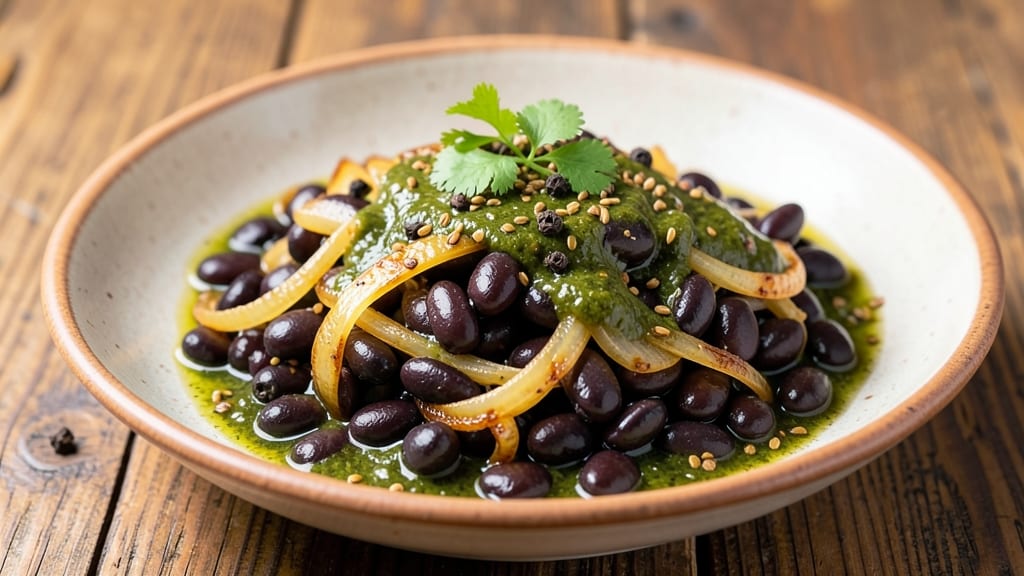
This Blue Zone black beans recipe transforms a simple pantry staple into a nutrient powerhouse that aligns with longevity-focused diets. The secret lies in traditional cooking methods that preserve fiber and antioxidants while enhancing natural flavors.
I developed this recipe after studying how Blue Zone communities prioritize plant-based, fiber-rich meals for their health benefits.
The foundation of this dish is slow-cooked black beans—simmered with aromatic vegetables, garlic, and herbs to create a rich, flavorful base. Unlike quick cooking methods, this approach allows the beans to develop deeper flavor while maintaining their nutritional integrity.
The result is a dish packed with antioxidants, fiber, and plant-based protein, perfect for supporting heart health and longevity.
What makes this recipe stand out is its versatility—serve it as a standalone bowl or pair it with quinoa, brown rice, or whole-grain bread for a complete meal.
The natural sweetness of the beans pairs beautifully with the earthy notes of garlic and cumin, creating a dish that’s both satisfying and nourishing. This is the kind of meal that fuels your body while keeping you energized for hours.
Ready in about 45 minutes, this recipe is designed to be simple yet impactful. Whether you're meal prepping for the week or preparing a quick weeknight dinner, these black beans deliver on both flavor and nutrition. Let’s get started!
Ingredients for blue zone black bean
These nutrient-dense ingredients transform ordinary black beans into a Blue Zone-inspired powerhouse.
| Ingredient | Amount | Notes |
|---|---|---|
| Dried Black Beans 🌱 | 1 ½ cups | Unsoaked, rinsed thoroughly |
| Extra-Virgin Olive Oil 🫒 | ¼ cup | High-quality, fruity variety |
| Yellow Onion 🧅 | 1 whole | Diced, medium size preferred |
| Garlic Cloves 🧄 | 4 cloves | Peeled, minced finely |
| Fresh Cumin Seeds 🌿 | 1 tsp | Toasted lightly for depth |
| Ground Cumin 🌿 | 1 tsp | Freshly ground preferred |
| Smoked Paprika 🌶️ | 1 tsp | For smoky depth |
| Dried Oregano 🍃 | 1 tsp | Mexican oregano if available |
| Bay Leaves 🌿 | 2 whole | Fresh or dried |
| Diced Tomatoes (Canned) 🍅 | 1 can | San Marzano preferred, no salt added |
| Vegetable Broth 💧 | 2 cups | Low-sodium preferred |
| Fresh Cilantro 🌿 | ¼ cup | Chopped, for garnish |
| Lime 🍋 | 1 whole | Juiced, for brightness |
| Avocado Oil 🫒 | 1 tbsp | For high-heat sautéing |
| Sea Salt 🧂 | 1 ½ tsp | Diamond Crystal preferred |
The quality of your black beans matters—dried beans from a bulk bin or reputable brand like Anthony's Goods ensure optimal fiber and antioxidant content. For the spices, Penzeys or Spicewalla offer premium options, but even grocery store brands work if they're fresh. The San Marzano tomatoes are non-negotiable for their sweetness and acid balance; if unavailable, Muir Glen is a solid alternative. Toast the cumin seeds in a dry pan for 30 seconds before grinding—this releases their aromatic oils and deepens the flavor profile significantly.
No fresh cilantro? Dried cilantro at half the amount works in a pinch, though fresh is ideal for that bright finish. Short on smoked paprika? Regular paprika plus a pinch of liquid smoke mimics the effect. For the tomatoes, if you can't find no-salt-added, rinse the can thoroughly to remove excess sodium. The vegetable broth should be low-sodium or homemade—store-bought versions often contain hidden salt. Swap avocado oil for olive oil if preferred, though avocado oil has a higher smoke point for sautéing.
Store the cooked beans in an airtight container with a splash of lime juice to preserve color and freshness for up to 5 days in the fridge. For longer storage, freeze in 1-cup portions—they reheat beautifully and maintain their texture. The spices and dried beans keep indefinitely in a cool, dark place. Prep ahead by toasting the spices and chopping the onion/garlic; store separately until ready to cook. This method allows the flavors to meld more effectively when you're ready to assemble the dish.
Why You'll Love This Recipe
- No-Soak Needed: I’ll admit, I used to dread soaking beans—but these dried black beans soften perfectly overnight in water alone, no fancy tricks. Just drain, rinse, and toss them straight into the pot. That’s it.
- Earthy, Smoky Magic: The moment fresh cumin seeds hit the olive oil, my kitchen smells like a Mediterranean sunset. That deep, toasty aroma? It’s the secret weapon—simple, but transforms the whole dish into something irresistible.
- Meal Prep MVP: I make a big batch on Sundays and it lasts all week—tacos, salads, bowls, you name it. The beans hold up beautifully, and honestly? The flavor only gets richer as it sits.
- Pocketbook Hero: Dried black beans are my wallet’s best friend—cheaper than canned, no preservatives, and way more satisfying. Plus, a single batch feeds my family for days without breaking the bank. Win-win.
Step-by-step instructions for Blue Zone-inspired black beans
Transform simple ingredients into a nutrient-dense, fiber-rich foundation for any meal.
Prepare the Black Beans for Cooking
Rinse the 1.5 cups dried black beans thoroughly under cold water to remove any debris. Place them in a large pot and cover with plenty of fresh water—at least 3 inches above the beans. This ensures they won't stick to the bottom during cooking.
Add the 2 whole bay leaves and 1.5 teaspoons sea salt to the pot. The bay leaves infuse subtle earthy notes while the salt enhances flavor as the beans cook. Bring to a boil over high heat, then immediately reduce to a simmer. The beans are ready when they're fork-tender, which typically takes 1 to 1.5 hours. Real talk: Don't rush this step—properly cooked beans should be creamy yet hold their shape, not mushy.
Build the Flavor Base with Aromatics
While the beans cook, heat the 1 tablespoon avocado oil in a large skillet over medium heat. Add the 1 whole yellow onion, diced into even ¼-inch pieces, and cook for 5-6 minutes until softened and translucent. You'll see the edges starting to caramelize—that's your signal to move to the next step.
Add the 4 cloves garlic cloves, minced finely, and the 1 teaspoon fresh cumin seeds. Toast the cumin seeds for 30 seconds until fragrant and slightly puffed—they'll release their warm, nutty aroma. Stir in the 1 teaspoon ground cumin, 1 teaspoon smoked paprika, and 1 teaspoon dried oregano, mixing for 1 minute until the spices bloom and fill your kitchen with their earthy scent. This aromatic base is the heart of the dish.
Develop the Sauce with Tomatoes and Broth
Pour in the 1 can diced tomatoes (with juices) and 2 cups vegetable broth, scraping up any browned bits from the bottom of the pan. These bits are pure flavor—don't miss them. Bring the mixture to a gentle simmer and let it cook uncovered for 10-12 minutes until the liquid reduces by about one-third. You want a thick, syrupy consistency that coats the back of a spoon.
Remove the 2 whole bay leaves from the beans and add the cooked beans to the skillet. Stir everything together and cook for an additional 5 minutes over medium-low heat. This allows the beans to absorb the rich tomato-spice sauce while maintaining their texture. Taste and adjust seasoning with more sea salt if needed—this is where the dish comes together.
Finish with Brightness and Fresh Herbs
Transfer the bean mixture to a serving bowl and let it cool slightly. Stir in the 0.25 cup fresh cilantro, chopped finely, and the juice of the 1 whole lime. The cilantro adds a fresh, herbal note while the lime juice brightens the dish and cuts through the richness of the olive oil and spices. Here's the thing—adding these ingredients at the end preserves their vibrant flavors and colors.
Drizzle with the 0.25 cup extra-virgin olive oil and toss gently to coat. The olive oil not only adds richness but also helps distribute the flavors evenly. Serve immediately as a side dish or as a base for bowls, tacos, or salads. The beans should be tender yet hold their shape, with a deep, complex flavor profile that balances smoky, earthy, and bright elements.
Pro Tips For Making Blue Zone Black Bean
- SOAK BEANS OVERNIGHT: Dried black beans need serious hydration—toss them in cold water with a pinch of salt for 12+ hours. I learned this the hard way: skipping the soak means a pot of mush, not tender beans. (Yes, even if you’re impatient like me.)
- TOAST CUMIN SEEDS FIRST: Crush the cumin seeds in a dry skillet for 30 seconds until fragrant before adding oil—this unlocks their flavor. I was skeptical until I tried it; now I refuse to skip this step. (Your nose will thank you.)
- SWEAT ONIONS LOW AND SLOW: Cook the onions on medium-low heat until deeply caramelized, about 15 minutes, stirring occasionally. Rushing this turns them bitter, and nobody wants sad onions in their beans. (Patience here makes all the difference.)
- SALT THE BEANS HALFWAY: Add half the recipe’s salt when the beans hit boiling, then the rest at the end—this keeps them from getting mushy. I used to dump all the salt at once, and the texture suffered. (Balance is key.)
Common mistakes when making great blue zone black bean
Skipping the Soak
Dried black beans don’t need soaking, but I’ve seen many cooks rush this step and end up with tough, chalky beans. The key is proper hydration during cooking—use at least 3 inches of water above the beans and simmer uncovered.
If you’re short on time, do a quick 1-hour soak instead of skipping entirely. This prevents the beans from absorbing too much water too fast, which can make them mushy. 💫
Overcrowding the Pot
Never cook beans in a pot that’s too small—they’ll steam instead of simmer, leading to uneven cooking and a gummy texture. Use a large, heavy-bottomed pot (I love my All-Clad stainless steel) and keep the water level high.
If your pot is too small, split the batch or cook in two separate batches with fresh water. Overcrowding also causes beans to break down faster, losing their natural creaminess.
Ignoring the Simmer
A rolling boil breaks down beans and makes them mushy. Once the water reaches a gentle simmer (tiny bubbles at the edges), reduce heat to medium-low and maintain that simmer. If you see large bubbles or hear a loud boil, your heat is too high.
I’ve ruined batches by keeping them at a boil—patience is key for perfect texture. A lid with a slight gap helps maintain steady heat without boiling.
Underseasoning the Sauce
Many cooks hold back on salt until the end, but beans need time to absorb flavor. Start with the 1.5 tsp sea salt in the cooking water, then taste the sauce after combining everything. If it’s bland, add more salt gradually—beans can’t handle excessive salt later.
The smoked paprika and cumin need time to bloom, so don’t rush this step. A pinch of black pepper at the end also enhances depth. 🌶️
Using Low-Quality Beans
Not all dried beans are created equal. Cheap, old, or damaged beans cook unevenly and develop off flavors. Always buy high-quality dried beans from brands like Anthony’s Goods or Rancho Gordo.
Check the package date—beans lose flavor after 6-12 months. If your beans float during cooking, they’re likely old or damaged. Drain and rinse them before starting over with fresh water.
Overcooking the Beans
Beans are done when they’re fork-tender—they should collapse easily but still hold shape. Overcooking turns them into a mushy paste. Test a bean every 15 minutes after the 1-hour mark. If they’re still firm, keep simmering.
Once cooked, they’ll continue softening slightly while resting. Never let them sit in hot water—transfer to a colander immediately after cooking to stop the cooking process. 💡
Nutrition facts
Frequently asked questions
Why do Blue Zone diets emphasize black beans?
Black beans are a cornerstone of Blue Zone diets because they're packed with plant-based protein, fiber, and antioxidants—key nutrients linked to longevity. They're naturally low in fat, rich in complex carbohydrates, and provide magnesium and potassium, which support heart health and energy levels. The slow-cooking method in this recipe preserves these nutrients while enhancing flavor.
Can I substitute canned black beans for dried?
Yes, but with adjustments! Use 2 (15-oz) cans of no-salt-added black beans, drained and rinsed. For extra depth, simmer them with the spices for 10 minutes to let flavors meld. However, dried beans develop more complex flavors through slow cooking, so they're preferred for this Blue Zone-inspired dish.
How do I make this recipe gluten-free?
This recipe is naturally gluten-free! Just ensure your spices, broth, and canned tomatoes have no gluten additives. For extra safety, check labels on smoked paprika and cumin. The dish pairs perfectly with gluten-free grains like quinoa or brown rice to create a complete meal.
What's the best way to store leftovers?
Store cooked beans in an airtight container with a splash of lime juice to preserve color and freshness for up to 5 days in the fridge. For longer storage, freeze in 1-cup portions—they reheat beautifully while maintaining texture. When reheating, add a splash of water or broth to prevent drying out.
Can I make this recipe in an Instant Pot?
Use the Pressure Cooker setting for 20 minutes after initial pressure builds. For the sauce, sauté aromatics separately, then combine with beans and cook on High Pressure for 5 minutes. The Instant Pot reduces cooking time while maintaining the dish's nutritional benefits.