
Beverages
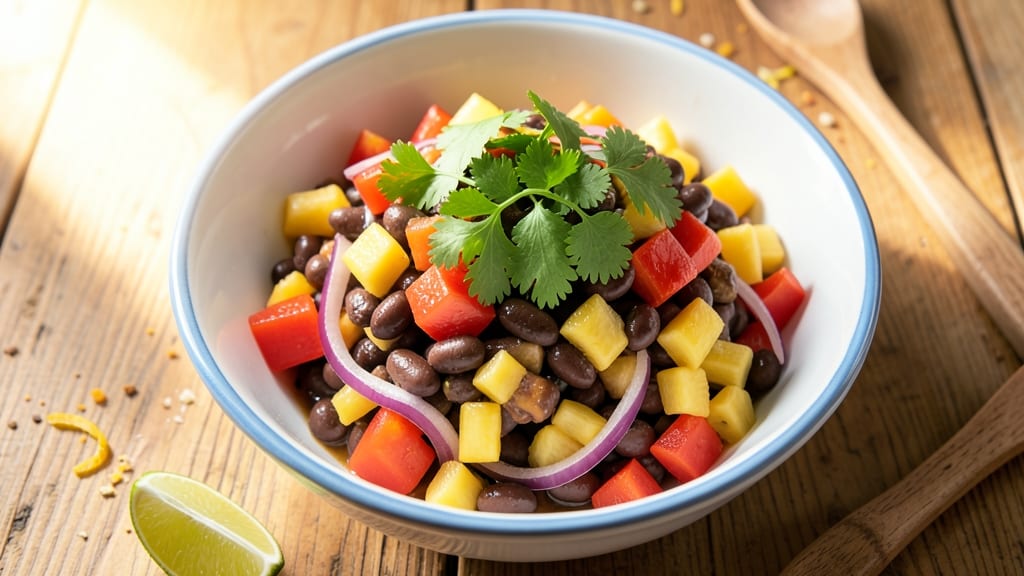
This black bean pineapple salsa recipe transforms a simple mix of ingredients into a vibrant, tropical-inspired dish that's as versatile as it is delicious.
The perfect balance of sweet pineapple, earthy black beans, and fresh herbs creates a texture that's creamy yet crunchy, with a zesty kick that brightens any meal. I developed this recipe after craving something fresh, flavorful, and packed with plant-based protein—ideal for vegans or anyone looking for a lighter option.
The beauty of this salsa lies in its simplicity: just 8 ingredients come together in 15 minutes with no cooking required. The black beans provide heartiness, while the pineapple adds a refreshing sweetness that pairs perfectly with the tangy lime and cilantro.
What sets this apart is the tropical twist—unlike traditional salsas, this one delivers a bright, fruity profile that works as a dip, topping for tacos or bowls, or even a side dish alongside grilled fish or chicken.
By the time you're done, you'll have a batch of salsa that's bursting with color and flavor, ready to elevate any dish.
The secret to its success is letting the flavors meld for at least 30 minutes before serving—this allows the lime juice to brighten the pineapple and the cilantro to release its full aroma. It's a recipe that proves healthy eating can be exciting, not just nutritious.
Store it in an airtight container in the fridge for up to 5 days, or freeze for longer storage. The flavors only deepen over time, making it perfect for meal prep.
Whether you're serving it at a gathering or keeping it on hand for quick weeknight meals, this salsa is a game-changer for anyone looking to add a tropical flair to their table.
Ingredients for black bean pineapple salsa
Eight vibrant ingredients create a tropical salsa bursting with plant-based protein and zesty lime brightness.
| Ingredient | Amount | Notes |
|---|---|---|
| Canned Black Beans 🫘 | 1 ½ cups | Drained and rinsed thoroughly |
| Fresh Pineapple 🍍 | 1 ½ cups | Finely diced, no core |
| Red Bell Pepper 🌶️ | 1 whole | Diced, seeds removed |
| Fresh Cilantro 🌿 | ½ cup | Chopped, stems removed |
| Lime Juice 🍋 | ¼ cup | Freshly squeezed |
| Red Onion 🧅 | ¼ cup | Finely diced, white parts only |
| Jalapeño Pepper 🌶️ | 1 whole | Seeds removed, minced |
| Extra-Virgin Olive Oil 🫒 | 2 tbsp | For binding and richness |
| Salt 🧂 | ½ tsp | Diamond Crystal kosher |
| Garlic Cloves 🧄 | 2 cloves | Minced, fresh preferred |
The black beans are the heart of this salsa—low-sodium canned if possible to avoid excess salt. For pineapple, fresh is ideal but high-quality canned (in juice, not syrup) works in a pinch. I always grab organic red bell peppers from the produce section—they're sweeter and more flavorful. Fresh cilantro is non-negotiable here; dried just doesn't cut it. For lime juice, Mexican limes have more zing, but regular limes work fine. The jalapeño should be fresh and firm—avoid those sad, wrinkled ones at the back of the produce case.
No fresh pineapple? High-quality canned pineapple in juice (like Dole or Del Monte) works beautifully—just drain it well. Swapping cilantro for parsley? Use the same amount, but expect a milder flavor. Running low on lime juice? Key lime juice or even lemon juice in a pinch, though lime's unique tartness is preferred. The jalapeño can be omitted entirely if you prefer no heat, or swap for pickled jalapeños for extra tang. For the garlic, powdered works at half the amount if fresh isn't available. The olive oil is crucial—don't use the cheapest bottle; a fruity extra-virgin makes all the difference.
This salsa tastes even better after 30 minutes of resting—the lime brightens the pineapple and the flavors meld beautifully. Store in an airtight container in the fridge for up to 5 days, though I usually eat it within 2-3 days. For longer storage, portion into ice cube trays and freeze—perfect for adding to smoothies or soups later. The flavors actually deepen over time, making it ideal for meal prep. If making ahead, hold off on adding the lime juice until just before serving to prevent the pineapple from browning.
Why You'll Love This Recipe
- No Chopping Needed: Honestly, I dump the canned beans straight into the bowl—no soaking, no rinsing, no fuss. The pineapple gets diced in two minutes (or buy pre-cut if you’re really lazy), and the bell pepper? I just slice it thick so it stays crisp. That’s it. No knife skills required.
- Sweet-Spicy Magic: Here’s what sold me—the lime juice cuts through the pineapple’s sweetness while the black beans add this deep, earthy richness. The cilantro? It’s the secret—bright and fresh, like a little green hug in every bite. (Yes, even on a Tuesday night.)
- Party in a Bowl: I’ve used this as a dip for chips, a topping for grilled fish, or even a filling for tacos. The texture—creamy beans, juicy pineapple, crunchy pepper—works everywhere. And it’s the one thing my picky-eating teen actually finishes.
- Pantry Staple Power: Between us, this recipe costs me maybe $5 for a big batch. The beans and pineapple stretch forever, and the lime keeps it fresh for days. I make it once a month, and it disappears faster than my willpower when cookies are baking.
Step-by-step instructions for black bean pineapple salsa
This tropical salsa delivers vibrant flavors with minimal effort—just chop, mix, and let the ingredients shine.
Prepare the Base Ingredients
Drain and rinse the 1.5 cups canned black beans thoroughly to remove excess sodium. Pat them dry with a clean kitchen towel to prevent a watery salsa. In a medium mixing bowl, combine the black beans with the 1.5 cups finely diced fresh pineapple and 1 whole diced red bell pepper. The pineapple should be cut into small, even pieces—no larger than ¼ inch—so each bite delivers bright sweetness.
Add the 0.25 cup finely diced red onion and 2 cloves minced garlic to the bowl. The onion should be diced small enough to distribute evenly but not so fine that it becomes indistinguishable. I like to press the garlic cloves with the flat side of my knife before mincing to release their aromatic oils. This ensures every spoonful of salsa carries that subtle garlic punch.
Add the Fresh Herbs and Spice
Stir in the 0.5 cup chopped fresh cilantro and 1 whole minced jalapeño pepper (seeds removed for milder heat). The cilantro should be finely chopped—small enough to blend seamlessly but not so fine that it turns to mush. Taste the mixture at this stage; you'll notice the jalapeño adds a bright, slightly spicy kick that balances the sweet pineapple.
Real talk: if you prefer less heat, reduce the jalapeño to just the tip of the pepper. But I find the seeds-removed version gives a pleasant, lingering warmth without overpowering the tropical flavors. The black beans already provide a natural earthiness that grounds the sweet and spicy notes, so let them shine without overdoing the chili.
Bind and Season
Pour in the 2 tbsp extra-virgin olive oil and 0.25 cup freshly squeezed lime juice. The lime juice is critical—it brightens all the flavors and prevents the salsa from becoming too heavy. Use a wooden spoon to gently fold everything together, ensuring the olive oil coats each ingredient evenly. This step creates the perfect emulsion that keeps the salsa moist and flavorful.
Add the 0.5 tsp Diamond Crystal kosher salt and mix thoroughly. Taste the salsa again before proceeding—this is your quality checkpoint. The salt should enhance all the flavors without making them taste flat. If needed, adjust the salt or lime juice slightly (I rarely need more than a pinch of salt at this stage). The texture should be thick but still spoonable, with no excess liquid pooling at the bottom of the bowl.
Rest and Serve
Cover the bowl with plastic wrap and let the salsa rest at room temperature for 15-20 minutes. This brief resting period allows the flavors to meld and the lime juice to fully integrate. Don't skip this step—rushing it results in a salsa that tastes disjointed rather than harmonious.
Serve immediately or store in an airtight container in the refrigerator for up to 3 days. The salsa will continue to develop deeper flavors as it rests, especially if you let it sit at room temperature for an hour before serving. Pair it with grilled fish, chicken, or even as a topping for black beans and rice. The contrast of textures—creamy beans, juicy pineapple, and crisp bell pepper—makes this salsa a standout dish.
Pro Tips For Making Black Bean Pineapple Salsa
- Drain and Rinse Beans: Canned black beans are packed in salty brine, and skipping the rinse leaves your salsa tasting like a sad, watered-down soup. Pop them in a colander, give them a quick cold water rinse, and drain well—this keeps the texture firm and balances the flavors without extra salt.
- Char the Pineapple: Fresh pineapple gets boring when just chopped. Toss chunks on a dry skillet over medium-high heat for 2-3 minutes per side until they develop slight blackened spots—this caramelizes the natural sugars and adds smoky depth. (Yes, even if you’re impatient like me.)
- Dice the Bell Pepper Small: Big chunks of bell pepper make your salsa look uneven and taste like they’re fighting for attention. Cut them into ¼-inch dice so every bite gets that sweet, crisp texture evenly distributed. No one wants to chew through a surprise vegetable.
- Add Lime Last: Lime juice brightens the salsa, but adding it too early makes the cilantro wilt and the pineapple turn mushy. Stir in the juice right before serving—this keeps everything crisp and the acidity sharp. (Your future self will notice the difference.)
Troubleshooting great black bean pineapple salsa
Pineapple Browning
If your pineapple turns brown after mixing, it’s a sign the lime juice needs to be added later. Always add lime juice just before serving or store it separately until ready to eat.
For extra protection, toss the diced pineapple in 1 tbsp lemon juice before mixing with other ingredients—this prevents browning while keeping the tropical flavor intact. 🍋
Watery Texture
A watery salsa usually means the black beans weren’t drained or rinsed properly. Always use low-sodium canned black beans and rinse them thoroughly under cold water before adding to the mix.
If it’s still too wet, drain excess liquid by pressing the mixture through a fine-mesh sieve or letting it sit in a colander for 5 minutes before serving. Pat the beans dry with a clean towel for best results.
Muddled Ingredients
Over-chopping cilantro or jalapeño turns the salsa mushy. Chop cilantro into small, even pieces (not a paste) and mince the jalapeño finely but not excessively. For extra texture, leave some cilantro stems intact—they add a nice crunch.
Use a sharp knife and keep your cutting board cold to prevent the ingredients from breaking down too much. 🌿
Lack of Flavor Balance
If the salsa tastes too sweet or bland, adjust the lime juice or salt. Add 1-2 tbsp more lime juice for brightness or a pinch of salt to enhance all flavors.
For depth, stir in ½ tsp ground cumin or ½ tsp smoked paprika—these spices complement the tropical notes beautifully. Taste as you go, and remember that flavors meld better after resting.
Soggy Toppings
When using this salsa as a topping, let it sit at room temperature for 10 minutes before serving to prevent sogginess. If adding to tacos or nachos, spoon it on just before eating.
For extra crunch, top with toasted pepitas (pumpkin seeds) or crumbled tortilla chips—these absorb excess moisture and add texture. 🌶️
Uneven Heat
If the jalapeño heat is uneven, remove the seeds and membranes for milder heat or use the whole pepper for more kick. For a consistent spice level, blend the jalapeño into the salsa instead of chopping it—this distributes the heat evenly.
If you prefer no heat, swap it for ½ tsp Tajín seasoning or pickled jalapeños for tang without spice.
Nutrition facts
Frequently asked questions about black bean pineapple salsa
Can I make this salsa without fresh pineapple?
Use 1.5 cups high-quality canned pineapple in juice (not syrup) for a convenient substitute. Drain it well and pat dry to avoid a watery texture. For extra brightness, add 1 extra tablespoon of lime juice to compensate for the lack of fresh fruit's natural acidity.
How spicy will this salsa be with the jalapeño?
The jalapeño adds mild heat, especially when seeds and membranes are removed. For a milder version, use just the tip of the pepper or swap it for pickled jalapeños (about 2 tablespoons) for tang without spice. If you love heat, keep the seeds in for a noticeable kick. Taste as you go!
What’s the best way to store leftovers?
Transfer to an airtight container and refrigerate for up to 5 days. For longer storage, portion into ice cube trays and freeze—perfect for adding to smoothies or soups later. To preserve freshness, add lime juice just before serving if storing for more than 2 days.
Can I use this salsa as a marinade?
Yes! The tropical flavors work beautifully as a marinade for fish, shrimp, or chicken. Let the salsa sit for 30 minutes to meld flavors, then coat your protein and marinate for 15-20 minutes (no longer, or the acidity may overcook delicate proteins). For extra tenderness, add 1 tablespoon of olive oil to the marinade.
Why does my salsa taste too sweet?
Too much pineapple or not enough acid can make the salsa overly sweet. Balance it by adding 1-2 tablespoons of lime juice or a pinch of salt to enhance other flavors. For depth, stir in ½ teaspoon of ground cumin or smoked paprika—these spices complement the tropical notes perfectly. Taste as you adjust!