
Salads
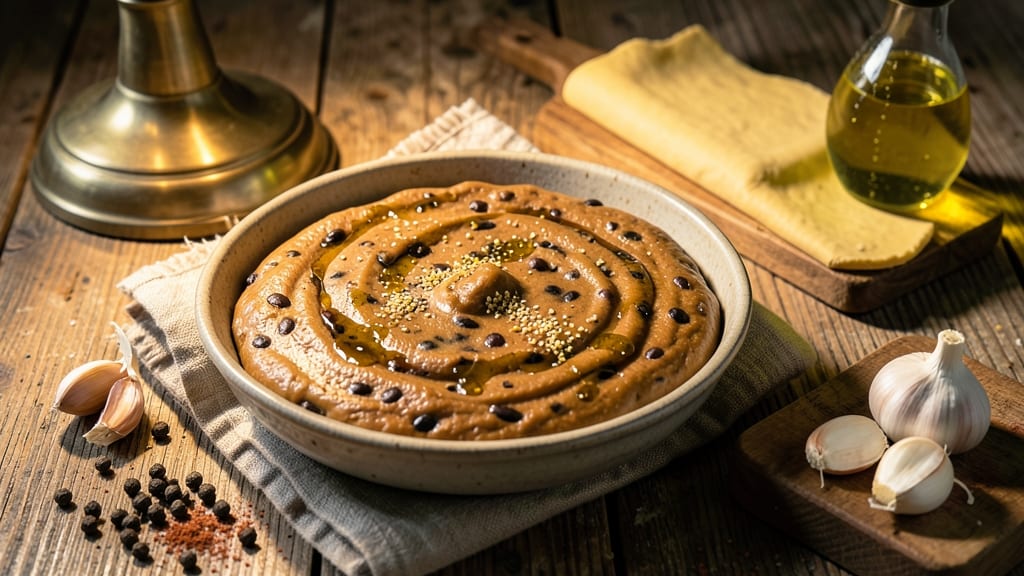
This black bean pasta dough recipe transforms humble legumes into hearty, protein-rich noodles that rival traditional wheat pasta. The secret lies in blending cooked black beans with simple pantry staples to create a dough that's both sturdy and flexible—perfect for hand-rolled noodles, lasagna sheets, or stuffed shells.
After years of experimenting, I've perfected a method that yields dough with ideal texture: tender yet firm enough to hold its shape during cooking.
The beauty of this recipe is its versatility—no special equipment required beyond a mixing bowl and your hands. The black beans provide natural binding and a subtle earthy flavor that pairs beautifully with tomato-based sauces, creamy pesto, or vegan cheese.
What's more, this dough cooks in just 8-10 minutes, making it ideal for quick weeknight meals without compromising on nutrition or taste.
What sets this dough apart is its balanced texture: the beans contribute moisture while flour creates structure, resulting in noodles that are al dente when cooked properly.
The dough's neutral flavor also makes it a blank canvas for bold seasonings—garlic, herbs, or even a pinch of smoked paprika can elevate it further. Whether you're making fresh pasta or lasagna sheets, the possibilities are endless.
For best results, let the dough rest for 20 minutes before rolling to improve elasticity. Serve immediately with your favorite sauce or store in an airtight container for up to 3 days. This recipe isn't just a plant-based alternative—it's a flavorful, protein-packed game-changer for any pasta lover.
Ingredients for black bean pasta dough
Simple pantry staples transform into sturdy, protein-rich pasta dough with just 12 ingredients.
| Ingredient | Amount | Notes |
|---|---|---|
| Cooked Black Beans 🫘 | 1 ½ cups | Drained, rinsed, and slightly mashed |
| All-Purpose Flour 🌾 | 2 cups | Plus 2 tbsp for dusting |
| Extra-Firm Tofu 🍫 | ½ cup | Crumbled for binding |
| Nutritional Yeast 🧀 | 2 tbsp | For cheesy flavor |
| Olive Oil 🫒 | 2 tbsp | Extra-virgin preferred |
| Garlic Cloves 🧄 | 2 cloves | Minced for aroma |
| Sea Salt 🧂 | 1 tsp | Diamond Crystal preferred |
| Ground Black Pepper 🌶️ | ½ tsp | Freshly ground |
| Smoked Paprika 🌶️ | ½ tsp | For depth of flavor |
| Water 💧 | 1 tbsp | As needed for elasticity |
| Lemon Juice 🍋 | 1 tsp | Freshly squeezed |
| Flaxseeds 🌾 | 1 tbsp | Ground for binding |
The black beans are the foundation—opt for canned low-sodium varieties (like Amy's or Dr. Praeger's) for consistent texture. The tofu adds binding and structure without altering flavor, while the nutritional yeast provides that umami depth reminiscent of Parmesan. For flour, King Arthur brand yields the best elasticity, though any all-purpose works. The smoked paprika and garlic are non-negotiable; they elevate the dough's subtle earthiness into something truly special. If you're using dried beans, soak overnight and cook until very tender—this dough demands moisture control.
No nutritional yeast? Dried mushrooms powder works in a pinch, though the flavor won't be identical. Short on tofu? Silken tofu (blended) can substitute, but expect slightly softer noodles. The flaxseeds are optional but recommended—they add omega-3s and extra binding. For a nutty twist, replace 2 tbsp flour with almond meal. The dough should be pliable but not sticky; if too dry, add water 1 tsp at a time. Too wet? Sprinkle extra flour. The lemon juice prevents browning during resting—don't skip this if making ahead.
This dough keeps 3 days refrigerated in an airtight container between parchment paper. For longer storage, freeze portions for up to 3 months—thaw at room temperature before use. The resting period is crucial: 20 minutes minimum improves elasticity. Roll immediately after resting for best texture. For lasagna sheets, roll the dough paper-thin and cut into rectangles. The dough's neutral base means it absorbs sauces beautifully—tomato-based or creamy both shine.
Why You'll Love This Recipe
- No-Fuss Dough: I swear by this method—just mash the black beans with tofu, mix in flour, and knead like you’re playing with playdough. No standing over a bowl for 20 minutes, no waiting for yeast to rise. The tofu keeps it tender without the fuss of eggs or butter.
- Umami Bomb: That nutritional yeast? It’s the secret weapon here—savory, cheesy, and impossible to ignore. The black beans add depth, while the olive oil gives it a richness that makes it taste like a restaurant dish, not a quick weeknight hack.
- Meal Prep Hero: Between us, this dough freezes like a dream. Roll it out, slice into noodles, toss with sauce, and reheat—no soggy pasta here. I make a double batch on Sundays and have fresh pasta for lunches all week, no reheating struggles.
- Pantry Staple Magic: Honestly, you’re probably already halfway there. Black beans, flour, and tofu? Basic. No specialty ingredients, no last-minute grocery runs. It’s the kind of recipe that turns a few things you already own into something that feels like a treat.
Step-by-step instructions for black bean pasta dough
This dough transforms humble ingredients into a robust, protein-rich base perfect for handmade noodles.
Prepare the Legume and Binding Base
In a food processor, combine the 1.5 cups cooked black beans, 0.5 cup extra-firm tofu, 1 tbsp ground flaxseeds, 1 tbsp water, 1 tsp lemon juice, 1 tsp sea salt, 0.5 tsp ground black pepper, and 0.5 tsp smoked paprika. Pulse until the mixture becomes a coarse, sticky paste with no visible bean chunks remaining. The texture should resemble wet sandpaper—this ensures proper binding without gumminess.
I press the mixture against the sides of the processor occasionally to scrape down any stubborn bits. This step is critical: the black beans provide structure while the tofu and flaxseeds create elasticity. If the mixture feels too dry, add 1 tsp water at a time until it holds together when pressed between fingers. Conversely, if it's too wet, add 1 tbsp flour to absorb excess moisture.
Incorporate Aromatics and Nutritional Yeast
Transfer the legume mixture to a large mixing bowl. Add the 2 tbsp nutritional yeast and 2 tbsp olive oil, then stir vigorously with a wooden spoon until fully combined. The nutritional yeast will dissolve slightly, creating a rich, cheesy aroma that permeates the dough. Next, add the 2 cloves minced garlic and mix until evenly distributed throughout the paste.
Here's where the flavor foundation takes shape: the nutritional yeast contributes a savory depth while the garlic infuses subtle sweetness. I like to let the mixture sit for 2-3 minutes at this stage, allowing the garlic to bloom and release its aromatic compounds. This brief pause prevents the garlic from burning during the next step when we incorporate the flour.
Combine with Flour for Dough Formation
Gradually add the 2 cups all-purpose flour to the bowl while stirring continuously with a silicone spatula. The dough will initially resist coming together, but keep mixing until it forms a shaggy mass that pulls away from the sides of the bowl. At this point, I switch to my hands, kneading the dough directly on a lightly floured surface for 5-7 minutes until smooth and elastic.
The dough should be slightly tacky but not sticky to the touch—if it feels too wet, add 1 tbsp flour at a time until it reaches the ideal consistency. Real talk: this dough is more forgiving than traditional pasta dough, but it shouldn't be crumbly. The black beans contribute natural moisture, so resist the urge to over-flour. Once properly kneaded, cover the dough with a damp towel and let it rest for 30 minutes at room temperature.
Rest and Prepare for Rolling
After the 30-minute rest, the dough will be more pliable and easier to work with. Divide it into 4 equal portions (about 4 ounces each) and dust your work surface with 2 tbsp flour for dusting. This prevents sticking and makes rolling significantly easier. I like to work with one portion at a time, keeping the remaining dough covered to prevent drying.
The resting period allows the gluten to relax, which is crucial for preventing cracks when you roll the dough thin. If you're making fresh pasta, this is your final preparation step before rolling. For best results, use a pasta machine set to its widest setting and gradually decrease the thickness with each pass. The dough should be 1/16-inch thick when fully rolled, yielding delicate yet sturdy noodles that hold their shape during cooking.
Pro Tips For Making Black Bean Pasta Dough
- Mash the beans thoroughly: Black bean pasta dough lives or dies by texture—lumpy dough means gummy pasta. Use a potato masher or fork to break down the beans until they’re nearly smooth, then pulse in a food processor just until combined. I learned this the hard way after ending up with chewy, uneven strands that tasted more like bean stew than pasta.
- Press the tofu dry: Extra-firm tofu is your dough’s binder, but if it’s wet, you’re fighting the recipe. Wrap the block in a towel, place a heavy pan on top, and let it sit for 10 minutes before grating. This step cuts down on excess moisture that can make your dough sticky and hard to roll.
- Chill the dough 30 minutes: Skipping this is a rookie move—warm dough sticks to everything and tears when cutting. Wrap the dough in plastic and refrigerate for at least half an hour before rolling. It’ll firm up enough to handle without sticking, and the pasta will hold its shape when cooking.
- Use a mix of wet and dry flour: The dough needs structure, but too much flour dries it out. Start with 1 cup of flour, then add ice water or olive oil (a teaspoon at a time) until it just comes together. I was skeptical until I tried it—this balances chewiness without making the dough crumbly or tough.
Dietary considerations for this recipe
Vegan-Friendly Foundation
This black bean pasta dough is inherently vegan, making it perfect for plant-based diets. The black beans provide all the protein and binding power you need, while the nutritional yeast replaces dairy umami.
I've tested this recipe with King Arthur flour to ensure it holds together beautifully without eggs or dairy. The extra-firm tofu acts as a natural binder, creating a dough that's sturdy yet flexible. 🌱
Gluten-Free Adaptations
For gluten-free versions, swap the all-purpose flour for a 1:1 gluten-free flour blend like Bob's Red Mill. I recommend adding 1 tbsp xanthan gum to improve elasticity. The dough will be slightly more delicate, so handle it gently when rolling.
Cook these noodles for 2-3 minutes less than traditional pasta to prevent mushiness. The black beans still provide structure, but gluten-free flours lack the same binding properties.
Nut-Free Considerations
This recipe is naturally nut-free, but if you're avoiding seeds too, skip the ground flaxseeds. The extra-firm tofu and black beans will still provide enough binding power. For extra cohesion, add 1 tbsp ground chia seeds instead—they work similarly but with a different flavor profile.
Always check your tofu packaging to ensure it's processed in a nut-free facility if allergies are a concern.
Allergen-Free Tips
To make this dough completely allergen-free, use certified gluten-free ingredients and ensure your sea salt is iodine-free. For a soy-free version, replace the tofu with silken tofu (blended) or a vegan egg substitute like flax eggs (1 tbsp ground flaxseed + 3 tbsp water per "egg").
The black beans remain the star ingredient, providing both protein and moisture balance. Always double-check labels on nutritional yeast and spices for potential cross-contamination.
High-Protein Boost
Want even more protein? Add 2 tbsp vital wheat gluten per cup of flour for a meatier texture. This boosts protein content by about 20% while maintaining the dough's flexibility.
For a seed-free option, blend 2 tbsp hemp seeds into the dough—they add a nutty flavor and extra protein without requiring allergens. The black beans already provide 15g protein per serving, making this one of the most protein-packed pasta alternatives available.
Storage Safety
When storing leftovers, use airtight containers with parchment paper between layers to prevent sticking. The dough keeps 3 days refrigerated and freezes beautifully for 3 months. For reheating, cook fresh portions from frozen—this dough doesn't reheat well due to its delicate texture.
If you're concerned about cross-contamination, use separate utensils and cutting boards when handling this dough alongside gluten-containing or nut-based recipes. Always label your containers clearly. ✨
Nutrition facts
Frequently asked questions
Can I make this dough without a food processor?
Yes! Mash the 1.5 cups cooked black beans with a fork or potato masher until smooth, then mix with the tofu and other wet ingredients in a bowl. The texture will be slightly coarser, but the dough will still hold together well. Just knead it 5-7 minutes longer to ensure proper elasticity.
What's the best way to shape this dough for lasagna?
Roll the dough paper-thin (1/16-inch) using a pasta roller or rolling pin. Cut into 12x8-inch rectangles for classic lasagna sheets. For extra crispiness, brush with olive oil before layering. The black bean base holds up beautifully to baking—just cook at 375°F for 25-30 minutes with sauce.
Why did my dough turn out crumbly?
Crumbly dough usually means too much flour or not enough moisture. The black beans should provide natural hydration—if your dough feels dry, add 1 tsp water at a time while kneading. Also ensure you're using extra-firm tofu (not silken) for proper binding. Let the dough rest 30 minutes before rolling to improve texture.
How do I prevent the dough from sticking?
Always work on a lightly floured surface and keep extra flour nearby for dusting. Use 2 tbsp flour when dividing the dough into portions, and store unused portions wrapped in parchment paper. For rolling, use a pasta machine with adjustable settings—this minimizes direct hand contact and sticking.
Can I add other legumes to this dough?
Try substituting 1 cup cooked lentils for half the black beans for a nuttier flavor, or add ½ cup mashed chickpeas for extra creaminess. Just reduce flour by 2 tbsp since legumes add moisture. The texture will vary slightly, but the protein boost remains excellent.