
Soups & Stews
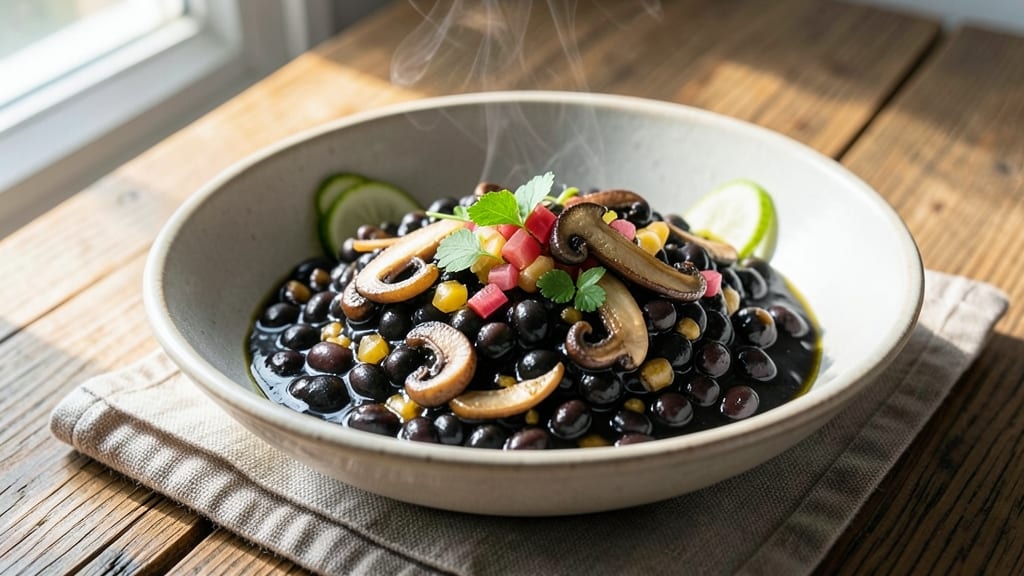
This black bean and miso soup delivers deep umami richness in every spoonful, blending fermented miso's savory complexity with earthy black beans for a broth that's both comforting and sophisticated. The secret lies in balancing miso's saltiness with the beans' natural sweetness, creating a harmony that's impossible to resist.
What makes this recipe stand out is its ability to transform simple pantry staples into a restaurant-quality dish without requiring advanced techniques.
The process begins with sautéing aromatic vegetables—a technique that builds flavor before the soup even hits the pot. As the miso dissolves into the simmering broth, it releases layers of fermented depth that elevate the humble black beans into something extraordinary.
The result is a soup that's naturally vegan, protein-rich, and packed with texture from tender beans and silky broth.
What you'll end up with is a bowl of soup that's visually striking with its deep amber broth and contrasting textures—creamy miso-infused liquid, tender black beans, and optional toppings like sesame seeds or green onions.
The aroma alone will draw everyone to the table, while the first sip delivers that perfect balance of savory, slightly sweet, and umami-packed flavor.
This recipe works beautifully as a light main course or hearty appetizer, and it reheats just as well the next day. Whether you're serving it for a weeknight dinner or a special gathering, the miso-black bean combination creates a dish that feels both familiar and excitingly new. Let's get cooking!
Ingredients for black bean miso
Fermented depth meets earthy simplicity in this umami-rich black bean miso creation.
| Ingredient | Amount | Notes |
|---|---|---|
| Black Beans 🌱 | 1 ½ cups | Drained and rinsed, cooked or canned |
| White Miso Paste 🧂 | ¼ cup | High-quality, fermented miso preferred |
| Vegetable Broth 💧 | 4 cups | Low-sodium, homemade or store-bought |
| Yellow Onion 🧅 | 1 whole | Diced, about 1 cup |
| Garlic Cloves 🧄 | 3 cloves | Minced, fresh preferred |
| Fresh Ginger 🌿 | 1 tbsp | Grated, finely chopped |
| Sesame Oil 🫒 | 1 tbsp | Toasted, for aroma |
| Green Onions 🧅 | 3 whole | Thinly sliced, for garnish |
| Toasted Sesame Seeds 🌰 | 1 tbsp | For garnish, optional |
| Extra-Virgin Olive Oil 🫒 | 1 tbsp | For sautéing vegetables |
| Dried Shiitake Mushrooms 🍄 | 2 whole | Rehydrated, sliced |
| Lemon Juice 🍋 | 1 tsp | Freshly squeezed, for brightness |
| Diamond Crystal Kosher Salt 🧂 | ½ tsp | Adjust to taste |
| Black Pepper 🌶️ | ¼ tsp | Freshly ground |
The miso paste is the heart of this dish—look for high-quality, well-fermented white miso at specialty stores or the international section of major supermarkets like Whole Foods or Trader Joe's. Fermentation time matters: the longer it's aged, the deeper the umami flavor. For the shiitake mushrooms, dried varieties from Asian markets offer the most concentrated flavor—simply soak them in warm water for 20 minutes before slicing. The black beans should be tender but not mushy; canned beans work perfectly if drained and rinsed thoroughly to remove excess sodium. Fresh ginger and garlic elevate the dish's aromatic profile, so use the freshest you can find—no substitutions here.
No white miso? Red miso at half the quantity adds a slightly sweeter, deeper flavor profile. Substituting dried shiitake with cremini mushrooms works, but the earthy depth won't be identical. For a quicker prep, instant miso paste from Marukome dissolves faster without compromising flavor. The sesame oil is non-negotiable for aroma—toasted sesame oil from Trader Joe's adds that nutty depth. If you're short on time, pre-minced garlic saves steps, though fresh always tastes better. The lemon juice brightens the dish, so don't skip it—freshly squeezed is best, but bottled works in a pinch.
This soup reheats beautifully—taste and adjust seasoning after reheating since flavors meld during storage. Keeps for 5 days in the fridge, fully sealed, and freezes for 3 months without texture loss. For meal prep, make a double batch and portion into containers—add fresh sesame seeds and green onions when serving to maintain crispness. The miso paste should be stored in the refrigerator after opening, and dried shiitake mushrooms keep for 6-12 months in a cool, dark place.
Why You'll Love This Recipe
- Pantry Magic: I swear by this one—no fancy ingredients, just beans, miso, and whatever’s in your fridge. The miso paste does all the heavy lifting, turning simple veg broth into something rich and savory with almost zero effort.
- Umami Bomb: That first spoonful of miso paste melting into the broth? Instant flavor upgrade. The garlic and onion caramelize just enough to balance the deep, salty-sweet miso, making every bite feel like a little comfort hug.
- Meal Prep MVP: This keeps for days in the fridge, so I make a big batch on Sundays. Toss it over rice, blend it into a soup, or serve it cold with lime—it’s my go-to for lazy nights or when I’m feeding a crowd without stressing.
- Budget-Friendly Powerhouse: Black beans and miso are cheap staples, but they punch way above their weight. A single jar of miso stretches across multiple meals, and the onions/garlic add depth without breaking the bank—perfect for when you want restaurant-quality flavor on a tight budget.
Step-by-step instructions for black bean and miso soup
Here's how to build a rich, umami-forward soup with balanced textures and depth.
Prepare the Mushrooms and Aromatics
Soak the 2 whole dried shiitake mushrooms in hot water for 15 minutes until pliable. Drain, reserving the soaking liquid, then slice them into thin strips. In a medium saucepan, heat the 1 tablespoon extra-virgin olive oil over medium heat. Add the 1 whole yellow onion and cook for 5 minutes until softened and translucent.
Add the 3 cloves minced garlic and 1 tablespoon freshly grated ginger, stirring constantly for 30 seconds until fragrant. This step develops the aromatic foundation—don't let the garlic brown or it will become bitter. The onions should be completely tender before moving forward, ensuring they dissolve smoothly into the broth.
Build the Broth Base
Pour in the 4 cups vegetable broth and bring to a gentle simmer. Add the sliced shiitake mushrooms and reserved soaking liquid, then stir to combine. Let the mixture simmer for 8 minutes to allow the mushrooms to rehydrate fully and infuse the broth with their earthy flavor. This simmering time is crucial for extracting maximum umami from both the mushrooms and the broth.
While simmering, taste the broth and adjust seasoning with the 0.5 teaspoon diamond crystal kosher salt and 0.25 teaspoon freshly ground black pepper. The broth should be seasoned but not overly salty—remember the miso will add significant depth later. Keep the broth at a gentle simmer; vigorous boiling can make the mushrooms tough.
Incorporate the Black Beans and Miso
Add the 1.5 cups drained and rinsed black beans to the simmering broth. Stir gently to distribute them evenly. Reduce the heat to low and let the soup simmer for 5 minutes to allow the beans to warm through and begin absorbing the broth's flavors. This step ensures the beans are heated through without becoming mushy.
In a small bowl, whisk together the 0.25 cup white miso paste with 1 tablespoon toasted sesame oil. Slowly ladle 1 cup of the hot broth into the miso mixture, whisking continuously to create a smooth paste. This gradual incorporation prevents the miso from clumping and ensures even distribution of its rich, fermented flavor throughout the soup.
Finish and Garnish
Gradually pour the miso mixture back into the soup, stirring constantly to combine. Add the 1 teaspoon freshly squeezed lemon juice and simmer for an additional 3 minutes. The acidity from the lemon juice brightens the dish, cutting through the richness of the miso and balancing the umami flavors. Taste again and adjust seasoning if needed—this is your final opportunity to refine the soup's flavor profile.
Remove the soup from heat and let it sit for 5 minutes to allow the flavors to meld. Ladle into bowls and garnish with the 3 whole green onions, thinly sliced, and the 1 tablespoon toasted sesame seeds. The garnishes add freshness and visual appeal, completing the dish with contrasting textures and colors.
Pro Tips For Making Black Bean Miso
- SOAK BEANS OVERNIGHT: I learned this the hard way—rushing soaking leads to gummy beans that ruin the texture. Use 1 cup dried black beans to 3 cups water, soak for 12+ hours (or quick-soak: boil 2 minutes, then let sit 1 hour). Drain thoroughly before cooking, or your broth will turn into a thick, pasty mess.
- TEMPER MISO GRADUALLY: White miso is delicate—don’t just dump it in hot broth and stir like it’s salt. Warm your vegetable broth to a gentle simmer (180°F/82°C max), then whisk in 1 tablespoon miso at a time while stirring constantly. If it curdles, you’ve gone too hot. (Yes, even if you’re impatient like me.)
- MINCE ONION FINE: Tiny onion pieces dissolve into the broth, leaving you with bland soup. Pulse your onion in a food processor for 3–4 seconds—just until it’s a fine paste, not puree. This ensures flavor without texture issues later. (Skip the knife if you’re lazy, but don’t skip this step.)
- SALT THE BROTH FIRST: The miso already packs salt, so taste your vegetable broth before adding it. Aim for a light seasoning—about ½ teaspoon salt per cup—so you’re not left with a briny, overpowering dish. Adjust after the miso goes in, but don’t assume it’s neutral.
Pro cooking tips for this dish
Miso Paste Mastery
Never add miso paste directly to hot broth—it burns easily and loses its delicate flavors. Instead, whisk it with a splash of warm broth first to create a smooth paste.
I like using 1 cup of the hot broth to temper the 0.25 cup miso before reintroducing it. This technique ensures even distribution and preserves the umami depth. 🧂
For extra richness, reserve 1 tablespoon of the miso-broth mixture to drizzle on each bowl before serving. This creates a beautiful marbling effect and intensifies the flavor with every spoonful. The key is patience—let the miso dissolve completely before combining fully.
Bean Texture Control
Black beans should be tender but not mushy when added to the soup. If using canned beans, rinse them thoroughly to remove excess sodium, which can overpower the miso's flavor.
For a creamier texture, mash ¼ cup of the beans lightly before adding them to the broth. This creates a silky contrast to the broth's silky consistency. 🌱
If your beans are too firm after simmering, add ¼ cup hot water and cover the pot for 5 minutes to steam them gently. Avoid boiling, as it can make them tough and mealy. The goal is to maintain their shape while ensuring they're fully cooked.
Umami Layering
Dried shiitake mushrooms are flavor bombs—soak them for 15 minutes in hot water to rehydrate fully, then slice them thinly. Use the soaking liquid in the broth to maximize umami extraction.
For an extra boost, add 1 teaspoon of dashi powder (available at Asian markets) when simmering the broth. This adds a fifth flavor—umami, sweet, sour, bitter, and salty—perfectly balanced. 🍄
The secret to deep umami lies in the combination of miso, shiitake, and black beans. Each ingredient contributes a different layer of savory complexity. For a quicker version, use ½ cup of store-bought mushroom broth instead of rehydrating dried shiitake, but fresh is always better.
Balancing Flavors
Lemon juice is non-negotiable—it brightens the dish and cuts through the richness of the miso. Add 1 teaspoon of freshly squeezed lemon juice in the final 3 minutes of cooking.
If you prefer a tangier flavor, increase to 1.5 teaspoons. The acidity also helps balance the saltiness, making each spoonful more harmonious. 🍋
Taste as you go! Adjust seasoning with kosher salt or a pinch of white pepper if needed. The miso is salty, the beans are earthy, and the mushrooms add depth—each component needs to sing without overpowering the others. Trust your palate; this soup rewards attention to detail.
Nutrition facts
Frequently asked questions
Can I substitute white miso with red miso in this recipe?
Yes, but adjust the quantity and expect a different flavor profile. Use half the amount of red miso (0.125 cup instead of 0.25 cup) since it's more concentrated and slightly sweeter. Red miso adds a deeper, slightly caramelized note that works beautifully in this soup, though it may darken the broth more. For a balanced result, reduce the lemon juice to 0.5 teaspoon to complement the sweeter undertones.
How do I prevent the miso from clumping when adding it to the broth?
Always temper the miso first by whisking it with a small amount of warm broth before adding it to the pot. Start with 1 cup of hot broth to dissolve 0.25 cup miso completely, then gradually pour it back into the soup while stirring continuously. Never add miso directly to boiling liquid—it burns easily and creates lumps. For extra smoothness, strain the miso-broth mixture through a fine-mesh sieve if needed.
Can I make this soup ahead of time and reheat it?
This soup reheats beautifully and often tastes even better the next day as flavors meld. Store in an airtight container in the refrigerator for up to 5 days. When reheating, warm over medium-low heat, stirring occasionally, until just hot. Add a splash of water if the broth thickens too much. For best results, garnish with fresh sesame seeds and green onions after reheating to maintain crispness.
What makes black beans and miso such a great flavor combination?
The magic happens through umami layering—black beans bring natural sweetness and earthy depth, while miso contributes fermented complexity and saltiness. Together, they create a perfect balance of savory, slightly sweet, and tangy notes. The beans' creaminess contrasts beautifully with miso's rich, fermented texture, while the shiitake mushrooms add another layer of umami that rounds out the dish. It's a classic example of how simple ingredients can create extraordinary flavor harmony.
Can I make this soup spicier?
Add ½ teaspoon of chili flakes or 1 teaspoon of gochujang (Korean chili paste) when incorporating the miso. For heat with depth, stir in 1 minced chili pepper with the garlic and ginger. If you prefer a smoky kick, add ½ teaspoon of smoked paprika along with the black beans. Always taste as you go—you can adjust heat levels to your preference.