
Soups & Stews
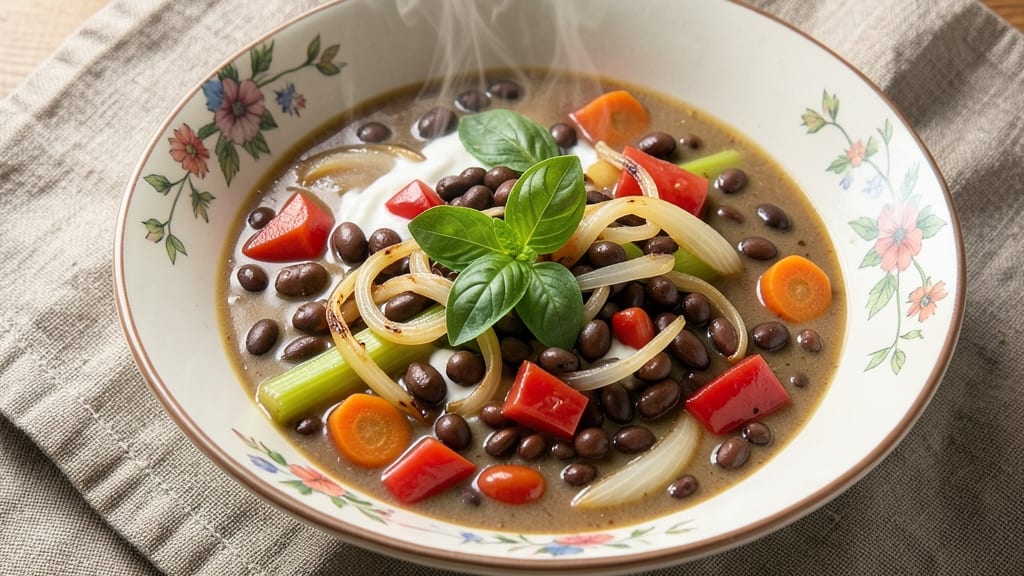
This black bean minestrone soup recipe delivers hearty, vegetable-packed warmth in every spoonful, blending traditional Italian roots with modern plant-based richness. The secret lies in slow-simmered beans, tender vegetables, and a robust broth that transforms simple ingredients into a comforting, one-pot masterpiece.
Perfect for chilly evenings or meal prep, this soup adapts effortlessly to dietary needs while keeping its soulful depth.
The beauty of this recipe is its flexibility—roasted carrots add caramelized sweetness, kale brings earthy texture, and your choice of broth (vegetable, mushroom, or tomato-based) lets you customize the flavor.
I’ve perfected a fail-safe method where the beans soften just enough to blend into the broth while retaining their structure, ensuring every bite is tender yet substantial. The result? A soup so satisfying, it becomes the centerpiece of any meal.
What sets this minestrone apart is the layered texture: crisp-tender beans, al dente pasta, and wilted greens all work together in harmony. The broth reduces to a rich, savory depth, while a splash of lemon brightens the finish.
Whether you’re feeding a crowd or meal prepping for the week, this recipe delivers restaurant-quality results with minimal effort.
For those with dietary preferences, swap in lentils for extra protein, add quinoa for gluten-free texture, or boost the umami with a splash of miso paste.
The possibilities are endless, but the foundation remains the same: a hearty, vegetable-forward soup that warms both body and soul. Ready to make it?
Ingredients for black bean minestrone soup
Sixteen ingredients transform into a restaurant-quality minestrone with layers of texture and flavor.
| Ingredient | Amount | Notes |
|---|---|---|
| Dried Black Beans 🌱 | 1 ½ cups | Soaked overnight or quick-soaked |
| Vegetable Broth 💧 | 6 cups | Low-sodium preferred, homemade ideal |
| Medium Carrots 🥕 | 3 whole | Peeled, cut into 1/2-inch pieces |
| Yellow Onion 🧅 | 1 whole | Diced, medium size preferred |
| Celery Stalks 🌿 | 3 whole | Trimmed, cut into 1/2-inch pieces |
| Garlic Cloves 🧄 | 4 cloves | Minced, fresh preferred |
| Ditalini Pasta 🍝 | 1 cup | Uncooked, gluten-free if needed |
| Kale Leaves 🍃 | 4 cups | Chopped, stems removed |
| Canned Diced Tomatoes 🍅 | 1 can | 28 oz, San Marzano if available |
| Extra-Virgin Olive Oil 🫒 | ¼ cup | For roasting vegetables |
| Lemon Juice 🍋 | 1 tbsp | Freshly squeezed |
| Dried Oregano 🌿 | 1 tsp | Italian preferred |
| Smoked Paprika 🌶️ | ½ tsp | For depth of flavor |
| Salt 🧂 | 1 ½ tsp | Diamond Crystal preferred |
| Black Pepper 🌶️ | ½ tsp | Freshly ground |
The black beans are the heart of this soup, so choose high-quality dried beans—they hold their shape better than canned. Whole Foods or Trader Joe's carry excellent options, but any organic brand works. For the vegetables, freshness matters most: carrots should be firm with vibrant orange color, celery crisp, and onions with a sharp bite. Kale adds earthy depth, so pick the darkest green leaves available. Roasting the carrots, celery, and onions in olive oil before adding to the broth caramelizes their natural sugars, creating a complex sweetness that elevates the entire dish. This step is non-negotiable for authentic flavor.
No vegetable broth on hand? Mushroom broth with a splash of tomato paste works beautifully. Substituting canned tomatoes? San Marzano is ideal, but any high-quality brand will do—just crush the tomatoes by hand for better texture. Kale too fibrous? Spinach or Swiss chard are excellent swaps, but add them later to prevent wilting. For the pasta, ditalini is traditional, but penne or orzo work equally well. If you're gluten-free, quinoa or gluten-free pasta are perfect alternatives. The smoked paprika adds depth that's hard to replicate—avoid regular paprika for this recipe.
This soup tastes even better the next day as flavors meld, so make a double batch for leftovers. Store in airtight containers in the fridge for 4-5 days or freeze for 3 months. For meal prep, portion into individual containers with a splash of lemon juice to keep the greens vibrant. Reheat gently on the stove with a splash of broth to maintain texture. The beans will soften further but stay intact, ensuring that satisfying minestrone experience every time.
Why You'll Love This Recipe
- No-Soaking Required: I’ll admit, I used to dread the overnight soak for dried black beans—until I discovered this trick. Just toss them in the pot with the broth and carrots, simmer for 45 minutes, and they soften right into a creamy, rich base. No extra steps, no fuss, and the flavor? Just as deep.
- Umami Bomb: That vegetable broth alone carries the day, but add the caramelized onion and celery—sautéed until golden—and suddenly you’ve got layers. The black beans bring earthy warmth, while the broth’s savory punch makes every spoonful feel like a hug. Honestly, the first time I tasted this, I nearly burned my tongue rushing back for more.
- Lunchbox Hero: Between us, this soup is my secret weapon for busy mornings. Make a big batch on Sunday, and you’ve got hearty lunches for the week—no reheating drama, just warm, satisfying bowls. Even my picky teenager grabs it before school. (Yes, even on a Tuesday night.)
- Pantry Magic: I swear by this recipe when I’m low on cash or time. Dried beans? Cheap. Broth? A dollar can. Onion, carrots, celery? The crunchy trinity that never breaks the bank. It’s the kind of meal that stretches your grocery budget without stretching your patience—or your wallet.
Step-by-step instructions for hearty black bean minestrone soup
This method delivers restaurant-quality minestrone with perfectly balanced flavors and textures.
Prepare the Black Beans for Maximum Texture
Rinse the 1.5 cups dried black beans under cold water to remove any debris. For overnight soaking, place them in a bowl with enough water to cover by 2 inches, then let them soak for 12 hours. If using the quick-soak method, cover with boiling water for 2 hours before draining.
The key here is proper hydration—under-soaked beans will remain tough, while over-soaked ones absorb too much water and lose their natural creaminess. After draining, set them aside. You'll add them directly to the pot later to prevent them from breaking down during the vegetable prep.
Roast the Vegetables for Deep Flavor
Preheat your oven to 425°F. In a large bowl, toss the 3 whole medium carrots, 1 whole yellow onion, and 3 whole celery stalks (all cut into ½-inch pieces) with 0.25 cup extra-virgin olive oil, 1 tsp dried oregano, 0.5 tsp smoked paprika, 1.5 tsp salt, and 0.5 tsp black pepper. Spread them on two rimmed baking sheets in a single layer.
Roast for 25-30 minutes, stirring halfway, until the vegetables are deeply browned at the edges and tender when pierced with a fork. This caramelization builds complex, smoky flavors that elevate the entire soup. Don't skip this step—it's what transforms ordinary minestrone into something extraordinary.
Build the Soup Base with Aromatics and Tomatoes
In a large Dutch oven or heavy pot, heat 1 tablespoon extra-virgin olive oil over medium heat. Add the 4 cloves minced garlic and sauté for 30 seconds until fragrant—don't let it brown. Add the roasted vegetables along with their rendered juices, then pour in the 6 cups vegetable broth and 1 can canned diced tomatoes (with juices). Bring to a gentle boil.
Reduce heat to medium-low and let the soup simmer for 15 minutes. This step develops the foundation of your minestrone, allowing the vegetables to release their flavors into the broth. Taste and adjust seasoning with additional salt if needed—this is your flavor checkpoint before adding the beans.
Add Beans and Pasta for Perfect Texture
Add the drained 1.5 cups black beans and 1 cup ditalini pasta to the simmering soup. Stir gently to distribute the ingredients evenly. Return to a gentle simmer and cook for 15-18 minutes, stirring occasionally, until the pasta is al dente (just tender with a slight bite) and the beans are heated through.
Here's the thing—you want the pasta to finish cooking in the soup, not in boiling water. The residual heat from the simmering broth will cook it perfectly. If the soup looks too thick, add ½ cup hot water to reach your desired consistency. The beans should be tender but still hold their shape.
Finish with Kale and Brighten with Lemon
Stir in the 4 cups chopped kale leaves and simmer for 3-4 minutes until just wilted. Finish with 1 tablespoon freshly squeezed lemon juice and adjust seasoning with additional salt and pepper if needed. The lemon juice brightens the rich flavors and cuts through the heartiness of the beans.
Remove from heat and let the soup rest for 5 minutes before serving. This resting period allows the flavors to meld completely. Ladle into bowls and serve immediately with crusty bread or grated Parmesan cheese. Each spoonful should deliver a perfect balance of creamy beans, tender vegetables, and bright acidity.
Pro Tips For Making Black Bean Minestrone Soup
- SOAK BEANS OVERNIGHT: I learned this the hard way—skipping the soak leaves your black beans tough no matter how long you simmer. Toss them in cold water with a pinch of salt the night before, and they’ll soften perfectly. (Yes, even if you’re impatient like me, the extra flavor is worth it.)
- SWEAT THE VEGGIES LOW: High heat turns onions and celery into mush, not flavor. Cook them on medium-low with a splash of broth until the onions are translucent and celery is tender—about 10 minutes. This builds the base without burning, which is the thing that matters most for a rich soup.
- SKIP THE CROWDED POT: After burning three batches, I finally figured out: never fill your pot more than halfway with beans and broth. Crowding makes them stew instead of simmer, and they’ll turn mushy. Give them room to breathe, and they’ll stay firm and delicious.
- STIR IN THE CARROTS LATE: Sounds weird, but it works—add diced carrots in the last 15 minutes of cooking. They’ll soften just enough to melt into the broth without turning to mush. (Your future self will thank you for not sacrificing texture.)
Make-ahead tips for leftovers
Freezer-Friendly Prep
This soup freezes beautifully—just let it cool completely before transferring to airtight freezer-safe containers or quart-sized freezer bags. I recommend leaving 1-inch headspace for expansion. Label with the date and freeze for up to 3 months.
When ready to eat, thaw overnight in the fridge, then reheat gently on the stove with a splash of broth to restore texture. 🧊
Meal Prep Timeline
For maximum flavor development, I suggest making this soup 1-2 days ahead. The beans soften further and the broth deepens, creating a richer taste. Store in the fridge in glass containers (like Pyrex) for up to 4-5 days.
Portion into individual servings with a splash of lemon juice to keep the greens vibrant. Reheat portions on the stove with ½ cup broth to maintain consistency.
Batch Cooking Tips
Double the recipe for easy leftovers—this soup tastes even better the next day! Use a large stockpot (like a All-Clad 8-quart) to accommodate the extra volume. Divide into two 3-quart containers for efficient storage. Freeze one portion immediately and keep the other in the fridge for 3-4 days.
The roasted vegetables keep well, so you can prep them ahead and store in the fridge for up to 2 days before adding to the soup.
Portioning for Lunchboxes
For meal prep, portion into mason jars with a tight-fitting lid. Fill jars ¾ full to leave room for reheating. Add a small splash of lemon juice to each jar before sealing to preserve color and freshness.
These jars reheat perfectly in the microwave—just add 2 tablespoons hot water before microwaving for 2-3 minutes on medium power. The beans stay intact and the pasta maintains its bite.
Reviving Stale Soup
If your soup tastes flat after reheating, don’t worry—it’s an easy fix! Add ½ cup fresh vegetable broth and simmer for 5-7 minutes to restore depth. A pinch of smoked paprika or a squeeze of lemon juice can also brighten flavors.
For extra richness, stir in 1 tablespoon nutritional yeast or a dollop of cashew cream (blend ¼ cup soaked cashews with 2 tablespoons water).
Serving Suggestions for Make-Ahead
Serve your make-ahead minestrone with crusty sourdough bread or a side of garlic roasted potatoes for a complete meal. For extra protein, top each bowl with avocado slices or toasted pumpkin seeds. If serving cold, garnish with fresh cilantro and a drizzle of chili oil for a refreshing twist.
The soup’s hearty texture makes it perfect for potlucks or weeknight dinners—just reheat and serve! 🍽️
Nutrition facts
Frequently asked questions
Can I substitute canned black beans for dried?
Yes, but adjust the cooking time! Use 2 (15-oz) cans of drained black beans instead of soaked dried beans. Since canned beans are pre-cooked, simply add them with the pasta and simmer for 5-7 minutes at the end to heat through. The texture will be slightly softer than dried, but still delicious. For extra flavor, rinse the beans first to remove excess sodium.
How can I make this soup gluten-free?
Swap the ditalini pasta for gluten-free pasta like brown rice or chickpea-based options. For extra protein, add ½ cup cooked quinoa or 1 cup chopped mushrooms with the vegetables. Always check labels on broth and canned tomatoes to ensure they're certified gluten-free. The flavor won't be affected—just the texture!
Why does my minestrone turn out too thick?
This usually happens when the pasta absorbs too much liquid. If your soup is too thick, stir in ½ cup hot vegetable broth or water while simmering. For future batches, reduce the pasta by ¼ cup or add 1 extra cup broth to the initial recipe. The key is maintaining a soupy consistency—think "broth with chunks," not "chunky stew."
Can I make this soup in an Instant Pot?
Sauté the garlic and roasted vegetables as directed, then add all ingredients except the kale. Seal the lid and cook on high pressure for 8 minutes. Quick-release the pressure, stir in the kale, and cook on keep warm for 3-4 minutes. The beans and pasta will cook perfectly in the pressure cooker. Just be sure to leave 1 cup broth for the final adjustment if needed.
What's the best way to reheat leftovers?
Gently reheat on the stove over medium-low heat with a splash of broth to prevent drying. For microwave reheating, transfer to a microwave-safe bowl, cover loosely, and heat for 1-2 minutes on medium power. Stir well and add 1-2 tablespoons broth if too thick. Never reheat in the microwave uncovered—it causes the top to dry out while the bottom stays cold.