
Soups & Stews
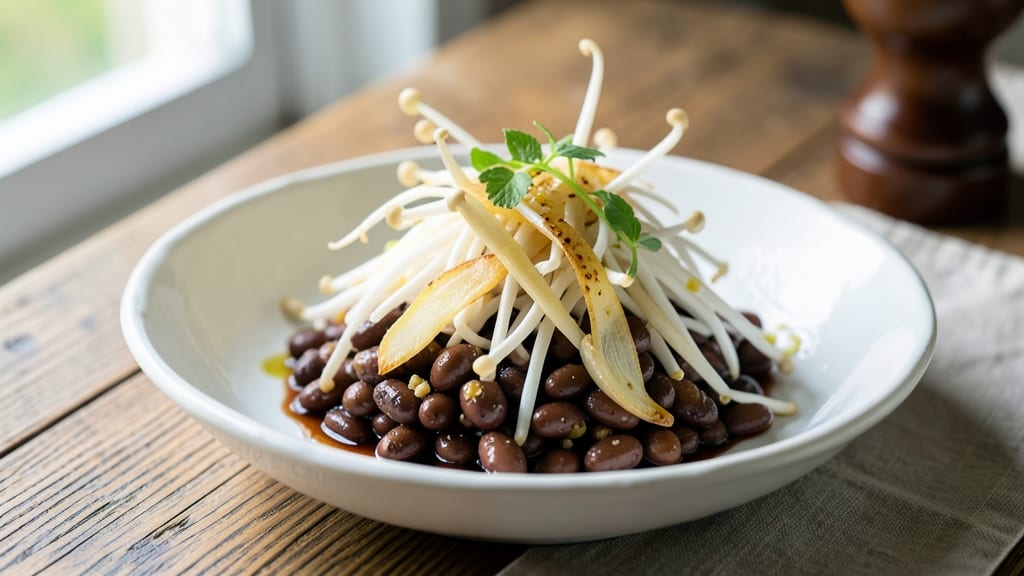
This black bean enoki mushroom recipe transforms humble ingredients into a crispy, umami-rich dish that balances earthy beans with delicate, snappy mushrooms.
The secret lies in quick-sautéing the enoki for just 2 minutes—long enough to develop their natural nutty flavor without turning them rubbery, while black beans provide hearty texture and protein.
I perfected this during a busy week when I needed a satisfying meal in under 20 minutes, and it’s become a staple for its simplicity and bold flavors.
The dish starts with a simple stir-fry of garlic and ginger, which infuses the enoki and black beans with aromatic warmth. A splash of soy sauce and a touch of sesame oil deepen the umami, while a pinch of red pepper flakes adds subtle heat.
The key is keeping the mushrooms moving in the pan—this ensures they stay crispy at the edges while remaining tender inside. Serve over steamed jasmine rice or with a side of tofu for a complete, plant-based meal.
What makes this recipe shine is the texture contrast: tender, slightly chewy mushrooms paired with creamy black beans, all coated in a glossy, savory sauce. Garnish with toasted sesame seeds and sliced green onions for brightness and crunch.
The dish is hearty enough for a main course but light enough for a quick lunch—ideal for weeknights when you crave something flavorful without fuss.
Leftovers reheat beautifully, though the mushrooms lose their crispness, so enjoy them fresh. For extra depth, stir in a spoonful of miso paste or a drizzle of chili oil before serving. This recipe proves that crispy, restaurant-quality meals can be achieved with minimal effort and pantry staples.
Ingredients for black bean enoki mushroom
Pantry staples meet fresh produce for a crispy, umami-packed vegetarian meal ready in 20 minutes.
| Ingredient | Amount | Notes |
|---|---|---|
| Enoki Mushrooms 🍄 | 12 oz | Fresh, stems trimmed to 1-inch |
| Black Beans 🌱 | 1 ½ cups | Cooked, drained, rinsed |
| Garlic Cloves 🧄 | 4 cloves | Minced, fresh preferred |
| Fresh Ginger 🌿 | 1 tbsp | Grated, finely chopped |
| Sesame Oil 🫒 | 1 tbsp | Toasted, for aroma |
| Soy Sauce 🍶 | 2 tbsp | Low-sodium preferred |
| Red Pepper Flakes 🌶️ | ½ tsp | Adjust for heat preference |
| Toasted Sesame Seeds 🌰 | 1 tbsp | For garnish |
| Green Onions 🧅 | 3 whole | Thinly sliced, white parts only |
| Vegetable Oil 🫒 | 2 tbsp | High smoke point |
| Jasmine Rice 🍚 | 1 ½ cups | Uncooked, for serving |
| Miso Paste 🍶 | 1 tbsp | White or red, optional |
| Salt 🧂 | ½ tsp | Kosher or sea salt |
| Black Pepper 🌶️ | ¼ tsp | Freshly ground |
Enoki mushrooms are the star here—look for firm, white stems with tightly packed caps. Asian grocery stores usually carry the freshest, but regular supermarkets often stock them too. Trim the stems to about 1-inch to keep them tender while cooking. Black beans should be plump and firm, not mushy—drain and rinse them well to avoid a watery stir-fry. The garlic and ginger are non-negotiable for that aromatic foundation, so grab fresh if possible. Whole Foods or Trader Joe's have great pre-minced garlic if you're short on time.
No enoki mushrooms? Shiitake mushrooms work in a pinch, but they won't be as delicate—slice them thin and cook for just 1 minute. Short on black beans? Lentils or chickpeas add similar texture and protein. The sesame oil is crucial for that nutty depth, but if you're avoiding it, a drizzle of peanut oil can mimic some of the flavor. For extra umami without miso, a splash of coconut aminos works well. The red pepper flakes can be swapped for gochugaru (Korean chili flakes) if you have them—it's got a slightly sweeter heat.
Enoki mushrooms lose their crispness fast, so cook them fresh if possible. Store any leftovers in an airtight container in the fridge for up to 3 days, but reheat gently—they don't hold up well to high heat. The jasmine rice keeps for 5 days in the fridge or 6 months frozen. For meal prep, cook the rice ahead and store separately. The sesame seeds and green onions can be prepped in advance and kept in the fridge for 3 days—just toast the seeds fresh before serving to keep them crisp.
Why You'll Love This Recipe
- No-Chop Nightmare: I swear by this recipe when I’m too tired to julienne anything. The enoki mushrooms just need a quick rinse—no slicing, no fuss—and the black beans? Straight from the can. Five minutes of prep, and you’re golden.
- Umami Bomb: That combo of garlic, ginger, and sesame oil? It’s like a flavor explosion in your mouth. The enoki mushrooms soak up the sauce while staying tender, and the black beans add this deep, earthy richness. Honestly, I’ve made it for friends who don’t even like mushrooms—they always ask for seconds.
- Leftover Hero: This dish keeps perfectly for days, which is a lifesaver when I meal prep. Reheat it in a pan with a splash of water, and it’s just as good as day one. My lunchbox gets packed with this all week—no sad, soggy leftovers here.
- Budget Flex: Black beans and enoki mushrooms are affordable, and this recipe stretches them far. I’ll be real: it’s my go-to when I’m trying to make a fancy-ish dinner without breaking the bank. Plus, the sesame oil adds depth without costing a fortune. Win-win.
Step-by-step instructions for black bean enoki mushroom stir-fry
This recipe delivers restaurant-quality texture and flavor with precise timing and technique.
Prepare the Enoki Mushrooms for Crispy Texture
Trim the stems of the 12 oz enoki mushrooms down to about 1-inch lengths. This delicate mushroom cooks quickly, so we'll work fast to maintain its signature crisp-tender texture. Separate the individual strands gently—don't tear them, as this creates the signature "hair-like" presentation that holds its shape during cooking.
Rinse the mushrooms under cold water if needed to remove any dirt, then pat them completely dry with paper towels. The drier they are, the better they'll sear. Arrange them on a wire rack set over a baking sheet for 5 minutes to ensure all moisture evaporates before cooking. This step is non-negotiable for achieving that perfect crispy exterior we're after.
Build the Flavor Base with Aromatics
Heat the 2 tablespoons vegetable oil in a large wok or skillet over medium-high heat until shimmering. Add the 4 cloves minced garlic and cook for 30 seconds until fragrant—you should smell that sweet, pungent aroma immediately. If the garlic starts to brown too quickly, reduce heat slightly to medium.
Add the 1 tablespoon finely grated fresh ginger and stir for 20 seconds until the raw ginger smell disappears. This quick cooking prevents the ginger from becoming bitter. Immediately pour in the 1 tablespoon toasted sesame oil and stir for 10 seconds—this adds depth of flavor that regular sesame oil can't match. The pan should be hot but not smoking.
Cook the Enoki Mushrooms to Crispy Perfection
Working in batches if needed, add the prepared enoki mushrooms to the hot pan in a single layer. Cook undisturbed for 2-3 minutes until the edges turn golden brown and they develop a slight crispness. This is the moment that matters: resist the urge to stir constantly—letting them cook undisturbed creates those beautiful caramelized spots.
Once the mushrooms are golden in spots, use tongs to gently toss them for 1 minute. They should be tender yet still hold their shape with crisp edges. Remove them to a plate and set aside. If your pan isn't large enough to hold all mushrooms without crowding, cook in two batches—never overcrowd or they'll steam instead of sear.
Combine Black Beans and Seasonings
In the same pan, add the 1.5 cups cooked black beans and stir to coat in the aromatic oils. Cook for 1 minute to heat through. Add the 2 tablespoons soy sauce, 0.5 teaspoon red pepper flakes, 0.5 teaspoon salt, and 0.25 teaspoon black pepper, stirring constantly for 30 seconds until everything is well combined.
Return the enoki mushrooms to the pan and toss everything together for 1 minute. The mushrooms will absorb the flavorful bean mixture while maintaining their texture. Add the 1 tablespoon miso paste and stir for another 30 seconds until fully incorporated. Taste and adjust seasoning if needed—this is where you can balance the flavors before serving.
Garnish and Serve Over Jasmine Rice
Transfer the stir-fry to serving plates and garnish immediately with the 1 tablespoon toasted sesame seeds and the 3 whole green onions, sliced thin. The sesame seeds add a nutty crunch while the green onions provide fresh contrast to the rich umami flavors.
Serve the stir-fry over the 1.5 cups cooked jasmine rice. The rice should be hot and fluffy—if it's not perfectly cooked, steam it for an additional 5 minutes covered. Each bite should deliver the perfect combination of crispy mushrooms, tender beans, and aromatic seasonings. The miso paste adds that signature umami depth that makes this dish truly special.
Pro Tips For Making Black Bean Enoki Mushroom
- STRIP ENOKI STEMS: Those tiny stems are tough as nails and won’t soften—snip them off right where the cap starts. Toss them in the trash, not the pot, or you’ll be chewing mystery fibers. (Yes, I’ve done it.)
- SWEAT GARLIC LOW: After mincing, cook garlic in sesame oil on medium-low until it’s just golden—not brown, not burnt. I learned this the hard way when my black beans turned bitter from overcooked garlic. (Your nose will thank you.)
- SOAK BEANS 30 MINUTES: Drain canned black beans and rinse them, then let them sit in fresh water for 30 minutes before cooking. This cuts the gummy texture that makes the dish feel heavy. (I skip this and regret it every time.)
- FINISH WITH SESAME OIL: Stir in sesame oil off the heat at the very end—just a teaspoon, swirled in. Adding it earlier burns the flavor, and you’ll end up with a dish that tastes like nothing. (Sounds weird, but it works.)
Storing and reheating your black bean enoki mushroom
Enoki Mushroom Storage
Fresh enoki mushrooms last only 3-4 days in the fridge when stored properly. Place them in a paper bag (not plastic) with a damp paper towel to maintain humidity. The stems should remain crisp, and the caps should stay tightly packed.
If you won’t use them within 3 days, consider freezing—blanch the mushrooms in boiling water for 30 seconds, then shock in ice water before freezing in an airtight container for up to 2 months. 🌱
Black Bean Prep Ahead
Cooked black beans keep well in the fridge for 5 days when stored in an airtight container. For meal prep, rinse them thoroughly after cooking to remove excess starch, which prevents them from becoming mushy.
I like to portion them into 1-cup servings in small containers—this makes reheating and using them in stir-fries like this one much easier. Freeze cooked beans for up to 3 months by spreading them on a tray to freeze solid first, then transferring to a bag.
Reheating for Crispy Mushrooms
Enoki mushrooms lose their crispness when reheated, so I recommend cooking them fresh whenever possible. If you must reheat the stir-fry, use the stovetop method: heat 1 tablespoon vegetable oil in a pan over medium heat, add the stir-fry, and cook for 2-3 minutes just until warmed through.
Add a splash of water or broth to keep the beans moist. Microwave reheating works too, but the mushrooms will turn soggy—cover with a damp paper towel and heat for 1-2 minutes on 50% power.
Rice Storage Tips
Cooked jasmine rice lasts 5 days in the fridge or 6 months in the freezer. To reheat, spread the rice on a baking sheet and toast in the oven at 350°F for 5 minutes to revive its texture, then warm in a pan with a splash of water.
For quick reheating, use the microwave with a damp paper towel covering the bowl for 1-2 minutes on high. Never reheat rice more than once, as this increases the risk of bacterial growth. ✨
Garnish Freshness
Toasted sesame seeds lose their crunch after 2 days in the fridge, so store them in an airtight container and toast fresh before serving. Green onions keep for 1 week in the fridge, but their flavor fades quickly—slice them just before serving for the brightest taste.
I like to prep these garnishes separately and store them in small containers so they’re ready to add at the last minute. A drizzle of chili oil or a sprinkle of furikake can revive reheated dishes if you’re short on fresh garnishes.
Freezing the Full Dish
If you must freeze the entire stir-fry, do so within 2 days of cooking to preserve texture. Spread the dish in a single layer on a tray, freeze solid, then transfer to an airtight container. Thaw overnight in the fridge before reheating—never microwave from frozen.
The mushrooms will be softer after freezing, but the beans and rice will retain their texture. For best results, cook fresh and enjoy within 3 days of making it. 💫
Nutrition facts
Frequently asked questions
Why do enoki mushrooms need to be cooked for only 2-3 minutes?
Enoki mushrooms have a delicate texture that turns rubbery if overcooked. The 2-3 minute window creates crisp edges while keeping the centers tender. Their natural umami flavor peaks at this stage—any longer and they lose both texture and flavor. The key is high heat and constant movement in the final 1 minute of cooking.
Can I substitute enoki mushrooms with another type?
Yes, but texture will differ. Shiitake mushrooms work best—slice them thin and cook for just 1 minute to avoid toughness. For a similar delicate texture, try oyster mushrooms or even baby bella, but they won't be as crisp. Avoid cremini or portobello—they're too dense for this quick stir-fry method. The flavor will be deeper but less refined.
How do I prevent the black beans from getting mushy?
Always use freshly cooked beans that are well-drained and rinsed. The excess starch causes mushiness when reheated. For meal prep, portion beans in small containers and store them submerged in water in the fridge. When using, drain thoroughly and pat dry before cooking. Never skip the 1-minute heating step in the stir-fry—this helps maintain their shape.
Is this recipe spicy? Can I adjust the heat?
The 0.5 teaspoon of red pepper flakes provides mild heat, but it's easily adjustable. For no heat, omit them completely. For more spice, add 1 teaspoon or swap for 1 tablespoon of chili crisp or gochujang. The miso paste already adds subtle depth, so the heat is completely optional and customizable to your preference.
What's the best way to make this dish gluten-free?
Use tamari or gluten-free soy sauce instead of regular soy sauce. Also check your miso paste—some contain wheat. For extra umami without gluten, add 1 tablespoon of coconut aminos or a splash of gluten-free fish sauce. The recipe's core technique remains the same, just swap these specific ingredients. The texture and flavor will be identical.