
Main Courses
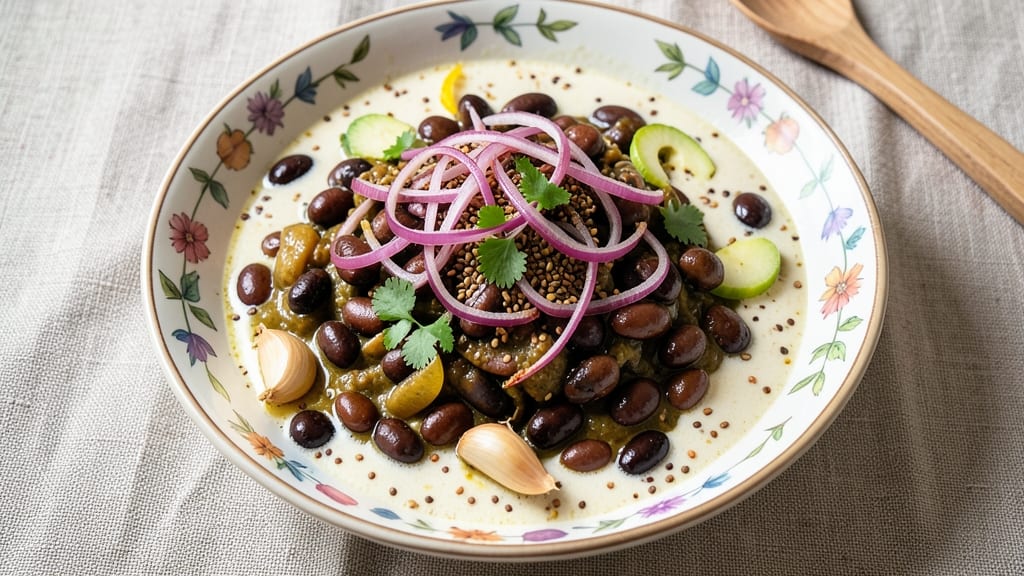
This Indian black bean curry recipe transforms humble ingredients into a fragrant, spiced masterpiece with just one pot. 🌟 The secret lies in slow-simmered tomatoes, toasted whole spices, and coconut milk that deepens into velvety richness—perfect for a vegan-friendly weeknight dinner that feels like a restaurant dish.
What makes this curry special is the balance of flavors: warm cumin and coriander ground into the beans, bright lemon juice to cut through the richness, and just enough chili for subtle heat.
The beans soften into tender, flavorful bites while absorbing all the aromatic spices, creating a dish that's both comforting and exciting.
By the time you're done, you'll have a curry so deeply spiced and creamy it practically serves itself over steamed rice or warm naan. The aroma alone will have everyone gathering at the table—this is the kind of meal that turns simple ingredients into something extraordinary without requiring advanced techniques.
Serve with crusty bread, basmati rice, or even over roasted sweet potatoes to round out the meal. Here's how to make it—simple steps, big flavor, and zero fuss.
Ingredients for black bean curry recipe indian
Fifteen ingredients crafting restaurant-worthy Indian black bean curry in one pot.
| Ingredient | Amount | Notes |
|---|---|---|
| Black Beans 🫘 | 1 ½ cups | Drained and rinsed, cooked or canned |
| Canned Crushed Tomatoes 🍅 | 14 ½ oz | San Marzano preferred for sweetness |
| Coconut Milk 🥥 | 13 ½ oz | Full-fat for creaminess |
| Yellow Onion 🧅 | 1 whole | Medium size, finely diced |
| Garlic Cloves 🧄 | 4 cloves | Fresh, minced for depth |
| Ginger Root 🌿 | 1 ½ tbsp | Fresh, grated for zing |
| Ground Cumin 🌶️ | 1 ½ tsp | Toasted for aromatic warmth |
| Ground Coriander 🌿 | 1 tsp | Freshly ground preferred |
| Turmeric Powder 🧡 | ½ tsp | Bright yellow for color |
| Garam Masala 🌶️ | 1 tsp | Store-bought blend works |
| Red Chili Powder 🔥 | ½ tsp | Adjust for heat preference |
| Lemon Juice 🍋 | 2 tbsp | Freshly squeezed for brightness |
| Fresh Cilantro 🌿 | ¼ cup | Chopped, for garnish |
| Vegetable Oil 🫒 | 2 tbsp | For sautéing spices |
| Sea Salt 🧂 | 1 tsp | Diamond Crystal preferred |
The foundation starts with San Marzano crushed tomatoes—their natural sweetness balances the spices beautifully. For the coconut milk, full-fat is non-negotiable—it creates that velvety texture that defines authentic curries. I always grab Whole Foods or Trader Joe's brands for both, as they consistently deliver quality. The black beans should be plump and firm, not mushy—no-salt-added canned beans work perfectly if you're in a hurry, but soaked overnight dried beans add depth. Toast your whole spices (cumin, coriander) in the oil first—this releases their essential oils and transforms the flavor profile.
No garam masala? Mix 0.5 tsp each of cinnamon, cardamom, cloves, and black pepper for a DIY version. Running low on fresh ginger? Powdered works at half the amount, though it lacks the same zesty punch. The lemon juice is crucial for brightness—bottled is fine in a pinch, but fresh is always better. For heat control, reduce the chili powder to 0.25 tsp if you're sensitive to spice. The cilantro should be fresh—dried won't cut it—and the vegetable oil can be swapped for coconut oil if you prefer a more neutral flavor.
This curry improves with time—reheat gently on the stove with a splash of water to restore creaminess. Stores beautifully for 5 days in the fridge or 3 months frozen. I double the batch and freeze half immediately—perfect for lazy weeknights. For serving, pair with jasmine rice or warm naan. The flavors meld even better overnight, so make it ahead if possible—trust me on this
Why You'll Love This Recipe
- Pantry Magic: I swear by this curry—no fresh herbs needed. The canned tomatoes and coconut milk give it that rich, velvety base, while the black beans soak it all up like a sponge. Honestly, I’ve made it twice with just what I had in my cupboard.
- Leftover Legend: This curry tastes better the next day, no joke. I make a big batch on Sundays, and by Wednesday, it’s still the star of my lunch. The flavors meld, the beans get even softer, and it’s perfect cold or reheated with rice.
- Budget Win: Black beans, tomatoes, coconut milk—this recipe costs me about $5 for four servings. Between us, it’s one of my go-to meals when I’m stretching groceries but still want something that feels special. (Yes, even on a Tuesday night.)
Step-by-step instructions for black bean curry with Indian spices
Transform simple ingredients into a rich, aromatic curry using this precise technique.
🍳 Step 1: Sauté Aromatics Until Fragrant
Heat the 2 tablespoons vegetable oil in a heavy-bottomed pot over medium heat. Add the 1 whole yellow onion, diced into small, even pieces. Cook for 5-6 minutes until the onions soften and turn translucent, stirring occasionally to prevent browning.
Add the 4 cloves garlic cloves, minced, and the 1.5 tablespoons ginger root, freshly grated. Cook for another 2-3 minutes until the raw garlic scent disappears and you can smell their warm, earthy aroma. This step builds the flavor foundation—don't rush it, or you'll miss the depth of flavor these aromatics bring.
🍳 Step 2: Toast Spices for Maximum Flavor
Reduce heat to medium-low and add the 1.5 teaspoons ground cumin, 1 teaspoon ground coriander, 0.5 teaspoon turmeric powder, and 0.5 teaspoon red chili powder. Stir constantly for 1 minute until the spices release their essential oils and fill your kitchen with their aromatic warmth.
Watch the spices closely—they'll darken slightly as they toast. This process is crucial for developing the complex, layered flavors that define Indian curries. If the spices start to smoke, immediately reduce heat to low to prevent bitterness.
🍳 Step 3: Build the Curry Base
Increase heat to medium-high and pour in the 14.5 ounces canned crushed tomatoes. Stir well to combine with the spice mixture. Let the tomatoes simmer for 5-7 minutes until they thicken slightly and the oil begins to separate on the surface, indicating the acidity has cooked off.
Add the 1.5 cups black beans (drained and rinsed) and 13.5 ounces coconut milk. Stir gently to incorporate, then add 1 teaspoon garam masala and 1 teaspoon sea salt. The curry should bubble gently—this is when the flavors start to meld together beautifully.
⏰ Step 4: Simmer Until Thick and Flavorful
Reduce heat to low and let the curry simmer uncovered for 20-25 minutes, stirring occasionally. You're looking for the sauce to thicken noticeably and the beans to become tender. The coconut milk will create a velvety texture, while the tomatoes deepen in flavor.
Here's where patience pays off: the longer it simmers, the more the spices infuse and the flavors develop. Taste after 20 minutes—if you need more brightness, add the 2 tablespoons lemon juice. The curry should be rich but balanced, with a subtle tang from the lemon cutting through the creaminess.
🥘 Step 5: Finish and Garnish
Remove the pot from heat and let the curry rest for 5 minutes. This allows the flavors to settle and the sauce to thicken slightly. Stir in the 0.25 cup fresh cilantro, chopped, just before serving—this adds a bright, fresh contrast to the rich, spiced beans.
Serve immediately with steamed basmati rice or warm naan bread. The curry should be thick enough to coat the back of a spoon but still have a silky texture. Each bite should deliver a perfect balance of smoky spices, creamy coconut, and tender beans with a hint of lemon brightness.
Pro Tips For Making Black Bean Curry Recipe Indian
- SOAK THE BEANS FIRST: Even canned black beans have better texture if you rinse them well and simmer for 10 minutes in the pot before adding other ingredients. Skipping this step leaves them mushy—like overcooked lentils, but worse. (Yes, even if you're using the quick-soak method, a quick rinse and simmer makes a difference.)
- SAUTÉ ONIONS UNTIL GOLDEN: Don’t rush the onions—cook them on medium-low heat for 12-15 minutes until they’re deep golden, not just soft. I learned this the hard way: burnt onions make the whole curry taste bitter, and no amount of coconut milk can fix it. (Your patience here pays off.)
- ADD COCONUT MILK LAST: Stir in the coconut milk only after the tomatoes and spices have simmered for 10 minutes. Adding it too early turns the curry into a thin, watery soup—like a sad, creamy disappointment. The residual starch in the tomatoes thickens first, so wait.
- SALT THE BEANS BEFORE SIMMERING: Add ½ teaspoon of salt to the beans while they simmer (even if using canned beans). This prevents them from absorbing too much liquid later, keeping the curry’s texture rich and velvety. (I used to skip this, and the final dish always tasted diluted—now I never do.)
Storing and reheating your leftovers
Fridge Storage Tips
Let your curry cool completely before transferring to an airtight container—I use glass jars with snap-on lids for best results. Store in the fridge for up to 5 days, though the flavors actually deepen over time.
The coconut milk may separate slightly, but just stir vigorously before reheating. 🌿
Freezer Prep
For long-term storage, portion the curry into quart-sized freezer bags or airtight containers, leaving 1-inch headspace for expansion. Label with the date and freeze for up to 3 months. Thaw overnight in the fridge before reheating—never microwave directly from frozen, or the texture will suffer.
Stovetop Reheating
My preferred method is gentle stovetop reheating. Transfer curry to a pot over low heat and add 2-3 tablespoons water or coconut milk to restore creaminess. Simmer uncovered for 10-15 minutes, stirring occasionally, until heated through.
Taste and adjust seasoning—you might need a pinch more salt or a splash of lemon juice to brighten flavors.
Microwave Shortcut
For quick meals, microwave individual portions in a microwave-safe bowl on 50% power for 2-3 minutes, stirring halfway. Add 1 tablespoon water or coconut milk if the curry looks dry.
Cover loosely with a damp paper towel to prevent drying out. This method works best for single servings and takes just 3-4 minutes total.
Texture Recovery
If your reheated curry seems too thick, stir in 1-2 tablespoons coconut milk or water until you reach your preferred consistency. For extra richness, top with a dollop of Greek yogurt or coconut yogurt before serving.
The key is patience—never rush reheating, or the beans will turn mushy and the sauce will separate.
Make-Ahead Magic
This curry tastes even better the next day! I often make a double batch on Sundays and store half for the week. The spices meld more completely, and the flavors become even more complex.
Just reheat gently and enjoy the restaurant-quality results with minimal effort. Trust me, your future self will thank you! ✨
Nutrition facts
Frequently asked questions
Can I substitute black beans with another type of bean?
Yes! You can use kidney beans, chickpeas, or even lentils for a different texture. Kidney beans work best as they hold their shape well, while chickpeas add a creamier texture. For lentils, use 1 cup dry red lentils (cooked) instead of beans—they'll break down into a thicker sauce.
How do I adjust the spice level?
For milder heat, reduce the red chili powder to 0.25 tsp or omit it entirely. For extra kick, add 0.25 tsp cayenne pepper or a pinch of fresh chili flakes at the end. Always taste as you go—Indian curries are all about balance!
What's the best way to thicken this curry?
Simmer uncovered for 5-10 extra minutes to reduce the sauce naturally. If it's still too thin, stir in 1 tbsp cornstarch mixed with 2 tbsp water and cook for 2 minutes until thickened. Avoid adding too much coconut milk—it can make the curry watery.
Can I make this curry in an Instant Pot?
Sauté onions, garlic, and spices as directed, then add all remaining ingredients. Seal the lid and cook on High Pressure for 8 minutes, followed by a 10-minute natural release. Finish with lemon juice and cilantro. The pressure cooker cuts prep time to just 25 minutes!
What are the best sides for this curry?
Warm jasmine rice or basmati rice is classic, but you could also serve with garlic naan, roasted sweet potatoes, or a simple cucumber raita for freshness. For extra heartiness, add a side of steamed spinach or crispy papadums.