
Soups & Stews
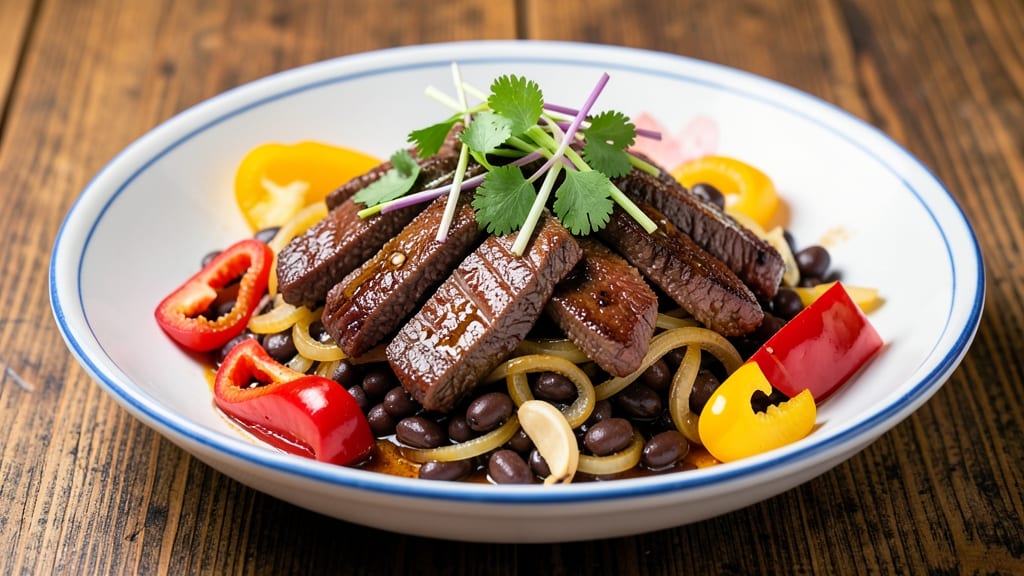
This beef and bean stir fry delivers restaurant-quality wok sear and hearty pantry fusion in under 30 minutes. The secret lies in high-heat searing of thinly sliced beef followed by quick stir-frying with tender beans and aromatic vegetables.
I developed this recipe after realizing how often simple pantry staples could create restaurant-worthy meals with minimal effort.
The magic happens through proper technique: first searing the beef until deeply caramelized, then tossing everything together in the same wok. This creates a perfect balance of textures—crispy beef edges, tender beans, and crisp vegetables—all coated in a savory sauce.
The dish maintains authentic stir-fry flavor while using accessible ingredients most home cooks already have on hand.
What you'll end up with is a vibrant, protein-packed meal that's equally satisfying as a weeknight dinner or meal prep solution. The beef remains tender yet develops a satisfying crust from the high-heat sear, while the beans absorb the flavorful sauce beautifully.
This recipe proves you don't need fancy ingredients to create impressive results.
Serve it over steamed rice for the full experience, or enjoy as-is for a complete meal. The flavors develop as it sits, making it even better the next day for leftovers. Let's get cooking with this wok-seared masterpiece that brings restaurant quality to your home kitchen.
Ingredients for beef and bean stir fry
Pantry staples and a few fresh ingredients transform into restaurant-quality stir fry magic.
| Ingredient | Amount | Notes |
|---|---|---|
| Flank Steak 🥩 | 1 lb | Thinly sliced against grain |
| Dried Black Beans 🌱 | 1 ½ cups | Soaked overnight or quick-soaked |
| Bell Peppers 🧅 | 2 whole | Assorted colors, sliced into strips |
| Yellow Onion 🧅 | 1 whole | Thinly sliced, white or yellow |
| Garlic Cloves 🧄 | 6 cloves | Minced for aromatic base |
| Fresh Ginger 🌿 | 1 ½ tbsp | Finely grated, peeled |
| Low-Sodium Soy Sauce 🍶 | ½ cup | For umami depth |
| Sesame Oil 🫒 | 1 tbsp | Toasted sesame flavor |
| Rice Vinegar 🍶 | 2 tbsp | For brightness |
| Honey 🍯 | 1 tbsp | Balances flavors |
| Vegetable Oil 🫒 | 2 tbsp | High smoke point |
| Diamond Crystal Kosher Salt 🧂 | 1 tsp | For seasoning |
| Ground Black Pepper 🌶️ | ½ tsp | Freshly cracked |
| Steamed Jasmine Rice 🍚 | 2 cups | For serving |
The flank steak is non-negotiable for this dish—its lean cut sears beautifully without becoming tough. Ask your butcher to slice it thinly against the grain for maximum tenderness, or use a sharp knife and freeze it for 30 minutes before slicing. For the beans, dried black beans develop the best texture, but canned beans in a pinch (drained and rinsed) work if you're short on time. The bell peppers should be firm with vibrant color—Trader Joe's or local farmers markets often have the freshest selection. Ginger loses potency quickly, so buy it fresh and use it within a week—the aromatic oils are what make this dish sing.
No soy sauce? Coconut aminos or tamari work perfectly as substitutes. Short on sesame oil? Toasted sesame seeds at half the amount add a similar nutty depth. The honey can be swapped for maple syrup if you prefer, though it will alter the flavor profile slightly. For the vegetables, frozen stir-fry mix is a time-saver—just thaw and drain before cooking. If you're using pre-sliced onions, pat them dry thoroughly to prevent excess moisture in your stir fry. The key to this dish is balancing the sauce—start with the measurements listed, then adjust to taste after cooking.
Prep ahead by soaking the beans overnight—this dramatically improves texture. Store the cooked stir fry in an airtight container with a thin layer of oil on top to preserve freshness. It keeps well in the fridge for 4-5 days or can be frozen for up to 3 months. For reheating, use low heat and add a splash of water or soy sauce to restore moisture. The flavors actually deepen overnight, making it perfect for meal prep. Serve over steamed jasmine rice for the full experience—each grain should be distinct and fluffy.
Why You'll Love This Recipe
- Fewer Ingredients, Bigger Payoff: I swear by this recipe because it actually uses every ingredient—no sad, leftover onion at the bottom of the fridge. The black beans soak overnight (easy!) and the peppers add that sweet, crunchy contrast without needing a dozen spices.
- Garlic Beef Magic: That first sear on the flank steak? Chef’s kiss. The garlic cloves toast until fragrant, then the soy and vinegar cut through the richness—like a bold, savory hug in a bowl. Honestly, my picky husband stops mid-sentence when this hits the table.
- Weeknight or Potluck: Between us, this is my go-to for both lazy Tuesdays and bringing to my friend’s game day. Double the batch, pack it in containers, and boom—you’ve got dinner covered. (Yes, even on a Tuesday night.)
- Budget Meal That Feeds: Flank steak stretches across two meals, the beans bulk it up, and the peppers add color without costing a fortune. I’ll be real: my grocery bill drops when this becomes a staple, and the leftovers? Just as good reheated.
Step-by-step instructions for beef and bean stir fry
Master this wok technique for perfectly seared beef and tender beans with vibrant vegetables.
Prepare the Flank Steak and Black Beans
Begin by slicing the 1 lb flank steak thinly against the grain into ¼-inch strips. This ensures tender bites that cook quickly in the wok. Pat the strips dry with paper towels—moisture prevents proper searing.
For the 1.5 cups dried black beans, rinse them thoroughly to remove debris. If not pre-soaked, quick-soak by covering with water and bringing to a boil for 2 minutes, then letting them sit off heat for 1 hour. Drain well before using; they should be tender but still hold their shape.
Sear the Beef and Set Aside
Heat a wok or large skillet over high heat until smoking, then add 2 tablespoons vegetable oil. Swirl to coat the surface evenly. Working in batches to avoid crowding, add the steak strips and sear undisturbed for 1-2 minutes until deeply browned on one side. Flip and repeat, then remove to a plate.
Resist the urge to move the beef around—this creates that signature wok-seared crust. If the oil smokes excessively, reduce heat slightly but maintain high heat for proper searing. The beef should be cooked to medium-rare (145°F internal temp) and removed immediately to retain juices.
Stir-Fry Vegetables and Aromatics
In the same wok, add 2 tablespoons vegetable oil and swirl to coat. Add the 1 whole yellow onion (sliced) and 2 whole bell peppers (stripped) along with 6 minced garlic cloves and 1.5 tbsp finely grated ginger. Stir-fry for 3-4 minutes until the onions soften and the peppers begin to blister.
Add the drained black beans and toss for 2 minutes to heat through. The vegetables should be tender-crisp, retaining their color and texture. If the wok dries out, add 1 tablespoon water to prevent burning, but avoid overcrowding the pan.
Combine and Finish with Sauce
Return the seared beef to the wok and pour in 0.5 cup low-sodium soy sauce, 2 tbsp rice vinegar, 1 tbsp honey, and 1 tbsp sesame oil. Toss everything vigorously for 2-3 minutes until the sauce coats the ingredients evenly. The mixture should sizzle and steam—this ensures the flavors meld.
Season with 1 tsp kosher salt and 0.5 tsp black pepper, then taste for balance. The dish should be savory, slightly sweet, and tangy. If the sauce is too thick, add 1-2 tablespoons water to loosen it. Remove from heat immediately to preserve the vibrant colors.
Serve Over Steamed Jasmine Rice
Divide the 2 cups steamed jasmine rice among plates and top generously with the beef and bean stir-fry. Garnish with an extra drizzle of sesame oil and a sprinkle of black pepper for visual appeal and added depth of flavor.
The rice acts as a neutral base, allowing the bold flavors of the stir-fry to shine. Serve immediately while the beef is still warm and the vegetables retain their crisp-tender texture. The dish should be hearty yet balanced, with each bite delivering tender beef, creamy beans, and vibrant vegetables.
Pro Tips For Making Beef And Bean Stir Fry
- Slice Steak Against the Grain: I learned this the hard way—cutting flank steak thinly with the grain turns it chewy, no matter how fast you cook it. Slice against the grain at a 45-degree angle for fork-tender bites that actually hold up in the stir-fry. (Yes, even if it looks messy—it’s worth it.)
- Soak Beans Overnight, Then Par-Cook: Dried black beans are a time bomb if you don’t prep them right. Soak them overnight, then drain and simmer for 15 minutes in the same water you’d use for the stir-fry. This keeps them from turning mushy later—just drain well before adding to the pan. (Your future self will curse you if you skip this.)
- Start with a Smoking-Hot Pan: I used to warm my wok or skillet to medium-high, and the beef always came out gray and dry. Now I crank it to the highest heat, add oil, and wait until it shimmers like a mirage. Cook the beef in one batch—don’t overcrowd—and it’ll sear fast with a crust that locks in flavor. (Your nose will know when it’s ready.)
- Toss Peppers in Ice Water: Bell peppers straight from the store are tough as boots. After dicing, plunge them in ice water for 10 minutes to soften. Drain and pat dry before stir-frying—they’ll cook faster and stay crisp. (This isn’t cheating; it’s physics. Trust me.)
Troubleshooting great beef and bean stir fry
Overcrowded Wok
If your stir fry looks like a sad, crowded mess instead of a vibrant wok dance, you've overcrowded the pan. This happens when too many ingredients compete for heat, leading to steamed instead of seared results. My rule: never exceed ⅓ of the wok's capacity when stir-frying.
For a 14-inch wok, that means 2 cups of ingredients max at any time. Work in batches—sear the beef first, then set it aside while you stir-fry the vegetables. 🔥
Mushy Vegetables
Tender but not crisp? You likely cooked the vegetables too long. The key is high heat and quick cooking—vegetables should hit the wok at high heat and cook for no more than 3-4 minutes.
If using frozen veggies, thaw and drain them first, then pat dry with a paper towel. For extra crunch, add bell peppers and onions last, just 1 minute before finishing with the sauce. 🥗
Dry Beef
Chewy, dry beef strips mean you overcooked them or didn't sear properly. First, slice against the grain—this is non-negotiable for tenderness. Second, sear at high heat for only 1-2 minutes per side, then remove immediately.
Use a meat thermometer to confirm 145°F internal temp. If your beef turns out dry, try marinating it for 30 minutes in 1 tbsp soy sauce + 1 tbsp honey before cooking. 🥩
Sauce Too Thin
A watery sauce usually means you added too much liquid or didn't cook the sauce long enough to reduce. Start with the 0.5 cup soy sauce and 2 tbsp rice vinegar as written, then let the mixture simmer for 1-2 minutes after combining all ingredients.
If it's still too thin, stir in 1 tsp cornstarch mixed with 1 tbsp water and cook for 30 seconds to thicken. 💡
Underseasoned Dish
If your stir fry tastes bland, it's likely because the flavors didn't meld properly. Taste as you go—after adding the sauce, let it cook for 2-3 minutes before seasoning with salt and pepper.
For extra depth, add ½ tsp red pepper flakes or a splash of fish sauce (just ½ tsp) for umami. If using canned beans, rinse them well to remove excess sodium, which can mask flavors. 🌶️
Beans Too Hard
Rock-hard beans mean they weren't cooked long enough. Dried black beans need at least 45 minutes of simmering (or overnight soaking) to soften properly. If using canned beans, drain and rinse them, then heat through in the wok for 2 minutes with a splash of water.
For extra tenderness, add ½ tsp baking soda to the soaking water (rinse well afterward). 🌱
Nutrition facts
Frequently asked questions
Can I use ground beef instead of flank steak?
Ground beef works but won't give you the same wok-seared texture. If you must substitute, use 80/20 lean-to-fat ratio and form into small patties to mimic strips. Cook them until browned and slightly crispy on the outside. For best results, try thinly sliced sirloin instead—it's more tender and cooks faster than ground beef.
How do I make this recipe with canned beans?
Use 2 (15 oz) cans black beans, drained and rinsed thoroughly. For extra flavor, heat them in the wok for 2 minutes with a splash of water before adding other ingredients. Dried beans develop better texture, but canned beans save 10+ minutes of prep time. Just be sure to rinse well to remove excess sodium.
What's the best way to reheat leftovers?
Reheat in a skillet over medium-low heat with 1 tablespoon water or soy sauce to restore moisture. Stir frequently for 3-4 minutes until warmed through. Microwaving works too—cover with a damp paper towel and heat for 1-2 minutes. The dish actually tastes better the next day as flavors meld!
Can I make this gluten-free?
Yes! Replace the soy sauce with coconut aminos or tamari (gluten-free soy sauce). Check other ingredients too—some sesame oils contain wheat. For extra umami, add 1 tsp fish sauce or ½ tsp gluten-free Worcestershire sauce. The dish will still be packed with flavor without any gluten.
Why does my stir fry taste too salty?
Excess salt usually comes from canned beans or soy sauce. Use low-sodium soy sauce and rinse canned beans well. If it's still too salty, balance with 1 tbsp honey or rice vinegar to cut the saltiness. For extra depth without salt, add 1 tsp miso paste or ½ tsp smoked paprika to enhance other flavors.