
Beverages
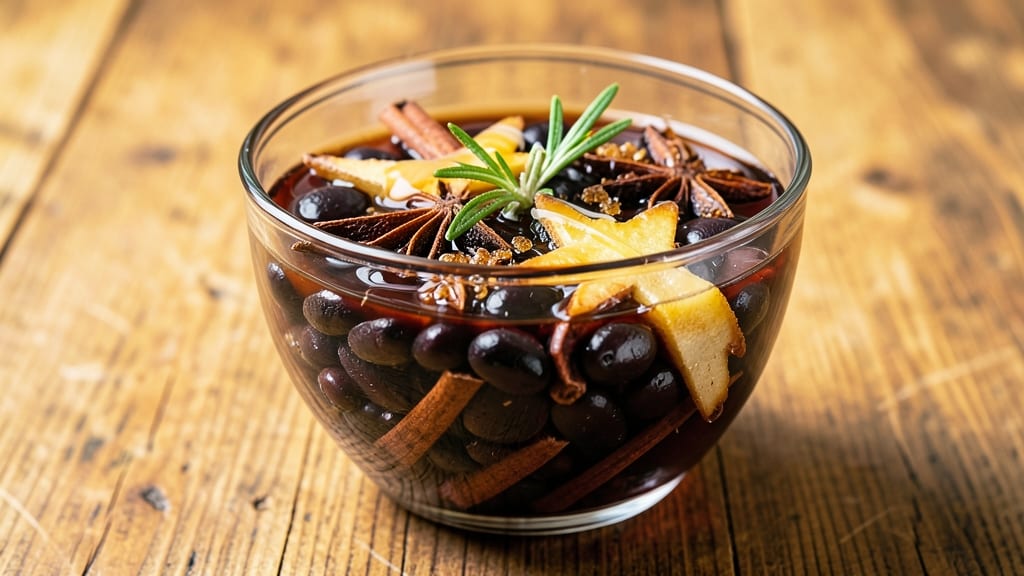
Fermenting bean wine unlocks a bold, earthy beverage with deep cultural roots and surprising versatility. ✨ This vegan recipe transforms simple ingredients into a complex, probiotic-rich drink that improves with age—perfect for sipping or pairing with spicy dishes.
The 7-day fermentation process builds layers of umami and subtle sweetness, while optional spices or herbs let you customize the flavor profile to match your taste.
What sets this bean wine apart is its accessibility—no specialized equipment needed beyond clean glass jars and basic pantry staples. The process mirrors traditional methods from East Asian cuisine, where fermented bean pastes and wines have been used for centuries to preserve flavor and enhance digestion.
Unlike commercial versions, this recipe lets you control the alcohol content (typically 3-5%) and adjust sweetness or acidity to your preference.
By day 7, you’ll have a rich, amber-hued liquid with a smooth, slightly effervescent texture and a flavor profile that bridges the gap between wine and fermented tea.
The aroma alone—earthy with hints of caramel and spice—makes it a conversation starter, while its probiotic benefits add a functional twist to your beverage repertoire. Whether served chilled as an aperitif or warmed with a slice of citrus, it’s a drink that delivers both tradition and innovation.
This method also opens doors to experimentation: swap black beans for adzuki or mung beans, infuse with star anise or cinnamon, or add a splash of fruit juice for brightness.
The key to success lies in patience and precision—sterilization, proper fermentation, and careful aging ensure a safe, flavorful result every time. Let’s get started on crafting your own batch.
Ingredients for bean wine
Seven days to transform simple pantry staples into a complex, probiotic-rich bean wine.
| Ingredient | Amount | Notes |
|---|---|---|
| Black Beans 🌱 | 1 ½ cups | Dried, organic preferred |
| Brown Sugar 🍯 | 1 cup | Light or dark variety |
| Rice Wine Vinegar 🍶 | ½ cup | Unseasoned, 5% acidity |
| Fresh Ginger Root 🧄 | ½ cup | Grated, organic preferred |
| Star Anise Pods 🌟 | 2 whole | Whole, for infusion |
| Cinnamon Sticks 🌿 | 2 whole | Ceylon preferred |
| Rock Sugar 🍬 | ½ cup | Or coarse granulated |
| Distilled Water 💧 | 2 cups | Filtered or boiled |
| Active Dry Yeast 🍺 | ¼ tsp | Or champagne yeast |
| Dried Red Date 🍇 | 4 whole | Pitted, for sweetness |
| Sea Salt 🧂 | ½ tsp | Fine grain preferred |
| Lemon Peel 🍋 | 1 tbsp | Organic, no pith |
The beans are the foundation—organic black beans yield the deepest flavor, but any dried bean works in a pinch. Trader Joe's and bulk bins often have the best quality at reasonable prices. If you can't find organic, rinse thoroughly to remove debris. The ginger and star anise? Whole spices infuse better than ground—crush lightly to release oils without overpowering. For the yeast, champagne yeast creates finer bubbles, but active dry works too. The key is freshness: if your yeast smells stale, toss it.
No rock sugar? Double the brown sugar—it's less refined but still adds caramel notes. Short on star anise? Cardamom pods or cloves add warmth, though the anise's licorice kick is unique. The dates? Medjool if you can find them—they're sweeter and softer, but any dried red date works. The lemon peel should be organic to avoid wax. If you're worried about bitterness, zest only the outer layer. For a quicker version, skip the yeast and let natural fermentation take over—just monitor closely for bubbles.
Ferment in sterilized glass jars with airlocks or cheesecloth secured with rubber bands. Store in a cool, dark place (65-70°F ideal). After 7 days, strain through cheesecloth, pressing gently to extract liquid. The wine keeps 3-6 months in the fridge, developing more complexity over time. For gifting, use amber glass bottles—they protect from light. Freeze extras in ice cube trays for cocktails later.
Why You'll Love This Recipe
- Fridge-to-Table Magic: I swear, this comes together with what’s already in my pantry—no special shopping required. Toss in canned black beans, a splash of rice wine vinegar, and a knob of ginger I’ve been meaning to use, and boom—something unexpected and delicious.
- Sweet-Savory Balance: That brown sugar caramelizing with star anise? It’s like a secret hug for your taste buds. The ginger cuts through the richness, and the vinegar keeps it bright—no bitterness, just layers of flavor that stick with you.
- Potluck or Picnic: Honestly, this is my go-to for gatherings because it’s effortless to double. Serve it warm as a dip with chips or chilled in jars—guests won’t even ask what’s in it, they’ll just keep reaching for more.
- Pantry Goldmine: Between us, this recipe turns cheap staples into something special. A can of beans, a bag of sugar, and a few spices? That’s a week’s worth of meals for the price of one takeout order. Plus, it keeps for days—perfect for lazy nights or last-minute hosting.
Step-by-step instructions for fermented bean wine
Transform humble black beans into a complex, aromatic wine with this bold fermentation process.
🍳 Step 1: Prepare the Bean Base
Rinse the 1.5 cups dried black beans thoroughly under cold water to remove any debris. Place them in a large bowl and cover with 2 cups distilled water by at least 2 inches. Let them soak at room temperature for 12 hours—this ensures even hydration and prevents uneven fermentation. After soaking, drain and rinse the beans again, then transfer them to a clean, sanitized fermentation vessel.
Here's the thing—proper sanitation is critical. Use a vessel you've dedicated to fermentation (like a food-grade plastic bucket or glass jar) and sterilize it with boiling water or a vinegar solution. The beans should be completely submerged in 2 cups fresh distilled water again, leaving about 1 inch of headspace at the top. This prevents mold growth during fermentation.
🥘 Step 2: Build the Flavor Foundation
In a small saucepan, combine the 1 cup brown sugar, 0.5 cup rock sugar, 0.5 cup rice wine vinegar, 0.5 cup grated fresh ginger root, 1 tbsp lemon peel, 2 whole star anise pods, and 2 whole cinnamon sticks. Bring to a gentle simmer over medium heat and cook for 10 minutes, stirring occasionally, until the sugars dissolve completely and the mixture becomes fragrant. Remove from heat and let cool to room temperature—this prevents shocking the yeast.
While cooling, dissolve the 0.25 tsp active dry yeast in ½ cup warm distilled water (about 105°F). Once the syrup mixture reaches room temperature, pour it into the fermentation vessel with the beans. Add the yeast mixture and stir gently to combine. The beans should be fully coated in the sweet, aromatic liquid. Cover the vessel loosely with a fermentation lid or clean cloth secured with a rubber band.
⏰ Step 3: Initiate Fermentation
Transfer the vessel to a location where the temperature remains consistently between 70-75°F for the first 48 hours. This ideal range promotes healthy yeast activity without encouraging unwanted bacteria. Stir the mixture gently once daily to prevent mold formation on the surface and ensure even fermentation. You'll notice bubbles forming within 12-24 hours—this is your sign that fermentation has begun.
After 48 hours, add the 4 whole pitted dried red dates and 0.5 tsp sea salt, stirring gently to distribute. These ingredients add depth and complexity to the final product. Continue fermenting for an additional 3 days, stirring daily. The mixture will develop a rich, earthy aroma and may produce small bubbles along the sides of the vessel—this is exactly what you want to see.
🍷 Step 4: Age and Clarify
After 7 days total, carefully strain the fermented liquid through a fine-mesh sieve or cheesecloth-lined colander into a clean, sanitized glass container. Press gently on the beans to extract as much liquid as possible, but avoid squeezing—this can introduce bitterness. The strained liquid should be a deep amber color with visible sediment. Pour the liquid into sterilized glass bottles, leaving about 1 inch of headspace at the top.
Seal the bottles tightly and store them in a cool, dark place for at least 4 weeks to allow flavors to meld and mature. The wine will continue to develop complexity during this aging period. After 4 weeks, taste a small amount—if it's still too harsh or unbalanced, age it another 2-4 weeks. The final product should have a rich, slightly sweet profile with notes of ginger, cinnamon, and fermented bean depth.
Pro Tips For Making Bean Wine
- SOAK BEANS OVERNIGHT: I learned this the hard way—rushing the soak leaves beans tough and gummy. Skip the quick-soak hacks here; black beans need 8+ hours in cold water to break down properly. Drain and rinse just before cooking to keep the liquid from turning bitter.
- CRUSH STAR ANISE: Whole pods float and underinfuse. Lightly crush them with the flat side of a knife or rolling pin—just enough to crack the surface. This releases flavor without turning the liquid cloudy, and you’ll actually taste that warm, licoricey depth.
- SIMMER LOW AND LONG: High heat makes bean wine turn to glue. After the initial 10 minutes of boiling, drop to a bare simmer (tiny bubbles, occasional skims) for at least 45 minutes. Patience here keeps the texture smooth and the ginger’s heat from turning harsh.
- SWEAT GINGER FIRST: Tossing raw ginger into the pot makes the liquid smell like a spa and dulls its kick. Slice it thin, then cook in a dry pan for 2 minutes until fragrant before adding liquids. This locks in the zesty punch without bitterness creeping in later.
Best sauces and condiments for these flavors
Ginger-Lemon Brightener
The zesty contrast of fresh ginger and lemon peel transforms bean wine into a refreshing sipper. I like adding 1 extra tbsp lemon peel during fermentation for a citrusy lift, especially if using dark brown sugar which can be molasses-heavy.
For a quicker infusion, steep 2 thin lemon slices in the aged wine for 1 hour before serving. This works beautifully with spicy Asian dishes or as a palate cleanser. 🍋
Spiced Syrup Drizzle
Elevate your bean wine with a homemade spiced syrup made from ½ cup honey, 1 cinnamon stick, and 2 cloves simmered for 10 minutes. Strain and drizzle 1 tsp over ice for a sophisticated touch.
The caramel notes complement the wine's earthiness while adding subtle sweetness. I keep a small bottle in my fridge for quick cocktails or drizzling over fruit. 🍯
Chili-Lime Salt Rim
For a bold presentation, rim glasses with a mix of 1 tbsp sea salt, ½ tsp chili powder, and 1 tsp lime zest. This adds a tangy kick that pairs perfectly with the wine's fermented depth.
Serve over ice with a lime wedge for dipping—it's especially refreshing when the wine is chilled. The salt also enhances the wine's natural sweetness. 🌶️
Herbal Infusions
Experiment with fresh herbs like mint or basil for a modern twist. Add 4-5 fresh mint leaves during the final week of aging, or muddle 3 basil leaves directly into the glass before serving.
Both herbs brighten the wine's earthy profile while adding aromatic complexity. I find mint works best with chilled versions, while basil shines in room-temperature sips. 🌿
Toasted Nut Garnish
For a textural contrast, toast ¼ cup mixed nuts (almonds, cashews, or peanuts) in a dry pan until golden. Sprinkle 1 tsp over the wine just before serving.
The nutty crunch balances the wine's fermented richness, especially when paired with spicy foods. I keep a small jar of toasted nuts on hand for quick garnishes. 🌰
Fruit Purée Swirl
Add visual appeal and fruitiness by swirling in 1 tsp puréed mango or peach (strain through a fine sieve first). The vibrant color makes the drink instantly inviting, while the fruit's acidity cuts through the wine's depth.
I blend ½ cup frozen mango with 1 tsp lime juice for a quick purée. 🍈
Nutrition facts
Frequently asked questions
Can I use any type of bean for this recipe?
While black beans work perfectly, you can experiment with adzuki beans or mung beans for different flavor profiles. Adzuki beans add a sweeter, nuttier note, while mung beans create a lighter, more delicate wine. Just adjust fermentation times—smaller beans may ferment faster. Avoid kidney beans, which contain toxins that need soaking for 12+ hours to remove.
How do I know when the fermentation is complete?
Fermentation is done when you see no more bubbles for 24 hours and the mixture smells rich, slightly sweet, and tangy (like ginger beer). The beans should also float to the surface. If you detect a sharp vinegar smell or mold, fermentation went too far—discard and start fresh with proper sanitation next time.
What if my bean wine tastes too harsh after aging?
Harshness usually means fermentation wasn't balanced. Try diluting with ½ cup cold water per bottle to soften the alcohol. For extra sweetness, add 1 tsp honey per glass when serving. If it's still too strong, let it age another 2-4 weeks—flavors mellow with time. Avoid adding sugar during aging, as it can restart fermentation unpredictably.
Can I make this wine without yeast?
Yes! Wild fermentation (using natural yeasts) creates a funkier, more complex flavor. Skip the yeast and let the beans ferment at 75-80°F for 10-14 days, stirring daily. The result will be lower in alcohol (1-2%) but richer in probiotics. Monitor closely—wild fermentation can be slower and more unpredictable. For safety, always use sterilized equipment.
How should I serve bean wine with food?
Chilled, it pairs beautifully with spicy Asian dishes (like Sichuan or Thai cuisine) or charcuterie boards. Warmed slightly, it complements roasted meats or aged cheeses. For dessert, drizzle over dark chocolate or serve with fresh fruit like pomegranate. The ginger and cinnamon notes make it a versatile aperitif too.