
Soups & Stews
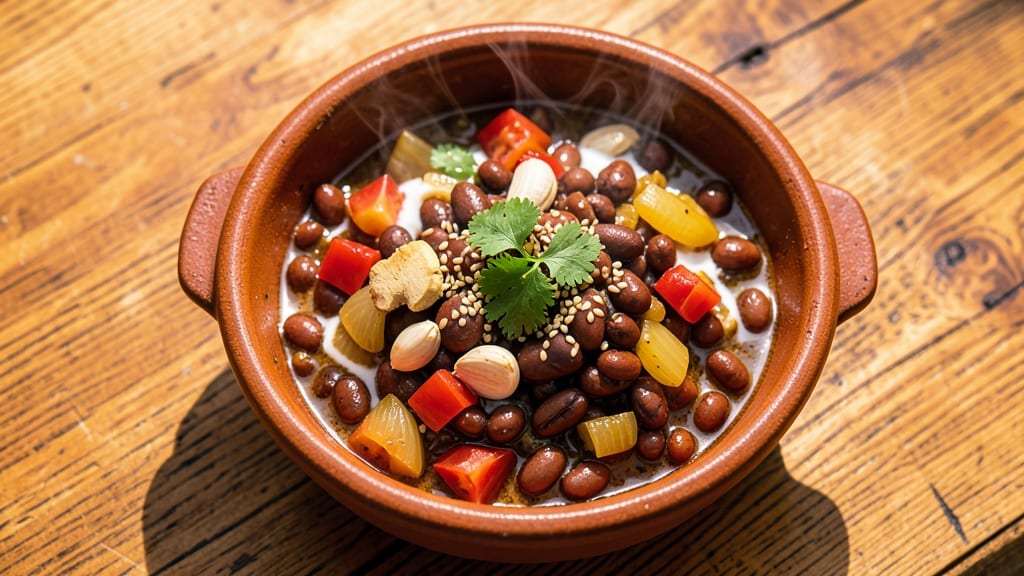
This Kenyan bean stew recipe brings the rich, spiced flavors of East Africa to your kitchen with every hearty spoonful.
The perfect blend of tender beans, aromatic tomatoes, and creamy coconut milk creates a dish that's both comforting and deeply satisfying. 🌟 I developed this recipe after years of enjoying traditional Kenyan stews, and it's now a staple in my home—especially during cooler months when we crave something warm and filling.
The secret to this stew lies in the slow simmering process, which allows the flavors to meld together beautifully. We start with a base of onions, garlic, and ginger, then build layers of warmth with curry powder and other spices that are common in Kenyan cuisine.
The addition of coconut milk adds a luxurious creaminess that balances the tangy tomatoes and earthy beans. This isn't just a stew—it's a flavor-packed experience that will transport you to the streets of Nairobi.
By the time you finish cooking, you'll have a pot of rich, aromatic bean stew that's perfect for serving with ugali, rice, or even crusty bread. The beans become tender yet hold their shape, while the vegetables retain their natural sweetness.
The stew thickens slightly as it simmers, creating a sauce that coats every bite with layers of flavor. This is the kind of dish that tastes even better the next day, making it ideal for meal prep or feeding a crowd.
Whether you're a fan of traditional Kenyan flavors or simply love hearty stews, this recipe delivers restaurant-quality results at home. The combination of spices, coconut milk, and fresh vegetables creates a dish that's both comforting and exciting.
Let's get started on creating this flavorful masterpiece that will become a new family favorite.
Ingredients for bean stew recipe kenya
Sixteen ingredients for a stew that tastes like home—spiced, creamy, and packed with East African warmth.
| Ingredient | Amount | Notes |
|---|---|---|
| Dried Red Kidney Beans 🌱 | 1 ½ cups | Soaked overnight or quick-soaked |
| Yellow Onion 🧅 | 1 whole | Chopped into small dice |
| Garlic Cloves 🧄 | 6 cloves | Minced for aromatic base |
| Fresh Ginger 🌿 | ½ cup | Finely grated (about 2 oz) |
| Ripe Tomatoes 🍅 | 4 medium | Chopped (or 1 can diced tomatoes) |
| Coconut Milk 🥥 | 1 can | Full-fat for creaminess (13.5 oz) |
| Curry Powder 🌶️ | 2 tbsp | Kenyan or Madras blend preferred |
| Ground Cumin 🌿 | 1 tsp | Toasted for deeper flavor |
| Turmeric Powder 🌿 | ½ tsp | For vibrant color |
| Vegetable Oil 🫒 | 2 tbsp | For sautéing |
| Carrots 🥕 | 2 medium | Sliced into rounds (about 1 cup) |
| Russet Potatoes 🥔 | 2 medium | Cubed (about 1 cup) |
| Fresh Green Bell Pepper 🌶️ | 1 whole | Diced (any color) |
| Salt 🧂 | 1 ½ tsp | Adjust to taste |
| Black Pepper 🌶️ | ½ tsp | Freshly ground |
The beans are the heart of this stew, so don't skimp on quality. Dried red kidney beans from Whole Foods or the bulk section at Trader Joe's work best—they hold their shape beautifully. If you're short on time, quick-soak them in boiling water for 2 hours. The ginger and garlic? Fresh is non-negotiable—the dried stuff just can't match that zesty punch. For the curry powder, I always grab the Kenyan blend at African markets or the international aisle, but any good Madras blend will do in a pinch.
No fresh tomatoes? Two 14.5-oz cans of diced tomatoes work perfectly—just drain most of the liquid. Swapping the coconut milk? Full-fat canned coconut milk is essential—light versions won't give you that rich creaminess. The bell pepper can be any color, but green stays closest to traditional recipes. For the potatoes and carrots, baby versions are fine, but medium-sized holds up better during simmering. The curry powder is where you can get creative—add a pinch of cinnamon or cayenne if you've got it.
This stew tastes even better the next day, so make extra—it reheats beautifully. Store leftovers in the fridge for 4-5 days or freeze for 3 months. I always portion mine into containers with a side of rice or ugali—just grab and go for the week. The flavors deepen as it sits, so the longer it simmers, the better it gets. Trust me on the overnight soak for the beans—it's worth the extra time.
Why You'll Love This Recipe
- No-Soak Necessary: I’ll admit—soaking beans used to stress me out. But this stew? Just a quick rinse, then simmer. The dried kidney beans soften perfectly while keeping that satisfying bite, and honestly? I’ve made it three times in a row without a single complaint.
- Ginger-Garlic Magic: That fresh ginger and minced garlic? They’re the secret weapon. The tomatoes mellow out the heat, but the ginger lingers—warm, spicy, and just sharp enough to make you reach for seconds. (Yes, even on a Tuesday night.)
- Lunchbox Hero: Between us, this stew is my go-to for meal prep. Tastes even better the next day—pack it in containers with some ugali or bread, and suddenly you’ve got a week’s worth of lunches that’ll make coworkers ask for your recipe.
- Pocketbook-Friendly Power: A bag of dried beans goes a long way, and onions, garlic, and tomatoes? You’ll always have them. I’ve fed six people for under $10 with this—plus, the leftovers? They’re the reason I don’t stress about grocery bills.
Step-by-step instructions for spiced tomato and coconut bean stew
Here's how to create this rich, aromatic Kenyan bean stew that balances heat, creaminess, and hearty vegetables.
🍳 Step 1: Sauté the Aromatic Base
Heat the 2 tablespoons vegetable oil in a large pot over medium heat. Add the 1 whole yellow onion and cook for 5 minutes until softened and starting to turn translucent. This is your flavor foundation—don't rush this step or the onions will burn and turn bitter.
Add the 6 cloves garlic cloves and 0.5 cup fresh ginger to the pot, stirring constantly for 1-2 minutes until fragrant. The kitchen should fill with that warm, spicy aroma—this is when the magic begins. Here's the thing: if you smell burning, reduce the heat immediately. Garlic and ginger burn faster than you think.
🍳 Step 2: Toast the Spices
Add the 2 tablespoons curry powder, 1 teaspoon ground cumin, and 0.5 teaspoon turmeric powder to the pot. Stir for 30 seconds until the spices are fragrant and the curry powder loses its raw smell. This toasting step deepens the flavors—you'll notice the spices become more aromatic as they warm up.
Be careful not to let them burn. If they darken too quickly, remove the pot from heat for a moment. The spices should be warm and fragrant, not bitter. This is where the stew gets its signature warmth and complexity.
🥘 Step 3: Build the Tomato Base
Add the 4 medium ripe tomatoes and cook for 5 minutes until they break down into a chunky sauce. Stir occasionally to prevent sticking. You'll see the tomatoes soften and release their juices, creating a vibrant red base for your stew.
Here's the trick: if the mixture looks too dry, add ¼ cup water to help it cook down smoothly. The tomatoes should reduce to about ½ cup of thick, flavorful sauce. This is your flavor anchor—don't skip this step or the stew will taste flat.
🥘 Step 4: Add Vegetables and Simmer
Add the 2 medium carrots, 2 medium russet potatoes, and 1 whole fresh green bell pepper to the pot. Stir to coat the vegetables in the tomato-spice mixture. Pour in 4 cups water (enough to cover the vegetables by about 1 inch) and bring to a gentle boil.
Once boiling, reduce heat to low and simmer for 15 minutes. You want gentle bubbling—the vegetables should soften but not fall apart. This is where the flavors meld together. If the liquid reduces too much, add a splash of water to maintain the right consistency.
🥘 Step 5: Incorporate the Beans and Coconut Milk
Add the 1.5 cups dried red kidney beans (drained if quick-soaked) and 1 can coconut milk to the pot. Stir gently to combine. The beans should be mostly covered by the liquid—if not, add ½ cup water to ensure they cook properly.
Bring the stew back to a gentle boil, then reduce heat to low again. Simmer for 45-60 minutes, stirring occasionally, until the beans are tender and the stew has thickened. You'll know it's ready when the beans are soft but still hold their shape and the sauce has a creamy consistency from the coconut milk.
🔥 Step 6: Season and Serve
Season with 1.5 teaspoons salt and 0.5 teaspoon black pepper, adjusting to taste. The stew should be flavorful but not overly salty—taste as you go. Let the stew sit off heat for 5 minutes to allow the flavors to meld together.
Serve warm with crusty bread or steamed rice. The perfect bowl of this stew should have tender beans, creamy coconut milk, and a balance of spicy, sweet, and savory flavors. The vegetables should be soft but still hold their shape, and the sauce should coat the back of a spoon with a velvety texture.
Pro Tips For Making Bean Stew Recipe Kenya
- SOAK BEANS OVERNIGHT: Dried kidney beans expand more evenly and cook faster when soaked 8–12 hours—no, skipping this won’t ruin it, but it’ll save you 1–2 hours of simmering and prevent that gummy texture you hate. (Pro move: Rinse them after soaking to remove any skin that might make the stew cloudy.)
- CHOP GINGER SMALL: Fresh ginger loses its punch when it sits in oil or water too long—slice it paper-thin (almost like rice) so it infuses the stew in 5 minutes, not 20. (I used to overdo it, and the flavor just faded into the background.)
- DON’T CROWD THE POT: Kidney beans need room to breathe while simmering, or they’ll turn mushy. Keep the liquid level just above the beans—add water in ½-cup increments if needed—and stir occasionally to prevent sticking. (Yes, even if you’re impatient like me.)
- ROAST TOMATOES FIRST: Toss halved tomatoes with salt and oil, then roast at 200°C (400°F) for 15 minutes before adding to the stew. The concentrated sweetness and depth cut through the beans’ earthiness—no blender needed. (I was skeptical until I tried it, and now I never skip it.)
Regional styles of this dish
Githeri Style
This classic Kenyan street food version swaps coconut milk for extra tomatoes and adds cowpeas alongside kidney beans. Use 3 cups mixed beans (½ kidney, ½ cowpeas) and 6-8 ripe tomatoes blended into a smooth sauce.
The result is a lighter, tangier stew that's perfect with chapati or mandazi (Kenyan doughnuts). I love adding ½ cup chopped kale at the end for extra nutrition—it wilts beautifully in the simmering liquid. 🌱
Nyama Choma-Inspired
For a heartier version, add 1 lb diced beef or goat (traditional Nyama Choma cuts) during the final 30 minutes of cooking. The meat absorbs the stew's flavors while staying tender. Use 1 cup beef broth instead of water to deepen the savory notes.
This version pairs perfectly with ugali or sukuma wiki (collard greens). The key is keeping the meat submerged—add a splash of water if needed. 🥩
Coastal Swahili Twist
In coastal regions like Mombasa, this stew incorporates fresh coconut and coconut cream instead of canned milk. Blend 1 cup fresh coconut meat with ½ cup water for a smoother texture, then stir it in during the last 15 minutes of cooking.
Add 1 tsp ground coriander and ½ tsp cloves for a fragrant twist. Serve with coconut rice (cooked with coconut milk) for an authentic coastal experience. 🥥
Spicy Harissa Variation
For heat lovers, replace half the curry powder with 1 tbsp harissa paste and add 1-2 chopped scotch bonnet peppers (seeds removed for less heat). The harissa brings smoky depth while the peppers add fruity spice.
Balance with 1 extra tbsp coconut milk> to prevent the stew from becoming too sharp. Garnish with cilantro and lime wedges before serving. This version is a favorite at Kenyan spice markets. 🌶️
Vegetarian Power Bowl
Boost nutrition by adding 1 cup sweet potatoes> (cubed) and 1 cup spinach> (added in the last 5 minutes). The sweet potatoes caramelize beautifully, while the spinach wilts into the sauce. For extra protein, stir in ½ cup cooked lentils> with the beans.
This version is perfect for meal prep—pack it with quinoa or brown rice> for a complete protein bowl. The flavors develop even better when reheated. 💪
Nutrition facts
Frequently asked questions
Can I use canned beans instead of dried for this Kenyan bean stew?
Yes! For convenience, use 2 (15 oz) cans of red kidney beans, drained and rinsed. Just reduce the simmering time to 20-30 minutes after adding them (instead of 45-60 minutes for dried beans). The texture will be slightly softer, but still delicious.
What's the best way to make this stew spicier?
Add 1-2 chopped scotch bonnet peppers (seeds removed for less heat) with the tomatoes, or stir in 1 tbsp harissa paste with the curry powder. For smoky depth, toast ½ tsp smoked paprika in the oil before adding onions. Always balance with extra coconut milk if needed.
How do I adjust this recipe for a pressure cooker?
Use the same ingredients, but reduce water to 3 cups. After sautéing aromatics and adding vegetables, add beans and coconut milk, then pressure cook for 15 minutes on high pressure. Quick-release and let sit for 5 minutes before serving. Time saved: 45 minutes vs 1.5 hours stovetop!
What are good Kenyan sides to serve with this stew?
Try ugali (maize porridge), chapati (flatbread), or coconut rice. For protein, add grilled fish or nyama choma (grilled meat). The stew's creaminess pairs perfectly with the neutral textures of these staples.
Why did my stew turn out too watery?
This usually happens if you didn't reduce the tomatoes enough or added too much liquid. Next time, simmer uncovered for 5 extra minutes after adding beans to thicken naturally. For instant fixes, stir in 1 tbsp cornstarch mixed with 2 tbsp water and simmer 2 minutes.