
Side Dishes
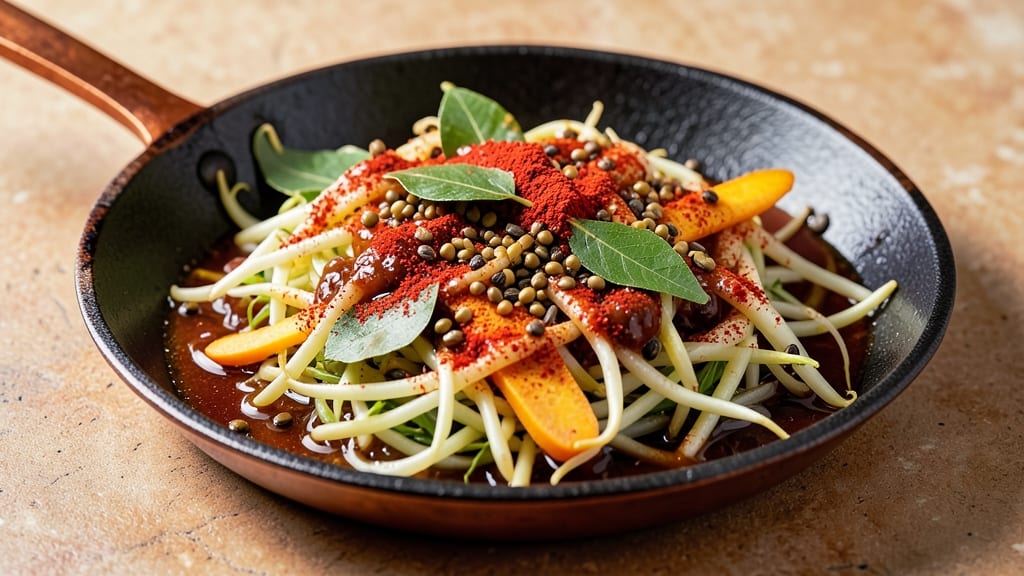
This Indian-style bean sprouts recipe transforms simple sprouts into a crisp-tender side dish with a tangy tamarind twist that balances earthy spices. The secret lies in a quick tempering of mustard seeds, curry leaves, and turmeric—just 5 minutes of sizzling transforms the flavor profile completely.
I developed this recipe after realizing how often bean sprouts could be elevated beyond basic stir-fries, and the tamarind adds a bright contrast to the smoky spices.
The magic happens in the wok or skillet, where high heat ensures the sprouts stay crisp-tender while absorbing the aromatic masala. A splash of tamarind pulp creates that signature tangy depth, and a pinch of red chili powder adds just enough heat to make every bite exciting.
This dish is more than a side—it’s a flavor explosion that pairs perfectly with roti, rice, or even as a standalone snack with lemon wedges.
What you’ll end up with is a vibrant, crisp-tender dish that’s packed with texture and flavor—each bite offers a satisfying crunch, a burst of tamarind tang, and a warm spice finish. The best part?
It comes together in under 20 minutes, making it ideal for weeknight dinners or quick lunches. The tamarind also makes this dish vegan-friendly, so it works for all dietary preferences without sacrificing flavor.
Serve it alongside grilled meats, dal, or even as a filling for wraps—this recipe is versatile enough to fit any Indian meal. The tamarind’s tanginess cuts through richer dishes, while the sprouts add a satisfying bite. Let’s get cooking!
Ingredients for bean sprouts recipe indian style
These vibrant ingredients create a crisp-tender Indian-style dish bursting with tamarind tang and aromatic spices.
| Ingredient | Amount | Notes |
|---|---|---|
| Fresh Bean Sprouts 🌱 | 4 cups | Tender, rinsed thoroughly |
| Mustard Seeds 🌶️ | 1 tbsp | Yellow or brown variety |
| Curry Leaves 🌿 | ¼ cup | Fresh, packed loosely |
| Fresh Turmeric 🧄 | ½ tsp | Grated, vibrant orange |
| Red Chili Powder 🔥 | ½ tsp | Adjust for heat preference |
| Tamarind Pulp 🍈 | 1 ½ tbsp | Fresh or paste form |
| Fresh Ginger 🧄 | 1 tbsp | Finely grated, aromatic |
| Green Chilies 🌶️ | 2 whole | Slit lengthwise, seeds removed |
| Asafoetida Powder 🌿 | ¼ tsp | Essential for authentic flavor |
| Cumin Seeds 🌶️ | ½ tsp | Toasted lightly for depth |
| Salt 🧂 | ¾ tsp | Diamond Crystal preferred |
| Lemon Juice 🍋 | 1 tbsp | Freshly squeezed |
| Olive Oil 🫒 | 1 ½ tbsp | Light variety preferred |
| Fresh Coriander Leaves 🌿 | ¼ cup | Chopped, for garnish |
The bean sprouts are the star, so prioritize freshness—look for bright green, tender sprouts at Indian markets or the produce section. Whole Foods and Trader Joe's consistently carry high-quality sprouts, but any reputable grocer will have them. Mustard seeds and curry leaves should be purchased whole for maximum flavor; Penzeys Spices offers excellent quality for these essentials. Tamarind pulp can be found in jars at Asian markets or substituted with tamarind concentrate if needed. For the ginger and turmeric, opt for fresh over powdered—they deliver a more vibrant flavor profile. Toast your cumin seeds lightly in a dry pan before adding to enhance their aroma.
No tamarind pulp? Lime juice with a pinch of sugar mimics the tang, though it lacks depth. Fresh curry leaves unavailable? Dried curry powder at half the amount works in a pinch, though texture will differ. The green chilies can be omitted entirely for a milder dish, or swapped for red chili flakes if you prefer heat. Asafoetida is non-negotiable for authentic flavor—it adds that unmistakable umami depth. For the oil, ghee or coconut oil can replace olive oil if you're avoiding neutral flavors. Always toast your spices before adding to the sprouts; this step is critical for developing their full potential.
Store fresh curry leaves wrapped in damp paper towels in the fridge for up to 5 days. The tamarind pulp keeps indefinitely in the pantry, while fresh ginger and turmeric last 2 weeks when refrigerated. This dish reheats beautifully—simply toss with a splash of water and warm through. For meal prep, store components separately: sprouts, spices, and sauce. Assemble just before serving to maintain crispness. The flavors actually improve overnight as the tamarind's tanginess melds with the spices, making it perfect for leftovers.
Why You'll Love This Recipe
- No-Fuss Staple: I swear by this when I’m too tired to chop much—just rinse the sprouts, toss them in a hot pan with mustard seeds and curry leaves, and let the spices work their magic. That’s it. Zero prep, zero fuss, and still tastes like you put in effort.
- Spice Bomb Crunch: The moment those mustard seeds pop and the red chili powder hits the heat, my kitchen smells like a street-side chaat stall. The sprouts stay crisp, the turmeric gives that golden glow, and the chili? Just enough kick to make it memorable without being overpowering.
- Leftover Hero: This dish actually improves the next day. Reheat it with a splash of water, and the flavors meld even deeper—perfect for quick lunches or when I’m too lazy to cook. My roommate still asks for seconds, even after three days.
- Budget Win: Fresh sprouts are cheap, and the spices? You probably already have them. A single batch feeds four for under $3, and the leftovers stretch into snacks, salads, or even a quick omelet filling. Honestly, it’s the kind of recipe that makes me feel like I’m feeding a crowd without breaking the bank.
Step-by-step instructions for Indian style bean sprouts
Here's how to achieve perfectly crisp-tender bean sprouts with authentic South Indian flavors.
Prepare the Bean Sprouts
Begin by thoroughly rinsing the 4 cups fresh bean sprouts under cold water to remove any dirt or debris. Drain them completely in a colander and gently shake to remove excess moisture. This step is crucial for achieving crisp-tender sprouts—they should be dry enough to absorb the flavors but not so dry they become rubbery.
Transfer the drained sprouts to a large mixing bowl and set aside. I like to give them a gentle toss with my hands to separate any clumps and ensure even cooking. The sprouts should look vibrant and fresh at this stage, with no yellowing or wilted leaves.
Toast the Whole Spices
In a small dry skillet over medium heat, add the 1.5 tablespoons olive oil, 0.5 teaspoon cumin seeds, and 1 tablespoon mustard seeds. Allow them to toast for 30-45 seconds until the cumin seeds begin to sizzle and release their aroma. This is where the magic happens—the spices should darken slightly but not burn.
Immediately add the 0.25 cup curry leaves and toast for another 10-15 seconds until they turn crisp and release their distinct fragrance. Watch carefully as curry leaves burn quickly. Transfer these toasted spices to the bowl with the bean sprouts, reserving about 1 teaspoon of the oil for later use.
Create the Tamarind-Ginger Base
In the same skillet, add the reserved 1 teaspoon olive oil and heat over medium-low. Add the 1 tablespoon finely grated fresh ginger and sauté for 30 seconds until fragrant. This step develops the ginger's aromatic compounds without letting it turn bitter.
Add the 1.5 tablespoons tamarind pulp, 0.5 teaspoon grated fresh turmeric, 0.5 teaspoon red chili powder, and 0.25 teaspoon asafoetida powder. Cook for 1 minute while stirring constantly, until the mixture darkens slightly and the raw taste of turmeric disappears. This creates the tangy, aromatic base that defines this dish.
Combine and Cook the Sprouts
Pour the tamarind-ginger mixture over the bean sprouts in the bowl and gently toss to coat evenly. Add the 2 slit green chilies, 0.75 teaspoon salt, and toss again to distribute all ingredients. The sprouts should look vibrant with a glossy sheen from the oil and tamarind.
Transfer the mixture to the skillet (you may need to work in batches if your pan is small) and cook over medium heat for 5-6 minutes. Stir frequently to prevent burning while allowing the sprouts to develop crisp edges. The ideal texture is tender yet slightly crisp—you should hear a gentle crunch when you press between your fingers.
Finish and Garnish
Remove the skillet from heat and stir in the 1 tablespoon freshly squeezed lemon juice. This brightens the flavors and balances the tamarind's tang. Taste and adjust seasoning if needed—you may want to add a pinch more salt or chili powder depending on your preference.
Garnish immediately with the 0.25 cup chopped fresh coriander leaves and serve while hot. The dish should have a perfect balance of tangy, spicy, and slightly sweet flavors with crisp-tender bean sprouts that hold their shape. Serve as a side with dosas, idlis, or as a standalone snack with crispy papads.
Pro Tips For Making Bean Sprouts Recipe Indian Style
- Bloom the Mustard: Toss the mustard seeds in a dry pan first—no oil—until they pop like tiny fireworks. This releases their full aroma before you add oil, and skipping this step means your dish will taste flat, no matter how much chili powder you throw in. (Yes, even if you're impatient like me.)
- Rinse and Dry Sprouts: Give your bean sprouts a quick rinse in cold water, then drain and pat them thoroughly with a kitchen towel. Wet sprouts steam instead of crisp up, and you’ll end up with a sad, mushy pile—especially if you’re frying them later. Do this right after washing, not mid-cooking.
- Low Heat for Turmeric: Add fresh turmeric last and keep the heat at a whisper. Turmeric burns faster than you’d think, turning bitter and acrid—ruining the whole dish. Stir it in for 10 seconds max, then toss in the sprouts immediately. (Your future self will thank you.)
- Toast Curry Leaves First: Fry the curry leaves alone for 10 seconds until their edges curl slightly—this unlocks their flavor. Dumping them in raw means they’ll just wilt into the oil like sad, flavorless leaves. (Does it look weird? Yes. Does it work? Every single time.)
Common mistakes when making this recipe
Overcooking Sprouts
Bean sprouts turn mushy when overcooked, losing their crisp-tender texture that makes this dish special. I’ve ruined countless batches by letting them sit too long in the pan—once they reach 6 minutes, watch them like a hawk.
The moment they turn bright green and slightly wilted, remove them immediately. For extra insurance, cook in batches if needed, keeping the first batch warm in a separate bowl while finishing the rest. 🌱
Skipping the Tamarind
Tamarind isn’t just for tang—it’s the soul of this dish, balancing the earthy spices. I once made this without it (thinking lime would suffice) and ended up with a flat, one-dimensional flavor. Use 1.5 tbsp tamarind pulp—don’t substitute with vinegar or lemon alone.
For a quick fix, mix 1 tbsp lime juice + ½ tsp sugar to mimic the depth, but fresh tamarind is non-negotiable for authenticity.
Burning Spices
Curry leaves and mustard seeds burn faster than you think, turning bitter and ruining the dish. I learned this the hard way when my first batch of curry leaves turned black in 20 seconds. Toast spices over medium heat (not high) and watch closely—they should sizzle but not darken.
Remove them immediately after they release their aroma, usually within 10-15 seconds. A small skillet or wok gives you better control than a large one.
Uneven Seasoning
Tossing the sprouts unevenly leads to bland pockets and over-seasoned clumps. I fix this by dividing the sprouts into two batches in the mixing bowl before adding the spice mixture. Toss each batch separately, then combine—this ensures every sprout gets equal coating.
For extra insurance, use a spoon to gently fold the sprouts after adding the tamarind-ginger base, distributing flavors evenly. 💡
Using Old Sprouts
Wilted or yellowing sprouts won’t crisp up, no matter how you cook them. Always check for freshness—look for bright green, plump sprouts with no slimy texture. If your sprouts are past their prime, give them a 10-minute soak in ice water before draining and patting dry.
This can revive them slightly, but for best results, invest in fresh sprouts from a trusted source like Whole Foods or your local Indian grocery.
Ignoring the Resting Time
Letting the sprouts sit after cooking may seem counterintuitive, but it’s key for flavor development. After tossing with lemon juice, let them rest for 2-3 minutes before serving. This allows the tamarind and spices to meld, creating a cohesive taste.
I’ve rushed this step before and ended up with disjointed flavors—patience here makes all the difference. Serve immediately after resting for the best texture and taste. ✨
Nutrition facts
Frequently asked questions
Can I use other sprouts instead of bean sprouts?
While bean sprouts are ideal for this recipe, you can substitute with mung bean sprouts or alfalfa sprouts for a similar texture. Avoid radish or lentil sprouts—they have a stronger flavor that may overpower the tamarind and spices. If using alfalfa, reduce cooking time to 3-4 minutes to prevent overcooking.
How do I adjust the spice level for kids or sensitive palates?
Reduce the red chili powder to ¼ teaspoon and omit the green chilies entirely. For extra mildness, skip the asafoetida (though it adds minimal flavor). The tamarind and lemon juice provide enough tang without heat. Always taste before serving—you can adjust salt and chili after cooking.
What's the best way to store leftovers?
Store cooked sprouts in an airtight container in the fridge for up to 3 days. Reheat gently in a dry pan over low heat with a splash of water to restore crispness. For longer storage, freeze the cooked sprouts (without lemon juice) for up to 1 month. Thaw overnight in the fridge before reheating.
Can I make this recipe without tamarind?
Yes, but the flavor will be less authentic. Replace tamarind with 1 tbsp lime juice + ½ tsp sugar to mimic the tang. For depth, add ½ tsp amchur (dry mango powder) if available. The dish will still taste good, but tamarind's unique sour-sweet balance is irreplaceable for traditional flavor.
What's the secret to keeping the sprouts crisp?
The key is high heat and minimal cooking time. Use a wok or cast-iron skillet and cook on medium-high heat for exactly 5-6 minutes. Overcrowding the pan steams the sprouts—cook in batches if needed. Finish with lemon juice right before serving to brighten flavors and maintain texture.