
Side Dishes
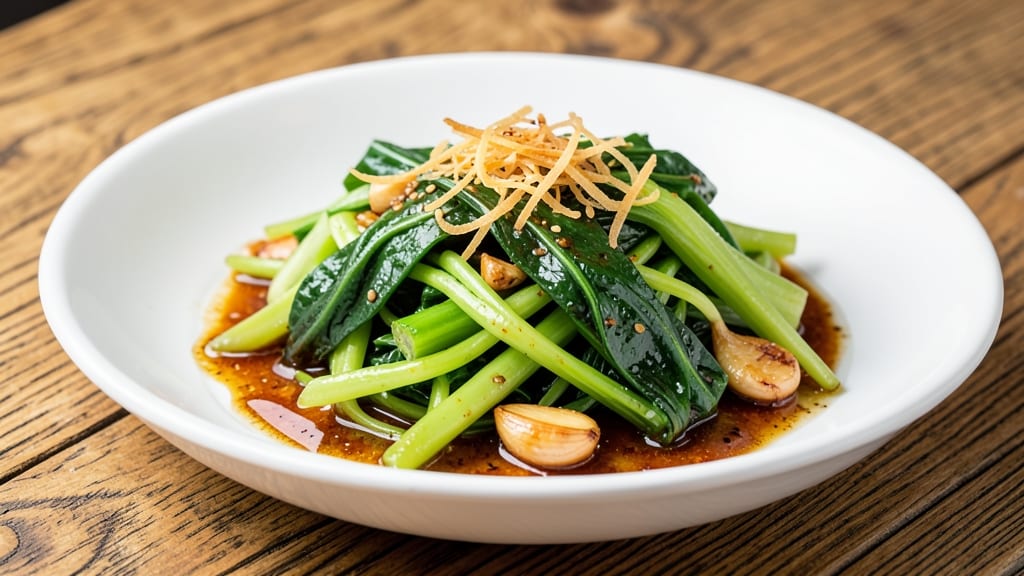
This bean sprouts and bok choy recipe transforms humble greens into a crispy, wok-seared masterpiece with garlic-ginger punch—ready in under 15 minutes. The secret lies in high-heat stir-frying, which caramelizes the edges while keeping the centers tender, creating a perfect texture contrast.
I developed this recipe after realizing how often fresh greens get overcooked or soggy, and this method solves both problems with foolproof precision.
The foundation is a simple yet powerful sauce blend of garlic, ginger, and tamari (or soy sauce for non-vegan versions), which infuses every bite with aromatic depth. Bean sprouts add a satisfying crunch, while bok choy contributes a slightly sweet, earthy base that balances the bold flavors.
What makes this dish truly special is how it highlights the natural freshness of the ingredients—no heavy sauces or overpowering spices needed.
By the time you finish cooking, you'll have a vibrant, restaurant-quality side dish that's packed with texture—crispy edges on the bok choy, tender stems, and fresh bean sprouts that pop with every bite.
The garlic-ginger aroma alone will make your kitchen smell like a bustling Asian street market, but the taste is what truly impresses.
This recipe works beautifully as a standalone vegan dish or alongside grilled tofu, tempeh, or even as a topping for rice bowls. The best part? It's a complete protein when paired with a side of edamame or marinated tofu, making it a satisfying meal on its own. Let's get cooking!
Ingredients for bean sprouts and bok choy
Fresh greens meet aromatic garlic-ginger sauce for a crispy, restaurant-quality side dish.
| Ingredient | Amount | Notes |
|---|---|---|
| Bok Choy 🥬 | 2 whole | Baby or regular, stems separated |
| Bean Sprouts 🌱 | 3 cups | Fresh, rinsed and drained |
| Garlic Cloves 🧄 | 4 cloves | Minced finely for aromatic depth |
| Fresh Ginger 🌿 | 1 tbsp | Grated finely, skin removed |
| Tamari 🍶 | 2 tbsp | Gluten-free soy sauce alternative |
| Sesame Oil 🫒 | 1 tbsp | Toasted sesame for nutty aroma |
| Avocado Oil 🫒 | ½ cup | High smoke point for wok searing |
| Maple Syrup 🍯 | 1 tbsp | Light sweetness to balance flavors |
| Red Pepper Flakes 🌶️ | ½ tsp | Adjust for heat preference |
| Lime Juice 🍋 | 1 tbsp | Freshly squeezed for brightness |
| Sesame Seeds 🌰 | 1 tbsp | Toasted for garnish and crunch |
| Sea Salt 🧂 | 1 tsp | Diamond Crystal preferred |
| Black Pepper 🌶️ | ¼ tsp | Freshly ground for subtle heat |
The bok choy and bean sprouts are the stars here, so prioritize freshness—both should be vibrant and crisp to the touch. Whole Foods or Asian markets often carry the best quality, especially for baby bok choy with tender stems. If using regular bok choy, separate the leaves from the stems—the leaves cook faster and should be added back in later. Bean sprouts should be rinsed thoroughly before using to remove any dirt or debris, then drained well in a colander. For the garlic and ginger, organic varieties from the produce section are ideal—they often have more robust flavor and fewer impurities.
No tamari? Gluten-free soy sauce works perfectly, or even regular soy sauce if gluten isn't a concern. Fresh ginger can be substituted with ginger paste (use half the amount), but freshly grated delivers that bright, zesty punch that paste can't match. The sesame oil is non-negotiable for authentic flavor—Kadoya or La Choy are reliable brands, though any toasted sesame oil will do. Red pepper flakes can be swapped for Sichuan peppercorns (crushed) for a different kind of heat, or omitted entirely for a milder dish. The avocado oil is crucial here—it has a high smoke point (520°F) that prevents burning during the high-heat stir-fry, which is essential for achieving those crispy edges on the bok choy.
Prep ahead to save time: Grate the ginger and mince the garlic in advance and store in an airtight container in the fridge for up to 3 days. The bean sprouts and bok choy should be washed and drained right before cooking to maintain crispness. This dish reheats beautifully—store leftovers in an airtight container for up to 3 days in the fridge, though the texture will be slightly softer. For longer storage, freeze the cooked greens (without the sauce) for up to 2 months. When reheating, add a splash of water or sesame oil to revive crispness. Garnish with toasted sesame seeds just before serving to preserve their crunch.
Why You'll Love This Recipe
- Five-Minute Chop: I swear, the only prep is slicing the bok choy in half and snapping those bean sprouts clean—no fancy knives needed. Honestly, I’ve made this while scrolling through my phone, and it still comes out fresh.
- Umami Bomb: That tamari and garlic combo? It’s like a flavor explosion in your mouth—salty, bright, and just crispy enough from the wok. The ginger ties it all together without overpowering, which is rare in stir-fries.
- Lunchbox Hero: Pack this cold or reheated, and it’s still a winner—crunchy, fresh, and way better than sad desk lunches. My kids actually eat their veggies when it’s in there, and I’ll take that win any day.
- Pantry Savior: Three bucks for a bag of bean sprouts and a head of bok choy? This is my go-to when the fridge is empty but the wallet isn’t. Toss in whatever protein you’ve got, and boom—dinner’s solved.
Step-by-step instructions for wok-seared crispy greens with garlic ginger
Master this technique for restaurant-quality texture—crispy edges and tender centers every time.
Prepare the Vegetables for Optimal Texture
Separate the 2 whole bok choy into leaves and stems, discarding any wilted outer leaves. Cut the stems into 1-inch pieces and separate the leaves into bite-sized sections. Rinse the 3 cups bean sprouts thoroughly and drain in a colander, pressing gently to remove excess water—this ensures they'll sear properly rather than steam.
Leave the bean sprouts whole for maximum crunch. For the bok choy, I like to keep the stems slightly thicker than the leaves—they'll develop a beautiful caramelized crust while the leaves remain tender. Pat everything completely dry with paper towels before cooking. Any moisture will prevent the high-heat sear we're aiming for.
Build the Aromatic Base and Sear the Vegetables
Heat a wok or large skillet over high heat until it's smoking hot. Add the 0.5 cup avocado oil and swirl to coat. Immediately add the 4 cloves minced garlic and 1 tbsp finely grated ginger, stirring constantly for 30 seconds until fragrant but not browned. This quick cooking preserves their fresh flavor without burning.
Working in batches to avoid crowding, add half of the bok choy stems and bean sprouts. Stir-fry vigorously for 2-3 minutes until the edges turn golden brown and crispy. The bean sprouts should maintain their shape while developing a slight char. Remove to a plate and repeat with the remaining vegetables. Don't overcrowd the pan—this prevents proper heat circulation and leads to steaming instead of searing.
Create the Signature Sauce and Finish the Greens
Return the seared vegetables to the wok and reduce heat to medium. Add the 2 tbsp tamari, 1 tbsp sesame oil, and 1 tbsp maple syrup, stirring to combine. Let it simmer for 1 minute until the sauce begins to thicken slightly. This balance of salty, nutty, and sweet flavors enhances the natural vegetal taste without overpowering it.
Sprinkle the 0.5 tsp red pepper flakes over the vegetables and toss gently. The heat should be evenly distributed throughout the dish. Remove from heat and stir in the 1 tbsp freshly squeezed lime juice and 1 tsp sea salt. The acidity brightens the flavors while the salt enhances the natural sweetness of the caramelized vegetables. Taste and adjust seasoning if needed—you want a perfect balance of umami, sweetness, and subtle heat.
Garnish and Serve Immediately
Transfer the wok-seared greens to serving plates and immediately sprinkle with 1 tbsp toasted sesame seeds and 0.25 tsp freshly ground black pepper. The sesame seeds add a nutty crunch that contrasts beautifully with the tender greens, while the pepper provides a final layer of complexity. Serve immediately while the vegetables are still crisp-tender and the flavors are at their peak.
This dish is best enjoyed hot, straight from the wok. The contrast of crispy edges and tender centers, combined with the aromatic garlic-ginger base and bright lime finish, creates a harmonious balance of textures and flavors. For an extra touch, serve with steamed jasmine rice or over noodles to soak up the delicious sauce.
Pro Tips For Making Bean Sprouts And Bok Choy
- STIR-FRY IN BATCHES: Don’t toss everything in at once—bok choy and bean sprouts cook at different speeds. Start with the sprouts (they’re delicate) and remove them after 1 minute, then add the bok choy stems (they need 2-3 minutes) before finishing with the leaves. This keeps the texture perfect—crispy where it should be, tender where it needs to be.
- GINGER SLICE THIN: Skip the rough chop—grate or slice ginger paper-thin so it dissolves into the tamari instead of sitting as chewy chunks. A microplane works best, and you’ll need less than you think (about ½ teaspoon) because it releases flavor aggressively.
- DON’T OVERCROWD THE PAN: I learned this the hard way—packing too many bean sprouts into the wok steams them instead of searing. Use a large, hot pan and work in 2 batches if needed. You want to hear that satisfying sizzle the whole time, not a sad plop.
- SALT THE BOK CHOY STEMS: Before cooking, sprinkle the cut ends of bok choy stems with a pinch of salt and let sit for 5 minutes. This draws out bitterness and ensures they soften faster. Rinse if you’re worried about saltiness—this isn’t about seasoning the whole dish, just prepping the stems.
Serving suggestions for bean sprouts and bok choy
Rice Bowl Base
Serve your wok-seared greens over a bed of jasmine rice or brown rice to create a satisfying, balanced meal. I like to cook 1 cup uncooked jasmine rice with 1.25 cups water for a fluffy base that absorbs the garlic-ginger sauce beautifully.
The slightly sticky texture of jasmine rice helps hold the crispy greens in place, while brown rice adds a nutty contrast. For extra protein, top with pan-seared extra-firm tofu or marinated tempeh before adding the greens. 🍚
Protein Pairings
Since this dish is naturally vegan, I often pair it with grilled or pan-fried tofu for added protein.
Use 1 block (14 oz) extra-firm tofu, pressed for 20 minutes, then marinated in 2 tbsp tamari, 1 tbsp maple syrup, and 1 tsp grated ginger for 30 minutes before cooking.
For a meaty texture, try seitan or mushrooms like shiitake or oyster, which absorb the garlic-ginger flavors wonderfully. 🍄
Asian-Inspired Garnishes
Elevate the dish with fresh, vibrant garnishes that complement the bold flavors. Thinly sliced red onion adds a sharp crunch, while cilantro leaves bring a bright, herbal note.
I also love drizzling 1 tbsp chili crisp (like Lao Gan Ma) over the top for an extra layer of heat and umami.
For a creamy contrast, add a dollop of cashew cream—blend ½ cup soaked cashews with 2 tbsp water and 1 tsp lime juice until smooth. 🌿
Dipping Sauces
Offer a small bowl of spicy peanut sauce or sriracha-lime dip on the side for extra flavor.
For the peanut sauce, blend ¼ cup creamy peanut butter, 1 tbsp tamari, 1 tsp maple syrup, 1 tsp lime juice, and ½ tsp red pepper flakes—thin with water if needed.
The lime dip is even easier: mix 2 tbsp sriracha, 1 tbsp lime juice, and 1 tsp honey—adjust heat to taste. These sauces let everyone customize their spice level. 🍜
Meal Prep Adaptations
For meal prep, store the cooked greens in an airtight container in the fridge for up to 3 days. Reheat gently in a skillet with a splash of water or sesame oil to restore crispness. Keep rice and proteins separate until ready to serve.
When reheating, add a pinch of salt and a squeeze of lime to brighten flavors. For a cold meal, serve the greens over cold soba noodles or in lettuce wraps with a drizzle of peanut sauce. ⏰
Nutrition facts
Frequently asked questions
Can I substitute regular cabbage for bok choy in this recipe?
While you can use cabbage, the texture and flavor will differ significantly. Bok choy has a delicate, slightly sweet taste and tender stems that develop beautiful crispy edges when seared. Regular cabbage is more fibrous and bitter, so if substituting, use Napa cabbage (which is milder) and reduce cooking time by 1 minute to avoid overcooking.
What's the best way to store leftover bean sprouts and bok choy?
Store cooked leftovers in an airtight container in the fridge for up to 3 days. For best texture, reheat gently in a skillet with a splash of water or sesame oil. To revive crispness, add a pinch of salt and a squeeze of lime before serving. For longer storage, freeze the cooked greens (without sauce) for up to 2 months.
Can I make this recipe without sesame oil?
Yes, but you'll lose the nutty depth that sesame oil provides. Substitute with avocado oil or neutral oil like canola, but reduce the amount to ½ tbsp since it lacks sesame's flavor. For a similar aroma, add ½ tsp toasted sesame seeds directly to the wok while searing the vegetables. The dish will still taste great—just with a slightly different profile.
Why did my bean sprouts turn mushy instead of crisp?
Mushy bean sprouts usually happen from one of two issues: overcrowding the pan or not draining them properly before cooking. Always pat them completely dry with paper towels and work in small batches to ensure proper searing. Cooking time should be 2-3 minutes max—any longer and they'll lose their crunch. High heat is key for that perfect texture!
How can I make this dish spicier?
For extra heat, increase the red pepper flakes to 1 tsp or add ½ tsp crushed Sichuan peppercorns (for numbing heat) while searing. You can also stir in 1 tbsp chili crisp or 1 tsp gochujang with the sauce. For a smoky kick, add ½ tsp smoked paprika when tossing with the lime juice. Adjust to taste!