
Main Courses
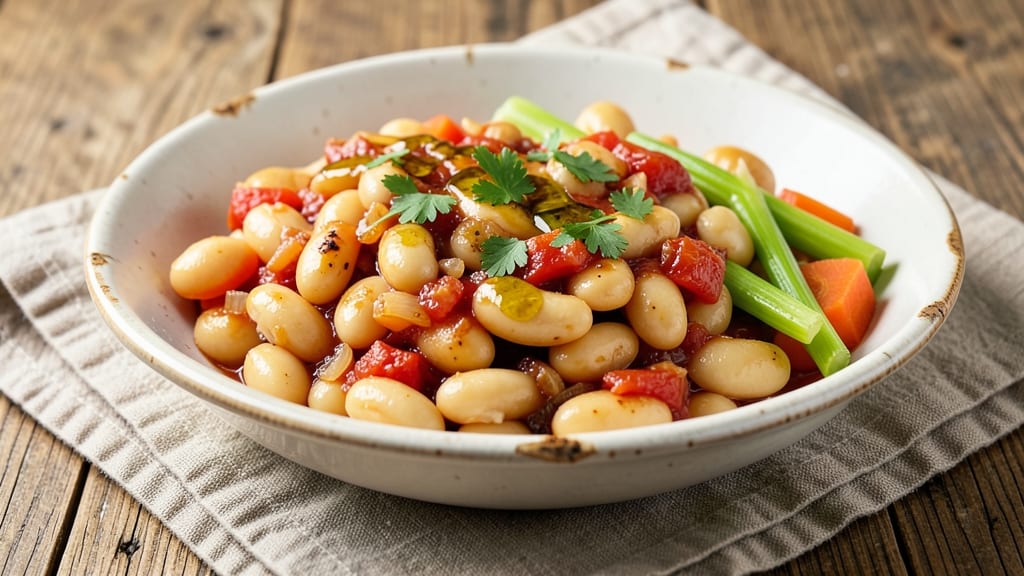
This bean ragout recipe delivers the kind of hearty, smoky comfort that transforms simple ingredients into something extraordinary. The secret lies in slow-simmered beans, deep tomato flavor, and aromatic herbs that create a dish rich enough for a weeknight dinner or a special occasion.
I developed this version after years of testing—balancing acidity, texture, and depth to ensure every spoonful feels like a hug in food form.
What sets this ragout apart is the technique: starting with a rich tomato base built through careful sautéing and deglazing, then letting the beans and vegetables meld into a velvety, flavor-packed sauce.
The key ingredients—cannellini beans, tomatoes, and fresh herbs—work together to create a dish that's both satisfying and versatile. Whether you're serving it with crusty bread or over rice, the flavors shine through.
By the time you're done, you'll have a ragout that's tender, aromatic, and full of smoky depth—perfect for those nights when you crave something comforting yet restaurant-quality. The dish develops even better the next day, making it ideal for meal prep.
This is the kind of recipe that becomes a staple in your rotation once you try it.
For added richness, I recommend finishing with a drizzle of olive oil and fresh basil, but the beauty of this ragout is its flexibility. Adjust the herbs to your taste, swap in different beans, or even add a splash of balsamic for extra tang.
The possibilities are endless, but the foundation remains foolproof.
Ingredients for bean ragout
Simple pantry staples transform into restaurant-quality comfort with just a few fresh herbs.
| Ingredient | Amount | Notes |
|---|---|---|
| Cannellini Beans 🌾 | 1 ½ cups | Drained and rinsed, or cooked fresh |
| Crushed Tomatoes 🍅 | 2 cups | San Marzano preferred for sweetness |
| Onion 🧅 | 1 medium | Diced, yellow or red |
| Carrots 🥕 | 1 medium | Diced, or baby carrots chopped |
| Celery Stalks 🥬 | 2 whole | Diced, or sub with fennel |
| Garlic Cloves 🧄 | 4 cloves | Minced, fresh preferred |
| Extra-Virgin Olive Oil 🫒 | ½ cup | For richness and sautéing |
| Vegetable Broth 💧 | 2 cups | Low-sodium preferred |
| Tomato Paste 🍅 | 2 tbsp | Squeeze tube or canned |
| Smoked Paprika 🌶️ | 1 tsp | For smoky depth |
| Dried Thyme 🌿 | 1 tsp | Or 1 tbsp fresh thyme |
| Bay Leaves 🍃 | 2 whole | Remove before serving |
| Salt 🧂 | 1 tsp | Kosher or sea salt |
| Black Pepper 🌶️ | ½ tsp | Freshly ground preferred |
| Fresh Basil Leaves 🌿 | ¼ cup | Chopped for garnish |
The cannellini beans are the heart of this dish. Dry beans take longer but taste better—soak overnight and simmer for 45 minutes. Canned beans save time, but drained and rinsed thoroughly. For the tomatoes, San Marzano makes all the difference with its natural sweetness, but any good crushed tomatoes will work. The onion, carrots, and celery form your aromatic base—don't skip browning them for that deep flavor. I always grab these fresh from the produce section at Whole Foods or my local farmers market, but the regular supermarket stuff is fine too.
No smoked paprika? Regular paprika plus a pinch of liquid smoke works in a pinch. Fresh thyme is ideal, but dried at one-third the amount gets you close. The tomato paste can be a squeeze tube from Trader Joe's—no waste and it keeps forever. For the broth, low-sodium is key—you'll be adding salt later. Want more depth? Add a splash of balsamic vinegar at the end. The carrots can be baby carrots if that's what's in your fridge—just chop them small.
This ragout tastes even better the next day—honestly, the flavors meld into something magical. Keeps 4-5 days in the fridge, freezes for 3 months. I always make a double batch so I have leftovers for lunches. Store in airtight containers with a layer of olive oil on top to keep it fresh. The basil should be added fresh right before serving—it wilts fast, so wait until you're ready to eat.
Why You'll Love This Recipe
- One-Pot Magic: I swear by this—just toss everything in one pot, let it simmer, and walk away. The cannellini beans soften perfectly while the tomatoes and veggies meld into that rich, rustic base without a single extra dish to wash.
- Tomato-Caramel Bliss: That crushed tomato base develops the most unexpected depth—sweet, tangy, and just a little smoky. The carrots and celery practically melt into it, creating a sauce that’s ridiculously good on toast or over rice.
- Meal Prep MVP: Between us, this is my go-to for lunches all week. The flavors actually improve after a day or two in the fridge, and it reheats like a dream—no mushy beans here, just hearty, satisfying bites every time.
- Budget-Friendly Powerhouse: Cannellini beans and seasonal veggies stretch into a full meal for next to nothing. I’ve fed four people for under $10, and honestly? No one ever guesses how cheaply I made it.
Step-by-step instructions for smoky tomato and herb-steeped bean ragout
This hearty ragout builds flavor layer by layer—simple steps for maximum comfort.
Sauté the Aromatic Vegetable Base
Heat the 0.5 cup extra-virgin olive oil in a large Dutch oven over medium heat. Add the diced onion, diced carrots, and diced celery stalks, stirring occasionally for 5-6 minutes until the vegetables soften and begin to caramelize slightly. You'll notice the onions turn translucent and the carrots release their sweetness—this is where the foundation of your ragout's flavor develops.
Add the 4 minced garlic cloves and cook for another 30 seconds until fragrant. Be careful not to let the garlic burn—it should smell wonderful but not bitter. This aromatic base will infuse the entire dish with depth, so take your time here. The vegetables should be tender but not mushy, holding their shape to provide texture throughout the ragout.
Build the Tomato and Spice Foundation
Stir in the 2 tbsp tomato paste and cook for 1-2 minutes until it darkens slightly and loses its raw taste. This step deepens the tomato flavor and prevents a metallic aftertaste. Immediately add the 2 cups crushed tomatoes, 1 tsp smoked paprika, 1 tsp dried thyme, 2 whole bay leaves, 1 tsp salt, and 0.5 tsp black pepper. Stir well to combine.
Let the mixture simmer uncovered over medium-low heat for 10 minutes, stirring occasionally. You'll see the tomatoes reduce slightly and the spices meld together. This slow simmering allows the flavors to develop and the acidity in the tomatoes to mellow. The ragout should smell rich and inviting—like a warm hug in a pot. If the mixture sticks to the bottom, add a splash of the 2 cups vegetable broth to deglaze.
Incorporate the Beans and Simmer
Add the 1.5 cups cannellini beans (drained and rinsed if using canned) to the pot. Stir gently to coat them evenly with the tomato mixture. Pour in the 2 cups vegetable broth, ensuring all the ingredients are well combined. Bring the mixture to a gentle simmer, then reduce the heat to low and let it cook uncovered for 20-25 minutes. The ragout should bubble softly but steadily—this low-and-slow approach ensures tender beans and deeply developed flavors.
During this time, taste the ragout occasionally. You might need to adjust the seasoning—add more salt if needed, or a pinch of sugar if the tomatoes taste too acidic. The beans should be heated through and the sauce should thicken slightly, coating the back of a spoon. You're aiming for a consistency that's thick enough to cling to the beans but still spoonable. Stir occasionally to prevent sticking, and if the ragout gets too thick, add a little more broth.
Finish with Fresh Herbs and Rest
Remove the 2 whole bay leaves from the ragout and discard them. Stir in the 0.25 cup chopped fresh basil leaves, letting them wilt slightly into the warm mixture. The basil adds a bright, fresh contrast to the smoky, earthy flavors of the ragout. Taste again and adjust the seasoning if necessary—this is your final chance to balance the flavors before serving.
Let the ragout rest for 5-10 minutes off the heat. This resting period allows the flavors to meld even more and the ragout to thicken slightly as it cools. Serve it warm, perhaps with crusty bread or over polenta, and watch as everyone reaches for seconds. The ragout should be comforting, with tender beans swimming in a rich, aromatic sauce that's neither too thick nor too thin—just right for spooning up every last bite.
Pro Tips For Making Bean Ragout
- Sweat, Don’t Burn: Onion, celery, and carrots need time—about 8-10 minutes on medium heat—until they’re soft enough to mash with a fork but not browned into oblivion. I learned this the hard way after turning my ragout into a charred mess that tasted like a campfire. Keep the heat steady, stir occasionally, and resist the urge to rush.
- Drain, Rinse, Repeat: Cannellini beans straight from a can taste like tin and sadness. Drain them, rinse under cold water, then give them a quick shake in a colander to remove any lingering starch. This step keeps your ragout from turning into a gluey, thickened disaster—trust me, your future self will notice the difference.
- Crush Those Tomatoes: Skip the pre-crushed can of tomatoes—it’s full of water and lacks body. Instead, grab a handful of fresh or canned whole tomatoes, give them a rough chop, then pulse them in a food processor until they’re chunky but not puréed. This adds texture and depth that store-bought crushed tomatoes just can’t match.
- Simmer, Don’t Boil: Once everything’s in the pot, keep the heat low enough that you’re barely seeing bubbles—think of a lazy simmer, not a rolling boil. High heat breaks down the beans and turns your ragout into a mushy, watery soup. Let it cook gently for 20-25 minutes, and you’ll end up with a rich, flavorful dish that holds its shape.
Troubleshooting your bean ragout
Mushy Vegetables
If your vegetables turn mushy, you’ve likely cooked them too long or at too high a heat. The key is to sauté the onion, carrots, and celery over medium heat for just 5-6 minutes—until they’re tender but still hold their shape.
If you notice them softening too quickly, reduce the heat to low and stir more frequently. Overcrowding the pot also traps steam, which speeds up cooking. Use a large Dutch oven and keep the heat controlled to maintain texture. 🥕
Too Thin Sauce
A watery ragout usually means the tomatoes or broth didn’t reduce enough. After adding the crushed tomatoes and spices, let the mixture simmer uncovered for 10 minutes to thicken naturally.
If it’s still too thin, remove the pot from heat and stir in 1 tbsp tomato paste or 1 tsp cornstarch mixed with 1 tbsp water. Simmer for another 5 minutes to thicken.
For extra richness, stir in 1 tbsp olive oil at the end—it adds body without altering flavor. 🍅
Bitter or Metallic Taste
This often happens if the tomato paste burns or the garlic scorches. When adding the tomato paste, cook it for just 1-2 minutes until it darkens slightly but doesn’t brown. For garlic, cook it for only 30 seconds—it should smell fragrant, not bitter.
If the flavor is off, balance it with a pinch of sugar or balsamic vinegar (about ½ tsp) to mellow the acidity. A splash of vegetable broth can also dilute harsh notes. 🧄
Beans Staying Too Firm
Canned beans need 20-25 minutes of simmering to absorb flavors, while dry beans require 45-60 minutes of pre-cooking. If your beans are still tough, add ½ cup more broth and simmer for 10-15 minutes longer.
For extra tenderness, mash ¼ of the beans with a fork before adding the rest—this releases starches that thicken the sauce and soften the remaining beans. Pro tip: Use low heat to avoid breaking the beans prematurely. 🌾
Overpowering Spices
Smoked paprika and thyme are flavor bombs, so start with ½ tsp smoked paprika if you’re sensitive to strong tastes. Taste as you go—if the spices dominate, balance them with 1 tsp sugar or 1 tbsp lemon juice to brighten the dish.
Fresh herbs like basil should be added last to preserve their brightness. For a milder version, reduce the smoked paprika to ½ tsp and add ½ tsp regular paprika instead. 🌶️
Stuck-to-the-Pot Ragout
This happens when the sauce reduces too much or the pot isn’t properly deglazed. After sautéing the vegetables, always deglaze with a splash of broth if the bottom browns. Stir frequently while simmering to prevent sticking.
If it’s already stuck, add ¼ cup broth and scrape gently with a wooden spoon. For future batches, use a heavy-bottomed pot (like a Dutch oven) to distribute heat evenly. A non-stick spray before cooking can also help, but it’s not necessary with proper technique. 🔥
Nutrition facts
Frequently asked questions
Can I use different types of beans for this ragout?
While cannellini beans work beautifully, you can swap in chickpeas, kidney beans, or even black beans for a different texture and flavor profile. For a creamier ragout, try butter beans or lima beans. Just adjust cooking times—dry beans need longer simmering (about 45-60 minutes pre-cooked), while canned beans work perfectly with the 20-25 minute simmering time in the recipe.
How do I make this recipe vegan?
This ragout is already vegetarian, but for a fully vegan version, simply ensure your vegetable broth is plant-based and skip any animal products. Use olive oil instead of butter (though it's already called for) and verify your tomato paste and spices are vegan-certified. The dish remains just as rich and satisfying—just check labels on store-bought ingredients like broth or tomato paste for hidden animal derivatives.
Can I prepare this ragout ahead of time?
Yes, this ragout tastes even better the next day as the flavors meld together! Store it in an airtight container in the fridge for up to 4-5 days or freeze for 3 months. Reheat gently on the stove with a splash of water or broth to restore moisture. The texture stays perfect—just give it a stir and adjust seasoning if needed before serving.
What are the best sides to serve with bean ragout?
Crusty bread is a classic choice, but you can also serve it over polenta, mashed potatoes, or steamed rice to soak up the flavorful sauce. For a lighter option, try a simple green salad with lemon vinaigrette. The ragout's hearty nature makes it perfect for a complete meal—just pair it with something that complements rather than competes with its rich tomato-herb flavors.
Why does my ragout taste too acidic?
Tomatoes can sometimes overpower with acidity, especially if they're not fully reduced. Balance the flavor by adding a pinch of sugar (about ½ tsp) or a splash of balsamic vinegar (1 tsp) to mellow the acidity. For extra richness, stir in 1 tbsp olive oil at the end—it coats the palate and rounds out sharp flavors. Simmering uncovered for longer also helps reduce acidity by letting the tomatoes cook down more.