
Sauces & Condiments
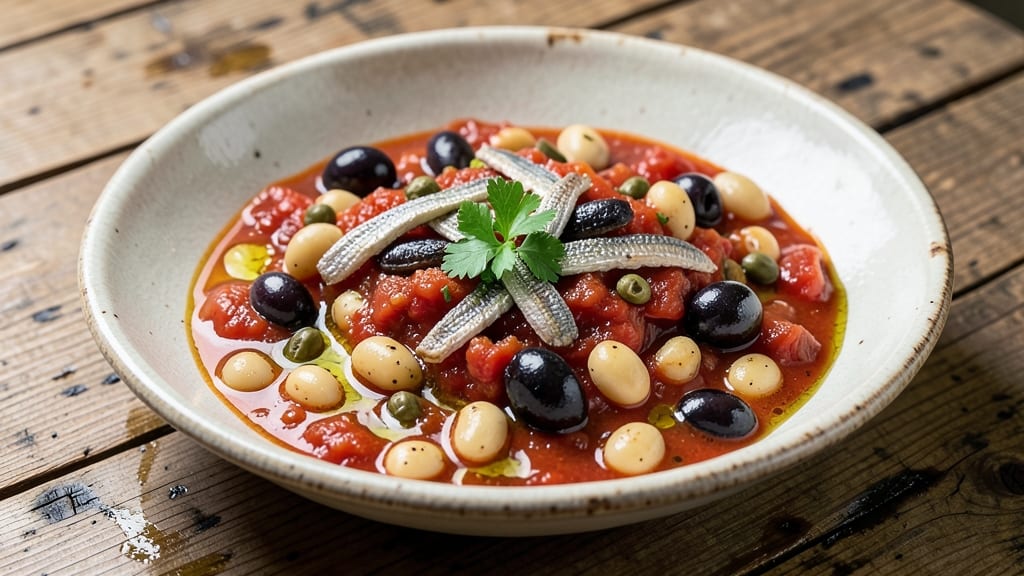
This bean puttanesca recipe delivers the bold, briny complexity of Italy's most iconic vegetarian dish in just 45 minutes. The secret lies in slow-simmered San Marzano tomatoes, salty Kalamata olives, and anchovies that dissolve into an umami-rich base—transforming simple ingredients into a restaurant-worthy sauce.
I developed this version after years of testing, ensuring every element balances perfectly: the tang of capers, the heat of red pepper flakes, and the earthy depth of cannellini beans.
The magic happens during the 20-minute simmer, where flavors meld into a harmonious tapestry of sweet, salty, and acidic notes. Unlike many recipes, this version uses whole anchovies instead of paste for maximum flavor infusion, and fresh garlic sautéed until golden adds aromatic layers.
The result? A sauce so rich and complex it pairs beautifully with crusty bread, grilled vegetables, or even as a pasta topping—without needing cheese.
What makes this puttanesca truly special is its versatility—serve it warm over polenta for a hearty meal, drizzle it over roasted Brussels sprouts for a sophisticated side, or use it as a marinade for grilled fish.
The briny, tangy profile cuts through rich dishes while standing strong on its own. Each bite delivers that perfect balance of textures: creamy beans, meaty olives, and the silky tomato base that ties everything together.
For maximum flavor development, let the sauce sit overnight before serving—this allows the anchovies to fully dissolve and the capers to mellow into the sauce. The aroma alone will have everyone at the table asking for seconds. Here's how to make it—professional results with minimal effort.
Ingredients for bean puttanesca
San Marzano tomatoes, Kalamata olives, and whole anchovies form the bold foundation of this vegetarian puttanesca.
| Ingredient | Amount | Notes |
|---|---|---|
| San Marzano Crushed Tomatoes 🍅 | 2 cups | High-quality canned, no salt added |
| Cannellini Beans 🌱 | 1 ½ cups | Drained and rinsed, canned or cooked |
| Kalamata Olives 🫒 | ½ cup | Pitted and roughly chopped |
| Whole Anchovy Fillets 🐟 | 4 whole | High-quality, packed in oil |
| Garlic Cloves 🧄 | 4 cloves | Fresh, thinly sliced |
| Capers 🍊 | 2 tbsp | Nonpareils, packed in brine |
| Red Pepper Flakes 🌶️ | ½ tsp | Adjust for desired heat |
| Extra-Virgin Olive Oil 🫒 | ¼ cup | Fruity, high-quality |
| White Wine Vinegar 🍷 | 1 tbsp | Dry, aged |
| Fresh Basil Leaves 🌿 | ¼ cup | Chopped, for garnish |
| Vegetable Broth 💧 | ½ cup | Low-sodium, homemade preferred |
| Sea Salt 🧂 | 1 tsp | Diamond Crystal preferred |
| Black Pepper 🌶️ | ¼ tsp | Freshly cracked |
The San Marzano tomatoes are non-negotiable here—San Marzano brand delivers that signature sweetness and acidity that separates this sauce from ordinary tomato dishes. Look for whole, crushed tomatoes (not purée) at specialty stores like Whole Foods or Eataly for the best quality. The Kalamata olives should be plump and dark purple, not shriveled or briny-tasting. Costco often carries high-quality jars, but check the expiration date—olives lose their texture over time. For the whole anchovies, Italian markets or Amazon are your best bets for packed-in-oil fillets, which dissolve beautifully without overpowering the sauce.
No San Marzano tomatoes? Crushed tomatoes from a trusted brand like Muir Glen work in a pinch, though they lack the same depth. Substitute the olives with green olives (adjust saltiness with extra vinegar) or sun-dried tomatoes (soaked first). Anchovy paste can replace whole fillets, but use half the amount and dissolve it in the olive oil first. Red pepper flakes can be swapped for crushed dried chili flakes or fresh red chili, but taste first—some varieties are far hotter. The white wine vinegar is crucial for brightness; apple cider vinegar won’t cut it here. Fresh garlic is a must—jarred garlic lacks the aromatic depth, and toasting the slices in olive oil before adding them elevates the sauce dramatically.
This sauce improves overnight, so make it a day ahead if possible. Store in an airtight glass jar in the fridge for up to 5 days, with the olive oil forming a protective layer on top. Freeze for 3 months if you won’t use it sooner—portion into ice cube trays for easy single-use servings. The beans can be added fresh or canned; if using canned, rinse thoroughly to remove excess sodium. Garnish with fresh basil just before serving—it wilts quickly, so add it last. The sauce thickens as it cools, so loosen with a splash of broth or water if needed before reheating.
Why You'll Love This Recipe
- One-Pot Magic: I swear by this—just toss everything in a single pot, let it simmer, and walk away. The San Marzano tomatoes and garlic melt into a rich sauce while the beans soften just right, no stirring required.
- Umami Bomb: Between us, the anchovies and olives pack a salty, briny punch that turns ordinary meals into something special. That crispy garlic edge? Chef’s kiss.
- Meal Prep Hero: This keeps perfectly for days—toss it over pasta, serve it cold in a sandwich, or just reheat it straight from the pot. Honestly, I make a double batch every Sunday.
- Budget Flex: Cannellini beans and canned tomatoes stretch this recipe far without breaking the bank. Plus, the olives and anchovies add luxury for pennies—no splurge needed.
Step-by-step instructions for bean puttanesca
Here's how to craft this bold, briny Italian classic with perfect balance and depth.
Sauté Anchovies and Garlic for Flavor Foundation
Heat the 0.25 cup extra-virgin olive oil in a medium saucepan over medium-low heat. Add the 4 whole anchovy fillets, crushing them lightly with the back of a spoon to distribute their oils. Let them melt completely—this should take about 1 minute—before adding the 4 cloves sliced garlic. Cook for 30 seconds until the garlic turns golden and fragrant but doesn't brown.
This initial step creates the umami backbone of your puttanesca. The anchovies dissolve into the oil, releasing their concentrated flavor, while the garlic infuses without burning. If you smell any burning, reduce the heat immediately—burnt garlic will make the entire dish bitter.
Toast Capers and Add Tomatoes
Increase heat to medium-high and add the 2 tbsp capers. Toast them for 1 minute until they begin to sizzle and release their briny aroma. Stir in the 2 cups San Marzano crushed tomatoes, scraping up any browned bits from the bottom of the pan. Add the 0.5 tsp red pepper flakes and 1 tbsp white wine vinegar. Bring to a gentle simmer and cook uncovered for 8 minutes, stirring occasionally.
The capers should soften slightly but retain their texture, while the tomatoes reduce enough to coat the back of a spoon. This simmering time allows the acidity from the vinegar to mellow while the capers release their signature salty punch. If the mixture seems too thick, add 2 tablespoons of vegetable broth to loosen it.
Incorporate Beans and Simmer
Add the 1.5 cups drained cannellini beans and 0.5 cup vegetable broth to the pan. Stir gently to combine, then reduce heat to low. Simmer for 12-15 minutes, stirring occasionally, until the beans are heated through and the sauce has thickened slightly. Taste and adjust seasoning with sea salt and black pepper as needed.
During this time, the beans absorb the complex flavors while the sauce reduces further, creating a cohesive texture. You're aiming for a balance where each component—anchovies, capers, olives—remains distinct yet harmonious. If the sauce becomes too thick, add another 1-2 tablespoons of broth to maintain the perfect consistency.
Finish with Olives and Basil
Remove the pan from heat and stir in the 0.5 cup chopped Kalamata olives. Let the mixture sit for 2 minutes to allow the olives to absorb some of the flavors. Return to low heat and add the 0.25 cup chopped fresh basil leaves, stirring just until wilted. Remove from heat immediately to preserve their vibrant color.
The olives should be warmed through but not mushy, and the basil should add a fresh herbal note that brightens the dish. This final step is delicate—overheating will turn the basil bitter. For serving, garnish each portion with an additional sprinkle of fresh basil and a drizzle of extra-virgin olive oil to enhance the visual appeal.
Rest and Serve
Let the puttanesca rest for 5 minutes before serving. This brief resting period allows the flavors to meld further and the sauce to thicken slightly, ensuring each bite delivers the perfect balance of briny, sweet, and savory notes.
Serve immediately with crusty bread for scooping or alongside grilled fish, polenta, or roasted vegetables. The dish should be vibrant in color—deep red from the tomatoes, purple from the olives, and green from the basil—with a sauce that clings to the beans and coats the back of a spoon. Each spoonful should deliver layers of flavor: the initial briny punch of anchovies and capers, followed by the sweetness of tomatoes and the herbal brightness of basil.
Pro Tips For Making Bean Puttanesca
- CRUSH ANCHOVIES FIRST: I learned this the hard way—tossing whole anchovies into the pot and hoping they dissolve just makes for a fishy, uneven texture. Mash them with a fork or your fingers before adding, so they break down smoothly into the sauce and distribute flavor evenly. (Yes, even if you’re squeamish about touching them.)
- SWEAT GARLIC LOW: High heat burns garlic faster than you can blink, especially when you’re also dealing with olives and tomatoes. Keep the flame at medium-low while cooking the garlic—just until it’s golden but not browned. Burnt garlic turns bitter, and you’ll taste it in every bite.
- USE DRY BEANS: Canned beans save time, but dried cannellini beans have a tighter texture and richer flavor. If you’re short on time, rinse the canned ones thoroughly—skip this, and the dish tastes tinny. For dried, soak overnight and simmer until tender but still hold their shape; mushy beans ruin the texture.
- TOAST OLIVES FIRST: Toss the kalamata olives in a dry pan over medium heat for 30 seconds before adding them to the tomatoes. This crisps their skins slightly, making them pop against the creamy beans. (I know, it sounds counterintuitive, but it works—trust me.)
Perfect pairings for these flavors
Crusty Bread Pairings
Serve your bean puttanesca with a crusty Italian loaf like Sourdough or Ciabatta—the dense texture soaks up the rich sauce beautifully. I love using a baguette-style bread from Whole Foods or a local bakery, toasted until golden and rubbed with a garlic clove.
For extra drama, drizzle the bread with extra-virgin olive oil and sprinkle with flaky sea salt before serving. 🥖
Grilled Vegetable Sides
Roasted zucchini or eggplant slices add a smoky contrast to the briny puttanesca. Toss thick-cut veggies in 1 tbsp olive oil, 1 tsp red pepper flakes, and ½ tsp Italian seasoning, then grill or roast at 400°F for 15-20 minutes.
The charred edges complement the sauce's depth perfectly. A side of grilled asparagus with lemon zest also works wonderfully.
Protein Pairings
This vegetarian dish pairs surprisingly well with grilled fish like branzino or cod, especially when topped with a spoonful of puttanesca. The sauce's acidity cuts through the richness of the fish.
For a heartier option, serve with seared scallops or grilled shrimp—the briny notes enhance the seafood's natural sweetness. Even pan-seared chicken thighs work if you want a non-fish protein.
Cheese Board Contrasts
Create a cheese board with sharp Pecorino Romano or aged Parmigiano-Reggiano to contrast the puttanesca's tangy flavors. Add marinated artichokes, prosciutto, and fig jam for a balanced spread.
The salty cheese and sweet jam complement the sauce's briny complexity while adding texture. Serve with sparkling water or a dry white wine to cleanse the palate between bites. 🧀
Wine and Beer Pairings
A dry Italian white wine like Vermentino or Fiano enhances the sauce's acidity and herbal notes. For beer lovers, a crisp Italian lager such as Peroni or a Belgian witbier balances the briny flavors without overpowering them.
If you prefer red, a light Chianti with its bright acidity works well—just avoid heavy, oaky wines that would clash with the dish's complexity.
Make-Ahead Garnishes
Prep garnishes ahead to streamline serving. Chop fresh basil and store in an airtight container with a damp paper towel to keep it vibrant. Toast pine nuts or slivered almonds at 350°F for 5-7 minutes for a crunchy topping.
A final drizzle of high-quality olive oil and a sprinkle of freshly cracked black pepper elevate the dish just before serving. ✨
Nutrition facts
Frequently asked questions
Can I make bean puttanesca without anchovies?
Yes, but the flavor will be less complex. Replace the anchovies with 1 tbsp anchovy paste or 1 tsp fish sauce to mimic the umami depth. For a completely vegetarian version, use ½ cup mushroom broth and 1 tbsp soy sauce instead. The sauce will still have briny notes from capers and olives, but the anchovies provide that signature savory backbone.
How do I adjust this recipe for a thicker sauce?
Simmer the sauce uncovered for an extra 5-10 minutes to reduce it naturally. If it's too thick, add 1-2 tbsp vegetable broth or water to loosen. For a creamier texture, stir in 2 tbsp crumbled feta cheese at the end, but keep it optional to maintain the dish's traditional profile.
What's the best way to reheat leftover puttanesca?
Gently reheat on low heat with 1-2 tbsp water or broth to prevent the sauce from drying out. Avoid microwaving—it can make the olives rubbery. For best results, store leftovers in an airtight container with a layer of olive oil on top to preserve freshness for up to 5 days.
Can I use frozen beans instead of canned?
Yes, but thaw and rinse them first to remove excess starch. Frozen beans work well, but canned beans (especially no-salt-added) provide a more consistent texture. If using frozen, add them 5 minutes earlier to the simmering time to ensure they're fully heated through.
Why does my puttanesca taste too salty?
Capers and olives are naturally salty, so taste as you go! If needed, dilute with 1-2 tbsp water or broth and add a pinch of sugar (½ tsp) to balance the saltiness. Avoid adding fresh tomatoes—they won't compensate for the salt. The sauce should be bold but not overwhelming.