
Soups & Stews
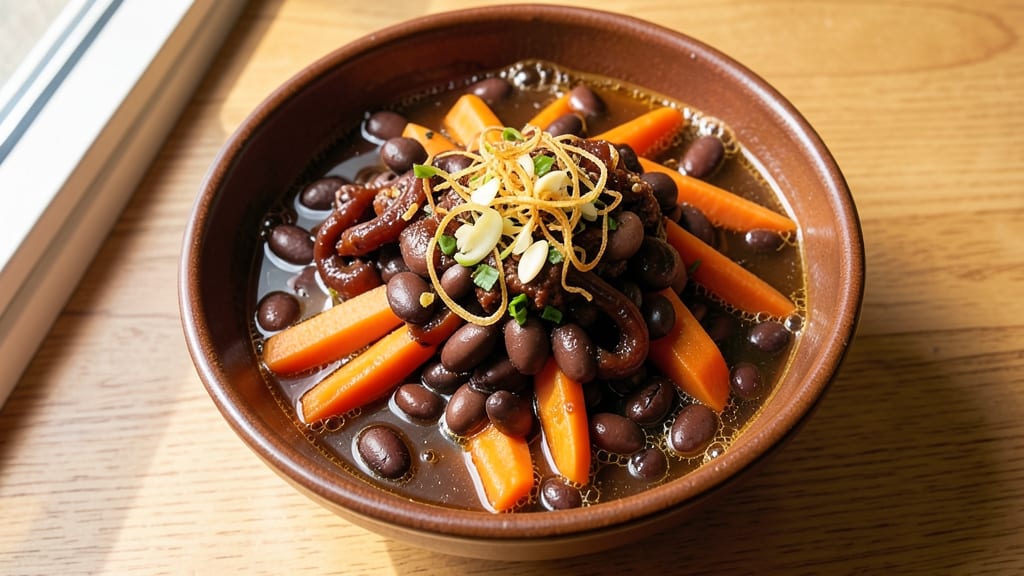
This bean paste stew recipe transforms simple ingredients into a deeply umami-rich simmer that rivals restaurant-quality versions. The secret lies in fermented bean paste—whether miso, doubanjiang, or a homemade blend—which builds layers of savory complexity as it melds with tender beans and aromatic vegetables over hours of gentle cooking.
I developed this recipe after years of experimenting with slow-simmered legume dishes, and the result is a velvety, silky-textured stew that’s both hearty and elegant.
The beauty of this dish is its versatility—it works equally well as a vegetarian main course or a flavorful side.
Start with a rich broth base (vegetable or chicken), then deepen the flavor by sautéing garlic, ginger, and bean paste until fragrant before adding beans and seasonal vegetables like carrots, mushrooms, or leafy greens.
The longer it simmers, the more the paste’s fermented notes develop, creating a smooth, cohesive sauce that coats every ingredient.
What makes this stew truly special is its textural contrast: tender beans, crisp-tender vegetables, and a sauce that thickens just enough to cling to each bite. The aroma alone—warm, earthy, with hints of fermented depth—will have everyone gathered around the table.
Serve with steamed rice or crusty bread to soak up every last drop of that umami-packed goodness.
This recipe scales beautifully for crowds, reheats wonderfully, and keeps well in the fridge for up to five days. Whether you’re recreating a traditional dish or putting your own spin on it, the key is patience—letting the flavors meld and deepen over time. Let’s get cooking!
Ingredients for bean paste stew
Fermented depth meets silky legume texture in this umami-packed vegetarian bean paste stew.
| Ingredient | Amount | Notes |
|---|---|---|
| Vegetable Broth 💧 | 4 cups | Homemade or quality low-sodium store-bought |
| Dried Navy Beans 🌱 | 1 ½ cups | Soaked overnight or quick-soaked |
| Doubanjiang Bean Paste 🌶️ | 2 tbsp | Fermented chili bean paste, or substitute miso |
| Fresh Ginger 🌿 | 1 tbsp | Grated, peeled, fresh preferred |
| Garlic Cloves 🧄 | 6 cloves | Minced, fresh preferred |
| Carrots 🥕 | 1 lb | Medium-sized, peeled, sliced into rounds |
| Shiitake Mushrooms 🍄 | 8 whole | Stemmed, fresh or rehydrated dried |
| Baby Bok Choy 🥬 | 2 whole | Or sub baby spinach, chopped |
| Sesame Oil 🫒 | 1 tbsp | Toasted, for finishing |
| Dark Soy Sauce 🥄 | 2 tbsp | For depth and color |
| Rice Vinegar 🍶 | 1 tbsp | Balances richness |
| Sesame Seeds 🌰 | 1 tsp | Toasted, for garnish |
| Diamond Crystal Kosher Salt 🧂 | 1 tsp | Adjust to taste |
| White Pepper 🌶️ | ¼ tsp | Freshly ground for finish |
The bean paste is non-negotiable—doubanjiang delivers that signature fermented heat, while miso offers a milder umami punch. For authentic flavor, source doubanjiang from Asian markets (look for Lee Kum Kee or Hainan brands) or make your own by fermenting soybeans. Fresh ginger and garlic should be vibrant and pungent; Wilton's organic ginger from the produce section works well. The shiitake mushrooms add meaty texture—fresh ones have the most depth, but dried rehydrate perfectly for convenience. Baby bok choy keeps the dish vibrant, but spinach or napa cabbage work equally well when wilted at the end. Sesame oil should be toasted, not the flavored kind—Kadoya brand is a reliable choice.
No doubanjiang? Miso paste plus a pinch of chili flakes gets you close, though texture will differ. Vegetable broth can be swapped for mushroom broth for extra umami, but avoid chicken broth to maintain vegetarian integrity. Carrots can be subbed with parsnips or daikon radish for different sweetness levels. Sesame seeds are optional but add beautiful crunch—toast them in a dry pan for 30 seconds to deepen flavor. The dark soy sauce is crucial for that restaurant-quality color; Lee Kum Kee is widely available and reliable. Rice vinegar balances the richness—sub apple cider vinegar if needed, but taste first.
Beans should soak 8+ hours for best texture, or quick-soak by boiling 2 minutes, then resting 1 hour. Doubanjiang and ginger can be prepped ahead and stored in the fridge for up to 3 days in an airtight container. The stew develops deeper flavor when reheated—simmer uncovered for 10-15 minutes to thicken the sauce. Portion into glass containers for storage; keeps 5 days refrigerated or 3 months frozen. Freeze in single portions for easy lunches, and always reserve 1/2 cup broth before freezing to maintain texture when reheating.
Why You'll Love This Recipe
- One-Pot Magic: I swear by this for nights when I’m too tired to wash extra bowls—just toss everything in one pot, simmer, and walk away. The navy beans soften while the doubanjiang deepens in flavor, no stirring required.
- Umami Bomb: That fermented bean paste? It’s where the magic happens. The moment it hits the broth with garlic and ginger, the kitchen smells like a little slice of Sichuan heaven—rich, smoky, and just a little funky in the best way.
- Meal Prep MVP: Between us, this stew tastes better the next day. I make a big batch on Sundays, and by Wednesday, it’s the cozy meal I didn’t know I needed—no reheating tricks, just pure comfort.
- Budget Win: Dried beans and a tiny bit of doubanjiang stretch this into four hearty servings for pennies. Honestly, it’s the kind of recipe that makes me feel like I’m feeding a crowd without breaking the bank.
Step-by-step instructions for bean paste stew
Master this umami-rich technique for velvety navy beans and layered flavors.
Prepare the Beans and Aromatics
Sort through the 1.5 cups dried navy beans and rinse thoroughly under cold water to remove any debris. Place them in a large bowl and cover with plenty of fresh water—at least 8 cups—then let them soak for 8 hours or overnight. This extended soak ensures the beans cook evenly and develop their signature silky texture.
While the beans soak, peel and finely grate the 1 tablespoon fresh ginger, then mince the 6 cloves garlic into a paste using the flat side of your knife. These aromatics form the flavor foundation, so take your time to achieve an even, fine texture. Set them aside until needed—this prep prevents flavor clumping during cooking.
Build the Stew Base
Drain the soaked navy beans and transfer them to a large, heavy-bottomed pot. Add the 4 cups vegetable broth, bringing the mixture to a gentle boil over medium-high heat. Once boiling, reduce heat to medium-low and let the beans simmer uncovered for 45 minutes, skimming off any foam that rises to the surface. This initial simmer breaks down the beans' skins and begins softening their firm texture.
After 45 minutes, stir in the 2 tablespoons doubanjiang bean paste, 1 tablespoon grated ginger, and 6 cloves minced garlic. The doubanjiang will darken the broth and infuse it with fermented chili depth. Let the mixture simmer for another 15 minutes, stirring occasionally, until the beans are tender but still hold their shape—they should be fork-tender but not mushy.
Add Vegetables and Season
Peel and slice the 1 lb carrots into ¼-inch rounds, then stem and halve the 8 whole shiitake mushrooms. Add these to the pot along with the 2 tablespoons dark soy sauce and 1 teaspoon diamond crystal kosher salt. The dark soy sauce will deepen the stew's color and add a savory richness. Simmer for 10 minutes, stirring occasionally, until the carrots are fork-tender and the mushrooms have softened.
In a small bowl, whisk together the 1 tablespoon rice vinegar and 1 tablespoon sesame oil. After the vegetables have cooked for 5 minutes, pour this mixture into the pot and stir gently. The vinegar brightens the dish, while the sesame oil adds a nutty aroma. Taste and adjust seasoning—you may need an additional pinch of salt or a splash more rice vinegar to balance the flavors.
Finish and Serve
Chop the 2 whole baby bok choy into bite-sized pieces and add them to the pot. Simmer for another 5 minutes until the greens are bright and just wilted. Remove the pot from heat and let the stew rest for 5 minutes, allowing the flavors to meld. This resting period ensures the beans absorb the broth fully, intensifying their natural sweetness.
Before serving, sprinkle each bowl with 1 teaspoon toasted sesame seeds and a final grind of 0.25 teaspoon freshly ground white pepper. The sesame seeds add texture, while the white pepper provides a subtle, aromatic finish. Serve the stew immediately, as its flavors continue to develop even after cooking. Pair with steamed jasmine rice to soak up every last drop of the umami-rich broth.
Pro Tips For Making Bean Paste Stew
- SOAK BEANS TWICE: I learned this the hard way—skipping the second soak leaves navy beans undercooked no matter how long you simmer. First soak in cold water for 4 hours (or overnight), then drain and give them a fresh 20-minute soak in hot water before cooking. The hot soak softens them faster and cuts down on cooking time by 20-30 minutes.
- FRY DOUBANJIANG LOW: After burning three batches of doubanjiang, I finally figured out: low heat only. Stir-fry the bean paste in a dry pan for 2-3 minutes on medium-low, just until the oil starts to separate and the paste darkens slightly. High heat turns it bitter—this is the thing that matters most for that deep, smoky flavor.
- CRUSH GINGER COARSELY: Sounds weird, but it works: chop your ginger into ¼-inch chunks instead of mincing it. The bigger pieces infuse the broth without turning it into a ginger slurry. You’ll taste the warmth without the risk of a muddy stew—especially important since doubanjiang already packs a punch.
- SALT THE BROTH LATE: My grandmother swore by this, and she was right: wait until the beans are almost tender before adding salt. Navy beans absorb liquid like sponges, and salting too early makes them tough. Taste the broth at the 1-hour mark—add salt then, and adjust after another 20 minutes. Your future self will thank you.
Flavor customization for this bean paste stew
Spice Level Control
Adjust the heat to your preference by modifying the doubanjiang quantity. For mild flavor, use just 1 tbsp and add ½ tsp chili flakes later. For medium heat, stick to the recipe’s 2 tbsp doubanjiang.
For spicy, increase to 3 tbsp and add 1 tsp gochugaru (Korean chili flakes) when serving. I like toasting the chili flakes in a dry pan for 30 seconds to deepen their aroma before adding. 🌶️
Sweet-Savory Balance
Add natural sweetness with 1 tbsp honey or maple syrup during the final 10 minutes of simmering to complement the umami. For a caramelized touch, thinly slice ½ cup daikon radish and cook it with the carrots.
The sweetness in radish enhances the bean paste’s depth, especially when paired with the dark soy sauce’s richness. Taste as you go—balance is key!
Umami Boosters
Elevate the depth with 1 tbsp fish sauce (for non-vegetarian) or 1 tsp soy sauce (for vegetarian). For extra umami, add 2 dried shiitake mushrooms to the broth while simmering.
I also love stirring in 1 tsp nutritional yeast during the last 5 minutes—it adds a cheesy, savory note without dairy. The sesame oil finish ties everything together with its nutty punch. 💫
Herb Variations
Swap out baby bok choy for cilantro or thyme to change the profile. Add 2 sprigs fresh thyme with the carrots for an earthy note, or toss in ¼ cup chopped cilantro at the end for brightness.
For a Mediterranean twist, include 1 tsp dried oregano with the bean paste. Fresh herbs should always be added last to preserve their vibrant flavor.
Texture Contrasts
Add crunch with toasted nuts: sprinkle 1 tbsp chopped peanuts or walnuts on top before serving. For creamy contrast, stir in 2 tbsp coconut milk during the final 5 minutes of simmering.
The richness balances the stew’s earthiness, especially when paired with toasted sesame seeds and white pepper. Texture is just as important as flavor in this dish!
Nutrition facts
Frequently asked questions
What makes this bean paste stew different from regular bean stew?
The fermented bean paste—whether doubanjiang or miso—creates a deep, complex umami flavor that regular bean stews lack. The slow simmering process (over 1.5 hours) allows the paste's fermented notes to meld with the beans, creating a velvety sauce rather than just a simple broth. Plus, the aromatic blend of ginger, garlic, and dark soy sauce adds layers of savory depth that elevate it beyond basic bean dishes.
Can I use canned beans instead of dried for this recipe?
You can, but the texture won't be as luxurious! Canned beans are pre-cooked and often mushy when simmered long. For best results, use 1 (15 oz) can of navy beans (drained and rinsed) and reduce the simmering time to 30 minutes after adding the paste. The flavor will still be great, but the beans won't have that signature silky texture. If you're short on time, this is a good shortcut, though.
How do I adjust this recipe for a spicier version?
Increase the doubanjiang to 3 tbsp and add 1 tsp gochugaru (Korean chili flakes) during the last 5 minutes of cooking. For extra heat, stir in ½ tsp sriracha or 1 tsp chili crisp when serving. Toast the chili flakes in a dry pan for 30 seconds first to deepen their aroma—this makes all the difference!
Can I make this stew in an Instant Pot or pressure cooker?
Yes! Use the high pressure setting for 20 minutes after adding the bean paste, then quick-release the pressure. Add vegetables in the last 5 minutes of cooking (instead of simmering separately) to prevent overcooking. The texture will be slightly different—beans will be softer—but the flavor will still be rich and satisfying. Just reduce the final simmer time to 10 minutes after pressure cooking.
What's the best way to store and reheat leftovers?
Store in an airtight container in the fridge for up to 5 days or freeze for 3 months. To reheat, simmer on the stovetop over medium-low heat for 10-15 minutes until heated through. For extra richness, add 1-2 tbsp water or broth while reheating. The flavors actually deepen when reheated—perfect for meal prep!