
Sauces & Condiments
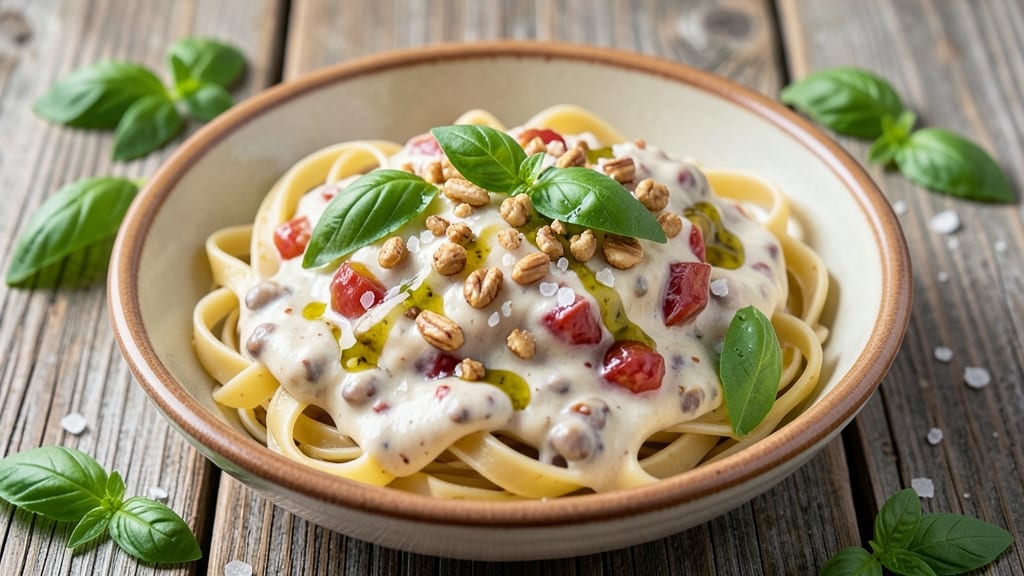
This bean pasta sauce recipe transforms humble ingredients into a rich, umami-packed sauce that elevates any pasta dish with deep tomato flavor and earthy bean complexity.
The secret lies in simmering canned beans with crushed tomatoes, garlic, and aromatic herbs until the flavors meld into a velvety, versatile sauce—no blending required for that rustic texture.
I developed this recipe after craving a hearty, plant-based sauce that could stand up to al dente pasta without overpowering it, and it’s become a staple in my kitchen for its ability to deliver restaurant-quality depth with minimal effort.
The beauty of this sauce is its simplicity and adaptability—just four core ingredients (beans, tomatoes, broth, and herbs) create a flavor foundation that’s both comforting and sophisticated.
Unlike many bean-based sauces, this one relies on slow simmering to develop its depth, allowing the natural sweetness of the beans to caramelize while the tomatoes break down into a luscious, earthy-tangy base. The result is a sauce that clings beautifully to pasta, offering a satisfying bite with every forkful.
What sets this bean pasta sauce apart is its versatility—use it as a standalone sauce for your favorite pasta shape, or let it shine as a flavorful base for hearty dishes like baked beans or even as a dip for crusty bread.
The sauce thickens naturally as it simmers, creating a silky yet textured consistency that’s far from mushy or watery. With just 30 minutes of active time and a few pantry staples, you’ll have a sauce that’s as impressive as it is easy to make.
Perfect for meal preppers, this sauce keeps well in the refrigerator for up to 5 days and freezes beautifully for up to 3 months, making it an ideal addition to your weekly cooking routine.
Whether you’re serving it over spaghetti, tossing it with roasted vegetables, or using it as a filling for stuffed shells, this bean pasta sauce delivers bold, satisfying flavor with every spoonful.
Ingredients for bean pasta sauce
Four core ingredients transform into a velvety, umami-rich sauce that clings beautifully to pasta.
| Ingredient | Amount | Notes |
|---|---|---|
| Canned White Beans 🫘 | 2 cups | Drained and rinsed, any variety |
| Crushed Tomatoes 🍅 | 2 cups | San Marzano preferred for sweetness |
| Vegetable Broth 💧 | 1 cup | Low-sodium for flavor balance |
| Garlic Cloves 🧄 | 4 cloves | Minced for aromatic depth |
| Extra-Virgin Olive Oil 🫒 | ¼ cup | For richness and balance |
| Dried Oregano 🍃 | 1 tsp | Mexican oregano for authentic flavor |
| Dried Basil 🌿 | ½ tsp | Or 1 tbsp fresh basil |
| Red Pepper Flakes 🌶️ | ½ tsp | Adjust for heat preference |
| Sea Salt 🧂 | 1 tsp | Diamond Crystal preferred |
| Balsamic Vinegar 🍷 | 1 tbsp | For depth and tang |
The beans are the flavor foundation—cannellini or great northern work best for their creamy texture, but don't stress if you've only got white beans. Trader Joe's has the best canned options, but any low-sodium variety will do. The crushed tomatoes? San Marzano is ideal for its sweetness, but Muir Glen is a solid budget pick. Look for cans without added salt—the sauce will be rich enough without it. Garlic is non-negotiable here; freshly minced makes all the difference, though pre-minced in a jar works in a pinch.
No vegetable broth? Water plus 1 tsp bouillon powder gets you close. Fresh herbs are ideal, but dried oregano and basil work perfectly at the amounts listed—just make sure they're not ancient. The red pepper flakes can be swapped for crushed cayenne if you want more heat, or omit entirely for a milder sauce. Balsamic vinegar adds that restaurant-quality depth—aged balsamic is best, but regular works fine too. Want more umami? Add 1 tsp soy sauce or miso paste to the simmering sauce.
This sauce thickens as it cooks, so no need to worry about consistency. Store in an airtight container in the fridge for up to 5 days, or freeze for 3 months—it reheats beautifully. I always make a double batch; the extra sauce is perfect for stuffed shells or as a dip with crusty bread. To reheat, just warm gently on the stove with a splash of water or broth to loosen it up.
Why You'll Love This Recipe
- Pantry Magic: There’s no shopping list panic here—just open a can of white beans, grab crushed tomatoes, and you’re halfway there. Honestly, I keep this combo on speed dial because it never fails me.
- Garlic Bomb: That first sizzle of garlic in olive oil? Pure flavor payoff. The crushed tomatoes mellow it out just enough to let the beans shine—creamy, rich, and with a little kick that makes it unforgettable.
- Double Duty Sauce: Toss it with pasta for dinner, but also? Slather it on toast with a sprinkle of cheese for brunch the next day. My kids even ask for it cold in sandwiches—yes, really.
- Budget Hero: A single can of beans and a jar of tomatoes stretch this sauce across three meals with zero waste. I’ll be real: it’s my go-to when groceries are tight, but somehow it still feels like a treat.
Step-by-Step instructions for bean pasta sauce
This umami-packed sauce comes together in minutes with simple ingredients you likely already have.
Sauté the Garlic in Olive Oil
Heat the 0.25 cup extra-virgin olive oil in a medium saucepan over medium-low heat. Add the 4 minced garlic cloves and cook for 1-2 minutes until they're fragrant but not browned. This step builds the aromatic foundation—don't rush it, or you'll burn the garlic and create bitterness. The oil should shimmer gently around the garlic, signaling it's ready for the next ingredient.
Here's the thing—garlic burns faster than you think. I like to stir constantly during this first minute, then reduce to gentle stirring until the garlic softens. If your pan is too hot, the garlic will darken quickly and develop a harsh flavor that overpowers the delicate tomato base we're building.
Add Tomatoes and Simmer
Pour in the 2 cups crushed tomatoes and stir to combine with the garlic. Add the 1 tsp dried oregano, 0.5 tsp dried basil, 0.5 tsp red pepper flakes, and 1 tsp sea salt. Bring the mixture to a gentle simmer over medium heat, then reduce to low heat. Let it cook uncovered for 10-12 minutes, stirring occasionally, until the sauce thickens slightly and the raw tomato flavor mellows.
This simmering time is crucial for developing depth. You'll notice the sauce darken and reduce as moisture evaporates. The tomatoes should break down enough to create a velvety texture, but you shouldn't see the pan completely dry out. If it reduces too quickly, add 1-2 tablespoons of vegetable broth to maintain balance.
Incorporate the Beans and Broth
Add the 2 cups drained and rinsed canned white beans and the 1 cup vegetable broth. Stir well to combine, then increase heat to medium. Let the sauce bubble gently for 5 minutes, stirring occasionally, until the beans are heated through and the flavors meld together. The beans will break down slightly, releasing their starchy goodness that helps thicken the sauce naturally.
This is where the magic happens—the beans transform from simple protein to flavor carriers. You'll see the sauce become thicker and more cohesive as the beans release their natural pectin. The broth helps balance the acidity from the tomatoes while adding body. If the sauce seems too thick at this point, add another 1-2 tablespoons of broth to reach your desired consistency.
Finish with Balsamic Vinegar
Remove the sauce from heat and stir in the 1 tablespoon balsamic vinegar. Let it sit off the heat for 2-3 minutes to allow the flavors to marry. The vinegar adds a subtle tang that cuts through the richness of the beans and tomatoes, creating that perfect balance of sweet, savory, and acidic notes. Taste and adjust seasoning if needed—you might want to add a pinch more salt or red pepper flakes to suit your preference.
Real talk: this is the moment where the sauce comes together. The balsamic vinegar might seem like an afterthought, but it's what elevates this simple bean sauce from ordinary to extraordinary. Let it infuse completely before serving—don't rush this final step. The sauce will continue to develop flavor as it sits, so if you're preparing it ahead of time, let it cool completely and store it in the refrigerator for up to 3 days.
Serve Over Pasta
Return the sauce to low heat just before serving and stir in enough pasta water (about ½ cup) to loosen it to your desired consistency. This final adjustment ensures the sauce clings beautifully to every strand of pasta. Serve immediately over cooked pasta, reserving some pasta water to adjust consistency if needed. The sauce should coat the pasta completely with a glossy sheen, not pool at the bottom of the plate.
Each bite should deliver a perfect balance of creamy beans, sweet tomatoes, and aromatic herbs. The sauce works equally well over penne, spaghetti, or farfalle, but I prefer rigatoni for its ability to hold the chunky bean-tomato mixture. For extra richness, top with grated Pecorino Romano or fresh basil leaves just before serving.
Pro Tips For Making Bean Pasta Sauce
- Crush Your Garlic First: Toss those cloves into the oil before adding crushed tomatoes—this way, they cook gently without burning. I used to add them later and always ended up with bitter, browned bits that ruined the whole sauce.
- Simmer, Don’t Boil: Keep the heat low enough to see tiny bubbles, not rolling waves. High heat turns your beans mushy and the tomatoes mealy—this sauce is about texture, not speed.
- Drain and Rinse the Beans: Skip the salted canned beans’ brine—it throws off the balance of your sauce. Rinse them well, then pat dry with a towel to keep the sauce from turning watery.
- Toast the Tomatoes: Cook the crushed tomatoes in olive oil for 3–4 minutes before adding broth. The caramelized edges add depth—it’s the thing that makes this sauce taste like it simmered for hours, not 20 minutes.
Best sauces and condiments for this recipe
Creamy Garlic White Sauce
Blend ½ cup silken tofu with ¼ cup olive oil, 3 minced garlic cloves, 1 tbsp lemon juice, and ½ tsp salt until smooth. Stir this into your finished bean sauce just before serving for a luxurious, velvety texture.
The tofu adds protein and creaminess without overpowering the bean-tomato base. I love this variation when serving over fettuccine or tagliatelle. 🥣
Spicy Arrabbiata Twist
Add 1 tbsp Calabrian chili paste when simmering the tomatoes, then finish with 1 tbsp fresh basil and ½ tsp smoked paprika. This Italian-inspired version delivers serious heat balanced by smoky depth.
For extra richness, stir in 2 tbsp tomato paste with the chili paste. Serve with spicy rigatoni or toss with grilled chicken for a complete meal. 🌶️
Smoky Chipotle Lime
Infuse 1 cup vegetable broth with 1 chipotle pepper in adobo and 1 lime zest while heating. Use this instead of plain broth in Step 3, then finish with 1 tbsp fresh cilantro and 1 tsp lime juice.
The smoky, citrusy notes create a complex flavor profile perfect for corn tortillas or tortellini. This version works beautifully with black beans instead of white for extra heartiness. 🍋
Herb-Infused Olive Oil
Before Step 1, heat ¼ cup olive oil with 1 tbsp fresh rosemary, 1 tbsp fresh thyme, and 2 garlic cloves until fragrant. Strain and use this infused oil instead of plain olive oil.
The herbal notes add sophisticated depth that pairs wonderfully with penne pasta or roasted vegetables. Store the remaining infused oil in the fridge for up to 1 week. ✨
Creamy Mushroom Addition
Sauté 1 cup sliced mushrooms with the garlic in Step 1, then proceed with the recipe. The mushrooms add an earthy umami richness that complements the beans beautifully.
For extra depth, add 1 tsp soy sauce when simmering the tomatoes. This variation works exceptionally well with wild rice pasta or barley for a heartier dish. 🍄
Sweet and Tangy BBQ Glaze
Mix 2 tbsp BBQ sauce (like Sweet Baby Ray's) with 1 tbsp maple syrup and 1 tsp apple cider vinegar. Stir this into the finished sauce and simmer for 5 minutes to meld flavors.
The sweet-tangy glaze adds a fun twist that pairs perfectly with baked beans-style dishes or as a dipping sauce for fried plantains. 🍯
Nutrition facts
Frequently asked questions
Can I use any type of bean in this sauce?
White beans (cannellini or great northern) work best for their creamy texture, but you can experiment with chickpeas or black beans for different flavors. Just note that darker beans may change the sauce's color slightly.
How do I adjust the thickness of the sauce?
Simmer longer for thicker sauce or add 1-2 tablespoons of vegetable broth if it gets too thick. For extra creaminess, stir in ½ cup pasta water just before serving. The sauce should coat the back of a spoon without being gluey.
Can I make this sauce ahead of time?
Store in an airtight container in the fridge for up to 5 days or freeze for 3 months. Reheat gently on low heat, adding a splash of broth or water if needed. The flavors actually improve overnight as they meld together.
What pasta shapes work best with this sauce?
This sauce clings beautifully to rigatoni, penne, or fettuccine with their ridges and grooves. For extra fun, try tossing with farfalle or shells—the sauce will nestle perfectly in their crevices.
Why does my sauce taste too acidic?
This often happens if the tomatoes are too fresh or the balsamic vinegar wasn't infused long enough. Balance it by adding ½ tsp sugar or 1 tsp maple syrup to mellow the acidity. For future batches, use San Marzano tomatoes for their natural sweetness.