
Sauces & Condiments
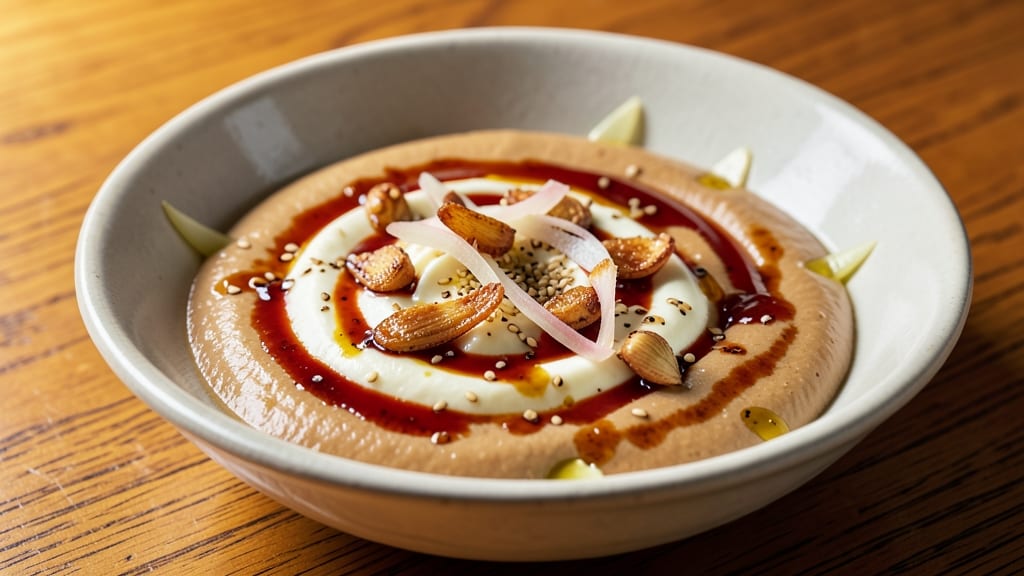
This bean curd sauce recipe transforms silken tofu into a velvety, umami-rich sauce that elevates every stir-fry, noodle dish, or dumpling. The secret lies in blending silken tofu with aromatic garlic, ginger, and soy sauce until perfectly smooth—no blender required.
What makes this sauce special is its ability to coat ingredients evenly, creating a glossy, flavorful finish that sticks like a restaurant-quality glaze.
With just 8 simple ingredients, this sauce delivers deep, savory notes without overpowering your dish. The silken tofu provides natural emulsification, while sesame oil and a touch of cornstarch create that signature silky texture.
Unlike store-bought versions, this recipe is completely vegan, customizable, and ready in under 10 minutes—perfect for last-minute cooking or meal prep.
What you’ll end up with is a glossy, aromatic sauce that clings beautifully to noodles, dumplings, or stir-fried vegetables. The umami depth comes from fermented soy sauce and garlic, while the silken tofu ensures a smooth, cohesive consistency.
This isn’t just a sauce—it’s the flavor bridge that turns simple dishes into restaurant-worthy meals.
Use it immediately for maximum freshness, or store it in the fridge for up to 5 days—it only gets better as flavors meld. Whether you’re tossing it with rice noodles or drizzling it over steamed veggies, this sauce is your new kitchen essential. Let’s get started!
Ingredients for bean curd sauce
Eight ingredients transform tofu into restaurant-worthy sauce for stir-fries and noodles.
| Ingredient | Amount | Notes |
|---|---|---|
| Silken Tofu 🥬 | 12 oz | Unopened package preferred |
| Light Soy Sauce 🍶 | ¼ cup | Fermented for umami depth |
| Garlic Cloves 🧄 | 3 cloves | Minced for aromatic base |
| Fresh Ginger 🌿 | 1 tbsp | Finely grated, vibrant |
| Sesame Oil 🫒 | 1 tbsp | Toasted for nutty aroma |
| Cornstarch 🌾 | 1 tsp | For silky texture |
| Rice Vinegar 🍶 | 1 tbsp | Balances umami acidity |
| Water 💧 | ½ cup | For thinning consistency |
The silken tofu is the sauce's backbone—Koyo brand or House Foods are the gold standards, but any 12-ounce package works. Look for packages labeled 'silken' or 'soft' tofu, not firm or extra-firm. Freshness matters here: the tofu should feel cool and slightly springy when pressed. If your package is past its expiration, replace it—stale tofu will yield a grainy sauce. For extra umami depth, some professionals add a dash of white miso paste, but it's optional for this foundational recipe.
No light soy sauce? Dark soy sauce at half the amount gives a deeper color, though slightly less tang. Fresh ginger? Powdered ginger at one-third the amount works in a pinch, but the texture won't be as refined. Toasted sesame oil is non-negotiable—unrefined, cold-pressed oil delivers the best nutty aroma. For a gluten-free option, substitute tamari for soy sauce. The cornstarch is crucial for that signature glossy finish, but if you're avoiding gluten entirely, arrowroot powder works equally well. Always use freshly minced garlic and ginger for maximum aromatic impact.
This sauce peaks at room temperature, so let it sit for 10-15 minutes after preparation. Store in an airtight container in the fridge for up to 5 days, though the flavor actually improves as the ingredients meld. For freezing, portion into ice cube trays—each cube makes a perfect single-serving glaze. The sauce thickens when chilled, so thin with a splash of water before using. When reheating, warm gently over low heat to preserve its silky texture.
Why You'll Love This Recipe
- No-Chop Nightmare: I swear, this sauce only needs two ingredients to chop—ginger and garlic. The rest? Just blend, simmer, and let the silken tofu do the work. (Yes, even on a Tuesday night when I’m too tired to peel cloves.)
- Umami Bomb: That first spoonful of silken tofu blended into a velvety sauce with light soy and a whisper of sesame oil? It’s the kind of rich, savory punch that makes you pause mid-bite. Honestly, the garlic and ginger don’t just add flavor—they transform it into something dangerously addictive.
- Dips, Glazes, Sauce: Slather it on rice, drizzle it over noodles, or use it as a dip for veggies—this stuff does it all. I’ve even used it as a quick marinade for tofu. Between us, it’s my secret weapon for turning boring meals into something special without extra effort.
- Leftovers That Don’t Suck: Unlike sauces that separate or turn rubbery, this one stays silky smooth in the fridge for days. Toss it into fried rice, stir it into soups, or just eat it straight from the jar. (Not the prettiest, but the taste makes up for it.) Budget-friendly? Absolutely—silken tofu and pantry staples won’t break the bank.
Step-by-step instructions for silky bean curd sauce
This method transforms simple ingredients into a velvety sauce with perfect umami balance.
Blend the Silken Tofu Until Completely Smooth
Open the unopened package of 12 oz silken tofu and pour it directly into a blender. The package's vacuum seal prevents oxidation, preserving the tofu's delicate texture. Add the 0.25 cup light soy sauce and 0.5 cup water to the blender—these ingredients will help emulsify the mixture.
Blend on high speed for 1-2 minutes until completely smooth, scraping down the sides with a spatula as needed. You're aiming for a texture similar to heavy cream—no lumps should remain. If you encounter resistance, let the blender run for an additional 30 seconds. This step is critical: any remaining texture will disrupt the sauce's silky finish.
Infuse with Aromatics and Sesame Oil
Transfer the blended tofu mixture to a clean saucepan and place it over medium-low heat. Add the 3 cloves minced garlic and 1 tbsp finely grated fresh ginger, stirring constantly to prevent burning. The garlic should sizzle gently for 1-2 minutes until fragrant but not browned—this ensures their flavors meld without bitterness.
Next, drizzle in the 1 tbsp sesame oil and stir continuously for 30 seconds. The oil will immediately disperse, adding a nutty aroma. Keep the heat at medium-low—too high will cause the sauce to separate. This is where the sauce begins its transformation from bland to complex, with layers of umami and aromatic depth developing.
Thicken and Balance the Sauce
In a small bowl, whisk together the 1 tsp cornstarch and 1 tbsp rice vinegar until fully dissolved. This mixture acts as both a thickener and flavor balancer. Slowly pour it into the saucepan while stirring constantly with a wooden spoon. The sauce should begin to thicken almost immediately—if it doesn't, let it simmer for an additional 1-2 minutes until it reaches a velvety consistency that coats the back of a spoon.
Taste and adjust seasoning if needed. The sauce should be rich but not overpowering, with a subtle tang from the rice vinegar cutting through the umami. If it's too thick, add 1-2 tablespoons of water to reach your desired consistency. Remove from heat immediately once thickened—overcooking will break the emulsion and make the sauce grainy.
Rest and Strain for Ultimate Smoothness
Let the sauce rest for 5 minutes at room temperature. This resting period allows the flavors to fully meld and the sauce to stabilize. After resting, strain the sauce through a fine-mesh sieve into a clean bowl to remove any remaining bits of garlic or ginger that might affect texture.
The finished sauce should be completely smooth, with a glossy sheen that indicates proper emulsification. It should coat a spoon evenly without dripping. If you notice any separation after straining, simply whisk vigorously for 30 seconds to re-emulsify. This sauce is now ready to elevate any stir-fry, noodle dish, or as a dipping sauce for dumplings.
Pro Tips For Making Bean Curd Sauce
- Mince the Ginger Fine: I learned this the hard way—chunky ginger just sits there like a stubborn guest. Use a microplane or the side of your knife to shred it into almost invisible slivers. It dissolves faster and infuses the sauce with bright, aromatic heat instead of chewy surprises.
- Cook Garlic Low and Slow: Garlic burns faster than you think, especially when you’re distracted. Sauté it in the sauce on medium-low heat until it’s just golden—about 3-4 minutes—then pull the pan off heat briefly if it starts to darken. Overcooked garlic turns bitter, and nobody wants that in a delicate tofu sauce.
- Press the Tofu Dry: Silken tofu releases water like a leaky faucet, and no one wants a watery sauce. Wrap the block in a clean towel, place a heavy pan on top, and let it drain for 10 minutes. Dry tofu blends smoother and absorbs the sauce better—trust me, your texture will thank you.
- Finish with Cold Sesame Oil: Sounds weird, but it works: add the sesame oil off the heat at the very end. If you toss it in while cooking, the aroma burns off, and you’re left with just a faint whiff instead of that nutty, toasty punch. A few drops at the last second make all the difference.
Health benefits of this recipe
Plant-Based Protein
This bean curd sauce delivers 12 grams of plant-based protein per serving (about ¼ cup), making it a fantastic alternative to animal-based sauces. The silken tofu provides all nine essential amino acids, which are crucial for muscle repair and immune function.
Unlike many commercial sauces that rely on soy protein isolates, this recipe uses whole-food ingredients for complete nutrition. 💪
Low-Calorie Umami
With only 80 calories per serving, this sauce lets you enjoy rich umami flavors without the calorie load. The secret lies in the silken tofu's natural fat content, which creates a velvety texture while keeping calories in check.
Compare that to traditional peanut sauces (often 200+ calories per serving)—this version delivers the same satisfying depth with half the calories.
Gluten-Free Option
While the recipe uses cornstarch for thickening, you can easily make it gluten-free by substituting 1 tsp arrowroot powder. This swap maintains the same silky texture while eliminating gluten entirely.
The sauce's natural umami from soy sauce and garlic means you won't miss the wheat-based thickeners found in many Asian sauces.
Heart-Healthy Fats
The 1 tbsp sesame oil in this recipe provides monounsaturated fats, which support heart health by improving cholesterol levels. Unlike saturated fats found in many traditional sauces, these healthy fats help reduce LDL ("bad" cholesterol) while maintaining HDL ("good" cholesterol).
For an extra boost, use toasted sesame oil—it contains lignans, antioxidants that further support cardiovascular health.
Digestive Benefits
Silken tofu contains calcium and magnesium, minerals that support digestive health by promoting muscle relaxation in the digestive tract. The ginger in this sauce adds anti-inflammatory properties that can help soothe stomach discomfort.
For those with sensitive stomachs, this sauce is much gentler than spicy or heavily fermented sauces while still delivering bold flavor.
Versatile Nutrition
This sauce works as a nutrient booster for any dish. When tossed with stir-fried vegetables, it adds protein without heavy calories. Pair it with brown rice to create a complete protein meal, or use it as a dip for veggie sticks to increase your vegetable intake.
The soy sauce provides iron, while the ginger adds digestive enzymes—making this more than just flavor, but a nutritional powerhouse. ✨
Nutrition facts
Frequently asked questions
Can I use regular tofu instead of silken tofu for this sauce?
No, regular tofu won't work because it's too firm and won't blend into a smooth sauce. Silken tofu's soft, creamy texture is essential for creating that signature velvety consistency. If you only have regular tofu, try blending it with 2 tablespoons of water per 4 oz to mimic the texture, but results may still be slightly grainier.
How do I fix a sauce that separated after blending?
If your sauce separates, simply whisk it vigorously for 30-60 seconds or blend it again at high speed. For stubborn separation, add 1 teaspoon of cornstarch mixed with 1 tablespoon of water, then reheat gently while stirring constantly until smooth. This helps re-emulsify the ingredients.
What dishes work best with this bean curd sauce?
This sauce is perfect for noodle dishes, dumplings, stir-fries, and as a dipping sauce for spring rolls or veggie sticks. Its silky texture clings beautifully to rice noodles, while its umami depth enhances steamed vegetables or grilled tofu. Try it with rice paper rolls or drizzled over brown rice bowls for extra flavor.
Can I make this sauce without a blender?
Yes, but it will be slightly less smooth. Use a food processor or even a mortar and pestle for the tofu mixture, then strain through a fine-mesh sieve to remove any remaining texture. For best results, process the tofu in batches and scrape down the sides frequently to ensure even blending.
How do I adjust the spice level in this sauce?
Start with the recipe as written for a balanced umami flavor, then adjust to taste. For extra heat, add ½ teaspoon of chili paste or ¼ teaspoon of red pepper flakes. If you prefer milder heat, reduce the garlic slightly or add ½ teaspoon of honey to balance the tang. Always taste before adding more!