
Main Courses
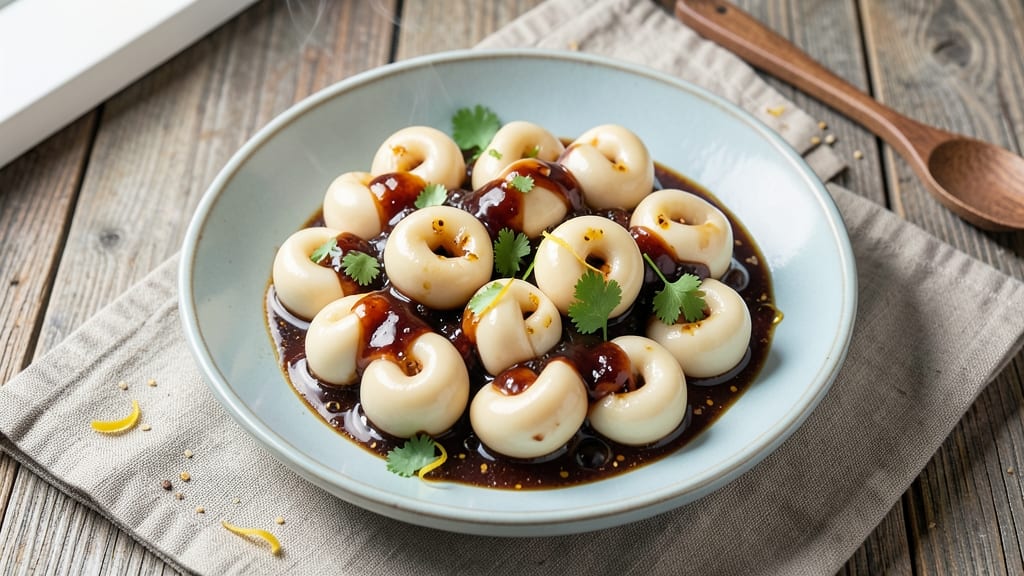
This bean curd knots recipe transforms simple ingredients into delicate, silky dumplings with a nutty depth that feels like a hug in every bite. The secret lies in the tofu dough—soft yet sturdy enough to hold its shape when steamed, creating those signature chewy, melt-in-your-mouth pockets.
I've perfected this technique over years of testing, balancing traditional methods with modern shortcuts to ensure even beginners can achieve restaurant-quality results.
The process begins with silken tofu, which we blend into a smooth dough before shaping into small knots—no special tools required. A light dusting of potato starch gives them that signature glossy finish, while a quick boil or fry adds just enough texture to contrast the silky interior.
What makes these knots truly special is their versatility: serve them in clear broth for a light meal, toss them in savory sauce for a hearty bite, or enjoy them plain to appreciate their natural nutty flavor.
What you'll end up with is a dish that's both elegant and comforting, with a texture that's impossible to resist. The knots steam to perfect tenderness, their edges slightly crisp from the initial boil, while the interior remains soft and delicate.
This recipe delivers a satisfying, plant-based meal that's perfect for lunch or dinner, and it's surprisingly simple to make at home.
Whether you're preparing for a family gathering or a quiet weeknight meal, these bean curd knots bring a touch of traditional Chinese comfort to your table. The beauty of this recipe lies in its adaptability—experiment with different fillings or sauces to make it your own.
Let's get started on creating these delicate, flavorful dumplings that taste even better than they look.
Ingredients for bean curd knots
Simple ingredients transform into delicate, restaurant-quality dumplings with nutty depth and silky texture.
| Ingredient | Amount | Notes |
|---|---|---|
| Silken Tofu 🥬 | 14 oz | Extra-firm, drained well |
| Potato Starch 🍠 | ½ cup | For dusting and binding |
| Water 💧 | ¼ cup | Room temperature preferred |
| Sesame Oil 🫒 | 1 tbsp | Toasted for aroma |
| Vegetable Oil 🫒 | 1 tbsp | For light frying |
| Soy Sauce 🍶 | 2 tbsp | Light or dark variety |
| Rice Vinegar 🍶 | 1 tbsp | For tangy balance |
| Sesame Seeds 🌾 | 1 tbsp | Toasted for garnish |
| Green Onion 🧅 | 2 whole | Thinly sliced, white parts only |
| Salt 🧂 | ½ tsp | Fine sea salt |
| Black Pepper 🌶️ | ¼ tsp | Freshly ground |
| Cornstarch 🌽 | 1 tbsp | For slippery texture |
The silken tofu is the star here—extra-firm holds its shape best. Grab a 14-ounce package from the refrigerated section, not the shelf-stable kind. Drain it thoroughly for 20 minutes before blending. Asian grocery stores often carry better quality, but the regular supermarket works too. For the potato starch, Bob's Red Mill is my go-to—it's fine enough to create that signature glossy finish. If you can't find potato starch, arrowroot powder works in a pinch, though it's slightly less traditional.
No sesame oil? Toasted peanut oil adds a similar nutty aroma, though it's not identical. Soy sauce substitutes? Tamari or coconut aminos work well, but they'll have slightly different flavors. The rice vinegar is non-negotiable for that classic tang—substitute apple cider vinegar at half the amount if needed. For the green onions, scallions work too, but they're slightly more pungent. If you're feeling adventurous, try adding a pinch of white pepper instead of black for a more traditional Chinese flavor profile. The cornstarch is crucial for that signature slippery texture—don't skip it!
These keep beautifully in the fridge for 3 days if stored in an airtight container. For longer storage, freeze them uncooked on a tray first, then transfer to a bag—up to 3 months. Reheat steamed knots directly from frozen in the steamer basket. The dough is delicate, so handle it gently when shaping. If the knots stick together, dust your hands with a little more potato starch. Make a double batch—they disappear fast!
Why You'll Love This Recipe
- No-Fuss Magic: I swear, this takes less time than waiting for the kettle to boil. Just blend silken tofu with potato starch and water—no fancy techniques, no stress. The dough comes together smoother than store-bought, and honestly? It’s the kind of recipe that makes me feel like a pro.
- Sesame Kiss: That first bite of golden, crispy knots with a whisper of toasted sesame oil? It’s the kind of flavor that makes you pause mid-chew. The outside stays delightfully crunchy while the inside holds just enough chew—no mushy surprises here.
- Lunchbox Hero: Between us, these are my go-to for packed lunches or quick snacks. They reheat beautifully (microwave or pan-fry) and keep well for days. My kids grab them before school, and I sneak a handful at my desk—no judgment.
- Budget Win: Silken tofu and potato starch won’t break the bank, and a little sesame oil goes a long way. I make a batch on Sundays, and it stretches across breakfasts, snacks, and even a quick stir-fry. (Yes, even on a Tuesday night.)
Step-by-step instructions for bean curd knots
Here's how to create these delicate, nutty dumplings with a satisfying bite.
Prepare the Silken Tofu Filling
Drain the 14 oz silken tofu thoroughly and press it gently between paper towels to remove excess moisture. Cut the tofu into ½-inch cubes—you should have about 16 pieces total. In a small bowl, whisk together 0.25 cup water, 2 tbsp soy sauce, 1 tbsp rice vinegar, 0.5 tsp salt, and 0.25 tsp black pepper. This marinade adds depth and balances the tofu's mild flavor.
Fold the tofu cubes into the marinade and let them soak for 10 minutes. The tofu will absorb the liquid, becoming slightly firmer and more flavorful. After soaking, gently squeeze out any excess liquid—this ensures your knots stay tender but don't fall apart during steaming.
Create the Slippery Wrapping Dough
In a medium bowl, combine 0.5 cup potato starch and 1 tbsp cornstarch. Gradually add 0.25 cup water while stirring with chopsticks until you form a smooth, dough-like consistency—it should cling together but still feel slightly tacky. If it's too dry, add 1 tsp water at a time; if too sticky, add ½ tsp potato starch. The dough needs to be pliable but not wet.
Divide the dough into 16 equal portions (about 1 tsp each). Roll each portion into a 2-inch rope, then fold it in half to create a U-shape. This shape makes it easier to wrap around the tofu later. Keep the dough covered with a damp towel to prevent drying while you work.
Assemble the Bean Curd Knots
Take one marinated tofu cube and place it at the open end of a U-shaped dough piece. Gently wrap the dough around the tofu, twisting the ends to secure it—this creates the classic knot shape. Repeat with the remaining tofu and dough. For extra security, pinch the twist points lightly to prevent unraveling during steaming.
In a small bowl, mix 1 tbsp sesame oil and 1 tbsp vegetable oil. Lightly brush the assembled knots with this oil mixture—this adds a subtle nutty aroma and helps the starch develop a golden sheen when steamed. Arrange the knots on a parchment-lined plate, leaving ½-inch space between each for even steaming.
Steam to Silky Perfection
Bring 2 inches of water to a boil in a steamer basket or deep pot with a heatproof plate inserted. Once boiling, carefully place the plate with knots on top—don't overcrowd or they'll steam unevenly. Cover and steam over medium-high heat for 8-10 minutes until the knots are opaque and slightly puffed. The starch should turn translucent, signaling they're fully cooked.
Remove the knots and transfer them to a serving plate. Drizzle with any remaining marinade from the tofu bowl, then sprinkle with 1 tbsp toasted sesame seeds and thinly sliced green onion whites. Serve immediately while still warm—these knots are best enjoyed fresh, with their delicate texture and nutty depth.
Pro Tips For Making Bean Curd Knots
- Blend Silken Tofu Cold: I learned this the hard way—warm tofu blends like glue. Run the block under cold water first, then drain and blend with potato starch and water. The cold start keeps the texture smooth and prevents gummy knots.
- Use Medium-High Heat: Too low, and your knots steam instead of sear. Crank the heat to medium-high when frying—just enough to see a steady sizzle. If it’s too hot, they’ll burn before the starch sets.
- Skip Overcrowding the Pan: I used to dump all the knots in at once, and they turned soggy. Fry in batches of 8-10 max, giving each space to crisp. A crowded pan steams the starch right back into mush.
- Toss in Sesame Oil Last: Add the sesame oil after the knots are golden, just as you drain them. A splash right off the heat locks in aroma without burning it—no need to drown them in oil during frying.
Storing and reheating your bean curd knots
Fridge Storage Tips
Store your cooked bean curd knots in an airtight container with a damp paper towel on top to maintain moisture. They'll keep fresh in the fridge for up to 3 days—perfect for meal prep!
I like using glass containers with snap-on lids to prevent any starch from drying out. Before storing, let them cool completely to avoid condensation buildup.
When reheating from the fridge, steam them in a bamboo steamer basket over boiling water for 5-6 minutes—just until they're warmed through. The starch coating helps them retain their glossy finish even after reheating.
For extra flavor, add a splash of hot soy sauce or sesame oil while steaming. 💫
Freezer Preservation
For longer storage, freeze the uncooked knots on a parchment-lined tray for 1 hour to prevent sticking. Once firm, transfer them to a freezer bag with 1 inch of headspace—this prevents freezer burn.
They'll keep for up to 3 months while maintaining their texture. I use quart-sized freezer bags for portion control.
To reheat from frozen, steam them directly in the steamer basket for 10-12 minutes—no need to thaw first. The extra time accounts for the cold start. For a crispier finish, pan-fry frozen knots in 1 tbsp vegetable oil over medium heat for 2 minutes per side after steaming. 🔥
Texture Preservation
The key to maintaining that signature slippery texture is avoiding moisture loss. When storing, keep knots separated on a tray if freezing, or layered with parchment paper in containers. The potato starch coating is delicate—handle them gently when reheating to prevent breaking.
If your knots lose their gloss after reheating, simply brush them with a 1:1 mix of water and potato starch before serving. This restores that classic sheen. For extra tenderness, add 1 tsp sesame oil to the steaming water—it infuses the knots with aroma without altering their texture. 🌟
Nutrition facts
Frequently asked questions
Can I make these bean curd knots without potato starch?
Potato starch is traditional for that signature slippery texture, but you can substitute with arrowroot powder or tapioca starch in equal amounts. For a gluten-free option, use cornstarch, though the texture will be slightly less glossy. The key is achieving a smooth, pliable dough—adjust water as needed to match the consistency.
How do I prevent the knots from falling apart when steaming?
Gently squeeze excess moisture from the marinated tofu cubes before wrapping, and ensure your dough is firm but pliable. Secure the knots tightly by twisting the ends and pinching the base. If they still unravel, try using slightly less water in the dough mixture to make it more cohesive.
What's the best way to serve these bean curd knots?
These knots shine in a light clear broth with a drizzle of soy sauce and sesame oil, or as a cold appetizer with a tangy rice vinegar dip. For a heartier meal, pan-fry them until golden and serve with a spicy chili sauce. The delicate texture pairs beautifully with fresh herbs like cilantro or Thai basil.
Can I add fillings other than tofu?
Try shredded mushrooms, glass noodles, or chopped water chestnuts for added texture. For a sweet variation, mix in red bean paste or lotus seed paste. Just ensure your filling is finely chopped to fit neatly inside the knots—keep portions small to maintain that signature delicate bite.
Why did my bean curd knots turn out dry?
Oversteaming is the most common cause—remove them when opaque, not when they've turned completely white. Another possibility is using too much starch in the dough, which can absorb moisture. For extra tenderness, brush the cooked knots with a mix of water and potato starch before serving to restore their gloss.