
Main Courses
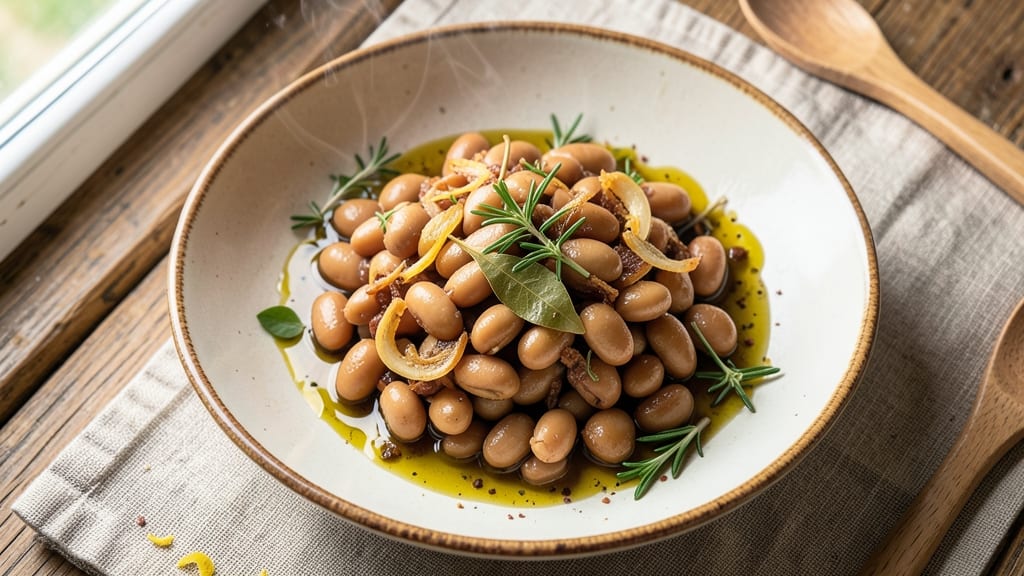
This bean confit recipe transforms humble dried beans into melt-in-your-mouth perfection using a slow-cooked technique steeped in tradition. The process involves gently simmering beans in flavorful fat—traditionally lard or duck fat, but olive oil works beautifully—alongside aromatic garlic, herbs, and bay leaves.
What makes this dish truly special is how the beans absorb the surrounding flavors, becoming tender yet holding their shape, all while bathed in a rich, savory oil.
The beauty of confit lies in its simplicity and versatility. You can use white beans, haricots, or even chickpeas, and the method adapts seamlessly to both smoked and unsmoked variations. The slow cooking process ensures the beans remain moist and flavorful, while the fat infuses them with depth.
This dish is perfect for hearty meals, especially when paired with crusty bread or roasted vegetables, and it keeps beautifully in the refrigerator for up to a week.
What sets this recipe apart is its balance of authenticity and adaptability. Whether you're following a traditional approach or experimenting with vegan fat substitutes, the result is a dish that's rich, satisfying, and full of character.
The key is patience—allowing the beans to cook low and slow ensures they reach the ideal texture, neither mushy nor dry. The aroma alone will fill your kitchen with warmth and anticipation, making it a dish worth the effort.
Once mastered, bean confit becomes a staple in your culinary repertoire, offering a comforting and flavorful centerpiece for any meal. The technique is foolproof once you understand the fundamentals, and the possibilities for variations are endless.
Let's dive into the steps that will transform your dried beans into a dish that's both impressive and deeply satisfying.
Ingredients for bean confit
Traditional dried beans, aromatic herbs, and rich olive oil—everything you need for melt-in-your-mouth confit.
| Ingredient | Amount | Notes |
|---|---|---|
| Dried White Beans 🥜 | 1 ½ cups | Unsoaked, large or cannellini preferred |
| Extra-Virgin Olive Oil 🫒 | 1 cup | High-quality, fruity variety |
| Garlic Cloves 🧄 | 6 cloves | Peeled, roughly chopped |
| Fresh Thyme Leaves 🌿 | ½ cup | Stems removed, loosely packed |
| Fresh Rosemary 🌿 | 2 sprigs | Stems removed, chopped |
| Bay Leaves 🌿 | 2 whole | Dried or fresh |
| Sea Salt 🧂 | 1 ½ tsp | Diamond Crystal preferred |
| Black Peppercorns 🌶️ | 1 tsp | Coarsely cracked |
| Smoked Paprika 🌶️ | 1 tsp | For depth of flavor |
| Vegetable Broth 💧 | 1 ½ cups | Low-sodium preferred |
| Fresh Parsley Leaves 🌿 | ¼ cup | Chopped, for garnish |
The beans are the star here, so pick large white beans or cannellini—they hold up best to the long cooking time. Trader Joe's and Whole Foods carry excellent dried varieties, or grab the bulk bins at specialty stores. For the olive oil, avoid the cheap stuff—look for extra-virgin with a fruity aroma. The garlic and herbs should be fresh, but if you're in a pinch, dried thyme and rosemary work at half the amount. Smoked paprika adds that signature depth, but if you can't find it, a pinch of liquid smoke in the broth does the trick.
No fresh thyme or rosemary? Dried works at one-third the amount, but toast it first for better flavor. Short on olive oil? Avocado oil or melted coconut oil keeps the dish vegan-friendly. The vegetable broth can be swapped for water, but adding a splash of balsamic vinegar or a pinch of miso paste elevates it. For a smoky flavor without paprika, char a clove of garlic and add it to the pot. If you're using chickpeas instead of white beans, reduce the cooking time by about 20 minutes—they soften faster.
This keeps beautifully for up to 1 week in the fridge, with the beans getting even more flavorful over time. The oil solidifies when chilled, so store it in a sealed container with a little extra oil on top to preserve freshness. Portion into small jars for easy use—great for quick lunches or adding to salads. If you make extra, freeze portions for up to 3 months. The aroma alone will have your kitchen smelling like a French bistro.
Why You'll Love This Recipe
- One-Pot Magic: I swear by this—just toss dried beans, oil, garlic, and herbs into one pot, simmer, and walk away. No soaking, no fuss, and the beans practically melt into flavor. Honestly, I’ve made it while scrolling through my phone.
- Herb-Infused Gold: That rosemary and thyme steeped in olive oil? It’s like a slow-dance of savory and bright. The beans soak up the aroma until every bite tastes like a sunlit kitchen. Between us, I’ve had people ask what brand of seasoning I’m using.
- Leftovers That Shine: This keeps for days in the fridge—better than fresh, if you ask me. Toss it into salads, mash it into dips, or pile it onto toast. My lazy Sundays now include beans straight from the jar, no reheating drama.
- Budget-Friendly Luxury: Dried beans and olive oil are my wallet’s best friends. A pound of beans goes a long way, and the oil adds richness without breaking the bank. I’ll be real: this is the kind of recipe that makes me feel fancy without the grocery bill to prove it.
Step-by-step instructions for slow-cooked beans in flavorful oil
Here's how to transform dried beans into tender, aromatic confit with rich olive oil.
Prepare the Beans for Soaking
Place the 1.5 cups dried white beans in a large bowl and cover them with plenty of cold water—about 4 inches above the beans. This ensures they soak properly without floating. Let them soak overnight at room temperature or for at least 8 hours. The beans are ready when they're noticeably softer and have doubled in size.
After soaking, drain the beans and rinse them thoroughly under cold water. This removes any excess starch that can make the oil cloudy during cooking. I always give them a quick shake in the colander to remove any lingering skins—this keeps the final texture clean and elegant. Don't skip this rinse, even if it seems tedious. The clarity of your confit depends on it.
Build the Herb and Spice Infusion
In a medium saucepan, combine the 1 cup extra-virgin olive oil, 6 peeled garlic cloves, 0.5 cup fresh thyme leaves, 2 sprigs chopped rosemary, 2 whole bay leaves, 1.5 teaspoons sea salt, 1 teaspoon coarsely cracked black peppercorns, and 1 teaspoon smoked paprika. Heat the mixture over low heat for 10 minutes, stirring occasionally. You're creating an aromatic base that will infuse the oil with deep, complex flavors.
Watch the oil carefully—it should shimmer but not smoke. If it starts to smell acrid, reduce the heat immediately. The herbs should soften slightly and release their essential oils into the oil. This infusion is the soul of your confit, so take your time. When the mixture smells intensely fragrant, remove it from heat and let it cool completely to room temperature. Straining isn't necessary at this stage—we want those herb particles to continue infusing during the cooking process.
Slow-Cook the Beans in Infused Oil
Transfer the cooled infused oil to a heavy-bottomed Dutch oven or deep skillet. Add the drained beans and 1.5 cups vegetable broth, ensuring the beans are completely submerged. If they're not covered, add a splash more broth. Bring the mixture to a gentle simmer over medium-low heat, then reduce to the lowest setting possible—you're aiming for a barely perceptible bubble at the surface.
Cover the pot and maintain this temperature for 3 to 4 hours, checking occasionally. The beans are done when they're fork-tender and the oil has taken on a rich, golden hue. Real talk: this is where patience pays off. If you rush it, the beans will either be mushy or dry. The oil should be silky and infused with all those herb flavors—this is your signal that the confit is ready.
Rest and Finish with Fresh Herbs
Once the beans are perfectly tender, remove the pot from heat and let everything rest together for 30 minutes. This resting period allows the flavors to meld completely and the beans to absorb the maximum amount of infused oil. After resting, discard the bay leaves and any remaining herb stems. The beans should be swimming in a luxurious bath of golden oil.
Transfer the beans to a serving dish and sprinkle with the 0.25 cup chopped fresh parsley leaves. The parsley adds a bright, fresh contrast to the rich, smoky oil. Serve immediately or store in the refrigerator for up to 5 days, covered with a thin layer of oil to preserve freshness. The confit keeps getting better as it sits—those flavors deepen over time, making this a perfect make-ahead dish.
Pro Tips For Making Bean Confit
- SOAK BEANS OVERNIGHT: I learned this the hard way—rushing the soak leaves beans tough and uneven. Cover dried white beans in water by 3 inches, add a pinch of baking soda, and let them sit at least 12 hours (or quick-soak 2 hours in boiling water). Cold water keeps them from bloating, and the baking soda softens skins faster—no mushy texture here.
- SWEAT GARLIC LOW AND SLOW: After burning three batches, I finally figured out garlic needs patience. Cook minced cloves in olive oil over medium-low heat until just golden—about 5 minutes—stirring constantly. High heat turns them bitter, and you want that sweet, nutty base for the confit. (Yes, even if you’re impatient like me.)
- SKIP THE CROWDED PAN: I used to pack beans tightly after soaking, thinking more contact = better flavor. Wrong. Leave space between them when searing—crowding steams instead of crisps. A single layer in a cold pan, then 5 minutes undisturbed, gives you caramelized edges. (Your future self will thank you.)
- USE HERBS SPARINGLY: Fresh thyme and rosemary smell amazing, but too much overpowers the beans. Strip 3-4 sprigs of rosemary and 6-8 thyme leaves, then remove stems—they release bitterness. Toss them in at the end, just to perfume the oil, not drown it. (Does it look weird? Yes. Does it work? Every single time.)
Best sauces and condiments for this recipe
Classic Garlic Aioli
This creamy, tangy sauce is a perfect match for bean confit. Mix ½ cup mayonnaise with 2 tbsp lemon juice, 1 minced garlic clove, ½ tsp Dijon mustard, and a pinch of salt.
For extra richness, fold in 1 tbsp reserved confit oil from the beans. Drizzle over beans or serve on the side for dipping. The garlic and acidity cut through the richness beautifully. 🌟
Smoky Tomato Jam
Create a bold contrast with a smoky tomato jam that pairs wonderfully with the confit's herbal notes. Simmer 1 cup crushed tomatoes, 1 tbsp smoked paprika, 1 tbsp balsamic vinegar, 1 tsp honey, and ½ tsp red pepper flakes for 15 minutes until thickened.
Spoon over beans or serve as a condiment. The sweetness and smokiness complement the earthy flavors perfectly.
Herb-Infused Olive Oil
Use the same infused oil technique from the recipe to create an extra batch for dipping or finishing. Heat ½ cup olive oil with 1 sprig rosemary, 2 garlic cloves, and 1 bay leaf for 5 minutes, then strain.
Drizzle over beans before serving or use as a dip for crusty bread. This oil enhances the confit's flavors without overpowering them.
Spicy Harissa Yogurt
For a cooling contrast, blend ½ cup Greek yogurt with 1 tbsp harissa paste, 1 tsp lemon zest, and a pinch of salt. The yogurt's tanginess balances the confit's richness while the harissa adds heat.
Serve as a side sauce or dollop directly on the beans. This combination is especially refreshing in warm weather.
Crispy Shallot Jam
Caramelize 1 cup thinly sliced shallots in 2 tbsp butter over low heat for 20 minutes until golden. Add 1 tbsp apple cider vinegar and 1 tsp brown sugar, then simmer for another 5 minutes.
The jam's sweetness and texture provide a delightful contrast to the tender beans. Spoon over the top or serve alongside for dipping.
Fresh Herb Vinaigrette
Whisk together ¼ cup olive oil, 2 tbsp red wine vinegar, 1 tbsp chopped parsley, 1 tbsp chopped chives, 1 tsp Dijon mustard, and ½ tsp salt.
This light, bright dressing cuts through the richness of the confit while highlighting its herbal notes. Toss with beans and roasted vegetables for a refreshing salad. 💚
Nutrition facts
Frequently asked questions
Can I use canned beans instead of dried for this recipe?
While dried beans are traditional for confit, you can use canned beans as a shortcut. Drain and rinse 3 cups canned white beans (like cannellini) and simmer them in the infused oil with 1 cup broth for 20-25 minutes until heated through. The texture won't be identical—they'll be softer—but it's a great option when you're short on time. Just skip the soaking step entirely.
What's the best way to reheat bean confit?
Gently reheat in a skillet over low heat with a splash of water or broth to prevent drying. Stir occasionally for 5-7 minutes until warmed through. For a crispier texture, spread the beans on a baking sheet and warm in a 350°F oven for 10 minutes. Never microwave—it turns the beans rubbery. The oil should remain silky, not greasy.
Why does my confit oil look cloudy?
Cloudy oil usually means excess starch from the beans wasn't rinsed properly. Always give soaked beans a thorough rinse and shake in a colander to remove skins. For a clearer oil, strain the beans after cooking and reserve the golden liquid separately. If the oil is already cloudy, it's still safe to eat—just not as visually appealing. The flavor won't be affected.
Can I make bean confit without olive oil?
Traditional recipes use lard or duck fat for maximum richness, but you can substitute with avocado oil, coconut oil, or even vegetable shortening (though it won't have the same flavor). For a vegan option, use extra-firm tofu purée mixed with oil—it adds creaminess while keeping the dish plant-based. Just remember, the fat needs to remain solid at room temperature for proper texture.
How do I know when the beans are perfectly tender?
Test with a fork—they should be fork-tender but still hold their shape, with just a slight resistance. If they mash easily, they're overcooked. The oil should be infused and golden, not murky. A good rule of thumb: 3-4 hours for dried beans, but check at 2 hours if you're using chickpeas. The beans should float slightly when done, indicating they've absorbed enough liquid.