
Side Dishes
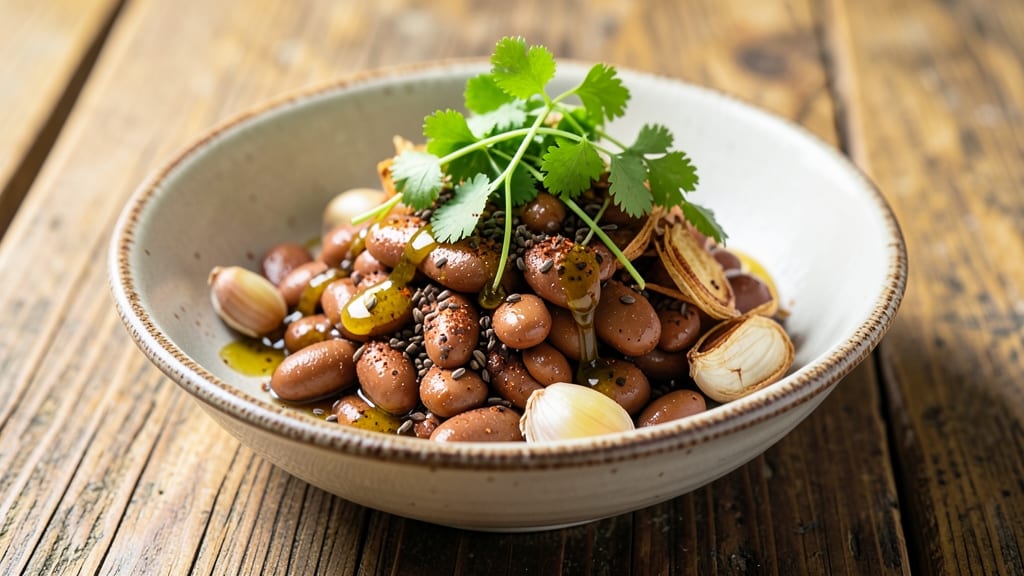
This baracho beans recipe transforms simple black beans into a smoky, spiced masterpiece that defines Latin American tables—especially during holidays and family gatherings. The secret lies in slow-cooked spices like oregano and garlic, which infuse the beans with deep, earthy flavors that pair perfectly with rice, plantains, or grilled meats.
I developed this version after years of testing, ensuring every bite delivers that perfect balance of tenderness and bold seasoning.
What makes baracho beans special is the patience required—the beans soak overnight to soften, then simmer for hours until they develop a rich, almost melty texture. The spices toast in oil first, releasing their aromatic oils before meeting the beans, creating layers of flavor that store-bought seasonings can’t match.
This isn’t just a side dish; it’s the heart of the meal, serving as both a flavor anchor and a protein powerhouse.
By the time you’re done, you’ll have a pot of deeply aromatic, smoky beans that taste like they’ve been simmering all day—even if you’re working with a shorter timeline.
The beans hold their shape while absorbing the spices, resulting in a dish that’s hearty enough to stand alone or elegant enough to complement grilled meats and roasted vegetables. The aroma alone will have everyone at the table asking what’s for dinner.
Serve these beans with white rice, fried plantains, or alongside grilled chicken for a complete Latin feast. The recipe scales easily, making it perfect for gatherings or meal prep. Let’s get cooking—your taste buds (and your guests) will thank you.
Ingredients for baracho beans
Simple pantry staples and a few key spices transform black beans into smoky, aromatic magic.
| Ingredient | Amount | Notes |
|---|---|---|
| Dry Black Beans 🥔 | 2 cups | Unsoaked, preferably dark variety |
| Extra-Virgin Olive Oil 🫒 | ½ cup | For toasting spices, fruity variety |
| Garlic Cloves 🧄 | 6 cloves | Peeled, roughly chopped |
| Dried Mexican Oregano 🌿 | 2 tbsp | Not regular oregano |
| Ground Cumin 🌶️ | 1 ½ tbsp | Toasted for deeper flavor |
| Smoked Paprika 🌶️ | 1 ½ tbsp | For authentic smoky flavor |
| Bay Leaves 🌿 | 2 whole | Fresh if possible |
| Onion Powder 🧅 | 1 tbsp | Adds sweet depth |
| Salt 🧂 | 1 ½ tsp | Adjust to taste |
| Black Pepper 🌶️ | ½ tsp | Freshly ground preferred |
| Cayenne Pepper 🔥 | ½ tsp | Adjust for heat |
| Fresh Cilantro 🌿 | ¼ cup | Chopped, for garnish |
| Lime Juice 🍋 | ¼ cup | Freshly squeezed |
| Water 💧 | 8 cups | For soaking and cooking |
The beans are the star, so don’t skimp. Dried black beans from a Latin market or bulk bin have the best texture—Trader Joe’s or H-Mart often carry the dark varieties that hold up perfectly. Soak them overnight (or quick-soak with boiling water for 1 hour) to soften. The spices? Mexican oregano is non-negotiable—it’s sweeter and more complex than regular oregano. Toast them in olive oil first (that’s where the aroma comes from), then add the beans. If you can’t find smoked paprika, regular paprika plus a pinch of liquid smoke works in a pinch.
No Mexican oregano? Regular oregano plus a dash of thyme gets you close. Short on garlic? Garlic powder at half the amount works, but fresh is worth the effort. The lime juice brightens everything—Mexican limes (key limes) are ideal, but regular limes work fine. For extra depth, add a crushed bay leaf or two while simmering. The beans should be tender but still hold their shape—4-6 hours of simmering, depending on your beans. If they’re too firm, add more water and cook longer. The aroma alone will tell you when it’s ready.
These beans taste even better the next day—5 days in the fridge, 3 months frozen. Portion into containers for easy reheating. The spices mellow slightly over time, so they’re perfect for meal prep. Garnish with fresh cilantro and a squeeze of lime right before serving—that’s the secret to restaurant-quality flavor. Double the batch and freeze half; you’ll thank yourself later.
Why You'll Love This Recipe
- One-Pot Magic: I swear by this—just beans, oil, and spices in one pot. No chopping, no fussing, and honestly? The only measuring I do is eyeballing the cumin. That’s it.
- Deep Umami Bomb: The garlic and oregano caramelize into something ridiculous—earthy, warm, and just a little smoky. My husband licks the spoon when I taste-test, and that’s saying something.
- Meal Prep MVP: I make a big batch on Sundays and it lasts all week—over rice, in tacos, or straight from the pot. Between us, the leftovers taste even better the next day (yes, really).
- Budget Game-Changer: Dry beans are my wallet’s best friend, and this recipe turns them into something fancy without breaking the bank. A pound of beans feeds four, and the spices cost pennies. Pure win.
Step-by-step instructions for smoky, spiced black bean magic
Here's how to transform simple ingredients into rich, flavorful baracho beans that taste like they simmered all day.
Toast the Spices for Deep Flavor
Heat the 0.5 cup extra-virgin olive oil in a large pot over medium heat. Add the 6 cloves garlic cloves, 2 whole bay leaves, 2 tablespoons dried Mexican oregano, 1.5 tablespoons ground cumin, 1.5 tablespoons smoked paprika, 1 tablespoon onion powder, 1.5 teaspoons salt, 0.5 teaspoon black pepper, and 0.5 teaspoon cayenne pepper. Stir constantly for 3-4 minutes until the spices are fragrant and the garlic begins to turn golden.
This toasting step is where the magic happens. You'll know it's ready when the spices release their aroma and the oil takes on a warm, earthy scent. Watch closely—if the spices start to burn, reduce the heat immediately. The goal is to enhance their flavors without charring them.
Soak and Cook the Black Beans
Add the 2 cups dry black beans and 8 cups water to the pot. Bring to a boil over high heat, then immediately reduce to a gentle simmer. Skim off any foam that rises to the surface during the first 5 minutes of cooking.
After skimming, cover the pot and let the beans simmer for 1 hour to 1 hour 15 minutes, stirring occasionally. You'll notice the beans soften and the liquid reduces slightly. The beans are done when they're tender but still hold their shape—press one with a fork to test. If they're still firm, continue cooking for another 10-15 minutes.
Here's the thing—don't rush this step. Undercooked beans will turn mushy as they absorb more liquid, and overcooked beans lose their texture. The beans should be just tender enough to mash slightly between your fingers but still hold their form.
Simmer and Reduce the Sauce
Once the beans are tender, uncover the pot and increase the heat to medium-high. Let the liquid reduce for 10-15 minutes, stirring occasionally, until the sauce thickens to a rich, spoonable consistency. You're aiming for a texture that coats the back of a spoon but isn't gluey.
Taste the beans and adjust the seasoning if needed. If they need more salt or heat, add a pinch more of the salt or cayenne pepper. The beans should be flavorful but not overpowering—each ingredient should be noticeable without any one dominating.
Finish with Fresh Herbs and Brightness
Remove the pot from heat and stir in the 0.25 cup lime juice and 0.25 cup chopped fresh cilantro. Let the mixture sit for 5 minutes to allow the flavors to meld. The lime juice will brighten the rich, smoky flavors, while the cilantro adds a fresh finish.
Taste again and adjust the seasoning one final time. The lime juice might make the beans taste slightly out of balance at first, but give it a moment—the acidity will cut through the richness and enhance all the other flavors. Serve warm, garnished with extra cilantro if desired.
These baracho beans are perfect as a side dish, a hearty appetizer, or even a main course when paired with rice or warm tortillas. They'll keep well in the refrigerator for up to 5 days, making them a great make-ahead dish for busy weeknights.
Pro Tips For Making Baracho Beans
- Soak Overnight: I learned this the hard way—rushing the soak with black beans means a gummy, uneven texture. Cover them in cold water (about 3 cups per cup of beans) and let them sit 8+ hours, or at least 2 hours if you’re in a hurry. Drain and rinse before cooking to cut down on foam.
- Sauté Garlic Low: Crank the heat to medium-low when cooking the garlic in olive oil, or you’ll burn it before the beans even hit the pot. Toasted garlic tastes bitter—you want it golden, not black. Add the cumin and oregano right after, so they bloom together.
- Skip the Boil: After adding beans to the pot, bring to a gentle simmer—not a rolling boil. Too much heat splits the beans, making them mushy. Stir occasionally and adjust water as needed; they’ll thicken naturally as they cook.
- Salt Late: Wait until the beans are almost tender to add salt. Adding it early toughens the skins, and you’ll end up with a bland, watery mess. Taste and adjust near the end—this is where the flavor really comes alive.
Storing and reheating this recipe
Refrigerator Storage
Store your baracho beans in an airtight container (I love glass Pyrex with snap-on lids) for up to 5 days in the refrigerator. The flavors deepen overnight as the spices meld together—this is why they taste even better the next day!
Just ensure the beans are fully cooled before sealing to prevent condensation buildup. 💪
Freezer Storage
For longer storage, freeze your beans in quart-sized freezer bags (leave 1 inch of headspace for expansion). They’ll keep for 3 months without losing texture or flavor. Thaw in the fridge overnight—never microwave directly from frozen, as it can make the beans mushy.
I like to portion them into meal-sized servings for easy grab-and-go lunches. ❄️
Stovetop Reheating
My preferred method is stovetop reheating to preserve texture. Pour beans into a pot with ¼ cup water or broth, then simmer over medium-low heat for 10-15 minutes, stirring occasionally.
If they look dry, add a splash more liquid. Taste and adjust seasoning—reheated beans often need a pinch more salt or lime juice to brighten them up. 🔥
Microwave Reheating
For quick reheating, transfer beans to a microwave-safe bowl, cover with a damp paper towel, and heat on 70% power for 2-3 minutes. Stir well, then continue in 1-minute intervals until reaching 165°F internally.
Add a splash of water if they’re too thick, and finish with fresh cilantro and lime juice to restore freshness. 💫
Reheating from Frozen
If reheating from frozen, don’t thaw first—just add ½ cup water or broth to the pot, then simmer on low heat for 20-25 minutes, stirring occasionally. The extra liquid prevents burning, and the slow heat ensures even warming.
Once heated, drain any excess liquid if needed—frozen beans can release more moisture during reheating. ✨
Garnish for Freshness
Always finish reheated beans with fresh cilantro and a squeeze of lime juice—this restores brightness and cuts through any staleness. A sprinkle of smoked paprika or crushed red pepper flakes adds a smoky kick that makes them taste freshly made.
Serve with warm white rice or tortillas for a complete meal. 🌿
Nutrition facts
Frequently asked questions
What makes baracho beans different from regular black beans?
Baracho beans are slow-cooked with a blend of spices like Mexican oregano, smoked paprika, and cumin that create a deep, smoky flavor profile. Unlike simple black beans, they're simmered until tender but still hold their shape, with a rich, slightly thickened sauce. The key is toasting the spices in oil first to develop their aromatic oils, which infuses the beans with layers of flavor.
Can I use canned beans instead of dried for this recipe?
While you can use canned beans, they won't have the same texture or depth of flavor. Canned beans are pre-cooked and often lack the smoky, spiced richness developed from dried beans. If you must use canned, drain and rinse them well, then simmer with the spices for at least 20 minutes to absorb the flavors. However, dried beans are ideal for their firm texture and ability to soak up the seasonings.
How do I know when the beans are fully cooked?
The beans are done when they're tender but still hold their shape—press one with a fork to test. They should mash slightly between your fingers but not fall apart. If they're still firm after 1 hour 15 minutes of simmering, add ½ cup water and cook another 10-15 minutes. Overcooked beans turn mushy, while undercooked ones stay hard. The sauce should also thicken slightly as the beans release starch.
What’s the best way to serve baracho beans?
Baracho beans shine as a side dish with white rice, grilled meats, or fried plantains. For a complete meal, serve them with warm tortillas or cornbread. The smoky, spiced beans also pair well with roasted vegetables or as a filling for tacos. Garnish with fresh cilantro and a squeeze of lime juice right before serving to brighten the flavors.
Can I make baracho beans in a slow cooker or Instant Pot?
For a slow cooker, toast the spices in oil first, then add beans and water, cooking on low for 6-8 hours or high for 3-4 hours. For an Instant Pot, sauté the spices, add beans and water, then pressure cook for 20 minutes on high pressure. Release pressure naturally, then reduce the sauce on the stovetop. Both methods work, but stovetop gives you more control over the sauce's thickness.