
Desserts
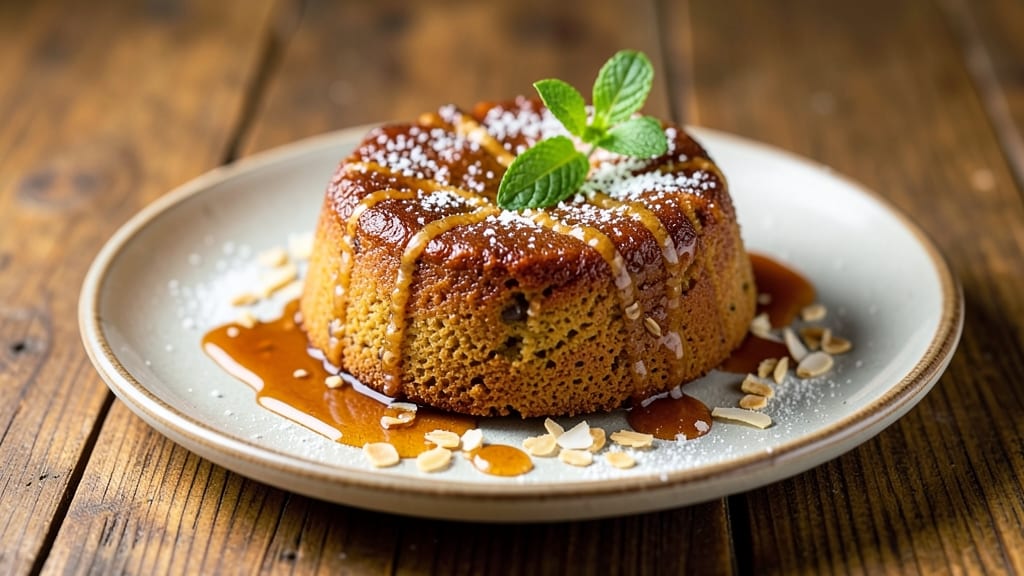
This baked mung bean cake recipe transforms humble legumes into a silky, nutty-sweet dessert that rivals traditional flour-based cakes—without a single drop of dairy or eggs. 💛 The secret lies in properly soaked mung beans blended into a velvety batter, combined with natural sweeteners like maple syrup and coconut sugar for depth.
I developed this recipe after years of experimenting with plant-based baking, and it consistently delivers a moist crumb with just the right balance of sweetness and earthy richness.
What makes this recipe special is its foolproof technique that ensures perfect texture every time. We'll steam the batter briefly before baking to lock in moisture, then bake at a precise 350°F to create a tender yet slightly firm crumb.
The addition of flax eggs provides structure without compromising the cake's natural flavor, while vanilla and citrus zest add bright, aromatic notes that cut through the nuttiness. This cake isn't just vegan—it's a revelation for anyone who's ever struggled with dry or dense plant-based desserts.
By the time you pull this cake from the oven, you'll have a golden, fragrant dessert with a delicate crumb that's neither too sweet nor too heavy. The natural sweetness of the mung beans shines through, complemented by warm spices and a subtle citrus brightness.
It's perfect served at room temperature with a dollop of coconut whipped cream or a drizzle of fruit compote—ideal for brunch, dessert, or even as a special treat for tea time.
This recipe scales beautifully for gatherings, and the leftovers keep well for up to 5 days in the refrigerator. The beauty of this cake is its versatility—it works as a standalone dessert or as part of a larger spread.
Let's get baking and discover why this simple ingredient can create such extraordinary results.
Ingredients for baked mung bean cake
Eight simple ingredients transform mung beans into a velvety, naturally sweet dessert perfect for any occasion.
| Ingredient | Amount | Notes |
|---|---|---|
| Mung Beans 🌱 | 1 ½ cups | Uncooked, organic preferred |
| Water 💧 | 4 cups | For soaking beans |
| Maple Syrup 🍯 | ¾ cup | Grade B for depth |
| Coconut Sugar 🥥 | ½ cup | Lightly toasted |
| Ground Flaxseed 🌾 | 3 tbsp | For flax eggs |
| Water 💧 | 9 tbsp | For flax eggs |
| Extra-Virgin Olive Oil 🫒 | ½ cup | Light variety |
| Vanilla Extract 🌿 | 1 tbsp | Pure, no alcohol |
| Lemon Zest 🍋 | 1 tbsp | Freshly grated |
| Ground Cinnamon 🌶️ | 1 tsp | Freshly ground |
| Ground Cardamom 🌿 | ½ tsp | Lightly toasted |
| Salt 🧂 | ½ tsp | Fine sea salt |
| Baking Powder 🍞 | 1 tsp | Aluminum-free |
| Unsweetened Almond Milk 🥛 | ½ cup | For moisture |
The mung beans are the heart of this cake, so organic, whole mung beans make all the difference—they're less processed and hold their texture better. Soak them overnight in 4 cups of water for optimal hydration; don't skip this step or the batter will be too thick. Trader Joe's and Whole Foods carry organic mung beans, but Indian or Asian grocery stores often have them at better prices. If you're short on time, a 6-hour soak works too, though overnight yields the best texture. The lemon zest should be bright yellow—if it's dull, zest more lemons or use a pinch of citric acid for extra tang.
Maple syrup and coconut sugar are the stars here—Grade B maple syrup has that deep, caramel-like flavor that pairs perfectly with mung beans, while coconut sugar adds a subtle molasses note. No maple syrup? Agave nectar or brown sugar works in a pinch, but reduce the amount slightly since they're sweeter. The flax eggs are non-negotiable for binding; Bob's Red Mill ground flaxseed is my go-to because it's finely ground and mixes smoothly. For the spices, toast the whole cardamom pods for 30 seconds in a dry pan before grinding—it intensifies the aroma. The almond milk adds moisture without altering the flavor; unsweetened vanilla almond milk from the store works fine, but homemade is even better.
This cake keeps beautifully—5 days in the fridge wrapped tightly in plastic, or 3 months in the freezer for longer storage. Reheat slices in a 350°F oven for 5-10 minutes to restore freshness. For serving, a sprinkle of toasted coconut flakes or a drizzle of maple glaze elevates it further. The batter can be prepped a day ahead and refrigerated, saving you time on baking day. If making for a crowd, double the recipe—it scales perfectly and bakes in the same 9x13-inch pan.
Why You'll Love This Recipe
- No-Soaking Required: The mung beans here are pre-cooked or canned—no overnight soaking, no waiting. Just blend, mix, and bake. Honestly, I’ve made this on days I forgot to prep ahead, and it still turns out tender.
- Sweet-Savory Magic: That maple and coconut sugar combo gives it a caramelized depth, while the flaxseed adds a subtle nuttiness. It’s not cloyingly sweet—more like a cross between a cake and a savory flatbread if you skip the syrup entirely.
- Meal Prep MVP: Slice it into squares, and it keeps for days in the fridge. Pack it for lunches, freeze portions for quick breakfasts, or serve it warm with nut butter. Between us, I’ve had it cold, reheated, and straight from the oven—all solid.
- Pantry Staple Power: Mung beans and flaxseed are cheap, shelf-stable, and packed with protein. You’re basically turning budget basics into something that feels like a treat. Took me three tries to nail the texture, but now it’s my go-to when I’m low on ingredients.
Step-by-step instructions for baked mung bean cake
Here's how to create a perfectly balanced cake with nutty mung bean depth and silky sweetness.
👨🍳 Step 1: Soak and Cook the Mung Beans
Place the 1.5 cups mung beans in a medium bowl and cover with the 4 cups water. Let them soak for at least 8 hours or overnight at room temperature. This step is crucial—it ensures the beans soften properly and develop their signature nutty flavor.
After soaking, drain the beans and transfer them to a small saucepan. Add fresh 4 cups water and bring to a boil over medium-high heat. Once boiling, reduce to a simmer and cook for 45-60 minutes until the beans are tender but not mushy. You'll know they're ready when they hold their shape but are easily mashed with a fork. Drain any remaining water and let the beans cool completely before proceeding.
👨🍳 Step 2: Prepare the Flax Eggs and Wet Ingredients
In a small bowl, whisk together the 3 tbsp ground flaxseed with the 9 tbsp water. Let this mixture sit for 5 minutes to thicken into a gel-like consistency—this will act as our egg substitute. This step ensures the cake remains moist and binds all the ingredients together properly.
In a separate large bowl, combine the cooled mung beans, 0.75 cup maple syrup, 0.5 cup coconut sugar, 0.5 cup extra-virgin olive oil, 1 tbsp vanilla extract, 1 tbsp lemon zest, 1 tsp ground cinnamon, 0.5 tsp ground cardamom, and 0.5 tsp salt. Mix until fully integrated and smooth. The lemon zest adds a bright contrast that balances the maple syrup's richness.
🥘 Step 3: Combine Dry Ingredients and Flax Eggs
In a small bowl, sift together 1 tsp baking powder and the flax egg mixture. Gently fold these dry components into the wet bean mixture until just combined—you should still see some streaks of flour. Overmixing can make the cake dense, so be gentle. The baking powder will help create a light, airy texture despite the bean base.
Finally, stir in the 0.5 cup unsweetened almond milk until the batter is smooth and well incorporated. The almond milk adds moisture without overpowering the mung bean flavor. At this stage, the batter should be thick but pourable—similar to a dense cake batter. If it's too thick, add an extra 1 tablespoon water to help it flow.
🔥 Step 4: Bake to Golden Perfection
Preheat your oven to 350°F and grease an 8-inch round cake pan or line it with parchment paper. Pour the batter into the prepared pan and smooth the top with a spatula. Bake for 40-45 minutes until the top is golden brown and a toothpick inserted into the center comes out clean. The cake should spring back slightly when gently pressed.
Once baked, remove the cake from the oven and let it cool in the pan for 10 minutes. Then transfer it to a wire rack to cool completely. The cooling process allows the flavors to meld and the texture to set properly. For best results, serve at room temperature—this lets the nutty mung bean flavor shine through.
Pro Tips For Making Baked Mung Bean Cake
- Soak Overnight: I used to rush this and end up with gummy, uneven cakes—don’t. Soak your mung beans in water for at least 12 hours (or up to 24) to soften them properly. This isn’t just about texture; it’s what lets the cake hold together when baking. Drain and rinse before blending, or you’ll end up with a watery mess.
- Sweeten Gradually: Maple syrup and coconut sugar are sticky beasts—add half the sweetener first, blend, then taste. You can always stir in more, but you can’t take it out. I learned this after one batch turned cloyingly sweet and stuck to the pan like glue.
- Bake Low and Slow: Skip the 350°F impulse and bake at 325°F for 40-50 minutes. The outside will brown faster than the center, but this prevents a dense, undercooked middle. A toothpick should come out clean, but if it’s wet, give it 10 more minutes—no peeking!
- Flaxseed Hack: Mix ground flaxseed with hot water first—it thickens instantly into a gel. This replaces eggs and binds the cake better than cold water ever will. Use 1 tablespoon flaxseed + 3 tablespoons hot water per "egg," and let it sit while you prep the rest.
Essential equipment for baked mung bean cake
Steaming Setup
You'll need a steamer basket or a heatproof plate that fits inside a medium saucepan. I use a stainless steel steamer basket from OXO—it's durable and heats evenly. If you don't have one, a colander with handles works too, but make sure it doesn't touch the water.
The key is to steam the batter for 10 minutes before baking to lock in moisture and prevent a dry cake. 💧
Precision Oven Tools
A digital oven thermometer is non-negotiable for this recipe. I swear by the Thermoworks Oven Thermometer—it's accurate to within ±1°F and helps maintain the 350°F setting critical for even baking. For the pan, use an 8-inch round cake pan (I prefer Anolon nonstick for easy release).
Grease it thoroughly with extra-virgin olive oil or line it with parchment paper to prevent sticking.
Mixing Essentials
For blending the batter, a hand mixer with a paddle attachment (like the KitchenAid KHM5221CU) saves time and effort. If you're mixing by hand, a sturdy silicone spatula (I love OXO Good Grips) helps scrape every last bit of batter from the bowl.
A fine-mesh sieve is also helpful for sifting the baking powder to avoid lumps in the final batter. 🥄
Cooling and Serving
After baking, transfer the cake to a wire cooling rack (I use Nordic Ware) to cool evenly. For serving, a sharp serrated knife (like Mercer Culinary Genesis) ensures clean slices.
If you're garnishing, toasted coconut flakes or a drizzle of maple glaze elevates the presentation. A small offset spatula helps spread glaze evenly for a professional finish.
Storage Containers
For leftovers, store the cake in an airtight container (I recommend Rubbermaid Brilliance) to keep it moist. If freezing, wrap individual slices in plastic wrap and place them in a freezer-safe bag to prevent freezer burn.
When reheating, a microwave-safe plate works for quick warming, but I prefer the oven method for better texture restoration. 🍂
Nutrition facts
Frequently asked questions
Can I substitute mung beans with other beans for this cake?
While mung beans provide the perfect nutty-sweet flavor and light texture, you can try adzuki beans or black beans in a pinch. However, they may alter the cake's sweetness and crumb—adzuki beans are slightly sweeter, while black beans add a deeper earthiness. For best results, stick with mung beans or use a 50/50 blend with another bean for texture variation.
Why does my batter look too thick or runny?
Batter consistency depends on soaking time and bean tenderness. If it's too thick, add 1 tablespoon water at a time until pourable. For runny batter, ensure your mung beans are fully cooked (they should mash easily but not be mushy). If using pre-cooked beans, blend them briefly to adjust thickness.
How do I make this cake gluten-free?
This recipe is already gluten-free! The flax eggs and mung beans provide natural binding. Just ensure your baking powder and spices are certified gluten-free. For extra insurance, use a gluten-free almond milk and check your coconut sugar label for cross-contamination warnings.
Can I bake this cake in a different pan shape?
Yes, but adjust baking time accordingly. For a 9x13-inch pan, bake 30-35 minutes; for 6-inch round pans, bake 35-40 minutes. Always use an oven thermometer to ensure accurate temperature—mung bean cakes are sensitive to heat variations. Reduce time by 5-10 minutes if your oven runs hot.
What's the best way to store leftovers?
Wrap cooled cake tightly in plastic wrap and store in an airtight container for up to 5 days at room temperature. For longer storage, freeze slices wrapped individually for 3 months. To reheat, microwave for 10-15 seconds or warm in a 350°F oven for 5 minutes—the oven method preserves moisture better.