
Side Dishes
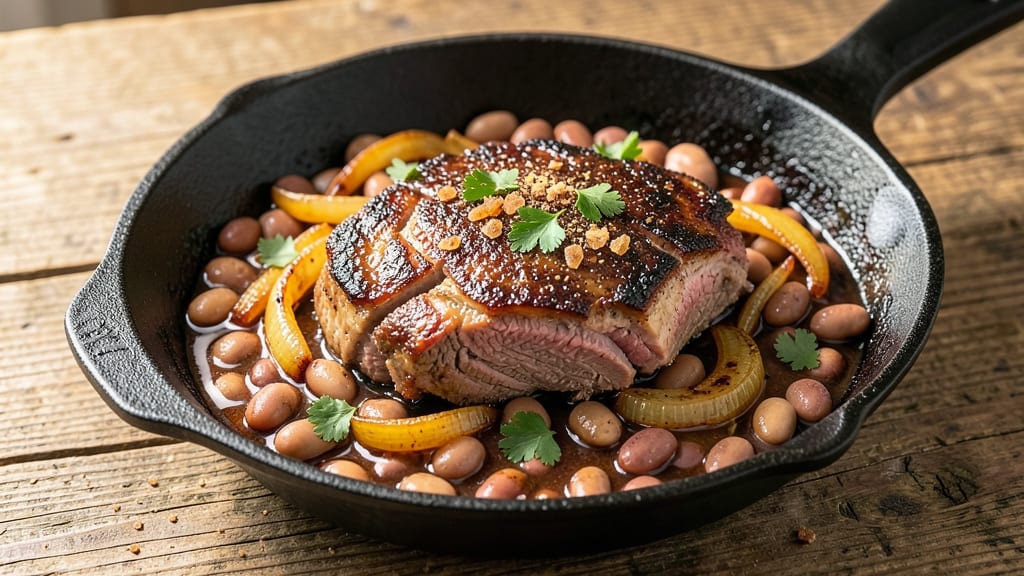
This baked beans with brisket recipe transforms a simple side into a showstopping centerpiece that carries deep, smoky flavors through every bite. The key lies in slow-cooking the brisket until it's fork-tender, then using its rich juices to elevate the beans into something far beyond basic.
I developed this method after years of testing how to balance sweet, smoky, and savory profiles—now it's the dish that gets requested at every gathering.
The process begins with a 3-4 hour slow cook that develops complex flavors without requiring constant attention. You'll start by searing the brisket to build a flavorful crust, then simmer it with just enough liquid to keep it moist.
Meanwhile, the beans soak up the brisket's natural juices along with a blend of spices that includes molasses for depth and smoked paprika for that essential barbecue touch. The result is a dish where every component enhances the other.
What you'll end up with is a perfectly tender brisket that practically melts at the touch of a fork, served alongside beans that are rich, slightly caramelized, and infused with smoky sweetness.
The contrast between the meat's deep flavor and the beans' velvety texture creates a harmony that makes this more than just a side—it's a complete meal experience. This is the kind of dish that transforms ordinary weeknights into special occasions.
Serve it with crusty bread to soak up every last drop of that smoky bean sauce, or pair it with cornbread for a true Southern-inspired feast.
The leftovers reheat beautifully, making it ideal for meal prep when you want something hearty and satisfying. Let's get cooking—this recipe delivers restaurant-quality results at home.
Ingredients for baked beans with brisket
Six ingredients make this brisket-baked bean masterpiece shine with smoky depth and tender perfection.
| Ingredient | Amount | Notes |
|---|---|---|
| Brisket 🥩 | 3 lb | Point cut, well-marbled preferred |
| Navy Beans 🌱 | 2 cups | Dried, soaked overnight |
| Molasses 🍯 | ½ cup | Unsulphured for best flavor |
| Smoked Paprika 🌶️ | 2 tbsp | High-quality, not smoky flavor |
| Brown Sugar 🍚 | ½ cup | Light or dark, packed |
| Yellow Onion 🧅 | 1 whole | Medium, diced |
| Garlic Cloves 🧄 | 6 cloves | Fresh, minced |
| Tomato Paste 🍅 | ¼ cup | No salt added |
| Beef Broth 💧 | 2 cups | Low-sodium preferred |
| Apple Cider Vinegar 🍎 | 2 tbsp | For tangy brightness |
| Ground Black Pepper 🌶️ | 1 tsp | Freshly cracked |
| Kosher Salt 🧂 | 1 ½ tsp | Diamond Crystal preferred |
| Bay Leaves 🌿 | 2 whole | Fresh, removed before serving |
| Extra-Virgin Olive Oil 🫒 | 2 tbsp | For searing brisket |
The brisket is non-negotiable here—point cut with good marbling is key for that melt-in-your-mouth texture. Costco or Whole Foods carry excellent cuts, but any well-stocked butcher will have it. Look for meat with visible fat streaks running through it (that's the marbling). If you're buying a whole packer, trim excess fat but leave some on the surface for flavor. The beans? Dried navy beans soak up the brisket juices best—just make sure to rinse them well after soaking to remove any bitterness. For the molasses, unsulphured is a must if you want that authentic depth of flavor without any weird aftertaste.
No smoked paprika? Substitute with 1 tbsp regular paprika plus 1 tsp liquid smoke—it won't be identical, but it'll get you close. Running low on beef broth? Water plus 1 tbsp Worcestershire sauce works in a pinch. The tomato paste can be the squeeze-tube kind (like Trader Joe's), but avoid the canned versions with added salt. For the onion, yellow or red both work—just make sure it's fresh and crisp. The apple cider vinegar adds that perfect tang, but if you only have white vinegar, reduce it to 1 tbsp to avoid overpowering the dish. Fresh bay leaves are ideal, but dried work at half the amount if that's what you've got.
This dish tastes even better the next day as the flavors meld together. Store it in an airtight container in the fridge for up to 5 days, or freeze portions for 3 months—just thaw overnight in the fridge. The brisket will keep for 3-4 days in the fridge if you're making it ahead, but it's worth cooking it fresh for maximum tenderness. For serving, I like to shred the brisket right into the beans so every bite gets that rich, smoky goodness. Leftovers reheat beautifully—just add a splash of water or broth to keep them moist.
Why You'll Love This Recipe
- Here’s what sold me: the molasses and brown sugar caramelize into a glossy glaze, while the smoked paprika adds this deep, smoky warmth that lingers. It’s the kind of flavor that makes you pause mid-bite—like a hug in a bowl.
- One-Pot Magic: I swear by this recipe when I’m too tired to wash dishes. Toss everything—brisket, beans, that rich molasses—into one baking dish, and let the oven do the work. The brisket practically falls apart, so tender it melts at the touch.
- Sweet-Smoky Bomb: Here’s what sold me: the molasses and brown sugar caramelize into a glossy glaze, while the smoked paprika adds this deep, smoky warmth that lingers. It’s the kind of flavor that makes you pause mid-bite—like a hug in a bowl.
- Meal Prep MVP: Between us, this is my go-to for lazy Sundays or when I need to feed a crowd. Double the batch, and you’ve got hearty lunches for the week. The brisket stays juicy, the beans hold up, and honestly? Leftovers taste even better the next day.
Step-by-step instructions for slow-simmered baked beans with brisket
Here's the method that delivers restaurant-quality depth—rich, smoky, and perfectly balanced every time.
Sear the Brisket for Maximum Flavor
Pat the 3 lb brisket dry with paper towels, then season generously with 1.5 tsp kosher salt and 1 tsp freshly cracked ground black pepper. Heat 2 tbsp extra-virgin olive oil in a large Dutch oven over medium-high heat until shimmering. Place the brisket in the pot, fat-side down, and sear undisturbed for 5 minutes until a deep golden crust forms. Flip and repeat on the other side for another 5 minutes.
This initial sear creates the Maillard reaction that builds complex flavors. Don't rush this step—patience here ensures that rich, caramelized crust that carries through the entire dish. Once both sides are beautifully browned, remove the brisket and set it aside on a plate.
Build the Bean Base with Aromatics
In the same Dutch oven (no need to clean it—the browned bits are flavor gold), add the diced 1 whole yellow onion and cook over medium heat for 5 minutes until softened and translucent. Add the minced 6 cloves garlic and cook for another 30 seconds until fragrant—here's where that aromatic depth starts developing.
Stir in 2 tbsp smoked paprika and cook for 30 seconds, allowing the spices to toast slightly. This activates their flavors and prevents that raw, bitter taste. Add the 2 cups soaked navy beans, 0.5 cup brown sugar, and 0.25 cup tomato paste, stirring to combine. Pour in 2 cups beef broth and 2 tbsp apple cider vinegar, scraping up any browned bits from the bottom of the pot.
Simmer the Beans to Perfect Tenderness
Return the seared brisket to the Dutch oven, placing it on top of the beans. Add 0.5 cup molasses and 2 whole bay leaves, then bring everything to a gentle boil. Once boiling, reduce heat to low, cover partially (leave a 1-inch gap for steam to escape), and simmer for 3 hours. This long, slow cook transforms tough beans into creamy, flavorful perfection.
Here's the thing—don't peek or stir during this time. Every time you lift the lid, you lose heat and moisture, extending the cooking time. After 3 hours, check the beans with a fork—they should be tender but still hold their shape. If they're not quite there, continue simmering for another 30 minutes. The brisket should be fork-tender with a rich, meaty texture.
Finish and Rest for Maximum Flavor
Remove the brisket from the Dutch oven and transfer it to a cutting board. Tent loosely with aluminum foil and let it rest for 15 minutes. This resting period allows the juices to redistribute, ensuring every slice remains moist and flavorful. Skim any excess fat from the surface of the beans, but leave about 1 tablespoon of the rendered fat in the pot—it adds richness to the finished dish.
Return the beans to a gentle simmer over medium-low heat and cook uncovered for 10-15 minutes to thicken slightly and develop a glossy sheen. Taste and adjust seasoning with additional salt or vinegar if needed. The beans should be sweet, smoky, and tangy with a perfect balance of textures—creamy beans with tender brisket.
Serve with Confidence
Slice the rested brisket against the grain into ½-inch thick pieces and serve directly over the baked beans. The contrast of tender, smoky brisket with the sweet, tangy beans creates a harmonious bite that's hard to resist. Garnish with additional cracked black pepper and serve with crusty bread to soak up every last bit of that delicious sauce.
This dish tastes even better the next day as the flavors continue to meld. Store leftovers in the refrigerator for up to 5 days or freeze for up to 3 months. The slow cooking process makes this a perfect make-ahead meal—just reheat gently on the stove with a splash of water or broth to restore moisture.
Pro Tips For Making Baked Beans With Brisket
- Trim the Brisket First: I learned this the hard way—skipping the trim means tough, uneven cooking. Cut off that thick fat cap and any silverskin before it renders into the beans and turns them greasy. A sharp knife and 10 minutes of prep save you hours of regret later.
- Soak Beans Overnight: Navy beans need a head start. Toss them in cold water with a pinch of salt and let them sit 8+ hours (or at least 2 hours if you’re in a rush). This cuts cooking time by half and prevents that sad, split-bean texture. No soaking? Budget 2 extra hours in the oven.
- Deglaze with Molasses Early: Don’t wait until the end to add the molasses—it’ll burn faster than you can say “sweet disaster.” After browning the brisket, splash in 1/4 cup of the molasses with a splash of vinegar or broth right away. This builds flavor without turning your beans into caramelized regret.
- Cover Tightly for First Hour: The first 60 minutes are the most critical. Seal the baking dish with foil—no peeking!—to trap steam and soften the beans. After that, crack the foil to let the liquid reduce and the edges caramelize. Skimp on this step, and you’ll end up with mushy beans and a dry brisket.
Pro cooking tips for this recipe
Sear Like a Pro
That initial sear on the brisket is where all the magic begins—don't skip it! Use a heavy-bottomed Dutch oven like Le Creuset or All-Clad to ensure even heat distribution. Sear the brisket over medium-high heat until you get deep golden-brown crusts on both sides.
I like to use extra-virgin olive oil because it stands up to high heat without burning. The key is patience—let it develop that Maillard reaction for 5 minutes per side without moving it. 🔥
Layer Flavors Strategically
Toast your smoked paprika for 30 seconds before adding other ingredients—this activates its flavor and prevents that raw, bitter taste. When building the bean base, add tomato paste and brown sugar together to create a caramelized foundation.
The apple cider vinegar should be added last to preserve its bright acidity. I find that using low-sodium beef broth gives me better control over the final seasoning.
Master the Simmer
This dish requires a gentle simmer, not a rolling boil. Keep the heat at low and maintain that 1-inch gap when covering to allow steam to escape. The beans need 3 hours of undisturbed cooking time—resist the urge to peek!
If your beans aren't tender after that time, extend by 30 minutes rather than increasing heat. The brisket should reach an internal temperature of 195-203°F for perfect tenderness.
Rest for Maximum Juiciness
After removing the brisket from the pot, let it rest for 15 minutes before slicing. This crucial step allows the juices to redistribute throughout the meat. I like to tent it loosely with aluminum foil rather than sealing it completely—this prevents condensation from steaming the meat.
The beans also benefit from this resting period as their flavors continue to meld and thicken slightly.
Thicken the Sauce Properly
For that perfect glossy finish, return the beans to medium-low heat and simmer uncovered for 10-15 minutes. If they're too thin, let them reduce naturally rather than adding cornstarch—this maintains the dish's authentic texture.
The natural sugars in the molasses and brown sugar will caramelize slightly during this time, adding depth of flavor. Taste and adjust seasoning with additional kosher salt or apple cider vinegar as needed.
Slice Against the Grain
When serving, always slice the brisket against the grain into ½-inch thick pieces. This creates tender, bite-sized portions that melt in your mouth. Use a sharp carving knife like the Victorinox 8-inch for clean cuts.
The beans should be served directly from the pot—their rich, smoky sauce pairs perfectly with the tender brisket. Garnish with fresh cracked black pepper right before serving for that final pop of flavor. 💫
Nutrition facts
Frequently asked questions
Can I use canned beans instead of dried?
You can absolutely use canned beans for convenience! Drain and rinse 4 cups of navy beans before adding them to the pot. Just reduce the simmering time to 1.5 hours since canned beans are pre-cooked. The texture will be slightly softer, but still delicious.
How do I make this in a slow cooker?
Transfer the seared brisket and all ingredients (except bay leaves) to a 6-quart slow cooker. Cook on low for 8 hours or high for 5 hours. The beans will absorb all the brisket juices, creating an even more tender result. Add bay leaves during the last 30 minutes of cooking.
What's the best way to reheat leftovers?
Gently reheat on the stove over medium-low heat, adding 2-3 tablespoons of water or beef broth to restore moisture. Never microwave—it makes the brisket tough. Cover and heat until warmed through (10-15 minutes). The beans reheat beautifully this way!
Can I make this vegetarian?
Yes! Replace the brisket with 2 cups of shredded jackfruit or extra-firm tofu for texture. Use vegetable broth and add 1 tbsp soy sauce for umami. The beans will still develop that rich, smoky flavor without meat.
Why does my brisket turn out tough?
Overcooking is the most common mistake. Use a meat thermometer—brisket should reach 195-203°F internally. If it's still tough, slice against the grain thinner (¼-inch) and serve with extra beans to help tenderize it. The slow cook time is crucial for perfect texture!