
Side Dishes
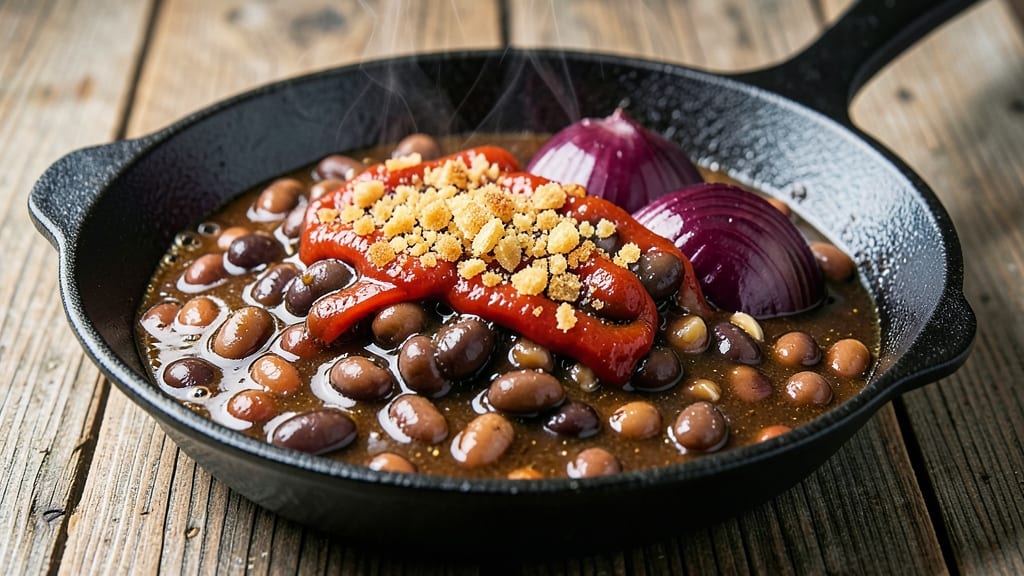
This baked bean recipe with molasses and brown sugar transforms humble ingredients into a rich, caramelized masterpiece that simmers into sweet-savory perfection. The slow-cooked process develops deep molasses notes while brown sugar creates a glossy, sticky finish—ideal for vegetarian meals or hearty side dishes.
What makes this recipe stand out is the balance of flavors: smoky, tangy, and just sweet enough to satisfy without overpowering.
The beauty of this one-pot method lies in its simplicity and depth. You’ll start with dried beans that soak overnight, then simmer for hours with aromatic spices, tomatoes, and the signature molasses-brown sugar blend. The result?
Beans that are tender yet substantial, coated in a sauce that’s both sticky and balanced—no artificial additives or shortcuts. This recipe delivers restaurant-quality flavor without the fuss of multiple pans or complicated techniques.
By the time you’re done, you’ll have a dish that’s versatile enough for weeknight dinners or holiday tables. Serve it alongside roasted meats, grilled vegetables, or even cornbread to soak up every last drop of that caramelized goodness.
The molasses and brown sugar work together to create a sauce that’s complex, comforting, and impossible to resist. Ready to elevate your baked beans? Let’s get started.
For those short on time, you can reduce the simmering time slightly, though the longer cook yields the best flavor. Store leftovers in the fridge for up to 5 days, or freeze for future meals.
This recipe is a testament to how simple ingredients—when given time and care—can become something extraordinary.
Ingredients for baked bean recipe with molasses and brown sugar
Sixteen ingredients. One pot. Hours of slow-simmered caramelized perfection.
| Ingredient | Amount | Notes |
|---|---|---|
| Dried Navy Beans 🥣 | 2 cups | Uncooked, soaked overnight |
| Yellow Onion 🧅 | 1 whole | Medium, diced finely |
| Garlic Cloves 🧄 | 4 cloves | Fresh, minced finely |
| Molasses 🍯 | ½ cup | Unsulphured preferred |
| Light Brown Sugar 🍚 | ¾ cup | Packed firmly |
| Canned Tomato Sauce 🍅 | 28 oz | No salt added preferred |
| Vegetable Broth 💧 | 2 cups | Low-sodium preferred |
| Apple Cider Vinegar 🍎 | 2 tbsp | For tangy depth |
| Smoked Paprika 🌶️ | 1 tbsp | For smoky flavor |
| Ground Black Pepper 🌶️ | ½ tsp | Freshly cracked |
| Mustard Seeds 🌱 | 1 tsp | Whole, toasted |
| Bay Leaves 🌿 | 2 whole | Fresh preferred |
| Salt 🧂 | 1 ½ tsp | Diamond Crystal preferred |
| Extra-Virgin Olive Oil 🫒 | 2 tbsp | For sautéing |
The molasses and brown sugar are the heart of this recipe—unsulphured molasses delivers the deepest flavor, while packed brown sugar ensures that glossy, sticky finish. Whole Foods or Trader Joe's carry excellent unsulphured options, and if you can't find it, regular molasses works but may have a slightly bitter edge. For the brown sugar, Domino brand packs more consistently than store brands. The dried beans? Navy beans hold their shape beautifully, but any white bean works. Soak them overnight in plenty of water—this is non-negotiable for tender results. The vegetable broth should be low-sodium to control the final seasoning.
No molasses on hand? Maple syrup at half the amount gets you close, though the flavor profile shifts slightly. Running short on brown sugar? White sugar plus 1 tsp cinnamon mimics the caramelization. The smoked paprika can be swapped for regular paprika (reduce to 1 tsp) if you're missing it. For the mustard seeds, toast them in a dry pan for 30 seconds before adding to the pot—this releases their nutty aroma. The apple cider vinegar adds brightness; if you only have white vinegar, reduce to 1 tbsp to avoid overpowering. Fresh bay leaves make a noticeable difference over dried, but if you must use dried, halve the quantity.
This recipe rewards patience—simmering for 4-5 hours develops the deepest caramelized flavor. The sauce thickens as it cooks, so if it seems too thin after 3 hours, uncover and reduce heat to let it thicken naturally. For storage, transfer to airtight containers and refrigerate for up to 5 days. Freezes beautifully for 3 months, though the texture may soften slightly upon reheating. To serve, warm gently on the stove with a splash of water or broth to restore moisture. Leftovers make excellent sandwich fillings or hearty toppings for baked potatoes.
Why You'll Love This Recipe
- One-Pot Magic: I swear by this recipe because it’s all in one dish—no fussing with multiple pans or bowls. Just chop the onion, crush the garlic, toss in the soaked beans with molasses and brown sugar, and let the oven do the work. That’s it. Honestly, I’ve made it on days when I couldn’t even be bothered to boil water.
- Sweet-Savory Balance: The molasses and brown sugar give these beans a deep, caramelized richness that’s ridiculously good—like a hug in a bowl. The garlic and onions add that sharp, savory kick, so you get this perfect push-and-pull of flavors. My daughter picks out the crispy edges first, but I always go back for more.
- Meal Prep MVP: I make a big batch on Sundays because these beans keep for days—taste even better the next day, if you can believe it. They’re great cold in salads, warmed up with cornbread, or even stuffed into tacos. Between us, I’ve fed a crowd of six with one panful, and no one complained.
- Budget-Friendly Powerhouse: Dried beans and pantry staples mean this recipe costs me pennies per serving. The molasses and brown sugar add just enough luxury to feel special without breaking the bank. I’ll be real: it’s my go-to when I need to stretch a meal, and it never lets me down. (Yes, even on a Tuesday night.)
Step-by-step instructions for slow-simmered molasses baked beans
This method delivers deep caramelized flavor through precise timing and layering of sweet and smoky elements.
Prepare the Beans for Maximum Texture
Drain the soaked navy beans and rinse thoroughly under cold water. Place them in a large pot and cover with fresh water by 2 inches. Bring to a boil over high heat, then immediately reduce to medium-low and simmer for 45-60 minutes until tender but not mushy. You'll know they're ready when they hold their shape but are still slightly firm to the bite.
Drain the beans again and set aside. The partial cooking prevents them from breaking down during the long bake, which is crucial for maintaining the perfect bean texture. I like to reserve ½ cup of the cooking liquid in case the mixture needs thinning later.
Develop the Flavor Base with Aromatics
Heat the 2 tablespoons extra-virgin olive oil in a large Dutch oven over medium heat. Add the finely diced yellow onion and cook for 8-10 minutes until softened and beginning to caramelize at the edges. This step builds the foundation for the rich molasses flavor.
Add the minced garlic cloves and cook for an additional 1 minute until fragrant. Here's where it gets interesting—stir in the 1 teaspoon mustard seeds and toast them for 30 seconds until they release their nutty aroma. This adds depth that complements the sweetness perfectly.
Combine Sweet and Savory Components
Increase heat to medium-high and add the 28 ounces canned tomato sauce, scraping up any browned bits from the bottom of the pot. Stir in the ½ cup molasses and ¾ cup light brown sugar, making sure they dissolve completely. The mixture will darken significantly as the sugars caramelize.
Add the 2 cups vegetable broth and 2 tablespoons apple cider vinegar, then bring to a gentle simmer. This is where the magic happens—the vinegar cuts through the sweetness while the broth maintains moisture. Stir in the 1 tablespoon smoked paprika, ½ teaspoon ground black pepper, and 1½ teaspoons salt.
Simmer and Develop Complexity
Add the pre-cooked navy beans and 2 whole bay leaves to the pot. Reduce heat to low and let the mixture simmer uncovered for 1 hour, stirring occasionally. This slow cook allows the flavors to meld and the sugars to caramelize naturally on the beans.
After 1 hour, increase heat to medium-low and continue simmering for another 30-45 minutes until the beans are tender and the sauce has thickened to a glossy consistency. The beans should be coated in a rich, caramelized glaze with visible pockets of molasses and brown sugar.
Finish and Serve with Perfect Texture
Remove the bay leaves and taste for seasoning. Adjust salt if needed—this is where the Diamond Crystal salt makes a difference in flavor balance. The beans should have a perfect harmony of sweet, smoky, and tangy notes with a velvety texture.
For best results, let the beans rest for 10 minutes before serving. This allows the flavors to fully develop and the beans to absorb any remaining liquid. Serve warm with crusty bread or over mashed potatoes to soak up every last bit of that caramelized goodness.
Pro Tips For Making Baked Bean Recipe With Molasses And Brown Sugar
- SOAK BEANS 8 HOURS: I learned this the hard way—rushing the soak leaves you with beans that never quite soften, no matter how long you bake them. Use a big bowl, cover with water by 2 inches, and let them sit overnight (or at least 8 hours) on the counter. Cold soak works, but warm water speeds it up if you’re in a hurry.
- CARAMELIZE ONIONS FIRST: Skip the quick sauté and let those onions turn deep amber—about 20 minutes on medium-low heat. The molasses and brown sugar will cling better, and the flavor won’t taste like raw onion. Stir occasionally and resist the urge to rush; patience here makes the dish sing.
- STIR BEANS HALFWAY: After the first hour of baking, give the beans a good stir. The top layer dries out faster than you’d think, especially with molasses, which can burn if left unattended. This isn’t the prettiest method, but it’s the tastiest—no one wants a crusty top hiding under mushy beans.
- USE A LITTLE BUTTER: Sounds weird, but it works: Swap 1 tablespoon of oil for butter when you’re sautéing the onions and garlic. The fat in butter adds richness that balances the molasses’ bitterness, and it prevents the onions from sticking like glue. (Yes, even if you’re impatient like me.)
Storing and reheating this recipe
Fridge Storage Tips
Transfer your baked beans to an airtight glass container (I love Pyrex) within 2 hours of cooking to preserve freshness. The caramelized sauce thickens further when chilled, so store it at 40°F or below for up to 5 days.
The molasses and brown sugar keep beautifully, but the beans may absorb more liquid—add 1-2 tablespoons of water or broth when reheating if needed. 🥣
Freezer Prep for Later
For long-term storage, portion beans into freezer-safe bags or glass containers, leaving 1 inch headspace to prevent expansion cracks. Label with the date—these freeze for 3 months without losing texture.
Thaw overnight in the fridge before reheating for even cooking. I find quart-sized bags work best for meal prep portions. ❄️
Stovetop Reheating
My preferred method: Warm beans in a heavy-bottomed pot over medium-low heat for 10-15 minutes, stirring occasionally. Add 2-3 tablespoons of water or broth if the sauce thickens too much.
The slow heat prevents scorching and preserves the caramelized glaze. Taste and adjust salt—reheated beans often need a pinch more. 🔥
Microwave Shortcut
For quick meals, transfer beans to a microwave-safe dish and heat on 50% power for 3-4 minutes, stirring halfway. Cover loosely with a damp paper towel to retain moisture.
If the sauce separates, whisk in 1 tablespoon of water to restore consistency. This method works best for 1-2 servings at a time. ⏰
Oven Refresh Method
Preheat oven to 300°F and transfer beans to an oven-safe dish. Cover tightly with foil and bake for 20-25 minutes, stirring once halfway. The gentle heat reactivates the caramelization, making the beans taste almost as fresh as day one.
Perfect for batch cooking when you have leftovers from multiple servings. 💫
Serving After Reheating
Let reheated beans rest for 5 minutes before serving—the flavors meld further during this time. Garnish with chopped parsley or a drizzle of hot honey to brighten the sweet-savory balance. These reheated beans pair perfectly with grilled cheese sandwiches or cornbread muffins for ultimate comfort food. 🍞
Nutrition facts
Frequently asked questions
Why does this recipe use both molasses and brown sugar?
The molasses adds a deep, tangy sweetness with complex caramel notes, while the brown sugar creates that signature glossy, sticky finish. Together, they create a perfect balance of rich sweetness and subtle tanginess that's more complex than either ingredient alone. The molasses also helps tenderize the beans during the long simmer.
Can I make this recipe without soaking the beans overnight?
Yes, but your beans may turn out slightly firmer. Quick-soak by covering dried beans in boiling water for 2 hours, then drain. For best texture, though, the overnight soak is ideal—it prevents the beans from breaking down during the long cooking time. The recipe calls for navy beans, which hold up well even without extended soaking.
How do I adjust the sweetness level?
Start with the full ½ cup molasses and ¾ cup brown sugar as written, then taste before serving. For less sweetness, reduce brown sugar by ¼ cup first. If you prefer more depth, add 1 extra tablespoon molasses per batch. The apple cider vinegar helps balance sweetness naturally.
Can I use this recipe in a slow cooker?
Follow the same steps but transfer everything to your slow cooker after Step 2. Cook on low for 6-7 hours or high for 3-4 hours, stirring occasionally. The slow cooker's gentle heat enhances the caramelization without risk of burning. Just check the liquid level halfway—add ¼ cup water if needed.
What's the secret to preventing the beans from getting mushy?
Three things: partial pre-cooking (45-60 minutes before adding to the pot), low-and-slow simmering (never boiling), and proper bean selection (navy beans hold up best). Avoid stirring too frequently during the long cook—let the beans develop their own texture. The molasses and brown sugar actually help preserve their shape by coating them protectively.