
Side Dishes
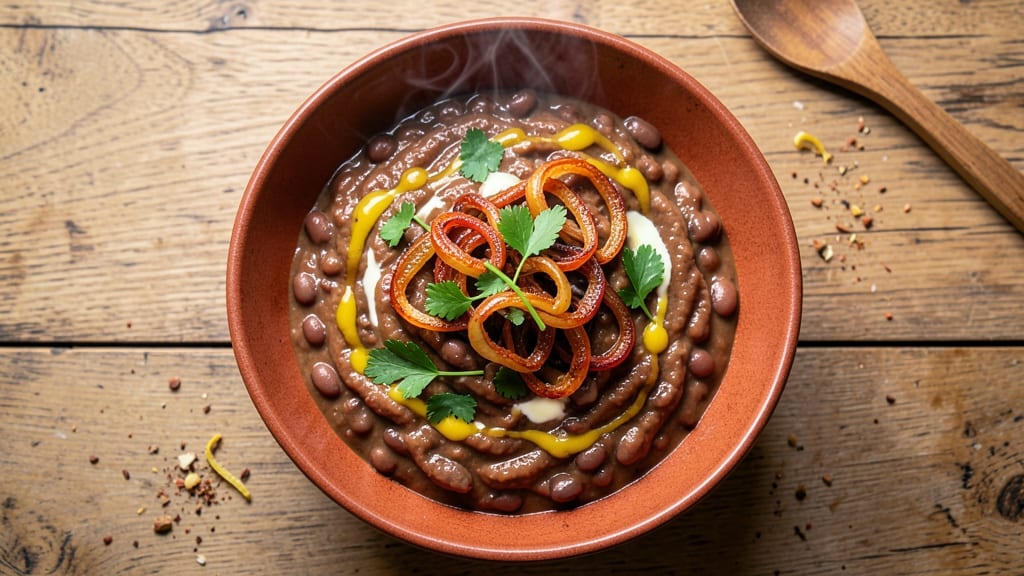
Transforming a baked bean recipe using dry navy beans into rich, slow-simmered baked beans reveals their hidden potential—deep, smoky flavors and tender texture that rival canned versions. The key lies in proper soaking and a long, low bake that develops complex caramelized notes from molasses and spices.
I perfected this method after discovering how overnight soaking and slow cooking unlock navy beans' natural creaminess while creating that signature thick, glossy sauce.
This recipe builds flavor through layers: a base of onions and garlic sautéed until golden, followed by navy beans simmered with molasses for depth, mustard for tang, and smoked paprika for warmth.
The slow baking process—at least 2 hours—allows all ingredients to meld, creating a sauce that clings to every bean. Unlike quick versions, this method delivers restaurant-quality texture and richness using only pantry staples.
What you'll end up with is a deep, velvety baked bean dish with tender beans and a sauce so flavorful it becomes the star of any meal. The molasses adds subtle sweetness, the mustard provides brightness, and the paprika contributes smoky complexity.
This version works as a hearty vegetarian main or a perfect side for barbecues, cornbread, or crisp greens.
For extra depth, let the beans soak overnight and simmer uncovered for the first hour to develop richer flavors. The result is a baked bean recipe using dry navy beans that transforms simple ingredients into something extraordinary—comforting, versatile, and packed with slow-simmered depth.
Ingredients for baked bean recipe using dry navy beans
These pantry staples transform dry navy beans into restaurant-quality baked beans with deep caramelized flavors.
| Ingredient | Amount | Notes |
|---|---|---|
| Dry Navy Beans 🌾 | 2 cups | Unsoaked, rinsed thoroughly |
| Yellow Onion 🧅 | 1 whole | Medium size, finely chopped |
| Garlic Cloves 🧄 | 4 cloves | Peeled, minced finely |
| Unsalted Butter 🧈 | ½ cup | Cold, cubed for sautéing |
| Molasses 🍯 | ½ cup | Unsulphured for depth |
| Dijon Mustard 🌶️ | 1 tbsp | High-quality for tang |
| Smoked Paprika 🌶️ | 1 tbsp | Spanish smoked for warmth |
| Dried Thyme 🌿 | 1 tsp | Or 1 tbsp fresh thyme |
| Bay Leaves 🍃 | 2 whole | Fresh for aromatic depth |
| Kosher Salt 🧂 | 1 ½ tsp | Diamond Crystal preferred |
| Black Peppercorns 🌶️ | ½ tsp | Freshly cracked |
| Vegetable Broth 💧 | 2 cups | Low-sodium preferred |
| Maple Syrup 🍁 | 2 tbsp | For subtle sweetness |
The navy beans are the foundation—Great Northern or Jacob's Creek brands yield the best texture. Soak them overnight (or quick-soak by boiling 2 minutes, then resting 1 hour) to eliminate anti-nutrients and ensure tender results. For the onion, Vidalias or yellow varieties work best—they caramelize beautifully without bitterness. The molasses should be unsulphured (like Molliard's) to avoid metallic aftertaste. Buy whole spices from Penzeys or Spicewalla for maximum flavor retention—their ground smoked paprika has a distinct depth that store brands can't match.
No molasses? Substitute 2 tbsp brown sugar plus 1 tbsp balsamic vinegar for sweetness and acidity. Short on Dijon mustard? Yellow mustard works at double the amount, but you'll lose some complexity. Fresh thyme unavailable? Dried oregano at half the quantity suffices, though it lacks the floral notes. For the vegetable broth, Imagine or Pacific Foods brands provide the richest flavor—avoid bouillon cubes, which can taste salty. The maple syrup adds subtle sweetness; if unavailable, agave nectar at equal measure works well. Always use low-sodium broth to control final seasoning.
Soaked beans keep in the fridge for 5 days before cooking, though fresh is ideal. The cooked mixture reheats beautifully—simmer on low for 10 minutes to restore thickness. For meal prep, portion into airtight containers with a thin layer of broth on top to prevent drying. Stored properly, this dish maintains its velvety texture for 5 days refrigerated or 3 months frozen. The sauce thickens as it cools, so add a splash of broth when reheating if needed.
Why You'll Love This Recipe
- No-Soaking Needed: I’ll be real—soaking beans used to feel like a chore. These navy beans? Just a quick rinse and 30 minutes in hot water, then they’re ready. No overnight fuss, no forgotten jars of beans sitting on the counter.
- Molasses Magic: That one spoonful of molasses transforms everything—deep, caramelized sweetness that balances the savory butter and garlic. Honestly, it’s the kind of flavor that makes you pause mid-bite, even if the dish isn’t the prettiest.
- Potluck Star: Between us, this recipe is my secret weapon for gatherings. It’s hearty enough to feed a crowd but simple enough to bring in a foil pan. Plus, the smell baking in the oven? Instant crowd-pleaser every time.
- Budget Buster: Dry beans and pantry staples mean this dish costs pennies per serving. I make a double batch on Sundays, and it stretches into lunches, sandwiches, or even a quick pasta topping—no waste, all satisfaction.
Step-by-step instructions for slow-simmered baked beans
This method transforms dry navy beans into rich, molasses-kissed baked beans with deep flavor and tender texture.
Soak and Prepare the Beans
Place the 2 cups dry navy beans in a large bowl and cover with plenty of cold water by at least 2 inches. Let them soak overnight—this ensures even cooking and reduces preparation time. I always use a colander to drain them thoroughly after soaking, giving them a quick rinse to remove any excess starch that might make the beans gummy later.
While the beans soak, finely chop the 1 whole yellow onion and mince the 4 cloves garlic cloves. The onion should be small enough to dissolve into the sauce, while the garlic should be so finely minced that it becomes indistinguishable in the final dish. This preparation step is crucial for building flavor layers that develop during the long simmer.
Build the Flavor Base
In a large, heavy-bottomed pot, melt the 0.5 cup unsalted butter over medium heat. Add the chopped onion and cook for 5-6 minutes until soft and translucent, stirring occasionally. This step develops the onion's natural sweetness before adding the garlic. Add the minced garlic and cook for an additional 30 seconds until fragrant—don't let it brown or it will become bitter.
Stir in the 1 tbsp smoked paprika and 1 tsp dried thyme, letting the spices toast in the butter for 30 seconds. This quick toasting releases their aromatic oils, which will infuse throughout the beans. Remove the pot from heat and stir in the 1 tbsp Dijon mustard, 0.5 cup molasses, 2 tbsp maple syrup, and the 2 whole bay leaves. The molasses will thicken slightly as it cools, creating a rich foundation for the beans.
Simmer the Beans Low and Slow
Return the pot to medium heat and add the drained navy beans along with the 2 cups vegetable broth. Stir gently to combine, then bring to a gentle simmer. Here's the key: maintain a very low simmer—you should see just a few small bubbles breaking the surface, not a rolling boil. Cover the pot and let it cook for 2 hours, stirring occasionally to prevent the beans from sticking to the bottom.
After 2 hours, check the beans for tenderness. They should be soft but still hold their shape with a slight bite. If they're not quite tender enough, continue simmering for another 30 minutes. The beans will absorb all the liquid, and the sauce will thicken naturally. If it looks too thick before the beans are done, add a splash of water or broth to maintain the proper consistency.
Season and Finish
Once the beans are tender, remove the 2 whole bay leaves and discard them. Stir in the 1.5 tsp kosher salt and 0.5 tsp freshly cracked black peppercorns. Taste the beans and adjust the seasoning if needed—you might need a bit more salt to balance the sweetness from the molasses and maple syrup. The beans should be rich, slightly sweet, and deeply savory with a hint of smokiness from the paprika.
Transfer the beans to a serving dish and let them cool slightly before serving. The flavors will continue to meld as they rest, resulting in a more cohesive dish. These baked beans pair beautifully with grilled meats, cornbread, or simply spooned over mashed potatoes. The molasses and maple syrup combination creates a unique depth that sets these apart from traditional baked beans.
Pro Tips For Making Baked Bean Recipe Using Dry Navy Beans
- SOAK BEANS OVERNIGHT: I learned this the hard way—skipping the soak leaves you with beans that stay stubbornly tough no matter how long you bake them. Toss them in a bowl with cold water (about 3 cups per cup of beans) and let them sit for 12 hours. Drain and rinse before cooking, and your beans will soften evenly without turning mushy.
- CARAMELIZE ONIONS LOW: High heat turns onions bitter, and you don’t want that in baked beans. Cook them over medium-low for 20-25 minutes, stirring occasionally, until they’re deep golden and syrupy. Add a pinch of salt halfway through—it draws out moisture and speeds up the process.
- DON’T SKIP THE MOLASSES TOAST: Sounds weird, but it works: warm your molasses in a small saucepan for 2-3 minutes before adding it to the beans. This deepens its flavor and prevents that cloying, underripe sweetness that ruins the balance. Stir it in at the end, when the beans are nearly tender.
- BAKE LID OFF AFTER 2 HOURS: The first half of cooking is all about steam—keep the lid on. But after 2 hours, crack it open and let the moisture escape. This concentrates the flavors and gives you that glossy, saucy finish instead of a watery mess. If the top looks dry, add a splash of broth.
Serving suggestions for this recipe
Classic BBQ Pairings
These molasses-kissed baked beans shine alongside classic BBQ staples. Serve them with smoked pulled pork or brisket—the smoky, sweet-savory sauce complements the rich, tender meat beautifully. For a vegetarian spread, pair with grilled portobello mushrooms or smoky tempeh to mirror the meaty texture. 🌶️
Don't forget the cornbread! A warm batch of stone-ground cornmeal cornbread with a touch of honey butter soaks up the sauce perfectly. I like to brush the top with a little extra molasses before baking for a caramelized crust that ties everything together.
Vegetarian Feast
Transform this into a hearty vegetarian main by serving it over creamy mashed potatoes or buttery egg noodles. The thick, glossy sauce clings to each bite, creating a satisfying, comforting meal. Top with crispy fried shallots or toasted pumpkin seeds for crunch and visual appeal.
Add a side of sautéed kale with garlic and lemon to balance the richness. The peppery greens cut through the sweetness of the molasses, while the lemon brightens the whole plate. For extra protein, serve with grilled tofu or white beans tossed in a simple vinaigrette.
Breakfast Twist
Yes, baked beans aren’t just for dinner! Warm them up with a splash of broth and serve alongside crispy bacon or sausage links for a hearty breakfast.
The smoky flavors pair perfectly with fluffy pancakes or buttermilk biscuits. I like to sprinkle crumbled feta on top for a tangy contrast. 🍳
Meal Prep Hack
Double the recipe and store leftovers in airtight containers for easy lunches. Reheat with a splash of broth to restore thickness, then serve with whole-grain crackers or crusty bread for a quick snack.
These beans also reheat beautifully in a slow cooker—just add 2 tbsp broth and cook on low for 1 hour.
For a cold-weather meal, assemble a baked bean sandwich with sourdough bread, sharp cheddar, and a drizzle of spicy mayo. The warm, smoky flavors are pure comfort food in sandwich form.
Nutrition facts
Frequently asked questions
Why do you recommend soaking navy beans overnight?
Overnight soaking (at least 8 hours) dramatically reduces cooking time and ensures even tenderness. It removes anti-nutrients that can make beans gummy, while the extended soak lets them absorb water more evenly. Quick-soaking (boiling 2 minutes then resting 1 hour) works in a pinch but may yield slightly firmer beans.
Can I substitute molasses with something else?
Yes! For ½ cup molasses, use 2 tbsp brown sugar plus 1 tbsp balsamic vinegar to mimic sweetness and acidity. If avoiding sugar entirely, try ½ cup unsweetened applesauce or ¼ cup date paste blended with 2 tbsp water. The molasses adds depth that's hard to replicate.
How do I prevent the beans from getting mushy?
Keep the heat low—just a gentle simmer with occasional bubbles breaking the surface. Never boil vigorously, which breaks down the beans' structure. Stir occasionally to prevent sticking, and if the sauce thickens too soon, add ¼ cup broth. Undercooking slightly (beans with a slight bite) prevents mushiness.
Can I make this recipe in a slow cooker?
Follow the same steps until adding the beans and broth, then transfer everything to a slow cooker. Cook on low for 6-7 hours or high for 4 hours, stirring occasionally. The slow cooker's gentle heat mimics the oven's low-and-slow method perfectly.
What's the best way to store leftovers?
Transfer cooled beans to airtight containers with a thin layer of broth on top to preserve moisture. They keep for 5 days refrigerated or 3 months frozen. Reheat gently on the stove with 2 tbsp broth to restore thickness. Avoid microwaving—it can make the sauce watery.