
Side Dishes
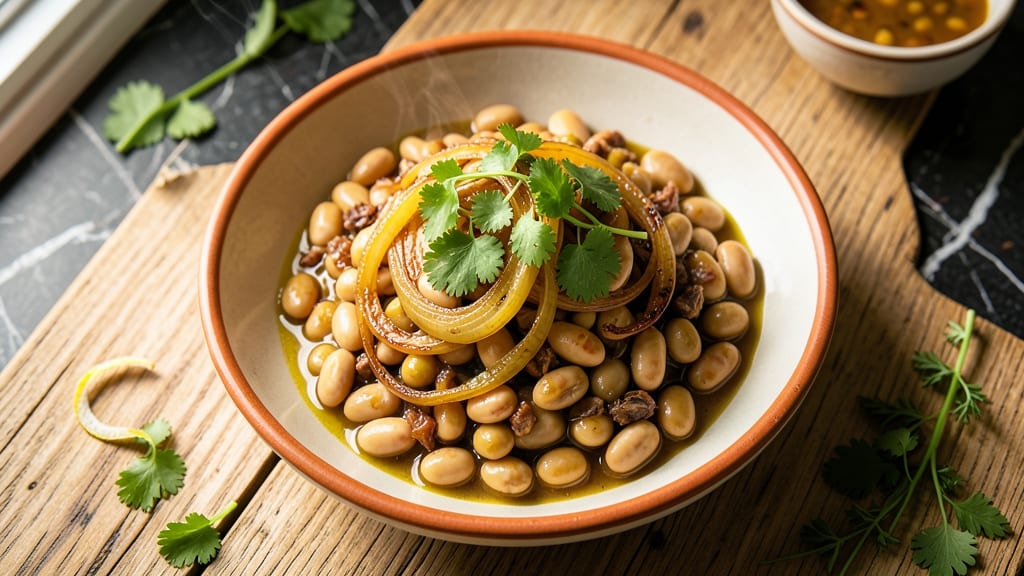
This Azorean fava bean recipe brings the rich, earthy flavors of the Azores straight to your kitchen, where simple ingredients transform into a hearty, aromatic puree.
The secret lies in slow-cooking dried fava beans until tender, then blending them with garlic, cumin, and olive oil for a dish that’s both rustic and deeply satisfying.
I first discovered this recipe while researching traditional Azorean cuisine, and it quickly became a staple in my home—especially during colder months when its warming qualities shine.
The beauty of this dish is its versatility—it can be served as a standalone side or paired with grilled meats, fish, or crusty bread to soak up every last drop of that flavorful puree.
The garlic and cumin infuse the beans with layers of warmth, balancing their natural earthiness, while a touch of cilantro adds freshness at the end. What makes this recipe truly special is how it captures the essence of Azorean cooking: bold, unpretentious, and deeply connected to the land.
By the time you’re done, you’ll have a velvety, golden puree that’s rich in texture and aroma—perfect for those who love hearty, comforting dishes with a touch of cultural authenticity.
The process is straightforward, but the result is anything but ordinary. This isn’t just a side dish; it’s a taste of the Azores, brought to life in your own kitchen.
Serve it alongside roasted vegetables, grilled sausages, or even as a base for a light soup. The possibilities are endless, but the foundation—those tender, spiced fava beans—is what truly makes this recipe unforgettable.
Ingredients for azorean fava bean
These simple ingredients transform into a velvety Azorean puree that's rich and deeply satisfying.
| Ingredient | Amount | Notes |
|---|---|---|
| Dried Fava Beans 🌾 | 1 ½ cups | Soaked overnight, rinsed |
| Garlic Cloves 🧄 | 6 cloves | Peeled, rough chopped |
| Ground Cumin 🌿 | 1 ½ tsp | Toasted for deeper flavor |
| Extra-Virgin Olive Oil 🫒 | ½ cup | High quality, fruity |
| Fresh Cilantro 🌿 | ¼ cup | Chopped, stems removed |
| Large Yellow Onion 🧅 | 1 whole | Diced, medium size |
| Bay Leaves 🌿 | 2 whole | Dried, crumbled |
| Salt 🧂 | 1 ½ tsp | Diamond Crystal preferred |
| Black Peppercorns 🌶️ | ½ tsp | Freshly cracked |
| Fresh Lemon Juice 🍋 | 2 tbsp | From 1 small lemon |
| Water 💧 | 4 cups | Filtered preferred |
| Crusty Bread 🍞 | 4 slices | For serving, optional |
The dried fava beans are the heart of this dish—look for plump, firm beans at specialty stores or online (they're worth seeking out). I usually grab mine from Penzeys or the bulk section at Whole Foods. Soaking overnight softens them perfectly, but if you're short on time, a 6-hour soak works too. The onion and garlic? Fresh is non-negotiable here—they're the base of all that warm, aromatic flavor. Toast the cumin seeds in a dry pan for 30 seconds before grinding to wake up their flavor—trust me, it makes a difference.
No fresh cilantro? Dried cilantro at half the amount works in a pinch, but it's not the same. Running out of bay leaves? Dried thyme at one-third the quantity gives a similar earthiness. Substitute olive oil with avocado oil if you prefer, but the fruity notes of olive oil are key to that Azorean taste. The lemon juice can be swapped for white wine vinegar if you're out, but fresh lemon adds that bright finish. For extra richness, stir in 1 tbsp tahini at the end—it's a secret I picked up from an Azorean chef.
This puree tastes even better the next day once all the flavors meld. Store in an airtight container in the fridge for up to 5 days, or freeze for 3 months in portions. I like to make a big batch and freeze half—perfect for lazy weeknights when you want that comforting Azorean flavor without the prep. The crusty bread? Sourdough or rustic Italian loaf works best—torn into pieces to soak up every last bit of that creamy puree.
Why You'll Love This Recipe
- No-Soak Required: I swear by these dried fava beans—just toss them in a pot with water, a pinch of salt, and let them simmer. No overnight soaking, no fuss, and they turn into the creamiest, most satisfying texture you’d expect from a recipe that’s actually easy.
- Earthy Garlic Kiss: That moment when the garlic sizzles in the olive oil and the cumin blooms? It’s the kind of aroma that makes your kitchen smell like a sunlit Azorean market. The beans soak it all up, delivering a flavor that’s bold but never overpowering—like a warm hug for your taste buds.
- Leftover Goldmine: Between us, I make this twice a week because it’s that good cold the next day. Toss it into wraps, pile it on toast, or just eat it straight from the pot with a sprinkle of cilantro—it’s the ultimate lazy lunch or dinner fix when you’ve got nothing else planned.
- Pantry Staple Magic: Honestly, this recipe uses things you already have: dried beans, olive oil, garlic. No specialty trips, no last-minute grocery runs. It’s the kind of dish that proves you don’t need a gourmet kitchen to make something that tastes like it belongs on a restaurant menu.
Step-by-step instructions for Azorean fava beans
Transform simple dried fava beans into a rich, earthy Azores-inspired puree with bold garlic and cumin.
Soak and Prepare the Fava Beans
Place the 1.5 cups dried fava beans in a large bowl and cover them with plenty of cold water—at least 8 cups—to ensure they soak completely. Let them soak overnight, or for a minimum of 12 hours, until they're tender when pressed between your fingers. This step is crucial because dried fava beans need plenty of time to rehydrate and soften properly.
After soaking, drain the beans and rinse them thoroughly under cold water to remove any impurities. Give them a quick stir in the colander to ensure all the skins are loosened. You'll notice the beans will have expanded significantly—this is normal and indicates they're ready for cooking. Transfer the drained beans to a large pot and add the 4 cups water, 2 whole bay leaves, and 1.5 tsp salt. Bring to a boil over medium-high heat.
Simmer Until Fork-Tender
Once boiling, reduce the heat to medium-low and let the fava beans simmer gently for 1 to 1.5 hours, stirring occasionally to prevent sticking. You'll know they're ready when they're fork-tender—meaning they should mash easily with a fork but still hold their shape slightly. If they're not quite soft enough after an hour, continue simmering for another 15-20 minutes.
While the beans cook, dice the 1 whole large yellow onion into small, even pieces. Toast the 1.5 tsp ground cumin in a dry skillet over low heat for 1-2 minutes until fragrant—this step deepens the cumin's flavor and prevents a raw taste in your puree. Set aside for later.
Build the Flavor Base
In a large skillet, heat the 0.5 cup extra-virgin olive oil over medium heat. Add the diced onion and cook for 5-6 minutes until softened and translucent. Stir in the toasted cumin and cook for another 30 seconds until the oil is fragrant. Add the 6 cloves rough-chopped garlic and cook for 1 minute until golden—not browned, just slightly toasted.
Pour the cooked onion, garlic, and cumin mixture into the pot with the fava beans. Stir well to combine, then add the 0.5 tsp freshly cracked black peppercorns. Let the mixture simmer together for 10 minutes to allow the flavors to meld. The beans should now be fully tender and infused with the aromatic spices.
Create the Puree
Using an immersion blender, blend the fava bean mixture directly in the pot until completely smooth. If you don't have an immersion blender, carefully transfer the mixture to a regular blender, working in batches if necessary. Blend until no lumps remain and the puree is silky. The texture should be thick but still pourable—like a luxurious hummus.
Return the puree to the pot and stir in the 2 tbsp fresh lemon juice. Taste and adjust the seasoning with additional salt if needed—Azorean fava beans should have a bright, earthy flavor with a subtle tang. Keep the puree warm over low heat while you prepare the bread for serving.
Serve With Crusty Bread
Ladle the warm fava bean puree into serving bowls, garnishing each portion with the 0.25 cup chopped fresh cilantro. The bright green color will contrast beautifully with the earthy beige of the puree. Serve immediately with the 4 slices crusty bread on the side for dipping—this is where the Azorean tradition shines.
Each bite should deliver a harmonious blend of creamy texture, garlicky depth, and the warm, toasty notes of cumin. The lemon juice brightens the dish, cutting through the richness while enhancing the natural earthiness of the fava beans. Enjoy this hearty, comforting dish that captures the essence of Azorean cuisine.
Pro Tips For Making Azorean Fava Bean
- SOAK BEANS OVERNIGHT: I learned this the hard way—rushing the soak means tough, mealy beans. Cover dried favas in water (at least 3 inches above them) and let them sit 12+ hours. Add a pinch of baking soda to soften skins faster (yes, even if you’re impatient like me).
- CRUSH GARLIC GRANULARLY: Skip the mincer—roughly chop garlic cloves into tiny, uneven pieces. This releases flavor without burning, and the texture blends better into the dish. Too fine? You’ll end up with a paste that sticks to the pan.
- LOW AND SLOW SIMMER: After boiling beans, reduce heat to a bare simmer (just tiny bubbles breaking the surface). High heat turns favas mushy; low heat keeps them tender and intact. Cover loosely and check every 10 minutes—adjust heat as needed.
- FINISH WITH ACID: Stir in a splash of lemon juice or vinegar at the end. It brightens the earthy beans and balances the cumin’s warmth. I used to skip this, but it’s the thing that makes the dish sing—especially when topped with fresh cilantro.
Flavor customization for these flavors
Spicy Azorean Twist
Add ½ tsp smoked paprika and ¼ tsp cayenne pepper to the cumin when toasting for a subtle smoky heat that echoes Azorean morcela (blood sausage) flavors.
For extra kick, stir in 1 tbsp Azorean hot sauce (like Pimenta da Terra) at the end—this adds a fruity, slightly sweet heat that balances the earthy beans. 🌶️
Herb Variations
Swap cilantro for fresh dill (about ¼ cup chopped) for a brighter, more Mediterranean profile that still honors Azorean roots. Alternatively, add 1 tbsp chopped fresh parsley with the cilantro for a fresher finish. Both options work beautifully with grilled fish or roasted vegetables.
Smoky Garlic Boost
For deeper garlic flavor, roast the 6 garlic cloves whole in their skins at 400°F for 20 minutes before peeling and chopping. The caramelized, smoky notes elevate the puree to restaurant-quality richness. This technique is inspired by Azorean alcatra (garlic-rich stews) and takes just 10 minutes of extra effort.
Citrus Brightness
Replace lemon juice with 2 tbsp orange juice and 1 tsp orange zest for a sweeter, more complex citrus note. This variation pairs perfectly with grilled pork chops or roasted potatoes. The orange zest also adds a beautiful golden hue to the puree, making it even more visually appealing.
Creamy Upgrade
Stir in 2 tbsp crème fraîche or 1 tbsp Greek yogurt at the end for a silky, luxurious texture that still keeps the dish authentically Azorean. This works especially well if you're serving the puree as a dip or spread.
For a vegan option, use 2 tbsp coconut yogurt—just be sure to use full-fat for best results.
Smoked Paprika Finish
Sprinkle ¼ tsp smoked paprika over the finished puree just before serving to add a subtle smokiness that reminds me of Azorean chouriço (smoked sausage). This finishing touch is simple but transforms the dish into something truly special, especially when paired with grilled meats or crusty bread. 💫
Nutrition facts
Frequently asked questions
Can I use canned fava beans instead of dried?
While you can use canned fava beans for convenience, the texture and flavor won't be the same. Dried beans develop a deeper, earthier taste when slow-cooked, which is essential for authentic Azorean flavor. If you must use canned, drain and rinse them well, then simmer for 20-30 minutes with the other ingredients to absorb the flavors. The puree will be thinner, so you may need to reduce it slightly over low heat.
How do I know when the fava beans are fully cooked?
The beans are done when they're fork-tender—meaning they should mash easily with a fork but still hold their shape slightly. Press one between your fingers; if it collapses completely, they're ready. For dried beans, this typically takes 1 to 1.5 hours of simmering. If they're still firm after that time, add ½ cup water and cook for another 15 minutes.
What’s the best way to store leftovers?
Transfer the puree to an airtight container and refrigerate for up to 5 days. For longer storage, freeze in portions for 3 months. To reheat, warm gently over low heat on the stovetop, stirring frequently to prevent scorching. You can also microwave in 30-second intervals, stirring between each, until warmed through.
Can I make this recipe without garlic?
While garlic is a key flavor in Azorean cuisine, you can omit it if needed. Replace it with an extra ½ tsp cumin and 1 tbsp lemon zest to compensate for the missing depth. For a milder version, add 1 tsp onion powder and ½ tsp smoked paprika to mimic the savory notes. The dish will still be delicious, though less aromatic.
What’s the best bread to serve with this puree?
Look for crusty, rustic bread with a thick, chewy texture—like sourdough, ciabatta, or a traditional Azorean pão. The crust should be firm enough to hold up to dipping but soft enough to soak up the puree. Avoid soft breads like brioche, as they’ll get soggy too quickly. Warm the bread slightly before serving to enhance its flavor.