
Soups & Stews
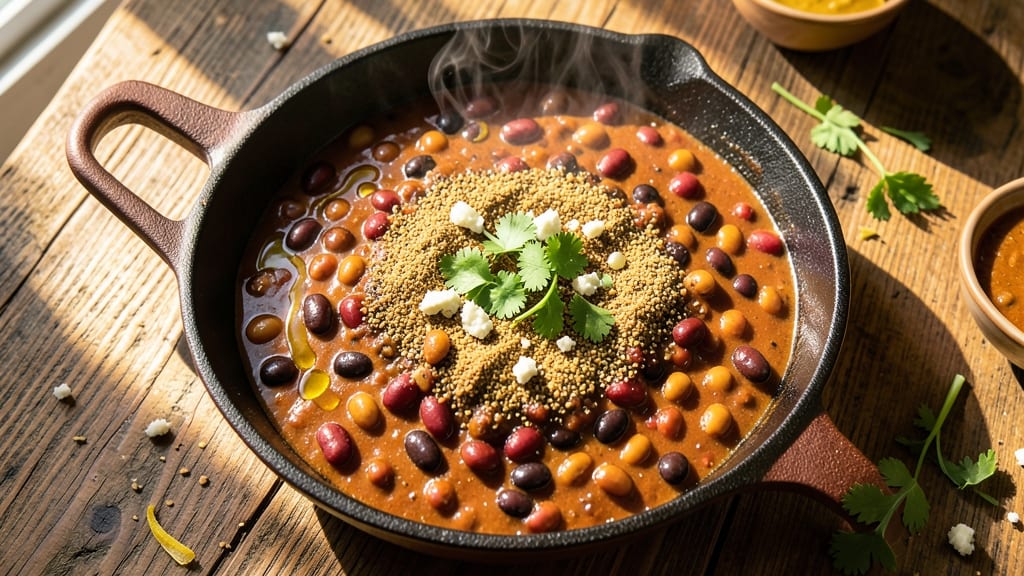
This Anasazi Bean Chili recipe brings ancient Southwestern traditions to your kitchen with its deep, earthy flavors and three-bean blend. Rooted in Native American cuisine, this vegetarian chili delivers hearty texture and bold spices that have been perfected over generations.
The combination of pinto, kidney, and black beans creates a satisfying, protein-rich dish that's both nourishing and deeply flavorful.
The beauty of this recipe lies in its simplicity and versatility—no meat required, yet packed with savory depth from cumin, chili powder, and smoked paprika. A slow simmer allows the beans to soften and absorb the aromatic broth, resulting in a chili that's rich, slightly sweet, and perfectly balanced.
Whether you're following traditional vegetarian roots or adding optional ground beef, this chili adapts effortlessly to your preferences.
By the time it finishes simmering, you'll have a chili that's ready to be served with warm cornbread or tortillas, offering a taste of history with every spoonful. The flavors only deepen over time, making it an ideal dish for meal prep or feeding a crowd.
This is comfort food with cultural roots—simple to make, but impossible to forget.
Perfect for chilly evenings or potlucks, this chili proves that vegetarian meals can be just as hearty and satisfying as their meat-based counterparts. The secret? Letting the spices and beans shine on their own. Let's get cooking!
Ingredients for anasazi bean chili
Three beans, bold spices, and a slow simmer—this chili brings Southwestern traditions to your pot.
| Ingredient | Amount | Notes |
|---|---|---|
| Pinto Beans 🌿 | 1 ½ cups | Dried or canned, drained |
| Kidney Beans 🌿 | 1 cup | Dried or canned, drained |
| Black Beans 🌿 | 1 cup | Dried or canned, drained |
| Onion 🧅 | 1 whole | Yellow, diced small |
| Garlic Cloves 🧄 | 4 cloves | Minced finely |
| Tomato Paste 🍅 | ½ cup | Smooth, not chunky |
| Chili Powder 🌶️ | 2 tbsp | Smoky, not sweet |
| Ground Cumin 🌿 | 1 ½ tbsp | Toasted for depth |
| Smoked Paprika 🌶️ | 1 tbsp | For authentic smokiness |
| Dried Oregano 🍃 | 1 tsp | Mexican oregano preferred |
| Cayenne Pepper 🔥 | ½ tsp | Adjust for heat |
| Vegetable Broth 💧 | 3 cups | Low-sodium preferred |
| Extra-Virgin Olive Oil 🫒 | 2 tbsp | For sautéing |
| Salt 🧂 | 1 tsp | Kosher or sea salt |
| Black Pepper 🌶️ | ½ tsp | Freshly ground |
| Cumin Seeds 🌿 | ½ tsp | Toasted, optional |
The beans are the heart of this chili, so dried is ideal—soak overnight for best texture. If using canned, drain and rinse well to cut excess sodium. Trader Joe's has great dried beans, or check the bulk section at Whole Foods for organic options. The three-bean combo gives you that classic Anasazi texture—pinto for heartiness, kidney for color, and black for depth. Don't skip the soaking step if using dried; it's what makes the beans tender without falling apart.
No smoked paprika? Regular paprika plus a pinch of liquid smoke works in a pinch. Want more heat? Double the cayenne, but trust me—this chili packs enough flavor without it. The tomato paste is non-negotiable for that rich, concentrated sweetness. If you're feeling fancy, San Marzano tomatoes make the paste even better. The vegetable broth should be low-sodium—Pacific Foods or Imagine brands are my go-tos. And if you've got whole cumin seeds, toast them in a dry pan for 30 seconds before grinding—they add a whole new layer of warmth.
This chili tastes even better the next day, so make a double batch if you can. Keeps for 5-6 days in the fridge, or freeze for up to 3 months. I like to portion it into containers with a scoop of cornbread on top—ready for grab-and-go lunches. The flavors meld beautifully over time, so don't rush it. If you're prepping for a crowd, double the spices—they'll mellow slightly as the chili sits.
Why You'll Love This Recipe
- No-Sweat Simmer: I swear by this one—just toss in the dried beans (no soaking!) with onions and garlic, add water, and let it bubble. By the time dinner rolls around, you’ve got a pot of rich, hearty chili with zero fuss. The pinto, kidney, and black beans blend into that perfect thick, smoky texture without needing a blender.
- Smoky Garlic Magic: That slow-cooked garlic? It’s the star. The cloves soften into sweet, sticky pockets that melt against the beans, while the onions caramelize just enough to give it depth. Honestly, the first time I tasted it, I thought, "Wait, is this from a restaurant?"—but it’s just your stovetop.
- Leftovers That Beg: This chili tastes even better the next day. I’ll be real: my freezer is packed with containers of it because it’s the kind of dish that disappears faster than I can reheat it. Toss it into burritos, over rice, or straight from the pot—it’s always a hit.
- Budget-Friendly Pantry Hero: Three types of beans? Check. Onion and garlic? Always in my fridge. The ingredients cost pennies but deliver serious flavor. Between us, this is how I feed my family for under $2 a serving—no fancy labels, just real, satisfying food.
Step-by-step instructions for Anasazi bean chili
This ancient Southwest chili delivers deep, layered flavor through three bean varieties and careful spice development.
Toast the Spices for Maximum Depth
Heat a dry skillet over medium-low heat and add the 0.5 teaspoon cumin seeds. Toast them for 30 seconds until they begin to sizzle and release their aroma—this is when they'll develop their nutty complexity. Immediately transfer the toasted seeds to a spice grinder or mortar and pestle and grind them into a fine powder.
To the same skillet, add the 2 tablespoons chili powder, 1.5 tablespoons ground cumin, 1 tablespoon smoked paprika, 1 teaspoon dried oregano, and 0.5 teaspoon cayenne pepper. Stir constantly for 1 minute until the spices are fragrant and slightly darkened—this activates their flavors. Remove from heat and let cool slightly while you prepare the aromatics.
Develop the Flavor Base with Onion and Garlic
In a large Dutch oven, heat the 2 tablespoons extra-virgin olive oil over medium heat. Add the 1 whole onion, diced small, and cook for 8-10 minutes until softened and beginning to caramelize along the edges—this sweetness forms the foundation of the chili. Stir occasionally to prevent burning.
Add the 4 cloves garlic cloves, minced finely, and cook for 30 seconds until fragrant. Here's the thing—don't let the garlic brown or it'll turn bitter. Immediately add the toasted spice blend and stir for 1 minute to toast the spices in the onion's natural oils, deepening their flavor.
Build the Chili with Beans and Broth
Stir in the 0.5 cup tomato paste and cook for 2 minutes until it darkens slightly—this removes the raw taste and intensifies its umami. Add the 1.5 cups pinto beans, 1 cup kidney beans, and 1 cup black beans, stirring to coat them in the spice mixture. Pour in the 3 cups vegetable broth and bring to a gentle simmer.
This is where the magic happens: the beans will absorb the broth and spices, creating a cohesive texture. Simmer uncovered for 20 minutes, stirring occasionally, until the liquid reduces slightly and the flavors meld. You'll notice the chili becoming thicker and more aromatic as the starches from the beans release.
Season and Simmer to Perfection
Add the 1 teaspoon salt and 0.5 teaspoon black pepper, then taste and adjust the seasoning. The chili should be balanced—sweet from the onion, smoky from the spices, and tangy from the tomato. If it needs more depth, add a pinch of cayenne or a splash of broth.
Continue simmering for 25-30 minutes until the chili reaches your desired consistency. It should be thick enough to coat the back of a spoon but still have a slight brothiness. The longer it simmers, the more the flavors develop. Real talk: this is the moment that matters—don't rush it. The chili will only improve with time.
Rest and Serve with Confidence
Remove the chili from heat and let it rest for 10 minutes—this allows the flavors to fully integrate and the texture to set. Serve immediately with toppings like avocado, cilantro, or a dollop of sour cream. The chili should be rich, complex, and perfectly balanced between smoky, sweet, and spicy notes.
Each bite should deliver the earthy depth of the three bean varieties, the warmth of the spices, and the sweetness of the caramelized onion. If the chili thickens too much after resting, simply stir in a splash of warm broth to loosen it. This chili tastes even better the next day as the flavors continue to develop.
Pro Tips For Making Anasazi Bean Chili
- Sauté Onions Low and Slow: I learned this the hard way—caramelizing onions for Anasazi chili at high heat turns them bitter fast. Keep the heat at medium-low until they’re soft and translucent (about 8-10 minutes), then only crank it up for garlic. The extra patience gives that deep, sweet base the recipe needs.
- Pre-Soak Beans Overnight: Skipping this is how you end up with a chili that tastes like it’s fighting for moisture. Pinto, kidney, and black beans soak up water like sponges—give them 8+ hours in cold water, then drain. No time? At least quick-soak them in boiling water for 2 hours. Your future self will notice the difference in texture and flavor.
- Crush Half the Garlic: Whole cloves work, but crushed garlic blends into Anasazi chili more evenly. Use 3 whole cloves for aroma and 3 minced (or lightly smashed) for depth. Trust me, the crushed ones disappear into the mix and add a richer layer of flavor without overpowering.
- Simmer, Don’t Boil: After adding tomatoes and spices, keep the heat at a gentle simmer—not a rolling boil. Boiling scalds the beans and makes them tough; simmering lets them absorb flavors slowly. A steady 30-45 minutes at low heat is all it takes to get that tender, cohesive texture.
Regional styles of this recipe
Ancestral Pueblo Roots
The Anasazi Bean Chili traces back to the Ancestral Pueblo people of the Southwest, who cultivated the "Three Sisters"—corn, beans, and squash—over 1,000 years ago. This chili reflects their agricultural wisdom, using pinto, kidney, and black beans as the foundation.
The name "Anasazi" (meaning "ancient ones") honors their legacy, though modern versions often incorporate tomatoes and spices introduced after European contact. 🌿
Traditionally, this chili was cooked in clay pots over open fires, allowing flavors to meld slowly. The smoky paprika and cumin mimic the earthy tones of pit-roasted meats, while the tomato paste adds a touch of acidity that balances the beans' richness.
This dish wasn’t just food—it was a communal experience, often shared during harvest festivals or long winter nights.
Navajo-Inspired Variations
The Navajo Nation adopted and adapted this chili, adding blue cornmeal to thicken it or dried chiles for extra heat. Some versions include wild game like venison or rabbit, though the vegetarian core remains.
I’ve seen families add crumbled fry bread on top—a nod to Navajo fry bread traditions—creating a crispy, savory contrast. The key is keeping the three-bean blend intact for that authentic texture.
Navajo cooks often finish the chili with chopped epazote, a herb native to the Southwest, which adds a mild licorice-like flavor and aids digestion. If you can’t find epazote, a pinch of dried thyme works in a pinch.
The Navajo approach emphasizes seasonal ingredients, like roasted pumpkin or squash, stirred into the chili during fall and winter months.
Modern Southwestern Twists
Today’s chefs in Santa Fe and Albuquerque put their own spin on Anasazi Bean Chili, often adding roasted poblano peppers or Hatch green chiles for a fiery, smoky kick. Some versions swap tomato paste for blended roasted tomatoes, deepening the umami.
I love adding charred corn kernels for a touch of sweetness—it’s a direct homage to the Three Sisters. 🌶️
For a fusion twist, try topping the chili with avocado crema (blend avocado with lime and cilantro) or pickled red onions for brightness. In Arizona, you’ll find versions with cactus pear (prickly pear) added for a tart, floral note.
The beauty of this chili is its adaptability—whether you stick to tradition or experiment, the three-bean base keeps it true to its roots.
Texas-Mexican Adaptations
Crossing into Texas, Anasazi Bean Chili often gets a bolder, spicier profile, with chipotle powder or Tajín added for complexity. Tex-Mex versions might include chorizo or ground beef, though purists argue this strays from the vegetarian spirit.
I’ve tasted amazing versions where the chili is thickened with masa harina instead of beans, creating a corn-based stew—a nod to both Anasazi and Tex-Mex traditions. 🔥
In San Antonio, some restaurants serve this chili with crumbled queso fresco and sliced jalapeños, while others pair it with flour tortillas for scooping. The Texas take leans into bold, bright flavors, often finishing with a squeeze of lime to cut through the richness.
If you’re feeling adventurous, try adding a splash of beer (like Shiner Bock) to the simmering chili for a malty depth.
Vegetarian-Friendly Customizations
For those avoiding meat entirely, this chili shines as a protein-packed vegetarian powerhouse. Boost the nutritional profile by adding lentils or quinoa for extra fiber and iron. I like stirring in roasted sweet potatoes for natural sweetness and texture contrast.
The beans alone provide over 20 grams of protein per serving, making this a complete meal without animal products. 💪
Want to make it gluten-free? Use certified gluten-free spices (like Bob’s Red Mill) and ensure your broth is gluten-free. For a lower-carb option, reduce the beans slightly and bulk up with cauliflower rice or zucchini.
The chili’s smoky, earthy flavors hold up beautifully to these swaps, proving it’s a versatile vegetarian staple for any diet.
Nutrition facts
Frequently asked questions
Why does this chili use three different bean types?
The three-bean blend—pinto, kidney, and black—creates the signature texture and flavor of traditional Anasazi Bean Chili. Pinto beans add heartiness, kidney beans provide visual contrast and slight sweetness, while black beans contribute deep earthiness. Together, they mimic the protein-rich diet of the Ancestral Pueblo people, who relied on these beans as dietary staples for over a thousand years.
Can I make this chili without tomato paste?
Yes, but the flavor will be less balanced. For a substitute, blend 1 cup cooked tomatoes (or 1 small can tomato sauce) with 1 teaspoon sugar to mimic the concentrated sweetness. The paste helps balance the spices and beans, so if you omit it, you may need to add ½ teaspoon extra cumin or smoked paprika to compensate for the missing depth.
How do I make this chili spicier?
For more heat, add ½ teaspoon extra cayenne pepper during the initial spice toast. For a smoky kick, stir in ½ teaspoon chipotle powder with the spices. If you prefer fresh heat, add 1-2 chopped jalapeños with the onions. Always taste as you go—spices mellow slightly during simmering, so start conservative and adjust.
What's the best way to store leftovers?
Let the chili cool completely, then transfer to airtight containers for up to 5 days in the fridge. For freezing, portion into 1-cup servings and freeze for up to 3 months. Thaw overnight in the fridge—never microwave directly from frozen. The flavors actually improve over time, making this an ideal make-ahead dish for busy weeks.
Can I add meat to this vegetarian chili?
For a meat version, brown ½ pound ground beef or turkey with the onions, then drain excess fat. Add it with the beans and broth. Traditionalists might argue this strays from the original vegetarian roots, but the chili's bold spices can handle the extra protein beautifully. If using beef, consider adding 1 teaspoon Worcestershire sauce for depth.