
Soups & Stews
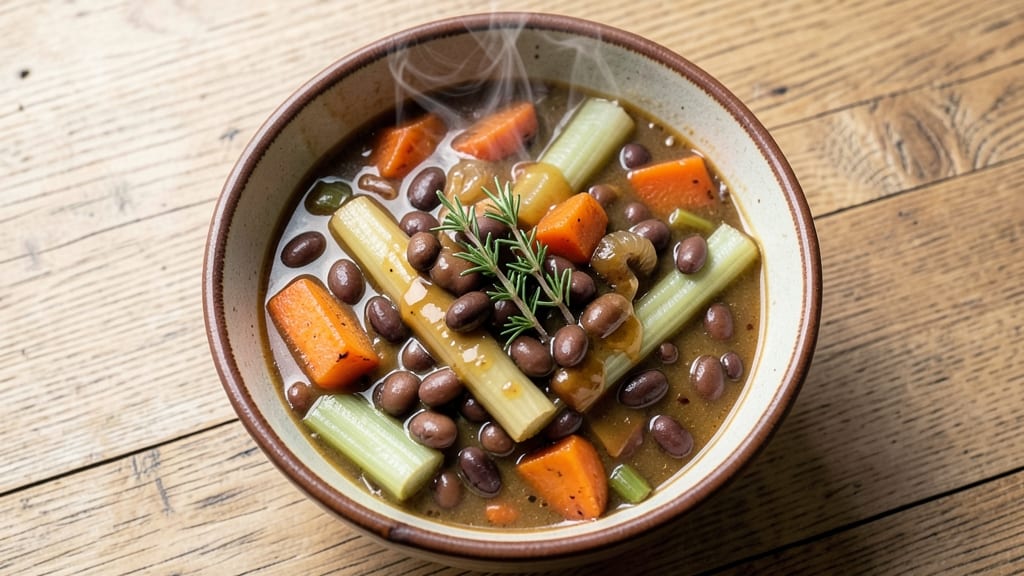
This Amish bean soup recipe delivers the kind of slow-simmered comfort that warms both body and soul—think tender beans, hearty vegetables, and layers of smoky, herby depth developed over hours on the stove.
The secret lies in patient cooking, where flavors meld into a rustic, satisfying broth that tastes like home. I’ve perfected this version to stay true to Amish traditions while keeping it approachable for modern kitchens, with optional dairy for richness or a vegetarian-friendly base.
The beauty of this soup is its simplicity: dried beans, fresh herbs, and a few pantry staples come together to create a dish that’s both nourishing and deeply flavorful.
Unlike quick versions, the slow-simmered method (at least 2 hours) transforms tough beans into tender, melt-in-your-mouth bites while building a broth rich with caramelized vegetables and aromatic spices. No fancy techniques—just time and attention to detail.
What you’ll end up with is a steaming bowl of hearty, smoky bean soup that’s perfect for chilly evenings, potlucks, or meal prep. The vegetables stay vibrant, the beans are perfectly tender, and the broth is packed with flavor—no watery aftertaste here.
Serve it with crusty bread to soak up every last drop, or top with a pat of butter for extra comfort. This is the kind of soup that disappears faster than you can say “second helping.”
For extra depth, I’ll share variations like adding potatoes or corn, plus tips to make it even more rustic or adaptable to dietary needs. The best part? It tastes even better the next day, making it ideal for leftovers. Let’s get started on this foolproof, tradition-inspired recipe!
Ingredients for amish bean soup
Dried beans, aromatic herbs, and smoky spices—this rustic soup builds flavor over hours.
| Ingredient | Amount | Notes |
|---|---|---|
| Dried Navy Beans 🌾 | 2 cups | Unsoaked, rinsed well |
| Yellow Onion 🧅 | 1 whole | Medium size, chopped |
| Carrots 🥕 | 4 medium | Peeled, chopped into chunks |
| Celery Stalks 🧄 | 3 whole | Trimmed, chopped |
| Garlic Cloves 🧄 | 4 cloves | Minced for depth |
| Fresh Thyme 🌿 | ¼ oz | Or 1 tbsp dried thyme |
| Bay Leaves 🍃 | 2 whole | For aromatic depth |
| Smoked Paprika 🌶️ | 1 tbsp | For smoky flavor |
| Vegetable Broth 💧 | 6 cups | Low-sodium preferred |
| Tomato Paste 🍅 | 2 tbsp | For richness |
| Olive Oil 🫒 | 2 tbsp | For sautéing |
| Salt 🧂 | 1 ½ tsp | Adjust to taste |
| Black Pepper 🌶️ | ½ tsp | Freshly ground |
| Potatoes 🥔 | 2 medium | Optional, peeled and diced |
| Fresh Parsley 🌿 | ¼ cup | Chopped for garnish |
The beans are the heart of this soup, so pick high-quality dried navy beans from the bulk section—Whole Foods or Trader Joe's have great options. Look for beans that are plump and free of cracks or discoloration. Fresh thyme is ideal, but dried works at one-third the amount. For the smoked paprika, Penzeys or McCormick smoked varieties add the best depth. If you're adding potatoes, use Yukon Gold for creaminess—they hold up better during long simmering than russets.
No smoked paprika? Substitute liquid smoke at 1/2 teaspoon or extra black pepper. Fresh herbs like thyme and parsley can be swapped for dried at one-third the quantity. The tomato paste is non-negotiable for richness—Trader Joe's has great squeeze tubes that last months. For extra rustic flavor, add a splash of apple cider vinegar at the end. The broth should be low-sodium to let the natural flavors shine, but adjust the salt at the end to taste. If you're vegetarian, make sure your broth is vegetable-based—no chicken or beef stock here.
This soup tastes even better the next day, so make a big batch—it keeps for 5-6 days in the fridge or 3 months frozen. Store it in airtight containers with a layer of broth on top to preserve freshness. For meal prep, freeze in portions—just thaw overnight in the fridge before reheating. The beans will soften even more, making them even more tender. Serve with crusty bread or a dollop of vegan butter for extra comfort.
Why You'll Love This Recipe
- Here’s what sold me: that moment when the onions turn golden and the garlic cloves hit the bottom of the pot. The slow caramelization from the onions and the sharp punch of garlic make every spoonful ridiculously good. Between us, I’ve tried fancier soups—this one wins for sheer comfort in a bowl.
- No-Soaking Needed: I’ll admit, I used to dread the overnight soak for navy beans—until I discovered this trick. Just a quick rinse and a 15-minute simmer with the onions and carrots softens them perfectly. The celery adds that fresh crunch without extra effort, and honestly? The flavor gets deeper the longer it cooks, but you won’t be stuck waiting.
- Garlic-Caramel Magic: Here’s what sold me: that moment when the onions turn golden and the garlic cloves hit the bottom of the pot. The slow caramelization from the onions and the sharp punch of garlic make every spoonful ridiculously good. Between us, I’ve tried fancier soups—this one wins for sheer comfort in a bowl.
- Leftovers That Beg for More: This soup tastes even better the next day, which is perfect because it’s made for leftovers. I’ll be real: I’ve reheated mine three times and still crave it. The navy beans thicken just right, the carrots stay tender, and the celery? It disappears faster than you’d think. Pack it for lunch or freeze it—either way, you’ll be glad you made extra.
Step-by-step instructions for Amish bean soup
This hearty soup builds flavor layer by layer—start with the vegetables, then let the beans simmer until tender and rich.
Sauté the Vegetable Base
Heat the 2 tablespoons olive oil in a large Dutch oven or heavy pot over medium heat. Add the chopped 1 whole yellow onion, 4 medium carrots, and 3 whole celery stalks, stirring occasionally for 8-10 minutes until the vegetables soften and begin to caramelize slightly. This step develops the soup's foundational depth.
Next, add the 4 minced garlic cloves and 1 tablespoon smoked paprika, stirring for 30 seconds until fragrant. The paprika will infuse the vegetables with a subtle smokiness, a hallmark of Amish cooking. Keep the heat at medium—you want the garlic to cook without burning, which would turn bitter. If the vegetables release too much moisture, reduce heat slightly to prevent sticking.
Build the Flavor Layers
Stir in the 2 tablespoons tomato paste and cook for 2 minutes, allowing it to deepen in color and meld with the vegetables. This step adds richness and complexity to the broth. Add the 6 cups vegetable broth, 1.5 teaspoons salt, and 0.5 teaspoon black pepper, stirring to combine. Bring the mixture to a gentle boil, then reduce heat to low and let it simmer for 15 minutes to allow the flavors to meld.
Add the 2 whole bay leaves and 0.25 ounce fresh thyme (or 1 tablespoon dried thyme) to the simmering broth. These aromatic herbs will infuse the soup with subtle earthy notes. If you're using the optional 2 medium potatoes, peel and dice them into ½-inch cubes and add them now. The potatoes will absorb some of the broth's flavor as they cook, adding a satisfying creaminess to the soup.
Add and Simmer the Beans
Rinse the 2 cups dried navy beans thoroughly under cold water to remove any debris. Add them to the pot along with the simmering broth and vegetables. Stir gently to ensure the beans are submerged. Bring the soup back to a gentle boil, then reduce heat to low and let it simmer uncovered for 1.5 to 2 hours. The beans should be tender but still hold their shape—this is key to the soup's texture.
Check the beans after 1 hour of simmering. If the soup appears too watery, reduce it slightly by simmering uncovered for an additional 15-20 minutes. The beans should be soft enough to crush between your fingers but not mushy. If they're still firm, continue simmering for another 30 minutes. The longer they cook, the more flavor they absorb from the broth.
Finish and Serve
Once the beans are tender, discard the bay leaves and adjust the seasoning if needed—add more salt or pepper to taste. If the soup is too thick, stir in ½ cup hot vegetable broth to reach your desired consistency. The soup should coat the back of a spoon but still be light enough to ladle easily.
Ladle the soup into bowls and garnish with 0.25 cup chopped fresh parsley for a pop of color and freshness. Serve immediately with crusty bread or over a bed of rice to soak up every last drop of that rich, smoky broth. The flavors will only deepen as it sits, so don’t wait too long—this soup is best enjoyed fresh from the pot.
Pro Tips For Making Amish Bean Soup
- SOAK BEANS OVERNIGHT: I learned this the hard way—rushing the soak with hot water just makes navy beans tough. Cold water overnight (or at least 8 hours) breaks them down properly. Drain and rinse before cooking to cut down on gassy flavors—trust me, your dinner guests will notice.
- SWEAT THE VEGETABLES: Don’t just chop onions, carrots, and celery—sweat them low and slow in a splash of water or broth for 10 minutes before adding garlic. This softens them evenly and builds flavor without burning. (Yes, even if you’re impatient like me.)
- SKIP THE BOILING MADNESS: Navy beans don’t need a rolling boil—simmer them gently from the start. Too much heat toughens them, and you’ll end up with mushy beans. Keep it at a steady, gentle bubble, and stir occasionally to prevent skinning.
- ADD BACON OR SMOKED HAM: This isn’t traditional, but crispy bacon or smoked ham cubes add depth and richness without extra effort. Toss them in with the beans in the last 20 minutes—no extra prep, just better flavor. (Your future self will thank you.)
Storing and reheating your leftovers
Refrigerator Storage
Let your Amish bean soup cool to room temperature for 30-60 minutes before transferring to airtight containers—I use glass Pyrex with snap-on lids for best results. Store in the refrigerator at 40°F or below for up to 5-6 days.
The flavors actually intensify overnight as the beans absorb more of the smoky broth. Always leave 1-inch headspace to prevent spills when the soup expands slightly upon cooling. 🥣
Freezer Storage
For longer storage, freeze portions in quart-sized freezer bags or airtight containers. Portion into 2-cup servings for easy reheating later. Press out excess air and seal tightly to prevent freezer burn. This soup maintains quality for up to 3 months in the freezer.
I like to label bags with the date and "Amish Bean Soup" so I can track freshness. Thaw overnight in the fridge before reheating for best texture.
Stovetop Reheating
My preferred method is stovetop reheating because it preserves the soup's texture perfectly. Transfer the desired portion to a pot and heat over medium-low heat for 10-15 minutes, stirring occasionally. Add ¼ cup hot vegetable broth if the soup appears too thick.
Bring to a gentle simmer, then reduce heat to low and let it heat through completely. Taste and adjust seasoning—you may need a pinch more salt after reheating. 🔥
Microwave Reheating
For quick reheating, use the microwave on 50% power in 2-minute intervals, stirring between each interval. Start with 3 minutes total, then continue in 1-minute bursts until heated through. Cover with a microwave-safe lid or damp paper towel to retain moisture.
Stir well before serving—microwaving can cause slight separation of ingredients. This method works best for single servings and is perfect for busy weeknights.
Leftovers Magic
One of my favorite things about this soup is how it improves as leftovers! The beans become even more tender, and the flavors meld beautifully. I often double the recipe so I can enjoy it for lunch the next day.
For extra richness, stir in 1 tablespoon butter or 1 teaspoon olive oil when reheating. The soup's depth of flavor makes it perfect for meal prep—just store properly and reheat gently to maintain its comforting qualities. ✨
Nutrition facts
Frequently asked questions
Why do Amish bean soups need to simmer so long?
The long simmering time—1.5 to 2 hours—is essential for two reasons: it softens the beans until they're tender but still hold their shape, and it allows the vegetables and broth to develop deep, complex flavors. The slow cooking process caramelizes the onions, carrots, and celery, creating a rich, smoky base that defines this rustic dish. Unlike quick soups, the patience pays off with layers of flavor that build over time.
Can I substitute other beans for navy beans?
While navy beans are traditional, you can use great northern beans or cannellini beans for a slightly creamier texture. Just adjust the cooking time—great northern beans may need 10-15 minutes less simmering, while kidney beans hold up better if you reduce the time to 1 hour. The key is to avoid beans that turn mushy, like pinto beans, which can make the soup too thick.
How can I make this soup vegetarian without dairy?
This recipe is already vegetarian-friendly, but if you want to avoid dairy entirely, skip the butter when serving and use olive oil instead. For extra richness, stir in 1 tablespoon nutritional yeast or a splash of lemon juice at the end for brightness. The smoked paprika and tomato paste already provide depth, so no dairy is needed to make it satisfying. Just ensure your vegetable broth is labeled "vegetarian" to avoid hidden meat-based ingredients.
What’s the best way to fix mushy beans?
If your beans turn out mushy, it’s usually from overcooking or using the wrong type. For future batches, check them after 1 hour of simmering—they should be tender but still firm. If they’re already too soft, drain some of the broth and stir in 1 tablespoon cornstarch mixed with 2 tablespoons water to thicken the soup. For next time, try great northern beans or black beans, which hold up better to long cooking.
Can I add meat to this soup?
While this recipe is vegetarian, you can easily add meat for a heartier version. Brown ½ pound smoked sausage or diced ham in the pot with the onions and garlic, then proceed with the recipe. For a lighter touch, stir in ½ cup shredded chicken at the end. Just reduce the broth by ½ cup to account for the added moisture from the meat. The smoky flavors will complement the beans beautifully!