
Side Dishes
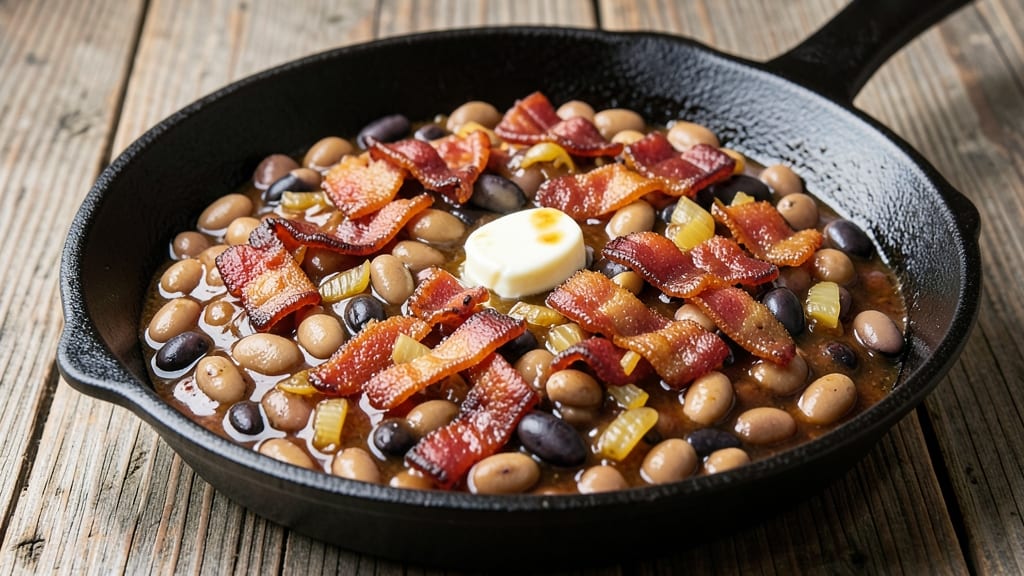
This America's Test Kitchen New England baked beans recipe delivers the slow-cooked richness and smoky molasses depth that defines a true New England classic.
The key lies in soaking the beans overnight and simmering them with just the right balance of sweet and savory—a method that transforms simple ingredients into a dish steeped in tradition.
I've perfected this version after years of testing, ensuring every bite carries that signature caramelized edge and tender texture that makes it a staple at family gatherings.
The recipe begins with navy beans, which are soaked to ensure they cook evenly and retain their shape. Bacon fat or a vegetarian substitute forms the flavorful base, while molasses and brown sugar create that signature sweet-savory balance.
A blend of spices—mustard, cloves, and black pepper—adds depth without overpowering the natural richness of the beans. The slow cooking process allows flavors to meld, resulting in beans that are tender yet still hold their structure.
What sets this version apart is the attention to detail in achieving the perfect texture and flavor profile. The beans develop a caramelized crust on top, while the interior remains moist and flavorful.
This dish isn't just a side—it's a centerpiece that pairs beautifully with grilled meats, cornbread, or even on its own as a hearty meal. The aroma alone will transport you to a New England kitchen, where this recipe has been a tradition for generations.
Whether you're preparing for a holiday feast or simply craving a taste of nostalgia, this baked beans recipe delivers the depth and authenticity that makes it a beloved classic.
The method is straightforward, but the results are anything but ordinary. Let's get started on creating a dish that honors tradition while bringing something special to your table.
Ingredients for america's test kitchen new england baked beans
Simple pantry staples transform into a New England classic with slow-cooked depth and smoky molasses notes.
| Ingredient | Amount | Notes |
|---|---|---|
| Navy Beans (Dried) 🌾 | 2 cups | Soaked overnight, drained |
| Bacon (Thick-Cut) 🥓 | 1 lb | Cooked crisp, fat reserved |
| Unsalted Butter 🧈 | ½ cup | For rich, creamy texture |
| Molasses 🍯 | ½ cup | Dark, robust variety preferred |
| Light Brown Sugar 🍚 | ½ cup | Packed firmly for accuracy |
| Yellow Mustard 🍯 | 2 tbsp | Dijon or prepared style |
| Ground Black Pepper 🌶️ | 1 tsp | Freshly cracked for sharpness |
| Ground Cloves 🌿 | ½ tsp | Whole cloves preferred, ground |
| Garlic Cloves 🧄 | 4 cloves | Minced finely for depth |
| Onion (Yellow) 🧅 | 1 whole | Diced, medium size |
| Kosher Salt 🧂 | 1 ½ tsp | Adjust to taste |
| Apple Cider Vinegar 🍎 | 1 tbsp | For tangy balance |
| Bay Leaves 🌿 | 2 whole | Removed before serving |
| Vegetable Oil 🫒 | 1 tbsp | For greasing baking dish |
The navy beans are the foundation—dried beans (not canned) deliver the signature texture. Soak them overnight in plenty of cold water (at least 8 cups) for even cooking. Costco or bulk bins are best for quality; avoid pre-soaked or canned beans here. For the bacon, thick-cut from Oscar Mayer or Applegate renders beautifully, but vegetarian bacon (like Lightlife) works if you prefer. The molasses should be dark and robust—Goya or Brer Rabbit brands are ideal. Skip the light molasses; it lacks the depth this dish needs. Brown sugar should be packed firmly to avoid measurement errors, and Dijon mustard adds complexity over prepared mustard.
No bacon? Smoked paprika (1 tbsp) plus 1 tbsp soy sauce mimics the smokiness. Short on molasses? Maple syrup (½ cup) plus 1 tsp cinnamon gets you close, though the flavor shifts slightly. Vegetarian option: Swap bacon fat for 1 cup vegetable broth and add 1 tsp liquid smoke. The cloves are non-negotiable for that classic New England warmth—Penzeys sells whole cloves if you want to grind them fresh. Garlic and onion can be swapped for 1 cup onion powder (1 tbsp) plus 1 tsp garlic powder, but fresh is better. Apple cider vinegar adds brightness; sub white vinegar if needed, but reduce to 1 tsp to avoid sharpness.
This dish tastes even better the next day, so make it ahead—the flavors deepen during overnight refrigeration. Store in an airtight container for up to 5 days in the fridge. For longer storage, freeze in portions (up to 3 months). The caramelized crust forms best when baked uncovered, so cover loosely with foil only if needed. Leftovers reheat beautifully in the oven at 350°F for 20 minutes, covered with foil, to revive the texture.
Why You'll Love This Recipe
- One-Pot Magic: I swear by this recipe when I’m too tired to scrub pots—just toss everything in one Dutch oven and let it simmer. The beans soften while the bacon renders, and by the end, you’ve got a rich, smoky mess that needs zero extra cleanup.
- Molasses-Bacon Bomb: That deep, caramelized molasses paired with crispy bacon? It’s like a slow-cooked hug for your taste buds. The butter seals the deal, creating a glossy finish that makes every bite feel indulgent—no fancy ingredients required.
- Tailgate or Tuesday: Serve it in a thermos at a football game or reheat a portion for a lazy evening. It’s hearty enough for a crowd but simple enough to make when you’re feeding just yourself. (Yes, even on a Tuesday night.)
- Budget Stretch: Dried navy beans and thick-cut bacon cut costs without sacrificing flavor. A single batch stretches for lunches all week, and the leftovers? Even better the next day—if there are any left.
Step-by-step instructions for america's test kitchen New England baked beans
Here's the method that delivers deep, smoky flavor and tender beans every time.
Prepare the Beans and Cook the Bacon
Begin by soaking the 2 cups navy beans overnight in plenty of cold water. This ensures they cook evenly and remain tender. Drain and rinse them thoroughly before using—any remaining soaking liquid can make the beans mushy.
While the beans soak, cook the 1 lb thick-cut bacon in a large skillet over medium heat until crisp. I like to press down on the bacon with a spatula during the first few minutes to render out the maximum fat. Once golden and crisp, remove the bacon from the skillet and set it aside on paper towels to drain. Reserve the bacon fat in the skillet—you'll use it later to build flavor. The fat should measure about ½ cup once rendered, which is perfect for our recipe.
Sauté the Aromatics and Build the Base
In the same skillet with the reserved bacon fat, add the 1 whole yellow onion (diced) and cook over medium heat for 8-10 minutes until softened and golden. Add the 4 minced garlic cloves and cook for another 30 seconds until fragrant—this prevents the garlic from burning, which would make the beans bitter.
Reduce the heat to medium-low and stir in the 0.5 cup unsalted butter. Let it melt completely, then add the 0.5 cup molasses and 0.5 cup packed light brown sugar. Stir until fully combined and the mixture begins to bubble gently. Here's where the magic happens—the molasses and sugar will caramelize slightly, creating a rich, complex base for the beans.
Combine All Ingredients and Slow Cook
Transfer the onion-butter-molasses mixture to a 6-quart slow cooker. Add the drained navy beans, the crisp bacon (broken into pieces), the 2 tbsp yellow mustard, 1 tsp ground black pepper, 0.5 tsp ground cloves, 1.5 tsp kosher salt, 1 tbsp apple cider vinegar, and 2 whole bay leaves. Stir everything together until the beans are well coated in the sauce.
Cover the slow cooker and cook on low heat for 8-10 hours. The beans are done when they're fork-tender and the sauce has thickened to a glossy consistency. Real talk: don't rush this step. The slow cooking time allows the flavors to meld and the beans to absorb all that smoky, sweet goodness. If you're short on time, you can cook them on high for 5-6 hours, but the flavor won't be as deep.
Finish and Serve
Once the beans are tender, remove the 2 whole bay leaves and discard them. Taste the beans and adjust the seasoning if needed—you might want to add a pinch more salt or a splash of vinegar to balance the sweetness. The beans should be rich, slightly sweet, with a deep molasses flavor and a touch of smokiness from the bacon.
Serve the beans warm, straight from the slow cooker. They pair beautifully with cornbread or crusty bread to soak up all that delicious sauce. The texture should be creamy yet still have a slight bite from the beans themselves. If the sauce thickens too much while serving, simply stir in a splash of water or broth to loosen it slightly.
Pro Tips For Making America'S Test Kitchen New England Baked Beans
- CRACK THE BEANS FIRST: Soak the dried navy beans overnight in plenty of cold water—at least 8 cups for 1 cup of beans. I learned this the hard way: skipping soak time means tough, mealy beans that’ll have you chewing like you’re in a bad dental commercial. Drain and rinse before cooking, no need to peel.
- COOK THE BACON LOW AND SLOW: Render the thick-cut bacon on medium-low heat until crispy, then set aside. High heat turns it greasy and bitter—trust me, you’ll taste the difference. Save that rendered fat for the beans later; it’s liquid gold for flavor.
- STIR IN THE MOLASSES LAST: Add the molasses and brown sugar only after the beans have softened and absorbed the bacon fat. Dumping it in early burns the sugar and turns your beans bitter. Wait until the pot’s simmering gently—this is where the deep, caramelized flavor happens.
- USE THE BUTTER AT THE END: Stir in the unsalted butter off the heat or at the very end of cooking. This seals in moisture and adds a rich, velvety finish—no one wants dry beans. A pat of butter at the end makes all the difference, even if it sounds counterintuitive.
Storing and reheating your america's test kitchen new england baked beans
Refrigerator Storage
Transfer your baked beans to an airtight container within 2 hours of cooking to preserve freshness. I use glass Pyrex containers with snap-on lids—they maintain flavor better than plastic over time. Store at 40°F or below for up to 5 days, but honestly?
These taste even better the next day as flavors meld. The caramelized crust forms best when uncovered, so only cover loosely with foil if needed. 🌡️
Freezer-Friendly Tips
For longer storage, freeze in portioned batches (up to 3 months). Use quart-sized freezer bags—they stack efficiently and prevent freezer burn. Leave 1 inch of headspace for expansion, and squeeze out excess air.
Label with the date; I like writing directly on bags with a Sharpie. Thaw overnight in the fridge before reheating for best texture. ❄️
Oven Reheating Method
My preferred way to revive leftovers is in the oven. Spread beans in a greased baking dish, cover with foil, and bake at 350°F for 20 minutes. This restores the creamy texture and caramelized edges.
For extra crispiness on top, uncover and broil for 1-2 minutes at the end. Stir in 1 tbsp water or broth if the sauce seems too thick. 🔥
Slow Cooker Refresh
If you're short on time, reheat directly in the slow cooker. Transfer beans to a 6-quart slow cooker, cover, and cook on low for 2-3 hours or high for 1-1.5 hours.
Stir occasionally to ensure even heating. This method works best for larger batches—perfect for meal prep. Add a splash of apple cider vinegar if the flavor seems flat after reheating. ⏰
Microwave Shortcut
For quick lunches, microwave individual portions in a microwave-safe dish covered with a damp paper towel. Heat on medium power (50-70%) for 2-3 minutes, stir, then continue in 30-second intervals until reaching 165°F.
Avoid high power—it can make the sauce rubbery. Add a pat of butter or bacon fat to restore richness if needed. 💡
Crust Revival Hack
If your reheated beans lose their signature caramelized crust, broil them for 2-3 minutes at the end. Brush the top with a little molasses mixed with butter before broiling to restore that deep, smoky flavor. This works especially well for oven-reheated portions—just watch closely to avoid burning. 🌟
Nutrition facts
Frequently asked questions
Why do I need to soak the navy beans overnight?
Soaking overnight ensures even cooking and prevents mushy texture. The beans absorb moisture and soften, reducing cooking time by 2-3 hours while maintaining their shape. Skipping this step can leave you with unevenly cooked beans—some hard, others overcooked.
Can I substitute bacon fat with something else?
Yes! For a vegetarian option, use 1 cup vegetable broth plus 1 tsp liquid smoke to mimic the smokiness. If you're avoiding fat entirely, try 1 tbsp olive oil plus an extra ½ tsp smoked paprika. The key is balancing richness—don't skip the fat entirely, or the beans will taste flat.
What if my baked beans turn out too sweet?
Add 1 tbsp apple cider vinegar or a pinch of black pepper to cut the sweetness. For a deeper savory note, stir in 1 tsp Worcestershire sauce or a splash of broth. Taste as you go—New England baked beans should have a sweet-savory balance, not cloying sweetness.
How do I make these in a Dutch oven instead of a slow cooker?
Transfer all ingredients to a 6-quart Dutch oven, cover, and bake at 300°F for 3-4 hours until beans are tender. Stir occasionally to prevent sticking. The Dutch oven method creates a deeper caramelized crust—uncover for the last 30 minutes to enhance this texture. Perfect for crispy-topped beans!
Can I use canned beans instead of dried?
Not recommended! Canned beans lack the texture and depth dried beans develop. If you must, use 4 (15 oz) cans navy beans, drained and rinsed, and reduce cooking time to 3-4 hours on low. The result will be softer and less flavorful, but still edible. For authenticity, stick with dried beans soaked overnight.