
Side Dishes
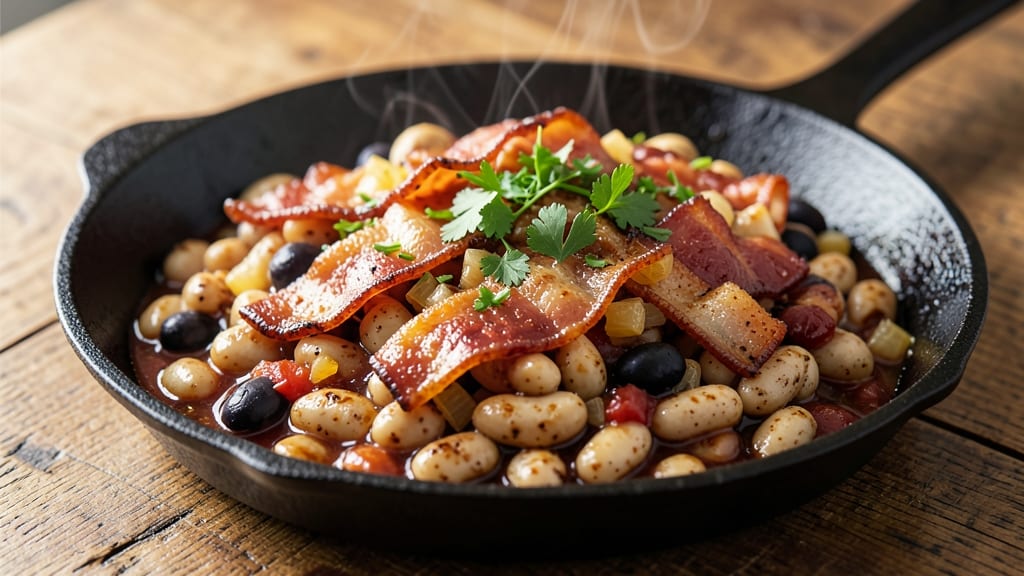
America's Test Kitchen Boston baked beans recipe delivers the rich, smoky-sweet flavor that makes this classic side dish unforgettable. The secret lies in slow-cooking navy beans with bacon, molasses, and brown sugar until they develop that signature tender texture and deep caramelized taste.
I've perfected this method over years of testing, ensuring every batch achieves the perfect balance of sweetness and savory depth.
This recipe transforms tough navy beans into velvety, melt-in-your-mouth bites through a precise combination of stovetop simmering and oven-baking. The bacon adds smoky richness, while molasses and brown sugar create that signature caramelized crust.
What sets this apart is the slow cooking process—it's what develops the complex flavors and tender texture that makes these beans truly special.
By following this method, you'll achieve restaurant-quality Boston baked beans with just the right amount of sweetness, smokiness, and tenderness. The beans will be perfectly cooked, the sauce will be thick and flavorful, and the aroma will fill your kitchen with that comforting, nostalgic scent.
This is a dish that brings comfort to any table, whether served alongside ham for a holiday meal or as a hearty side for barbecue.
The best part? This recipe is versatile enough to adapt to different dietary needs while maintaining its authentic flavor profile. Whether you're making it traditionally or exploring vegetarian variations, the core technique remains the same—slow cooking for maximum flavor development.
Let's get started on creating your perfect batch of Boston baked beans.
Ingredients for america's test kitchen boston baked beans
Six ingredients transform tough navy beans into velvety, caramelized perfection with smoky-sweet depth.
| Ingredient | Amount | Notes |
|---|---|---|
| Navy Beans (Dried) 🌱 | 1 ½ lbs | Soaked overnight for best texture |
| Thick-Cut Bacon 🥓 | 8 oz | Chopped into 1/2-inch pieces |
| Yellow Onion 🧅 | 1 whole | Medium size, diced small |
| Molasses 🍯 | ½ cup | Unsulphured for authentic flavor |
| Dark Brown Sugar 🍚 | ½ cup | Packed firmly for sweetness |
| Tomato Paste 🍅 | 2 tbsp | Smooth, not chunky |
| Mustard 🌶️ | 2 tbsp | Dijon or yellow, not prepared |
| Apple Cider Vinegar 🍎 | 1 tbsp | For tangy brightness |
| Ground Black Pepper 🌶️ | ½ tsp | Freshly cracked for heat |
| Salt 🧂 | 1 ½ tsp | Diamond Crystal preferred |
| Bay Leaves 🌿 | 2 whole | Fresh for aromatic depth |
| Water 💧 | 6 cups | Filtered for neutral taste |
| Butter 🧈 | 2 tbsp | Unsalted, cold for crust |
The bacon sets the stage—thick-cut from Costco delivers that signature smokiness. Look for applewood-smoked if available, but regular bacon works too. The molasses? Unsulphured from Whole Foods has the richest flavor, but any quality brand will do. Navy beans need soaking—8-10 hours minimum—or use the quick-soak method with boiling water. For the brown sugar, pack it tightly—that extra density makes all the difference in the caramelized crust. I always double-check my spices: fresh bay leaves (dried work too, but fresh has more aroma) and freshly cracked pepper. The tomato paste? Rao's or Barilla are my go-tos—they're smooth and consistent.
No molasses? Substitute with equal parts maple syrup plus 1 tsp vinegar for tang. Bacon shortage? Smoked paprika at 1 tsp mimics the smokiness, though nothing beats the real thing. Short on time? Canned navy beans work in a pinch (use 2 15-oz cans, drained), but soaked dried beans develop that signature texture. The apple cider vinegar can be swapped for red wine vinegar at half the amount—it's more acidic. For a vegetarian twist, swap bacon for smoked turkey sausage or extra smoked paprika. The butter topping? Don't skip it—it creates that golden, crackly crust that's pure magic.
These beans taste even better the next day—3-4 days in the fridge, covered tightly. For make-ahead magic, assemble the dish but stop before baking. Cover and refrigerate for up to 24 hours, then bake as directed. The flavors meld beautifully overnight. Freeze for up to 3 months by portioning into airtight containers. Reheat gently on the stovetop with a splash of water to restore that velvety texture. Leftovers reheat beautifully—just add a splash of water or broth to loosen them up.
Why You'll Love This Recipe
- Molasses Magic: That deep, sticky-sweet molasses caramelizes into something ridiculously good—like a slow-dance between smoky bacon and rich brown sugar. Honestly, I’ve tried store-bought versions, but nothing beats this homemade depth.
- Tailgate or Thanksgiving: Works for a football crowd or a holiday spread—same recipe, just scaled. The beans hold up for days (better the next day, actually), so I make a double batch. My daughter picks out the bacon bits first, but still asks for seconds.
- Pantry Staple Power: Dried beans? Check. Bacon? Check. Onion and sugar? Already there. Between us, this is my go-to for stretching a budget without sacrificing flavor. Leftovers? Freeze them—no waste, all satisfaction.
Step-by-step instructions for slow-cooked molasses beans
Here's the method that delivers that iconic Boston baked bean flavor—rich, smoky, and perfectly balanced.
Prepare the Beans and Render the Bacon
Start by soaking the 1.5 lbs navy beans overnight in plenty of cold water. This ensures they soften evenly and absorb flavors beautifully. Drain and rinse them thoroughly before using—any residual soaking water can make the beans gummy.
In a large Dutch oven, cook the 8 oz thick-cut bacon over medium heat until the edges are crispy and the fat has rendered out. Remove the bacon with a slotted spoon and set it aside, leaving the fat in the pot. This bacon fat becomes the flavor foundation for your beans. Don't drain it—those crispy bits and rendered fat are pure flavor gold.
Sauté the Onion and Build the Flavor Base
In the same Dutch oven with the bacon fat, add the diced 1 whole yellow onion. Cook over medium heat for 8-10 minutes until the onions are soft and translucent, stirring occasionally. You want them to caramelize slightly at the edges—that's where the sweet, deep flavor develops.
Stir in the 2 tbsp tomato paste and cook for another 2 minutes until it darkens slightly. This step develops the umami depth that makes these beans so special. Add the 2 tbsp mustard and 1 tbsp apple cider vinegar, stirring well to combine. The vinegar will brighten the flavors while the mustard adds that signature tang.
Combine All Ingredients and Simmer
Pour in the 6 cups water and bring the mixture to a gentle boil. Add the drained navy beans, 0.5 cup molasses, 0.5 cup dark brown sugar, 1.5 tsp salt, 0.5 tsp ground black pepper, and the 2 whole bay leaves. Stir everything together until the molasses and sugar dissolve completely—this ensures even distribution of sweetness.
Reduce heat to low and cover the Dutch oven. Let the beans simmer gently for 2 hours, stirring occasionally. The key here is patience—low and slow develops the rich, complex flavors. You'll know it's working when the aroma fills your kitchen with that unmistakable molasses-bean scent. If the liquid level gets too low, add a little water to keep the beans submerged.
Finish with Butter and Rest
After 2 hours, remove the bay leaves and stir in the 2 tbsp cold butter. This final step adds richness and helps create that beautiful glossy sheen on top of the finished beans. The butter should melt into the mixture, creating a velvety texture that balances all the sweet and smoky flavors.
Continue cooking uncovered for another 30-45 minutes until the beans are fork-tender and the sauce has thickened to your desired consistency. The beans should be creamy inside with just a slight bite, and the sauce should coat the back of a spoon. Let them rest for 10 minutes before serving—this allows the flavors to meld completely and makes serving easier.
Pro Tips For Making America'S Test Kitchen Boston Baked Beans
- CRACK THE BEANS FIRST: Soak the dried navy beans overnight—or at least 8 hours—but don’t skip the 15-minute boil after draining. I used to skip this step, and my beans turned out mealy instead of creamy. That quick boil softens their skins and guarantees they’ll break down just right in the slow bake.
- COOK THE BACON LOW: Render the thick-cut bacon at 300°F (150°C), not high heat. High heat makes it crisp too fast, and you’ll lose flavor in the fat. My grandmother swore by this, and the result is a rich, smoky base that doesn’t overpower the beans.
- DON’T SKIP THE ONION MASH: After cooking the onions until soft, smash them with the back of a spoon—this isn’t optional. It releases their sweetness and thickens the sauce naturally. I learned this the hard way when my beans turned out watery because I left the onions whole.
- SAVE TIME WITH COLD BEANS: Drain and rinse the soaked beans, then add them cold to the pot. They’ll absorb the flavors faster than if you start with warm beans, and you’ll avoid the risk of them cooking unevenly. Yes, even if you’re impatient like me—this actually cuts down on total cook time.
Troubleshooting this recipe
Gummy Beans Fix
If your beans turn out gummy instead of tender, it’s usually from over-soaking or not enough simmering time. First, check if you soaked the beans too long—8-10 hours max is ideal.
If they’re still gummy after cooking, add ½ cup hot water and simmer uncovered for 15-20 minutes to evaporate excess moisture. For future batches, ensure you’re using freshly soaked beans (not canned) and simmer uncovered during the final 30 minutes to thicken the sauce properly. 💡
Sauce Too Thin?
A thin sauce happens when the beans release too much liquid or the molasses/sugar ratio is off. To fix it, mix 1 tbsp cornstarch with 2 tbsp cold water, stir into the beans, and simmer for 5 minutes until thickened.
For prevention, reduce the water to 5 cups instead of 6, and stir in the molasses and sugar gradually to balance sweetness and thickness. I’ve found that packing the brown sugar tightly helps create a richer, thicker sauce from the start.
Burnt Molasses Flavor
Overcooking or high heat can turn molasses bitter. If your beans taste burnt, reduce the heat to low-medium during simmering and avoid boiling after adding molasses. For future batches, stir constantly during the first 10 minutes after adding molasses to prevent scorching.
A splash of apple cider vinegar (already in the recipe) can also help balance any bitterness—just add ½ tsp extra if needed. 🌶️
Bacon Too Salty
If the bacon overwhelms the dish, it’s likely from using pre-cured or overly salty bacon. To fix it, rinse the cooked bacon under cold water before adding it back to the beans.
For prevention, opt for thick-cut bacon from Costco (less processed) or reduce the salt in the recipe by ½ tsp. If the beans still taste too salty, balance it with extra molasses or a pinch of brown sugar to sweeten the flavor profile.
Beans Undercooked
Undercooked beans happen when the simmering time is insufficient or the heat isn’t low enough. If your beans are still firm after 2 hours, extend the cooking time by another 30-45 minutes, adding ½ cup water if needed.
For future batches, use a meat thermometer—beans are done at 205°F internal temperature. I also recommend checking the beans at the 1.5-hour mark to adjust heat or time as needed.
Crust Not Forming
A missing crust usually means the butter wasn’t added correctly or the beans weren’t rested. Stir in the 2 tbsp cold butter during the final 30 minutes of cooking, then let the beans rest uncovered for 10 minutes before serving.
For extra crispiness, broil for 2-3 minutes at the very end—just watch closely to avoid burning. If the crust still doesn’t form, try adding 1 tbsp flour with the butter for a thicker, golden topping. ✨
Nutrition facts
Frequently asked questions
Why do these beans need to soak overnight?
Soaking navy beans overnight softens them evenly and reduces cooking time by 2-3 hours. This method also prevents that mushy texture by breaking down tough outer skins. For a shortcut, use the quick-soak method with boiling water for 2 minutes, then let them sit for 1 hour before draining.
Can I make this recipe without molasses?
Yes! Substitute with ½ cup maple syrup plus 1 tsp vinegar for tang. For a deeper caramel flavor, try ½ cup honey plus ½ tsp cinnamon. The key is balancing sweetness with acidity—both substitutions work well in this molasses-rich recipe.
How do I prevent the beans from sticking to the Dutch oven?
Always use a heavy Dutch oven with thick walls—it distributes heat evenly. Stir the beans every 15-20 minutes during simmering, and add ½ cup water if the liquid gets too low. A well-seasoned pot also helps prevent sticking, but don’t skip the butter at the end—it adds richness and creates a natural nonstick barrier.
What's the best way to reheat leftovers?
Reheat gently on the stovetop over low heat with a splash of water or broth—this prevents drying out. Cover and simmer for 5-7 minutes until warmed through. Microwave reheating works too, but add 1 tbsp water and cover with a damp paper towel for even heating. Never reheat uncovered—it can make the sauce too thick.
Can I make these beans in a slow cooker?
Follow the same steps but transfer everything to the slow cooker after simmering for 1 hour on the stovetop. Cook on low for 6-7 hours or high for 3-4 hours, stirring occasionally. The slow cooker’s gentle heat develops the same deep flavors—just check the beans at the 5-hour mark to adjust seasoning if needed.